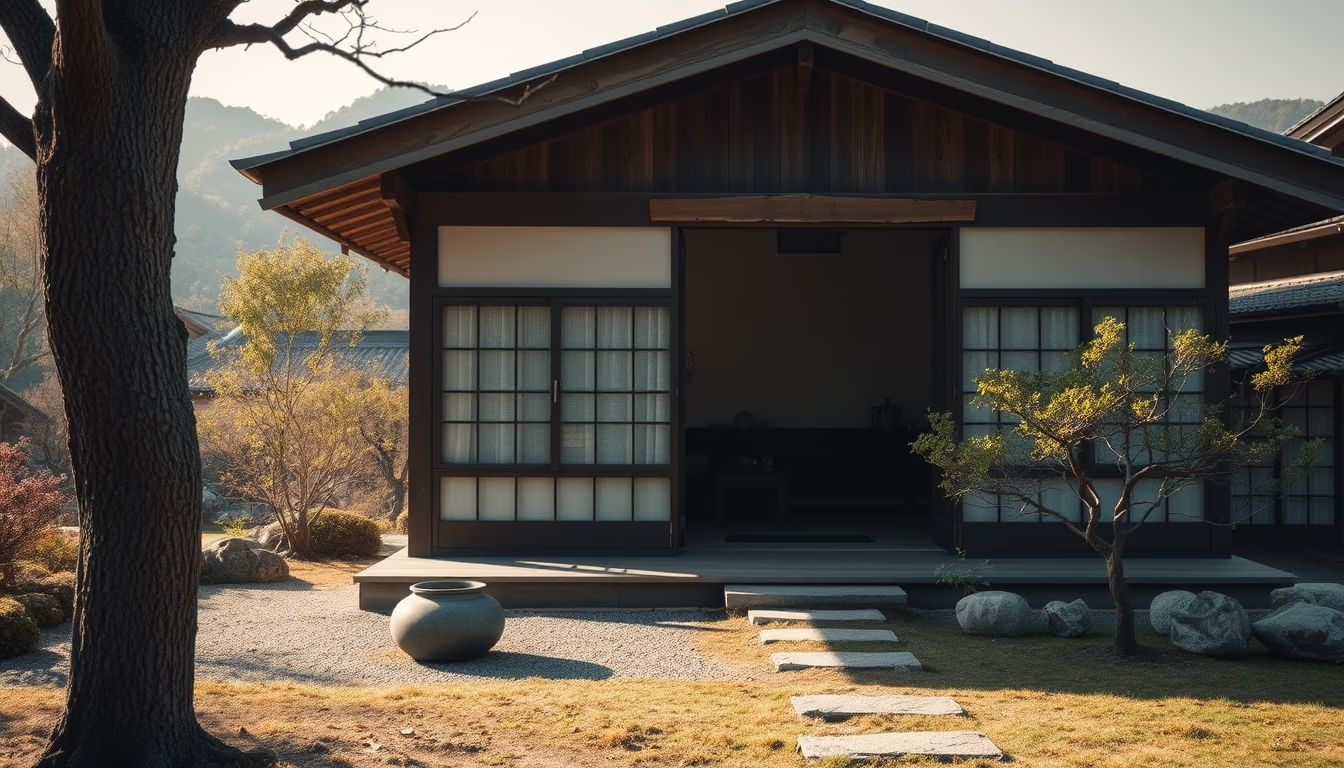
Shoji screen wooden
1344×768 · AVIF · CC BY 4.0

Wooden shoji screens are traditional Japanese sliding panels made of a wooden lattice (kumiko) covered with washi paper, creating lightweight, translucent partitions that define spaces with elegance and functionality.
About this subject
The shoji is a central element of traditional Japanese architecture, used as a door, window, or room divider. Its structure consists of a fine wooden lattice, called kumiko, usually made of cedar or cypress, arranged in simple or elaborate geometric patterns. Over this lattice, washi paper is glued, a handmade paper from mulberry fibers that allows soft diffused light to pass through, creating a sense of warmth and privacy.
Historically, shoji emerged during the Heian period (794, 1185) and became widespread in the Muromachi period (1336, 1573), when the sukiya-zukuri architectural style, associated with the tea ceremony, favored natural materials and connection with the outdoors. Shoji are often combined with fusuma (opaque panels) and tatami mats, forming the classic trio of Japanese rooms. The lightness of shoji allows them to be slid easily, adapting the space as needed.
Within Zen aesthetics and the concept of wabi-sabi, shoji represents the beauty of simplicity and impermanence. The washi paper wears over time and is replaced, renewing the cycle. The light filtering through the paper changes with seasons and time of day, linking the interior with nature. Today, shoji are appreciated worldwide, whether in traditional Japanese homes or modern interiors seeking to incorporate elements of Japanese culture and Zen philosophy.
Frequently Asked Questions
What materials are a shoji screen made of?
A traditional shoji is made of a wooden lattice (kumiko) usually cedar or cypress, covered with handmade washi paper from mulberry fibers. Modern versions may use other woods and synthetic paper.
What is the difference between shoji and fusuma?
Shoji is a sliding panel with translucent washi paper that allows light to pass through, while fusuma is an opaque panel typically covered with fabric or thick paper, used for more privacy and visual blockage.
Are shoji screens only used in traditional Japanese architecture?
No. Though originating in Japan, shoji are incorporated into various contemporary architectural styles worldwide, valued for their minimalist aesthetics, diffused lighting, and ability to integrate indoor and outdoor spaces.
Direct URL
https://pub-c7d6a6ea828543ac903a74a341ccb2e1.r2.dev/imagens/shoji-screen-wooden-documentary-photography-fresh8.avifHow to credit
Include a visible link back to UtilizAí. Copy one of the snippets below:
<a href="https://xn--utiliza-eza.com/en/midia/imagens/shoji-screen-wooden-documentary-photography-fresh8">Shoji screen wooden</a> by <a href="https://xn--utiliza-eza.com">UtilizAí</a>, licensed under <a href="https://creativecommons.org/licenses/by/4.0/">CC BY 4.0</a>.
[Shoji screen wooden](https://xn--utiliza-eza.com/en/midia/imagens/shoji-screen-wooden-documentary-photography-fresh8) by [UtilizAí](https://xn--utiliza-eza.com), CC BY 4.0
License: CC-BY-4.0