Sandstorm desert haboob
1344×768 · AVIF · CC BY 4.0
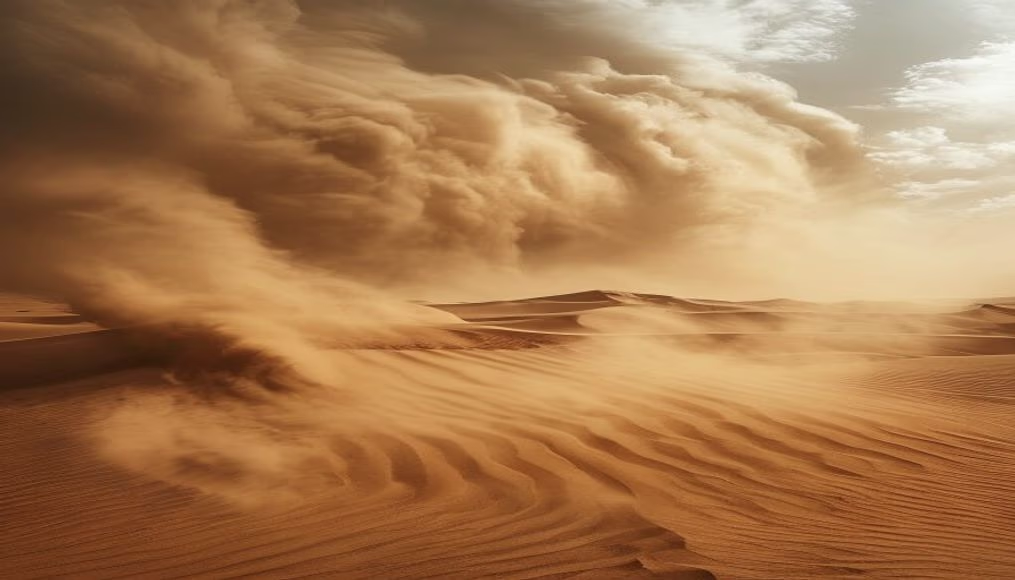
A haboob is an intense, sudden sandstorm common in deserts, advancing as a wall of dust hundreds of meters high.
About this subject
Haboob, from the Arabic word for "violent wind," refers to a meteorological phenomenon characterized by a dense, giant wall of dust and sand that advances rapidly over arid regions. This type of sandstorm is especially common in deserts like the Sahara in Africa and the Arabian Desert in the Middle East, but also occurs in semi-arid areas such as the southwestern United States, notably Arizona, where strong winds associated with thunderstorms lift particles from dry soil.
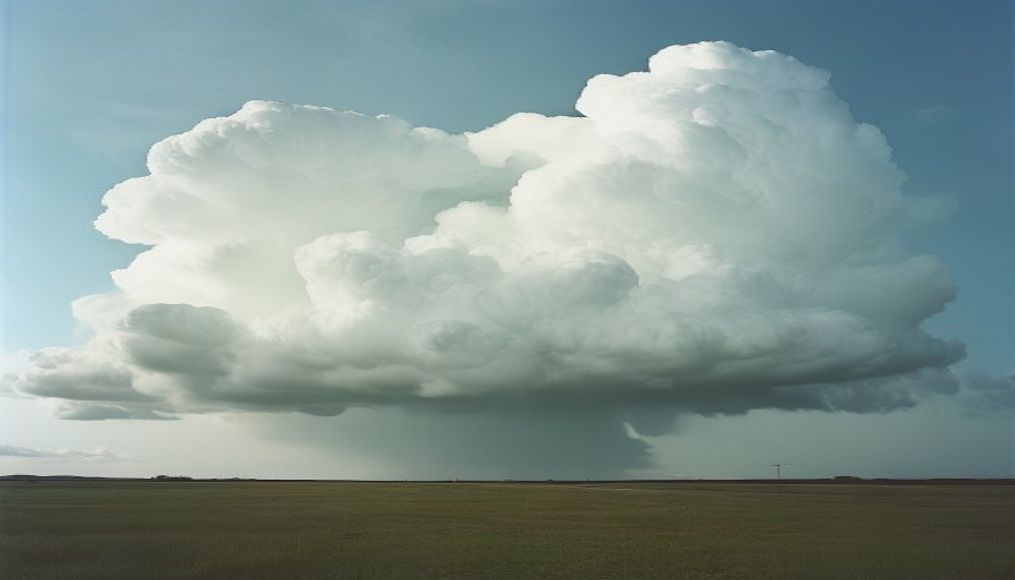
Formation of a haboob is directly linked to downdrafts of cold air from thunderstorm clouds. When rain evaporates before reaching the ground, the cooled air descends at high speed, dragging dust and sand and creating a turbulent front that can reach speeds of up to 100 km/h. The dust wall can stretch for tens of kilometers and reach heights of 1000 to 1500 meters, reducing visibility to less than 500 meters, posing serious risks to aviation and road traffic.
Historically, haboobs have been recorded by travelers and explorers of African and Asian deserts. With climate change and advancing desertification, the frequency and intensity of these events may increase. Sparse vegetation and exposed soil in degraded areas contribute to greater particle suspension. Beyond respiratory health impacts, dust storms transport nutrients and microorganisms over long distances, influencing distant marine and terrestrial ecosystems.
Interestingly, the term haboob was adopted by the international scientific community from observations in Sudan, where the phenomenon is common during the rainy season. In regions like the Sonoran Desert in Mexico and the US, haboobs are called "dust storms" and may last from minutes to hours. Studying these events is crucial for weather prediction models and for mitigating damage in urban areas near deserts.
Frequently Asked Questions
What causes a haboob?
A haboob is caused by cold downdrafts from thunderstorm clouds. Rain evaporates before reaching the ground, cooling the air, which descends rapidly and lifts dust and sand, forming a dense wall.
What is the difference between a haboob and a common dust storm?
A haboob is a specific type of dust storm with a well-defined wall-like front, often associated with thunderstorms. Common dust storms are more diffuse and longer-lasting, without the same convective origin.
Where does the haboob phenomenon occur?
It occurs mainly in deserts such as the Sahara, Arabia, and in the Arizona (USA) and Sonora (Mexico) regions. It is common in Sudan, where the term originated, and in other semi-arid areas with convective storms.
Direct URL
https://pub-c7d6a6ea828543ac903a74a341ccb2e1.r2.dev/imagens/sandstorm-desert-haboob-national-geographic-style-p2.avifHow to credit
Include a visible link back to UtilizAí. Copy one of the snippets below:
<a href="https://xn--utiliza-eza.com/en/midia/imagens/sandstorm-desert-haboob-national-geographic-style-p2">Sandstorm desert haboob</a> by <a href="https://xn--utiliza-eza.com">UtilizAí</a>, licensed under <a href="https://creativecommons.org/licenses/by/4.0/">CC BY 4.0</a>.
[Sandstorm desert haboob](https://xn--utiliza-eza.com/en/midia/imagens/sandstorm-desert-haboob-national-geographic-style-p2) by [UtilizAí](https://xn--utiliza-eza.com), CC BY 4.0
License: CC-BY-4.0