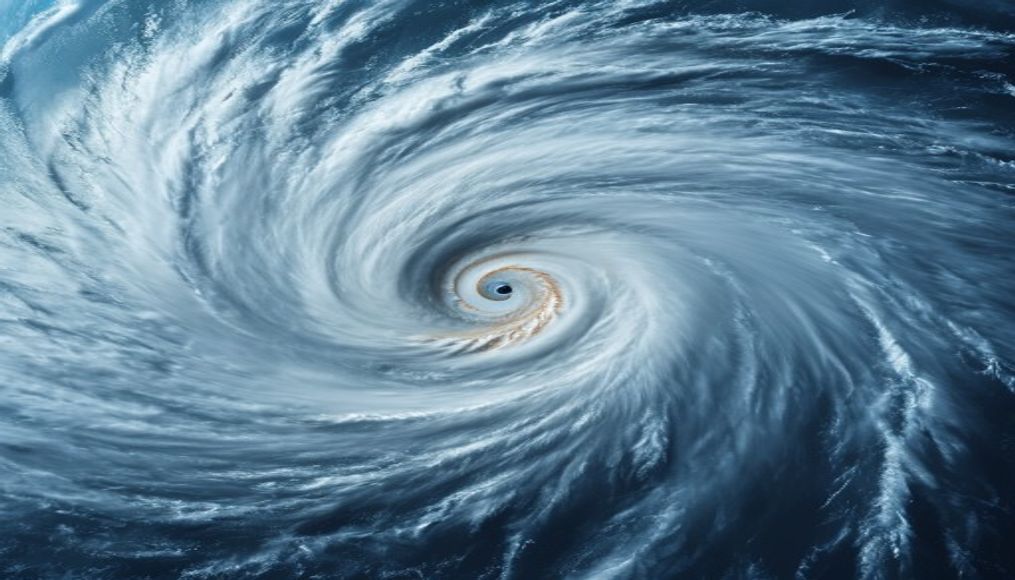
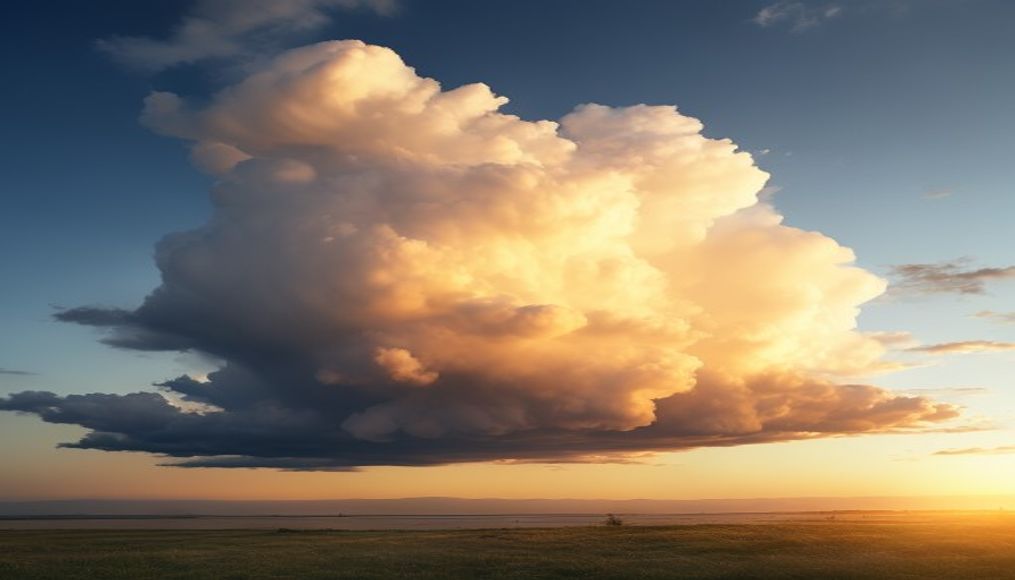
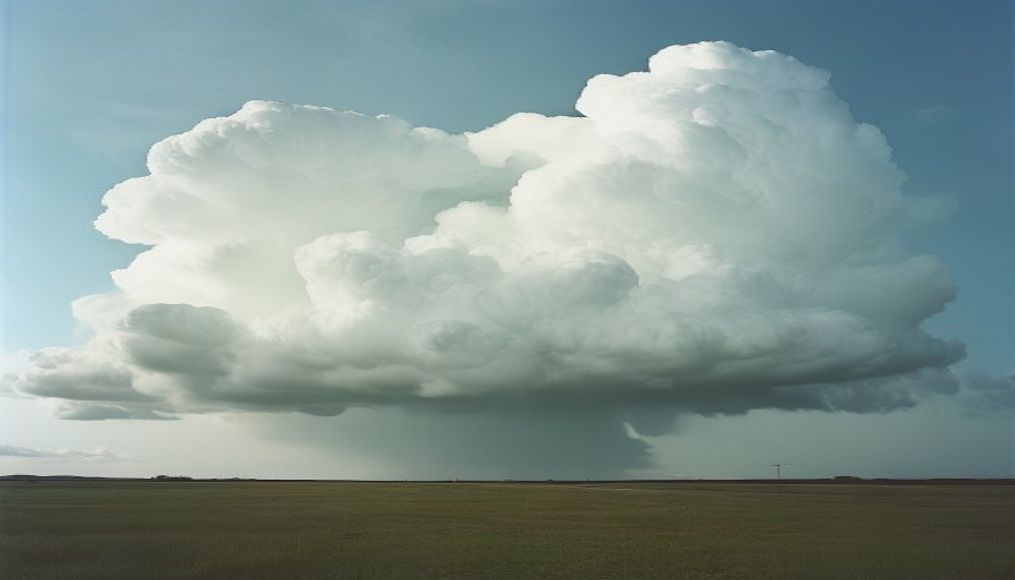
Sandstorm desert haboob
1344×768 · AVIF · CC BY 4.0

Haboobs are intense, sudden sandstorms common in deserts like the Sahara and arid regions, formed by downdrafts from thunderstorms.
About this subject
Haboobs, derived from the Arabic word 'habb' (strong wind), are meteorological phenomena characterized by a wall of dust and sand that advances rapidly, reducing visibility to near zero. They form when cold air descending from a thunderstorm downdraft hits the ground, lifting loose particles. This process creates a density current that can travel at speeds up to 50 km/h, with heights ranging from a few hundred meters to over 1 kilometer.
Haboobs occur most frequently in desert regions, such as the Sahara in Africa, the Arabian Desert, the southwestern United States (Arizona and Texas), and central Australia. In the Sahara, they are especially common during the rainy season when convective storms generate the necessary downdrafts. Typical duration is 10 to 30 minutes, but effects can persist for hours with residual dust in the air.
These storms pose significant health risks, especially for individuals with respiratory issues, as fine dust particles can irritate lungs and aggravate conditions like asthma. Additionally, low visibility causes traffic accidents and flight disruptions. Ecologically, haboobs transport nutrients such as phosphorus and iron, fertilizing distant ecosystems like the Amazon rainforest, contributing to the global biogeochemical cycle.
Study of haboobs has advanced with satellite technology and climate models, aiding in forecasting and impact mitigation. In regions like the Middle East, traditional practices such as sealing windows and using masks remain effective. Despite their destructive nature, haboobs are a fascinating phenomenon revealing the dynamics between atmosphere and land surface.
Frequently Asked Questions
What causes a haboob?
A haboob is caused by cold air descending from a thunderstorm downdraft hitting the ground and lifting dust and sand, forming a dense wall that advances rapidly.
Where are haboobs most common?
Haboobs are most common in deserts such as the Sahara, Arabian Desert, southwestern United States, and central Australia, especially during rainy seasons.
What are the dangers of a haboob?
Main dangers include respiratory problems from inhaling fine dust, low visibility causing traffic accidents, and flight disruptions.
Direct URL
https://pub-c7d6a6ea828543ac903a74a341ccb2e1.r2.dev/imagens/sandstorm-desert-haboob-high-fashion-editorial-p3.avifHow to credit
Include a visible link back to UtilizAí. Copy one of the snippets below:
<a href="https://xn--utiliza-eza.com/en/midia/imagens/sandstorm-desert-haboob-high-fashion-editorial-p3">Sandstorm desert haboob</a> by <a href="https://xn--utiliza-eza.com">UtilizAí</a>, licensed under <a href="https://creativecommons.org/licenses/by/4.0/">CC BY 4.0</a>.
[Sandstorm desert haboob](https://xn--utiliza-eza.com/en/midia/imagens/sandstorm-desert-haboob-high-fashion-editorial-p3) by [UtilizAí](https://xn--utiliza-eza.com), CC BY 4.0
License: CC-BY-4.0