Sandstorm desert haboob
1344×768 · AVIF · CC BY 4.0
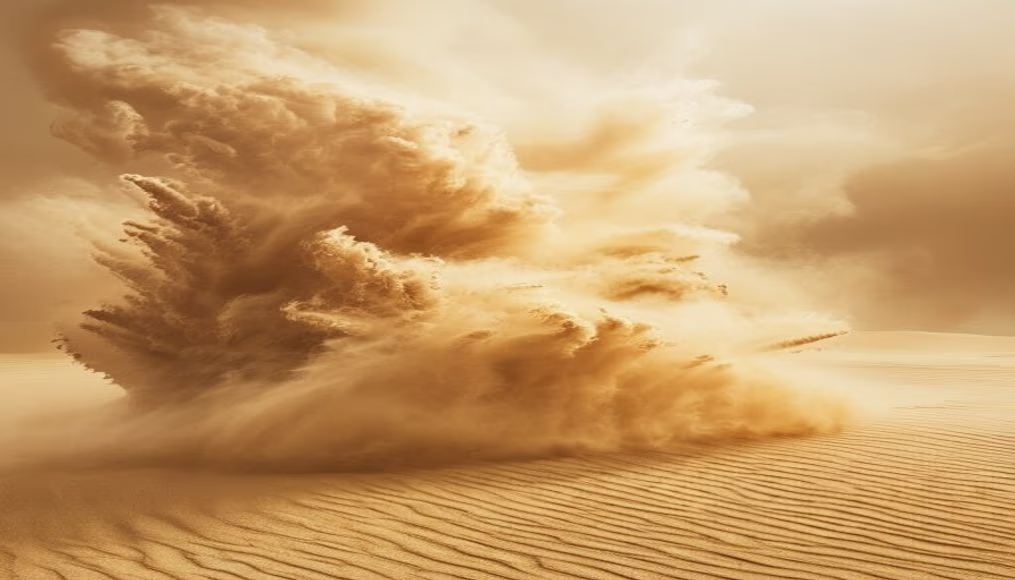
Desert sandstorm, known as haboob, is an intense meteorological phenomenon that lifts huge dust clouds in arid regions like the Sahara and Middle East.
About this subject
A haboob is a sudden, violent sandstorm typical of arid and semi-arid regions. The term originates from the Arabic word 'habb', meaning 'to blow' or 'gust'. This phenomenon occurs when a cold downdraft from a thunderstorm hits the ground and lifts a dense wall of dust and sand, which can extend hundreds of meters high and tens of kilometers wide. Haboobs are common in the Sahara, the Horn of Africa, the Arabian Peninsula, and even in Arizona, USA, where arid conditions and monsoon storms create the ideal environment.
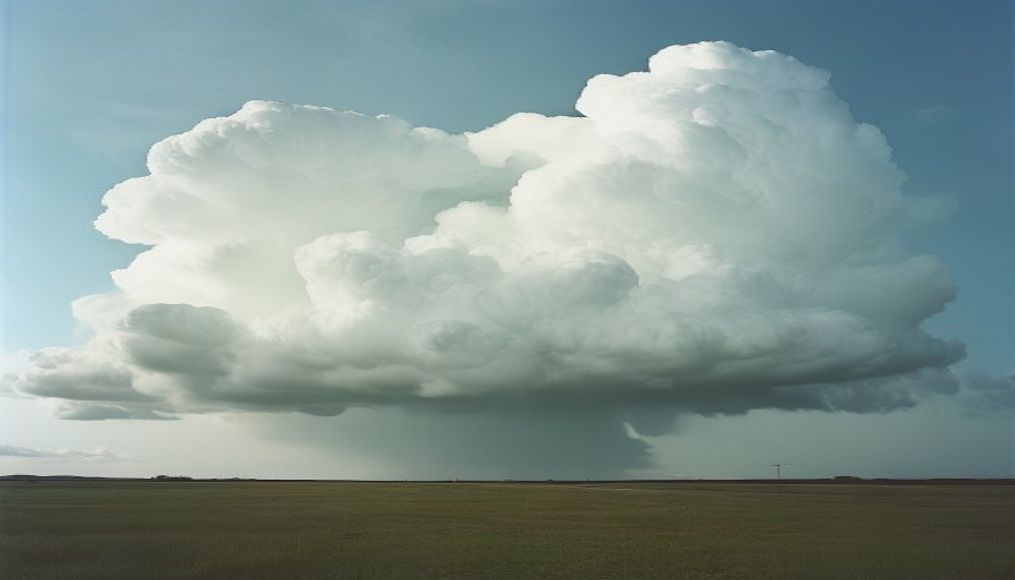
The formation of a haboob is directly linked to thunderstorms. Cold, dense air descends rapidly, spreads upon hitting the ground, and drags loose dust and sand particles. This dust wall travels at speeds between 30 and 80 km/h, dramatically reducing visibility to a few meters. Meteorological data show that haboobs in Sudan can last from 30 minutes to several hours, while in Arizona they are most frequent between June and September during the North American monsoon.
Beyond visibility impacts, haboobs pose respiratory health risks as fine particles can reach the lungs. They also disrupt air and road traffic, and can damage crops and equipment. Interestingly, these events are ecologically important: they transport nutrients like phosphorus and iron to distant regions, such as the Amazon, where they contribute to soil fertility. Culturally, haboobs have been mentioned in Arabic and African historical records for centuries, and local names like 'simoom' in Egypt or 'harmattan' in West Africa refer to variations of the same phenomenon.
Frequently Asked Questions
What causes a haboob?
A haboob is caused by a cold downdraft from a thunderstorm. When this air mass hits the ground, it spreads rapidly, lifting loose dust and sand to form a dense wall of particles.
Where are haboobs most common?
Haboobs are most common in arid and semi-arid regions such as the Sahara Desert in Africa, the Arabian Peninsula, Sudan, and Arizona in the United States. They occur especially during storm and monsoon seasons.
What are the dangers of a haboob?
Main dangers include drastic reduction in visibility, respiratory risks from inhaling fine particles, disruption of air and road travel, and damage to crops and infrastructure.
Direct URL
https://pub-c7d6a6ea828543ac903a74a341ccb2e1.r2.dev/imagens/sandstorm-desert-haboob-commercial-product-photography-p0.avifHow to credit
Include a visible link back to UtilizAí. Copy one of the snippets below:
<a href="https://xn--utiliza-eza.com/en/midia/imagens/sandstorm-desert-haboob-commercial-product-photography-p0">Sandstorm desert haboob</a> by <a href="https://xn--utiliza-eza.com">UtilizAí</a>, licensed under <a href="https://creativecommons.org/licenses/by/4.0/">CC BY 4.0</a>.
[Sandstorm desert haboob](https://xn--utiliza-eza.com/en/midia/imagens/sandstorm-desert-haboob-commercial-product-photography-p0) by [UtilizAí](https://xn--utiliza-eza.com), CC BY 4.0
License: CC-BY-4.0