Sandgrain microscope closeup
1344×768 · AVIF · CC BY 4.0
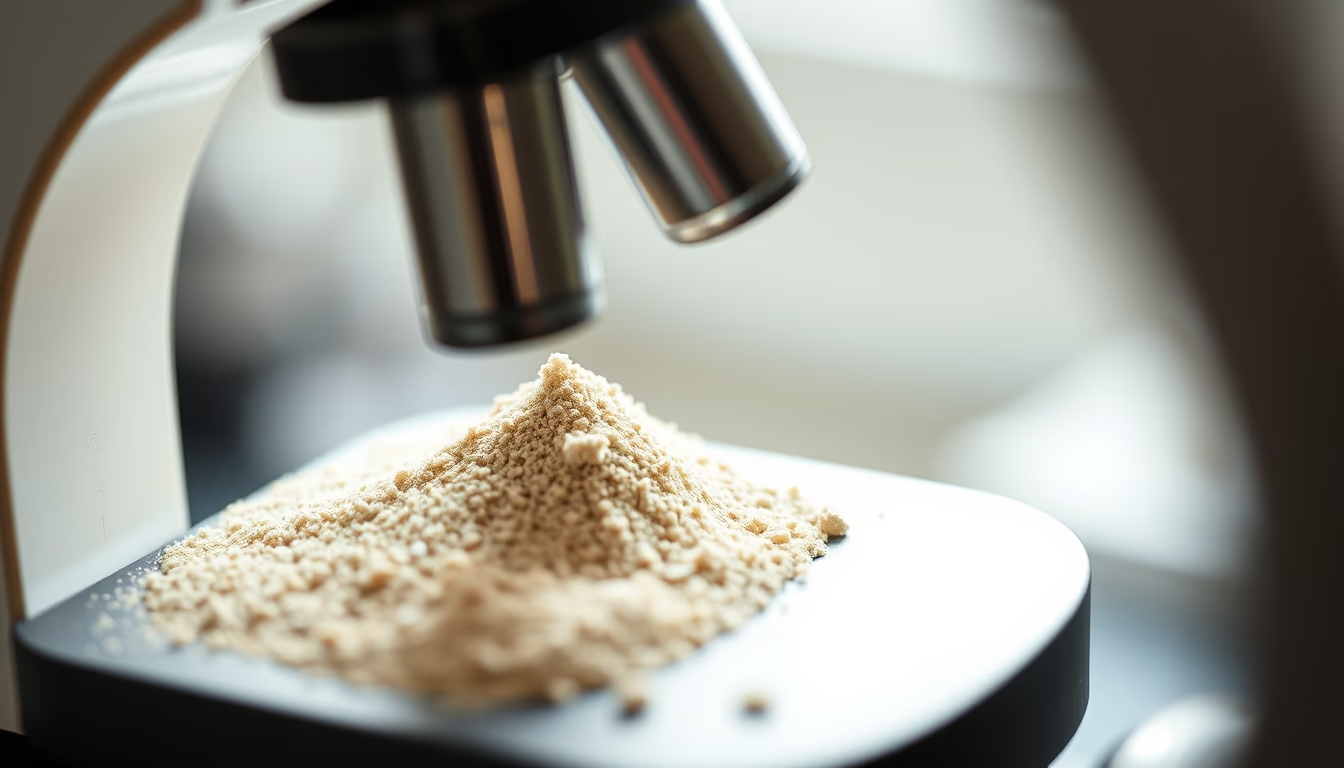
A sand grain viewed under microscopy reveals complex structure with unique colors and shapes, showcasing the mineralogical and biological diversity hidden in each particle.
About this subject
Sand grains are fragments of rocks, minerals, and shells that have undergone weathering over thousands of years. Under a microscope, each grain reveals a unique landscape: rough surfaces, conchoidal fractures, rounding by wind or water transport, and inclusions of other minerals. Chemical composition varies by geological source. In Brazil, famous beaches like Ipanema or Jericoacoara have high quartz content, while volcanic regions produce dark grains of basalt or olivine. Biology also leaves its mark: foraminifera, sponge spicules, and coral fragments are common in marine sands. Each grain tells an eroded story, making microscopic observation a powerful tool for geologists, archaeologists, and forensic scientists. Optical or electron microscopy can identify not only shape but also wear patterns and elemental composition. Interestingly, sand is the second most consumed natural resource in the world after water, essential for concrete, glass, and electronics. Growing demand has led to environmental conflicts and illegal exploitation in many countries. A single image of a sand grain under a microscope can therefore symbolize both nature's beauty and the challenges of global sustainability.
Frequently Asked Questions
What determines the color of a sand grain under a microscope?
Color depends on mineral composition. Colorless or white quartz, pink feldspar, black magnetite, green olivine, and shell fragments produce various hues. Impurities like iron oxides can add reddish or yellowish tones.
Why are sand grains important for scientific research?
They serve as indicators of geological processes, transport, and sedimentation. Microscopic analysis helps reconstruct past environments, identify sediment sources, and even solve crimes (forensics).
Is sand a renewable resource?
No. Although the erosion cycle produces new grains, current consumption far exceeds natural replenishment, especially for construction sand. Excessive mining causes ecological damage and scarcity in many regions.
Direct URL
https://pub-c7d6a6ea828543ac903a74a341ccb2e1.r2.dev/imagens/sandgrain-microscope-closeup-documentary-photography-p3.avifHow to credit
Include a visible link back to UtilizAí. Copy one of the snippets below:
<a href="https://xn--utiliza-eza.com/en/midia/imagens/sandgrain-microscope-closeup-documentary-photography-p3">Sandgrain microscope closeup</a> by <a href="https://xn--utiliza-eza.com">UtilizAí</a>, licensed under <a href="https://creativecommons.org/licenses/by/4.0/">CC BY 4.0</a>.
[Sandgrain microscope closeup](https://xn--utiliza-eza.com/en/midia/imagens/sandgrain-microscope-closeup-documentary-photography-p3) by [UtilizAí](https://xn--utiliza-eza.com), CC BY 4.0
License: CC-BY-4.0