Samurai katana
1344×768 · AVIF · CC BY 4.0
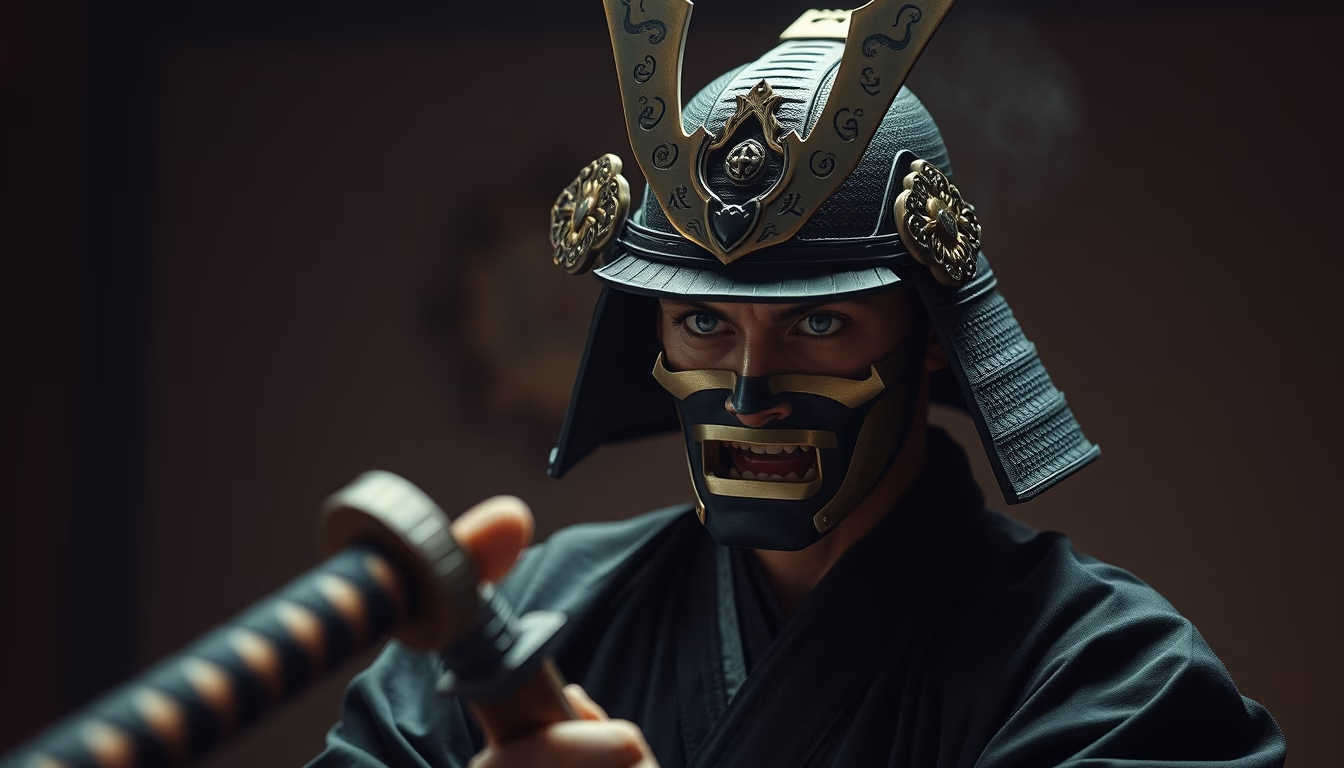
The katana is a curved, single-edged Japanese sword, symbol of the samurai and icon of feudal Japan's martial culture.
About this subject
The katana is a Japanese sword with a curved, single-edged blade, traditionally used by samurai in feudal Japan. It emerged around the 14th century during the Muromachi period, evolving from earlier swords like the tachi. The blade is forged from tamahagane steel, produced in traditional tatara furnaces, undergoing repeated folding and hammering to remove impurities and create layers that confer strength and flexibility.
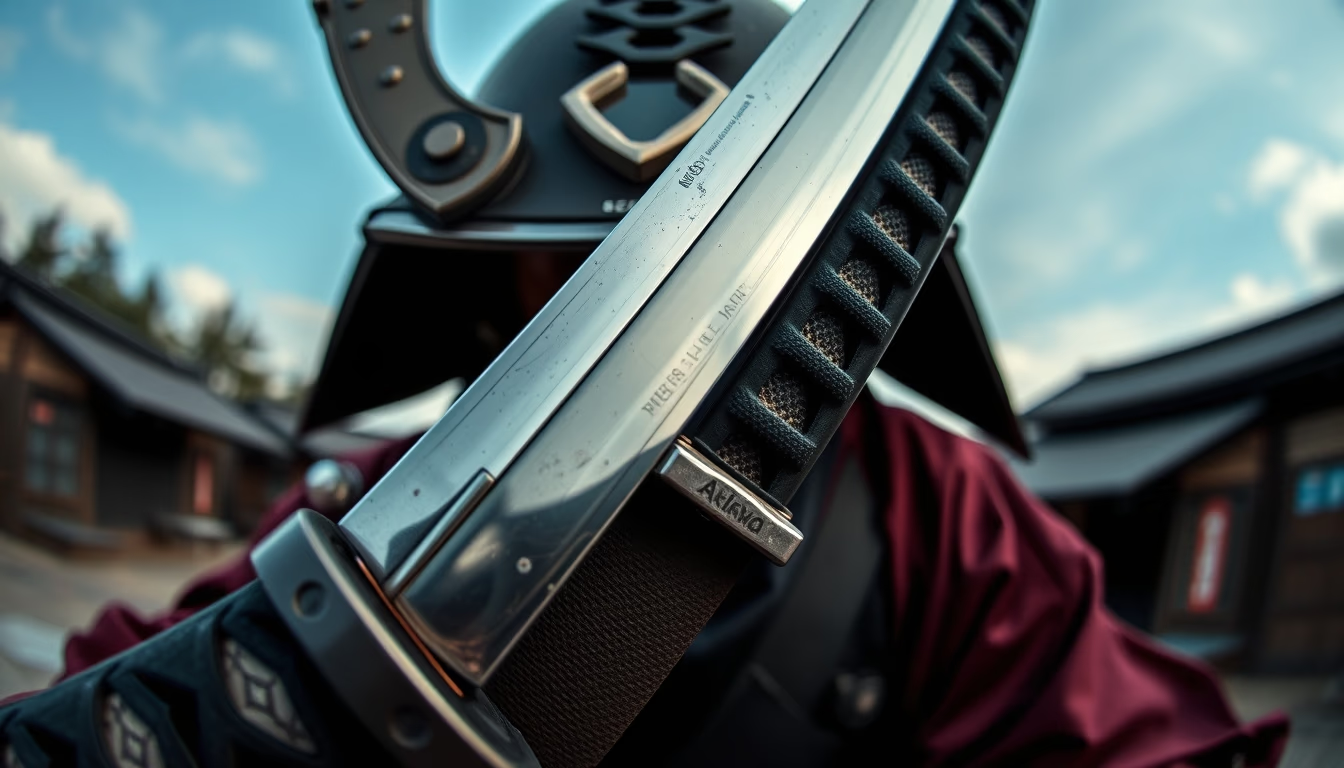
The forging process of a katana is highly ritualized and can take months. The smith (kajishi) heats, folds, and hammers the steel dozens of times, creating a structure of thousands of layers. The blade receives a differential heat treatment: the back (mune) is coated with thicker clay to cool slowly, remaining softer and absorbing shock, while the edge (ha) is quenched rapidly, becoming extremely hard and sharp. This process creates the hamon (temper line), a unique wavy pattern that also has aesthetic value and indicates the sword's quality.
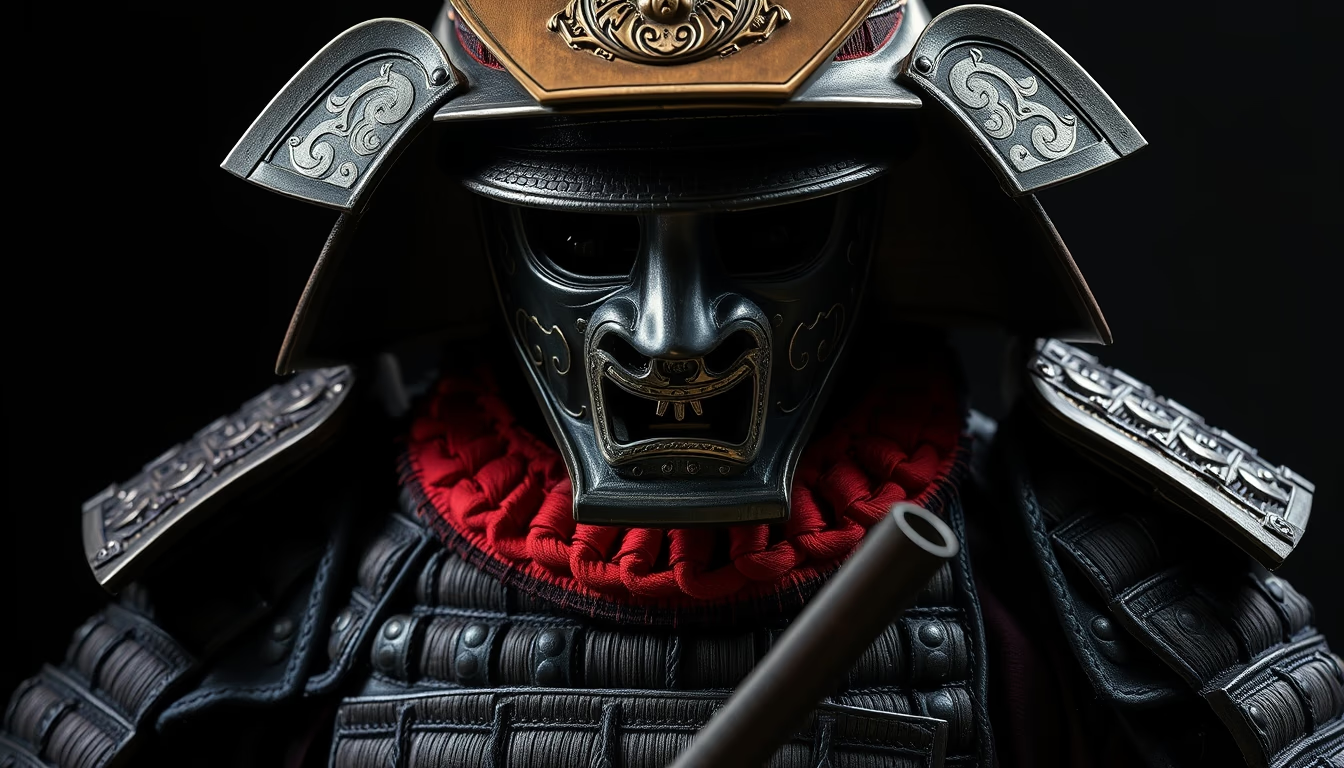
Culturally, the katana was not just a weapon but the soul of the samurai. The sword was believed to embody the warrior's spirit and was treated with almost religious respect. It was worn together with a smaller blade (wakizashi) forming the daisho, a symbol of samurai status. After the fall of the feudal system and the prohibition of sword carrying in the Meiji period (1876), the katana became an object of art and martial practice. Today, it is still produced by licensed artisans, and many antique katanas are designated National Treasures of Japan.
Beyond historical use, the katana has deeply influenced global pop culture, appearing in films, comics, and games. Its reputation for cutting through almost anything, though exaggerated in many media, is based on metallurgical excellence and ergonomic design that enables fast, precise strikes. The tsuka (handle) is wrapped in silk or cotton cord (ito) in specific patterns, and the tsuba (guard) often features artistic motifs, making each katana a functional work of art.
Frequently Asked Questions
How long does it take to forge a traditional katana?
Forging a traditional katana can take from a few months to over a year, depending on complexity and the smith. The process involves steel preparation, repeated folding, shaping, differential hardening, polishing, and assembly.
Are modern katanas as good as antique ones?
Modern katanas made by licensed artisans use traditional techniques and high-quality steel, achieving excellence comparable to antiques. However, historical katanas have unique cultural and historical value, often protected as cultural properties.
What is the difference between a katana and a tachi?
The main difference lies in how they are worn: the katana is worn edge-up thrust through the obi, while the tachi is suspended edge-down. The katana also typically has a gentler curve and slightly shorter blade, developed for foot combat.
Direct URL
https://pub-c7d6a6ea828543ac903a74a341ccb2e1.r2.dev/imagens/samurai-katana-lo-fi-disposable-camera-p7.avifHow to credit
Include a visible link back to UtilizAí. Copy one of the snippets below:
<a href="https://xn--utiliza-eza.com/en/midia/imagens/samurai-katana-lo-fi-disposable-camera-p7">Samurai katana</a> by <a href="https://xn--utiliza-eza.com">UtilizAí</a>, licensed under <a href="https://creativecommons.org/licenses/by/4.0/">CC BY 4.0</a>.
[Samurai katana](https://xn--utiliza-eza.com/en/midia/imagens/samurai-katana-lo-fi-disposable-camera-p7) by [UtilizAí](https://xn--utiliza-eza.com), CC BY 4.0
License: CC-BY-4.0