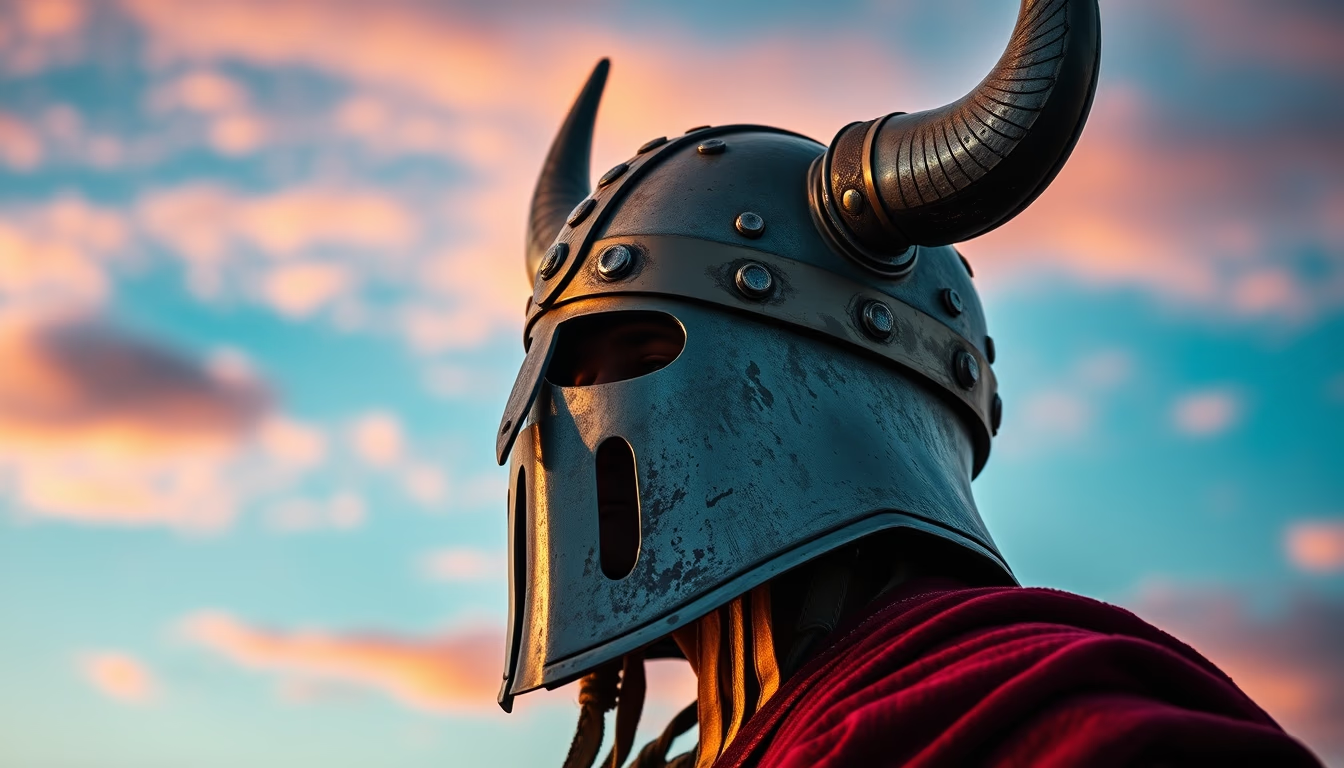
Samurai katana
1344×768 · AVIF · CC BY 4.0

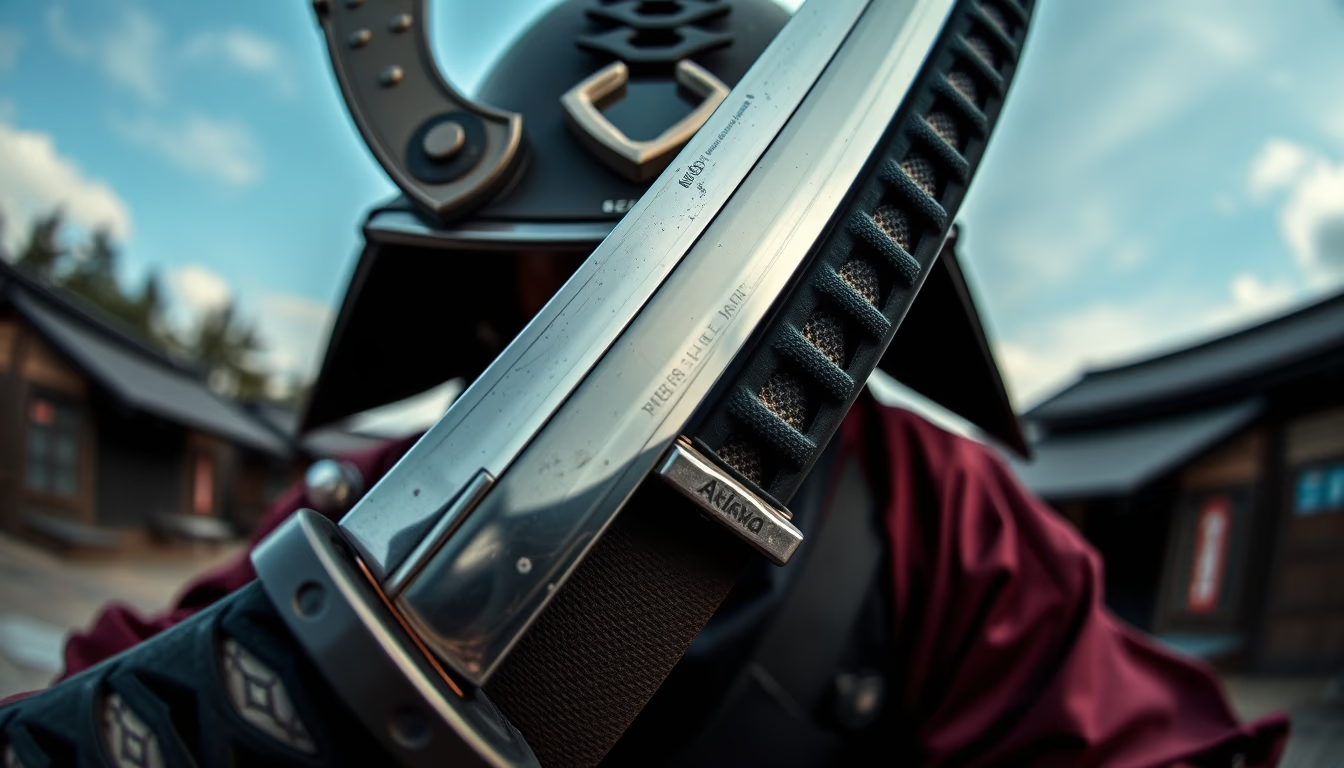
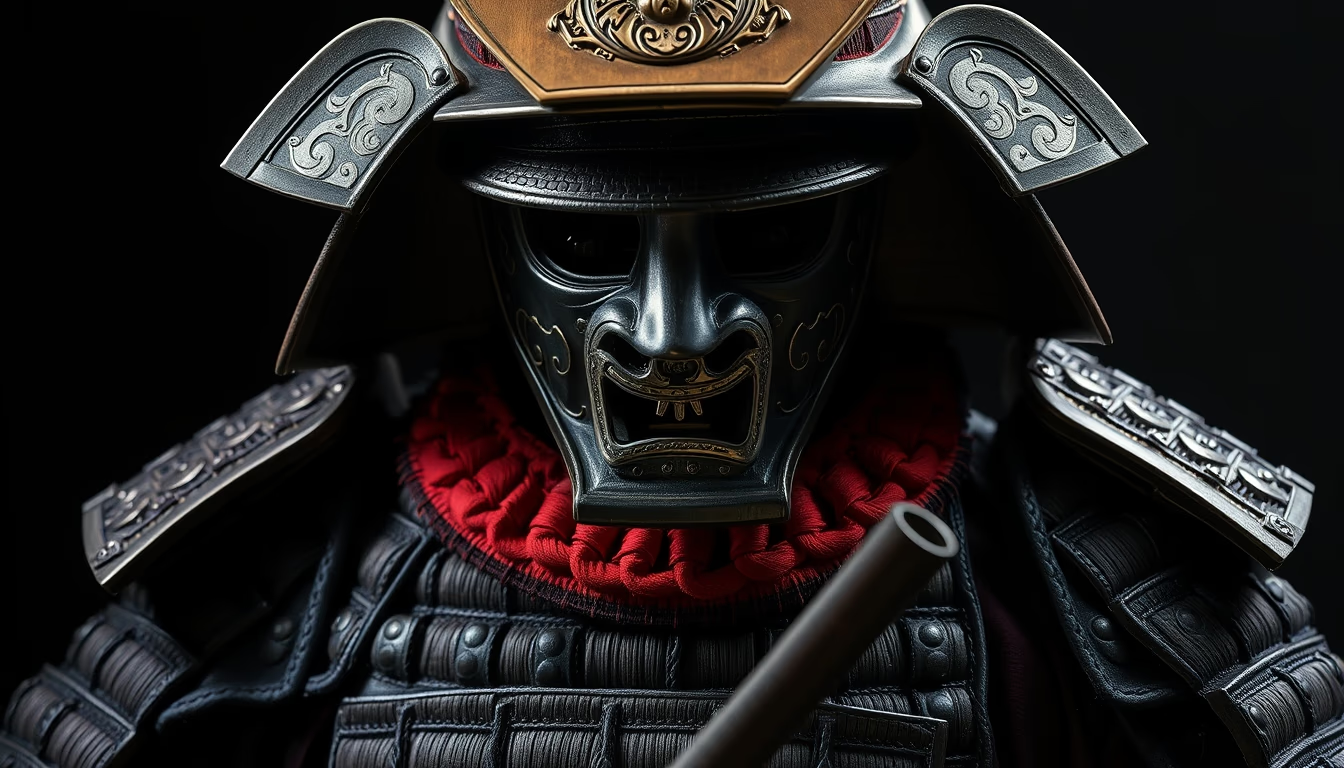
The samurai katana is a traditional Japanese sword, synonymous with precision and martial art, forged with centuries-old steel-folding techniques.
About this subject
The katana emerged during the Kamakura period (1185, 1333), when samurai needed a curved, efficient weapon for horseback combat. Its blade is made from tamahagane steel, produced in tatara furnaces, and is repeatedly folded and hammered to remove impurities and create a layered pattern that balances hardness with flexibility. The differential hardening process, where clay is applied before quenching, results in a razor-sharp edge and a softer spine that absorbs shock.
The katana was more than a weapon; it was the soul of the samurai. It symbolized honor, discipline, and the bushido code. The blade often bore a signature (mei) from the smith, attesting to its origin and quality. During the Edo period, katana use was restricted to the warrior class, reinforcing its status as a symbol of prestige. After the samurai system was abolished in the 19th century, katana continued to be produced as art and cultural heritage.
Today, authentic katanas are classified as art objects and can be worth thousands of dollars. Traditional forging techniques are preserved by master smiths designated as Living National Treasures. The katana has also influenced global pop culture, appearing in films, anime, and video games, but its true essence lies in the combination of lethal functionality and artisanal beauty.
Frequently Asked Questions
What is the difference between a katana and other Japanese swords?
The katana is distinguished by its length (over 60 cm), pronounced curvature, and two-handed grip. Other swords include the wakizashi (shorter) and tanto (knife), often worn together as daisho.
How long does it take to forge a katana?
A traditional katana can take from two weeks to several months, involving steps such as steel preparation, folding, quenching, polishing, and mounting. The final polishing alone can take weeks.
How can you identify an authentic katana?
Look for the temper line (hamon), the smith's signature (mei) on the tang (nakago), and a natural curvature. Modern katanas are usually forged from high-carbon steel, while cheap replicas use stainless steel.
Direct URL
https://pub-c7d6a6ea828543ac903a74a341ccb2e1.r2.dev/imagens/samurai-katana-high-fashion-editorial-p4.avifHow to credit
Include a visible link back to UtilizAí. Copy one of the snippets below:
<a href="https://xn--utiliza-eza.com/en/midia/imagens/samurai-katana-high-fashion-editorial-p4">Samurai katana</a> by <a href="https://xn--utiliza-eza.com">UtilizAí</a>, licensed under <a href="https://creativecommons.org/licenses/by/4.0/">CC BY 4.0</a>.
[Samurai katana](https://xn--utiliza-eza.com/en/midia/imagens/samurai-katana-high-fashion-editorial-p4) by [UtilizAí](https://xn--utiliza-eza.com), CC BY 4.0
License: CC-BY-4.0