Samurai katana
1344×768 · AVIF · CC BY 4.0
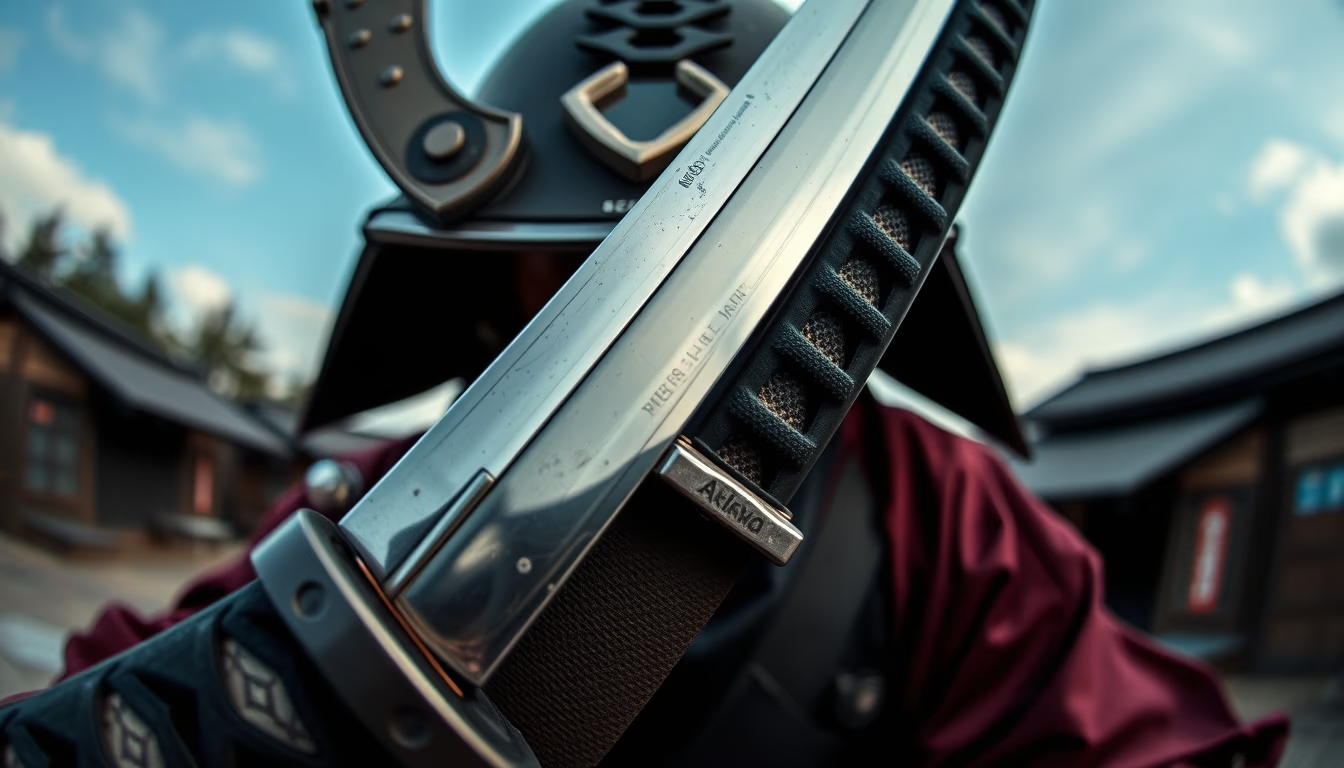
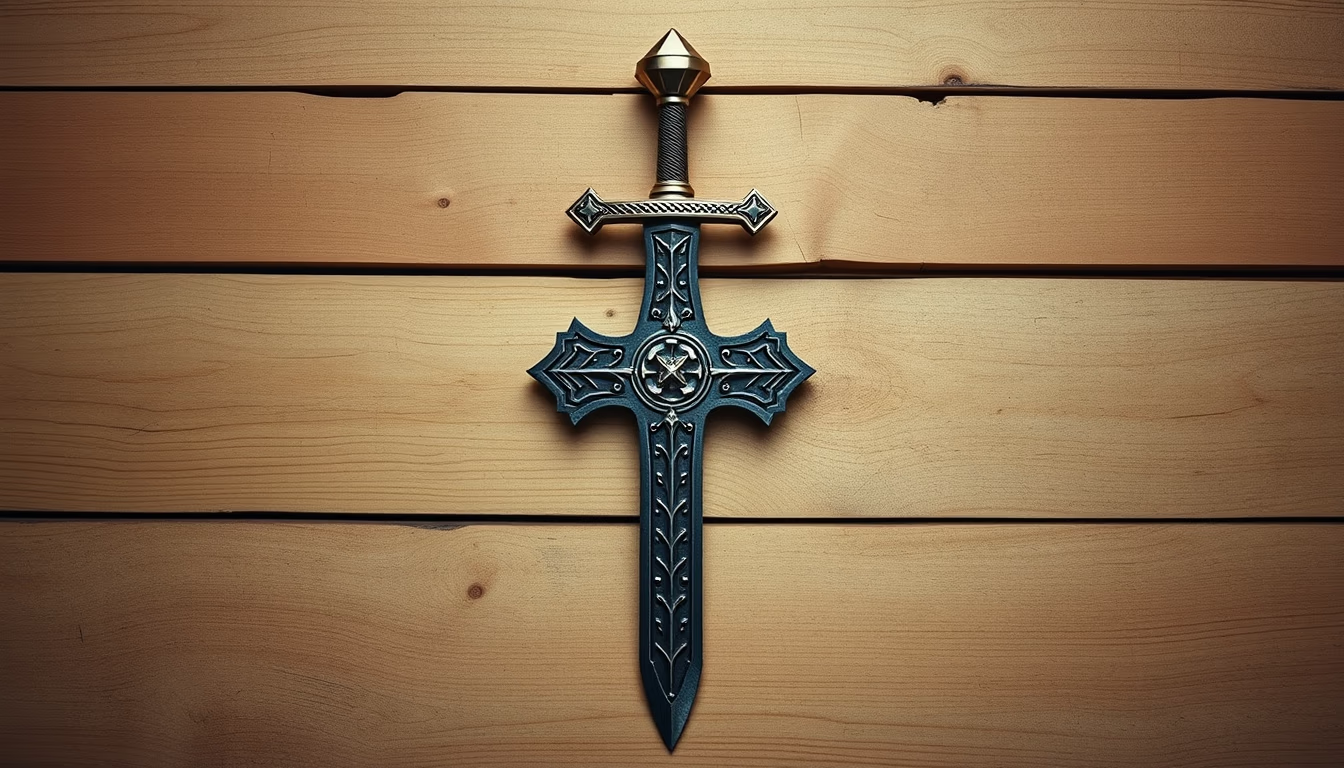
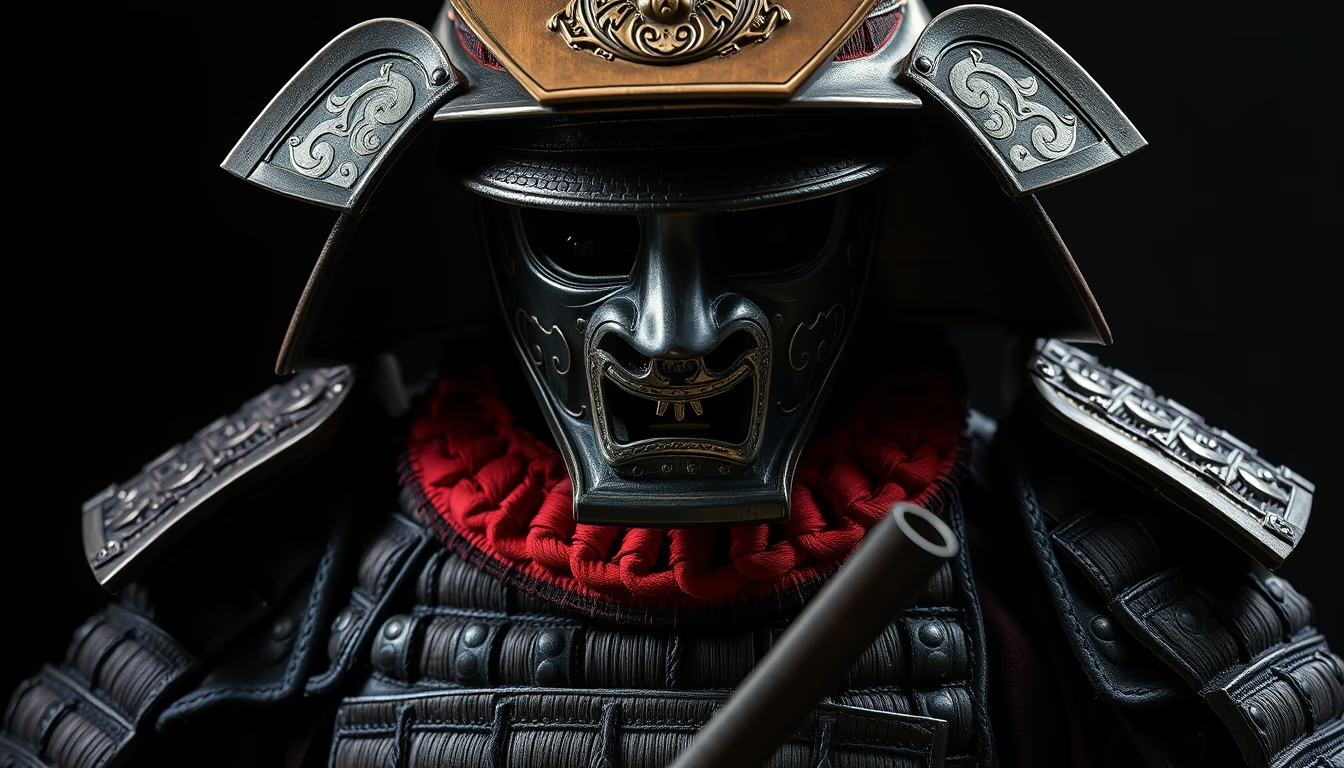
The samurai katana is a curved, single-edged sword, symbol of the Japanese warrior class and a masterpiece of traditional metallurgy.
About this subject
The katana is a Japanese sword characterized by a curved, single-edged blade, used by samurai during Japan's feudal period (roughly 14th to 19th centuries). Unlike other world swords, the katana is forged from tamahagane steel, a high-carbon steel obtained from iron sand (satetsu) through the tatara process. The forging process involves repeatedly folding and hammering the metal, creating thousands of layers that give the blade hardness and flexibility. Final polishing is done with water stones, revealing the hamon (temper pattern) unique to each sword.
The katana was not only a weapon but also a symbol of the samurai's status and soul. The Bushido code considered the sword as the warrior's very essence. The blade was often decorated with gold and silver details, and the hilt (tsuka) was wrapped in ray skin and braided silk. The sword's name often reflected its history or owner.
Historically, the katana rose to prominence during the Muromachi period (1336-1573) and reached its technical peak in the Edo period (1603-1868). With the end of feudalism and the 1876 prohibition of carrying swords (Haitorei Edict), traditional katana production declined. However, the forging art was preserved by master swordsmiths (tosho) and is now recognized as an Intangible Cultural Property of Japan. Antique katanas are valued not only for their condition but also for the forger's signature (mei) and the quality of the steel.
A verifiable curiosity: cutting tests (tameshigiri) were common to test blade effectiveness, using rolled rice straw mats or, historically, the bodies of criminals. The famous Honjo Masamune katana, forged by the legendary master Masamune, is considered a National Treasure of Japan, though its whereabouts have been unknown since World War II.
Frequently Asked Questions
What is the difference between a katana and a tachi?
A katana is a curved blade over 60 cm long worn with the cutting edge up, while a tachi is an older, usually longer sword worn with the edge down. The katana emerged as a more practical version for close combat.
How long does it take to forge a traditional katana?
Forging a traditional katana can take from 6 months to 2 years, depending on complexity and craftsman skill. It involves steel preparation, folding, tempering, polishing, and assembly.
Are katanas still produced today?
Yes, under strict regulations. In Japan, only licensed masters can produce traditional katanas, mainly for artistic or ceremonial purposes. Modern reproductions are also made in other countries.
Direct URL
https://pub-c7d6a6ea828543ac903a74a341ccb2e1.r2.dev/imagens/samurai-katana-fish-eye-wide-angle-p11.avifHow to credit
Include a visible link back to UtilizAí. Copy one of the snippets below:
<a href="https://xn--utiliza-eza.com/en/midia/imagens/samurai-katana-fish-eye-wide-angle-p11">Samurai katana</a> by <a href="https://xn--utiliza-eza.com">UtilizAí</a>, licensed under <a href="https://creativecommons.org/licenses/by/4.0/">CC BY 4.0</a>.
[Samurai katana](https://xn--utiliza-eza.com/en/midia/imagens/samurai-katana-fish-eye-wide-angle-p11) by [UtilizAí](https://xn--utiliza-eza.com), CC BY 4.0
License: CC-BY-4.0