Samurai armor detail
1344×768 · AVIF · CC BY 4.0
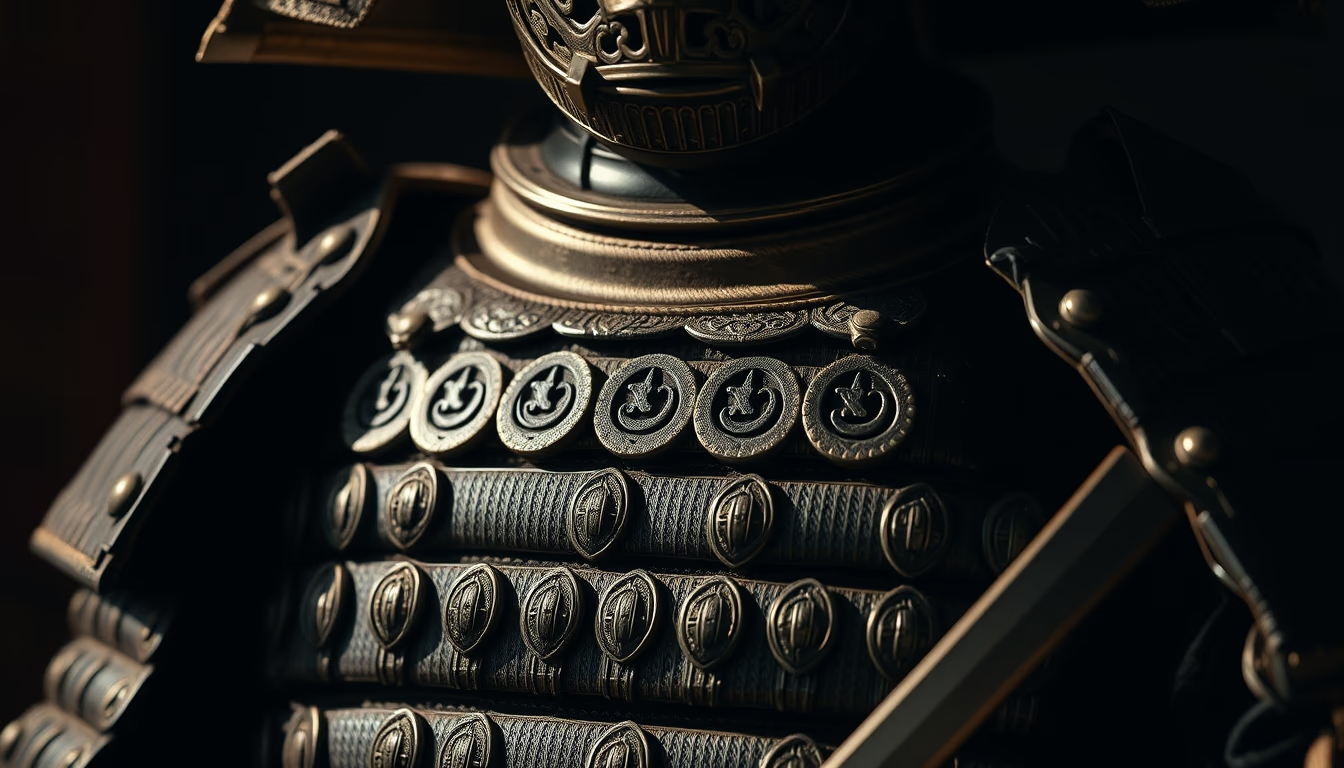
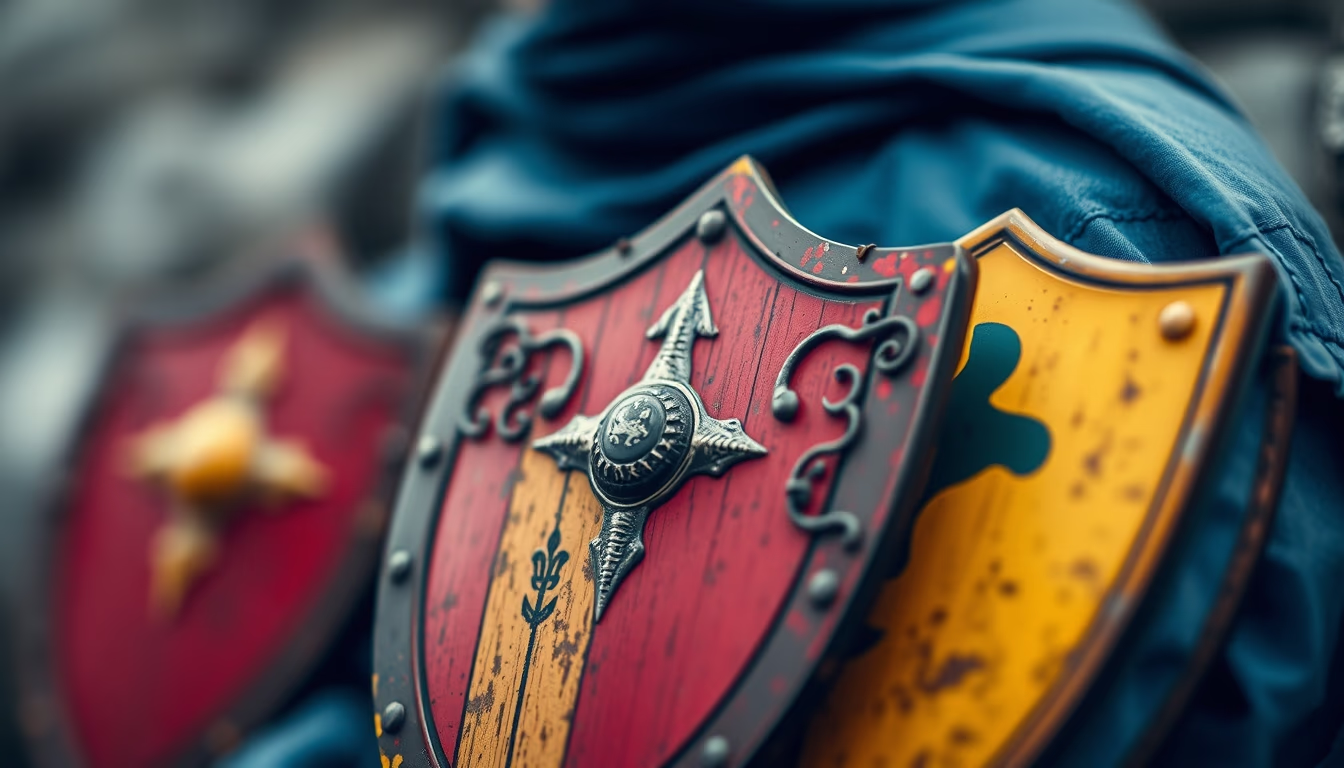
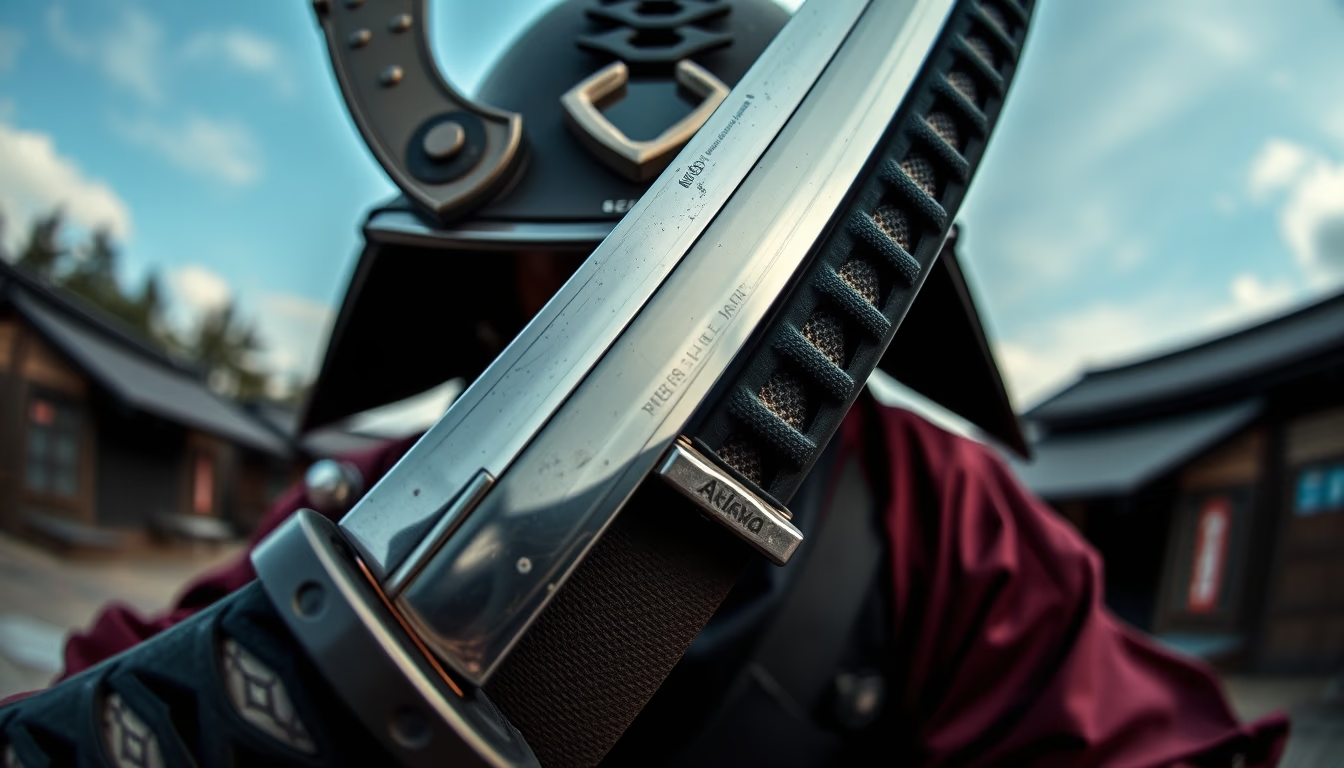
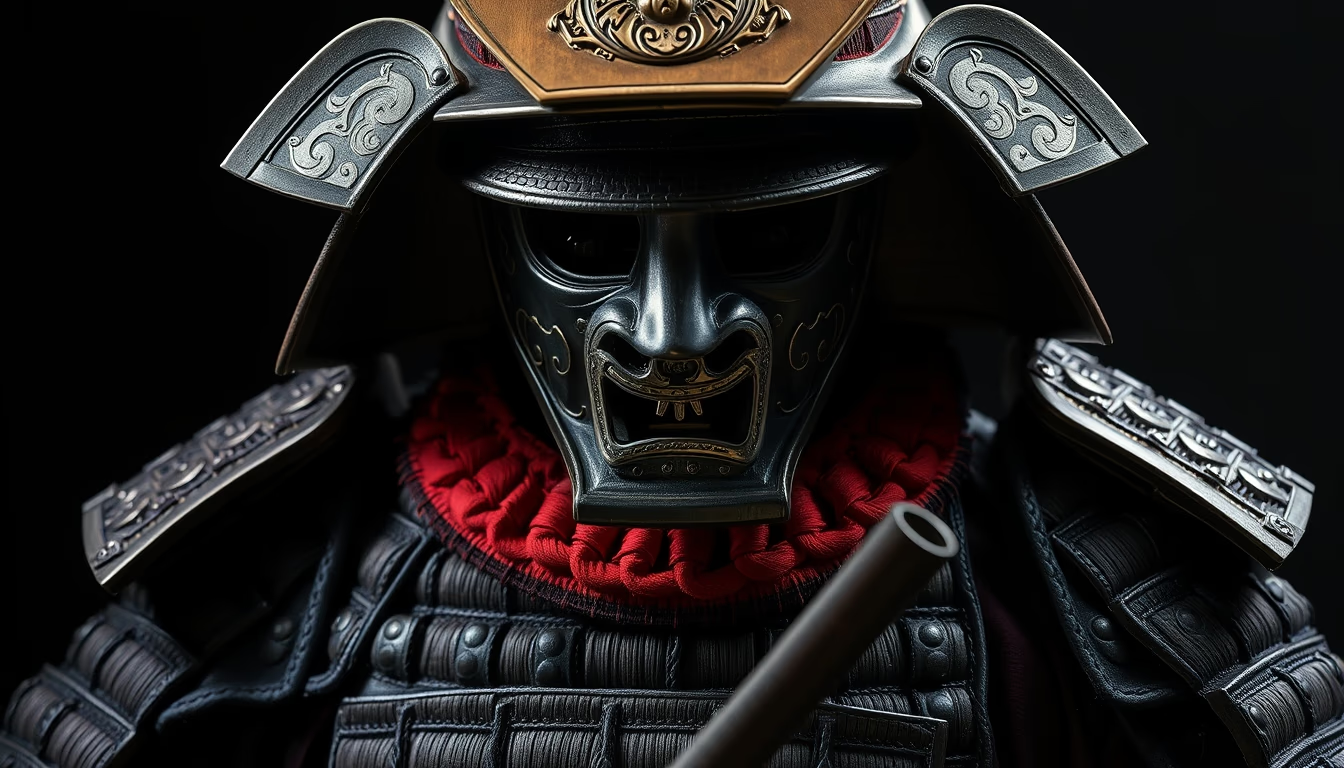
Details of samurai armor, such as odoshi lacing and urushi lacquer, reveal the technical and symbolic sophistication of Japanese warriors.
About this subject
Samurai armor, known as yoroi, was far more than physical protection; it was a statement of status, lineage, and martial values. Every component, from the kabuto helmet to the mengu face mask, was meticulously crafted by specialized artisans. The lacing detail (odoshi) used silk or leather cords woven into specific patterns, such as kikko (hexagonal) or asa-no-ha (hemp leaf), which not only bound metal or leather plates but also absorbed impact and provided flexibility. The urushi lacquer finish, applied over iron or leather plates, protected against moisture and corrosion, while allowing intricate decorations with gold powder (maki-e) or clan designs like the mon (crest).
The evolution of armor paralleled changes in Japanese warfare. During the Heian period (794-1185), yoroi was heavy and designed for cavalry combat, with large laced plates (kozane). In the Sengoku period (1467-1615), the introduction of firearms led to lighter, more resilient armor like the tosei gusoku, which incorporated solid plates (ita-mono) and stronger helmets. Details such as the shikoro (neck guard) and sode (shoulder guard) were adjustable, balancing protection and mobility. The kabuto, for instance, featured a crest (maedate) that identified the warrior, often with horns or religious symbols.
Materials varied by period and social class. High-ranking samurai used armor with lacquered leather and iron, adorned with gold and silver. Ashigaru (foot soldiers) wore simplified versions, like the okegawa do, made of riveted iron or leather strips. The silk threads of odoshi were not merely decorative: color and pattern indicated clan or rank. For example, red was used by the Date and Ishida clans, while light blue was associated with the Uesugi. Each knot and weave carried meaning, from spiritual protection to power display.
Interestingly, many samurai armor pieces were exported to Europe in the 16th century, influencing local goldsmiths and armorers. Today, original pieces are preserved in museums in Japan and the West, such as the Tokyo National Museum and the Metropolitan Museum of Art. The study of construction details, such as plate thickness, lacing type, and finishes, helps historians date and authenticate these masterpieces of metallurgy and design.
Frequently Asked Questions
How was samurai armor made?
Armor was assembled by specialized artisans who combined iron or lacquered leather plates, bound together with silk or leather lacing. The process included forging, applying urushi lacquer, and decorating with precious metals.
What materials were used in samurai armor?
The main materials were iron, leather, silk, urushi lacquer, gold, and silver. Iron provided protection, leather was used for flexible parts, and silk composed the odoshi lacing.
What did the decorative details on the armor symbolize?
Details like the mon (crest) and odoshi colors indicated the clan, social status, and loyalty of the samurai. Religious symbols, such as dragons and phoenixes, were also common for spiritual protection and power display.
Direct URL
https://pub-c7d6a6ea828543ac903a74a341ccb2e1.r2.dev/imagens/samurai-armor-detail-magazine-editorial-p3.avifHow to credit
Include a visible link back to UtilizAí. Copy one of the snippets below:
<a href="https://xn--utiliza-eza.com/en/midia/imagens/samurai-armor-detail-magazine-editorial-p3">Samurai armor detail</a> by <a href="https://xn--utiliza-eza.com">UtilizAí</a>, licensed under <a href="https://creativecommons.org/licenses/by/4.0/">CC BY 4.0</a>.
[Samurai armor detail](https://xn--utiliza-eza.com/en/midia/imagens/samurai-armor-detail-magazine-editorial-p3) by [UtilizAí](https://xn--utiliza-eza.com), CC BY 4.0
License: CC-BY-4.0