Samurai armor detail
1344×768 · AVIF · CC BY 4.0
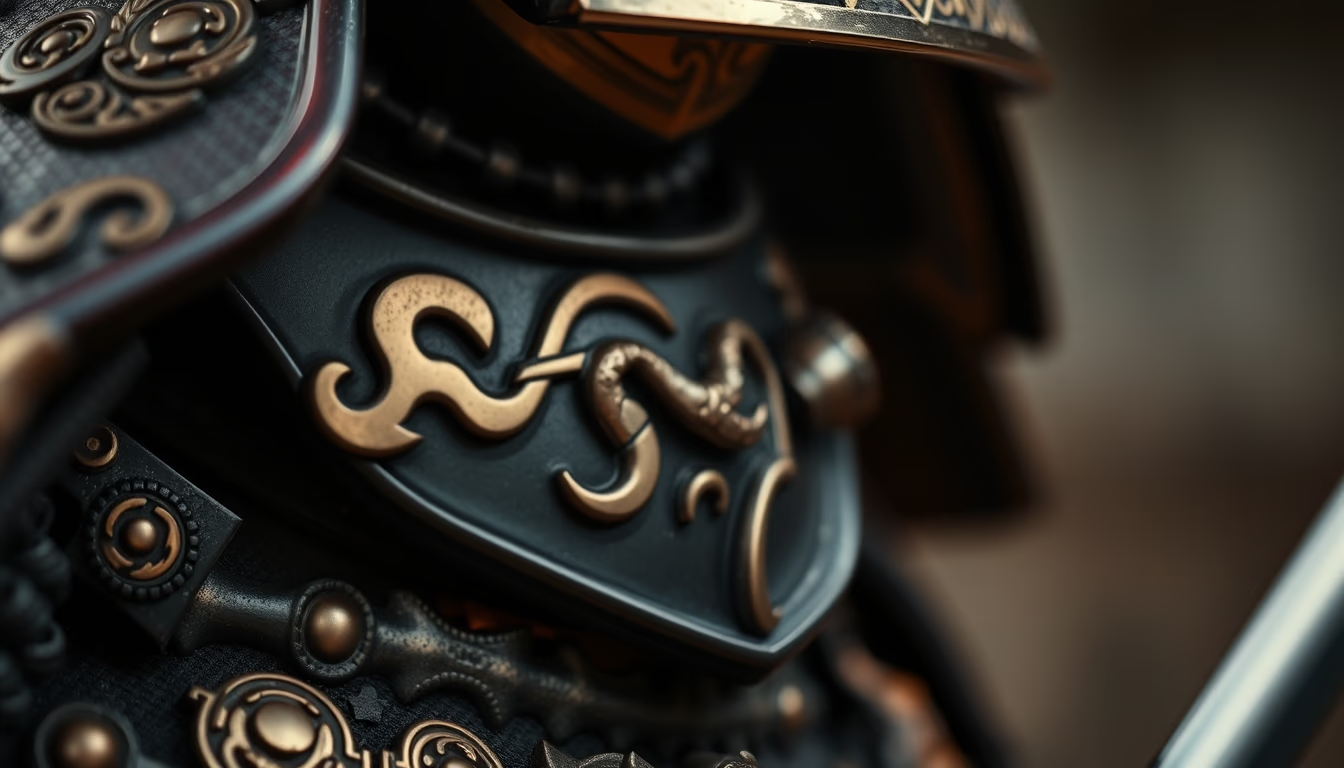
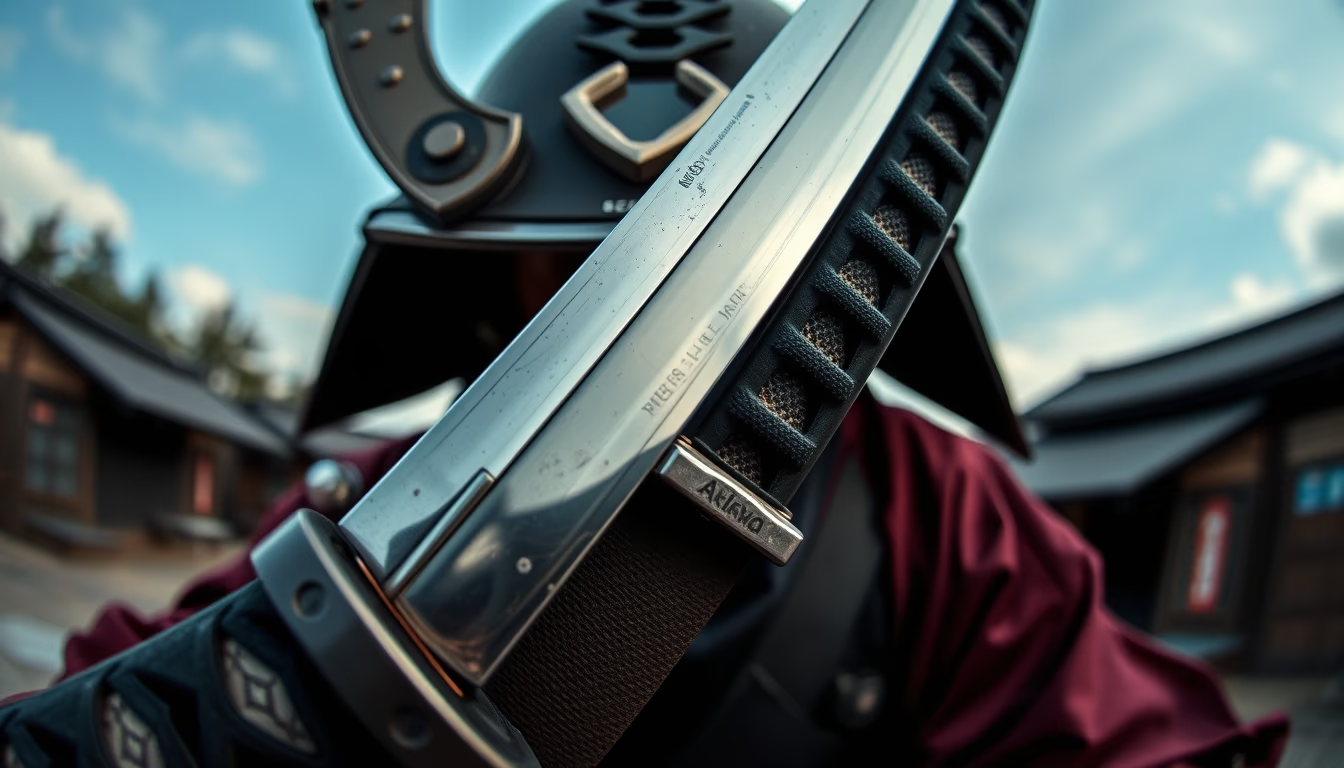
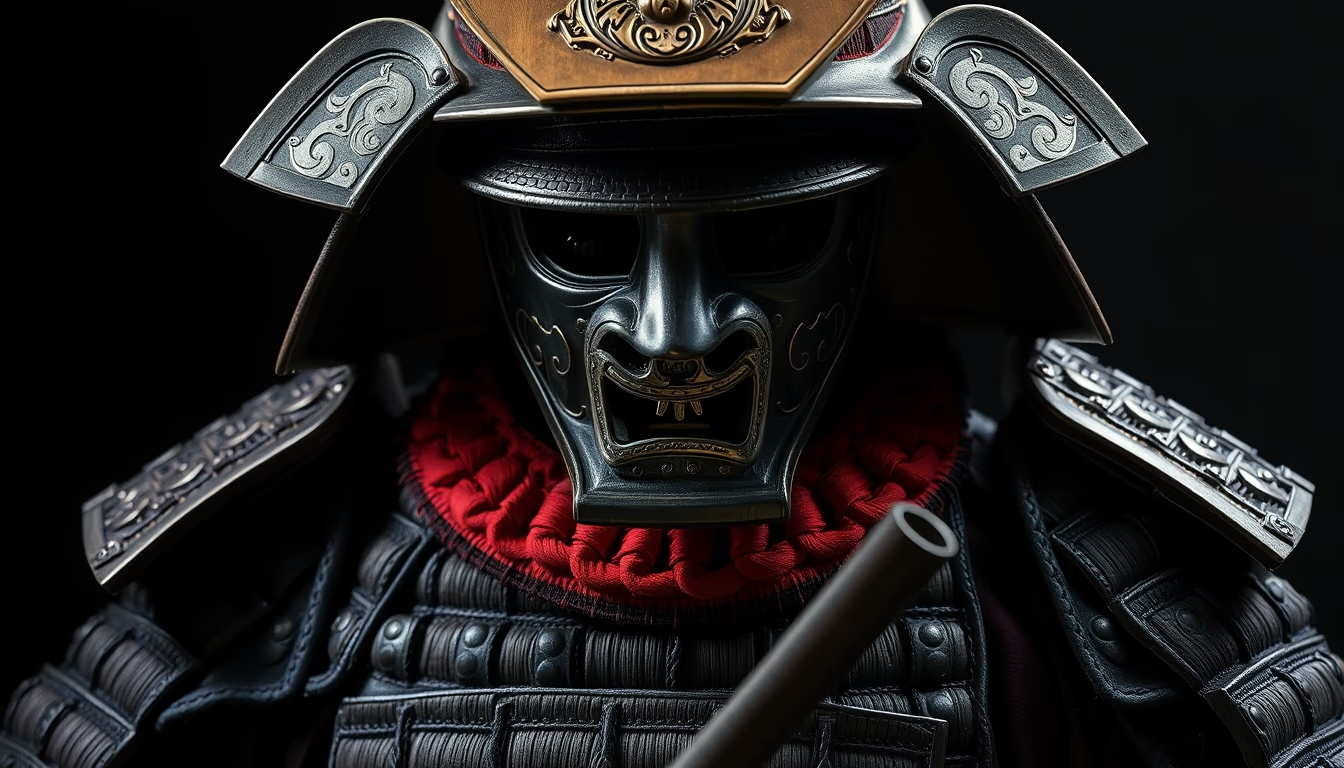
Intricate details of a Japanese samurai armor, revealing a combination of meticulous craftsmanship and cultural symbolism.
About this subject
Samurai armor, known as yoroi, represents one of the pinnacles of feudal Japanese military craftsmanship. Unlike European armor that relied on solid steel plates, yoroi was built with lacquered iron or leather lamellae laced together with silk cords (odoshi). This lamellar construction provided flexibility and durability while enabling clan identification through color and pattern choices. The helmet (kabuto) often featured a frontal crest (maedate) carved from metal or wood, depicting symbols like stag antlers, lunar crescents, or dragons, which carried spiritual and protective meanings.
Every detail of the armor had practical or symbolic purpose. The shikoro (neck guard) consisted of overlapping lamellae that deflected sword blows. The menpo (face mask) protected the face and sometimes incorporated mustaches or fierce expressions to intimidate opponents. Gilding or lacquering prevented rust and also reflected light, making the samurai more visible in battle, a display of courage. Armor design evolved over time, becoming more ornate during the Momoyama period (1568, 1600) and more functional during the Sengoku period (1467, 1615) when field battles demanded greater mobility.
A complete yoroi could take months to produce and involved multiple specialized artisans: smiths for the lamellae, lacquerers, silk weavers, and goldsmiths for embellishments. Many armors were true works of art passed down as family heirlooms. The clan crest (mon) was painted or inlaid on strategic areas like the chest plate (do) or helmet, allowing quick identification on the battlefield. Well-preserved examples are now displayed at museums such as the Tokyo National Museum or the Osaka Museum of Art, as well as private collections. The close-up detail captured here highlights the complexity of the odoshi knots and textures, a testament to the patience and skill of Japanese artisans.
Frequently Asked Questions
How were samurai armors made?
They were assembled using lacquered iron or leather lamellae laced together with silk cords (odoshi). Each piece was crafted by specialized artisans in metallurgy, lacquering, and weaving, and could take months to complete.
What was the purpose of decorative details on the armor?
Besides aesthetics, details identified the samurai's clan via the mon (crest), intimidated enemies with fierce masks, and displayed social status. Lacquering also protected against rust and moisture.
Were samurai armors effective in battle?
Yes, especially against bows and swords. The flexible design allowed good mobility while overlapping lamellae absorbed impacts. However, from the 16th century onward, the introduction of firearms made armors less effective, leading to adaptations like thicker lamellae.
Direct URL
https://pub-c7d6a6ea828543ac903a74a341ccb2e1.r2.dev/imagens/samurai-armor-detail-macro-closeup-p0.avifHow to credit
Include a visible link back to UtilizAí. Copy one of the snippets below:
<a href="https://xn--utiliza-eza.com/en/midia/imagens/samurai-armor-detail-macro-closeup-p0">Samurai armor detail</a> by <a href="https://xn--utiliza-eza.com">UtilizAí</a>, licensed under <a href="https://creativecommons.org/licenses/by/4.0/">CC BY 4.0</a>.
[Samurai armor detail](https://xn--utiliza-eza.com/en/midia/imagens/samurai-armor-detail-macro-closeup-p0) by [UtilizAí](https://xn--utiliza-eza.com), CC BY 4.0
License: CC-BY-4.0