Samurai armor detail
1344×768 · AVIF · CC BY 4.0
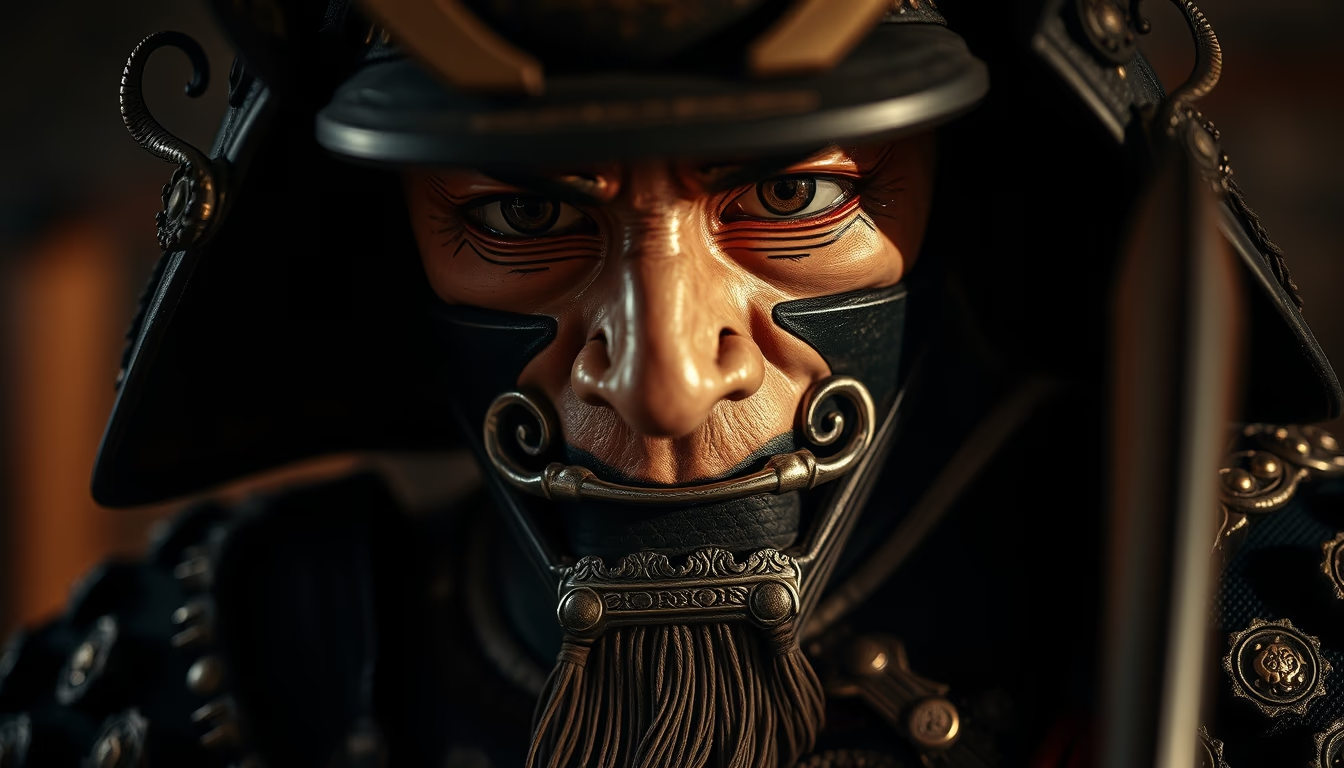
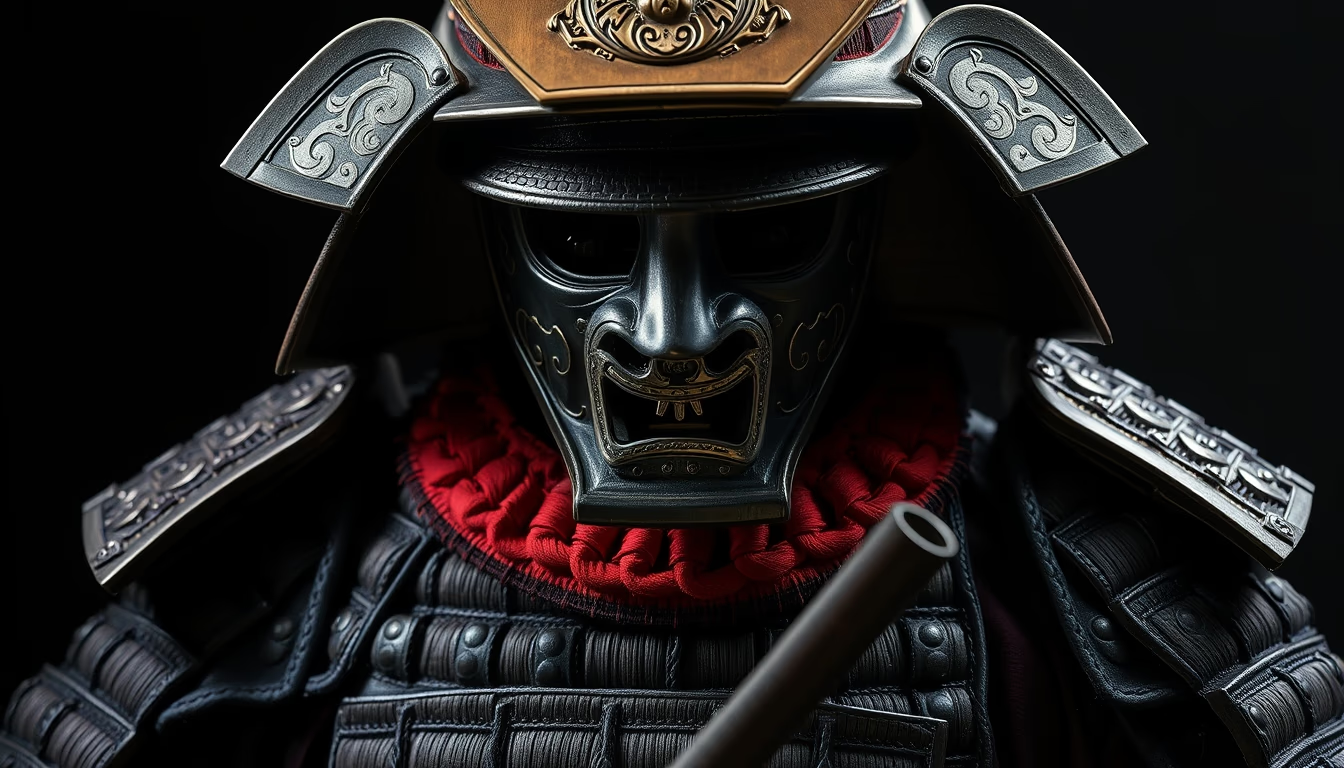
Intricate details of samurai armor, such as the cuirass (dō) and silk lacing (odoshi), reveal the blend of military functionality and decorative art in feudal Japan.
About this subject
Samurai armor, known as yoroi, was far more than battlefield protection. Every component, from the helmet (kabuto) to the face mask (mempo), was crafted with artisanal precision and carried symbolic weight. Details such as the iron or leather plates (kozane) laced together with silk cords (odoshi) not only provided mobility and resilience but also displayed the warrior's identity and lineage. The lamination process, where small scales were lacquered and bound to prevent rust, took months and was executed by specialized metalsmiths and lacquerers.
Ornaments like the mon (family crest) on the breastplate or kabuto indicated clan loyalty. Gilded details and precious metal inlays often drew inspiration from nature, such as dragons and chrysanthemums, or from Buddhist and Shinto motifs. The choice of odoshi colors had rules: white cords were common during mourning periods, while red symbolized courage.
Historically, armor evolved alongside military tactics. In the Heian Period (794-1185), yoroi were heavy and designed for horseback combat, with a skirt (kusazuri) protecting the thighs. By the Sengoku Period (1467-1615), lighter, more flexible models like the dō-maru appeared, wrapping the body instead of opening at the back. Details such as the throat guard (nodowa) and arm protections (kote) were refined to withstand firearm use.
Interestingly, a full suit weighed between 15 and 25 kilograms. Despite this, a trained samurai could perform acrobatic moves like jumps and rolls. Today, these preserved details in museums or private collections are studied by historians and admired as artworks that narrate the story of feudal Japan.
Frequently Asked Questions
How was samurai armor made?
It was made from iron or leather plates (kozane) laced with silk cords (odoshi) over a fabric base. The process involved blacksmiths, metalsmiths, and lacquer artisans for waterproofing, often taking months for a single suit.
What is the meaning of the colors and ornaments on the armor?
The colors of the cords (odoshi) and the crests (mon) indicated the clan, social rank, and even the samurai's emotional state. Dragons represented power, chrysanthemums symbolized nobility, and colors like red and gold evoked courage and prosperity.
Were samurai armors functional or merely decorative?
They were fully functional: they protected against sword cuts, arrows, and even bullet impacts in later versions. At the same time, they were art objects that conveyed status and family history, blending utility and aesthetics.
Direct URL
https://pub-c7d6a6ea828543ac903a74a341ccb2e1.r2.dev/imagens/samurai-armor-detail-fine-art-photography-p2.avifHow to credit
Include a visible link back to UtilizAí. Copy one of the snippets below:
<a href="https://xn--utiliza-eza.com/en/midia/imagens/samurai-armor-detail-fine-art-photography-p2">Samurai armor detail</a> by <a href="https://xn--utiliza-eza.com">UtilizAí</a>, licensed under <a href="https://creativecommons.org/licenses/by/4.0/">CC BY 4.0</a>.
[Samurai armor detail](https://xn--utiliza-eza.com/en/midia/imagens/samurai-armor-detail-fine-art-photography-p2) by [UtilizAí](https://xn--utiliza-eza.com), CC BY 4.0
License: CC-BY-4.0