Samurai armor detail
1344×768 · AVIF · CC BY 4.0
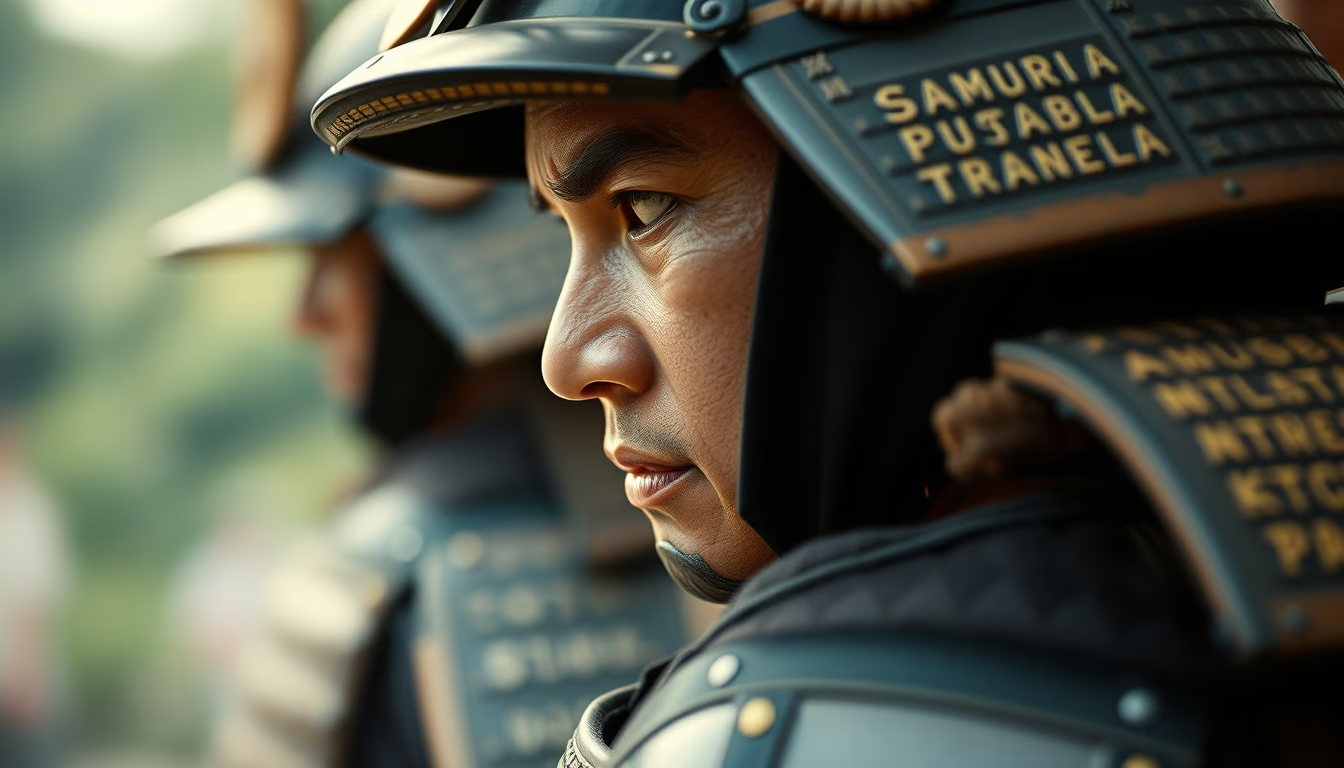
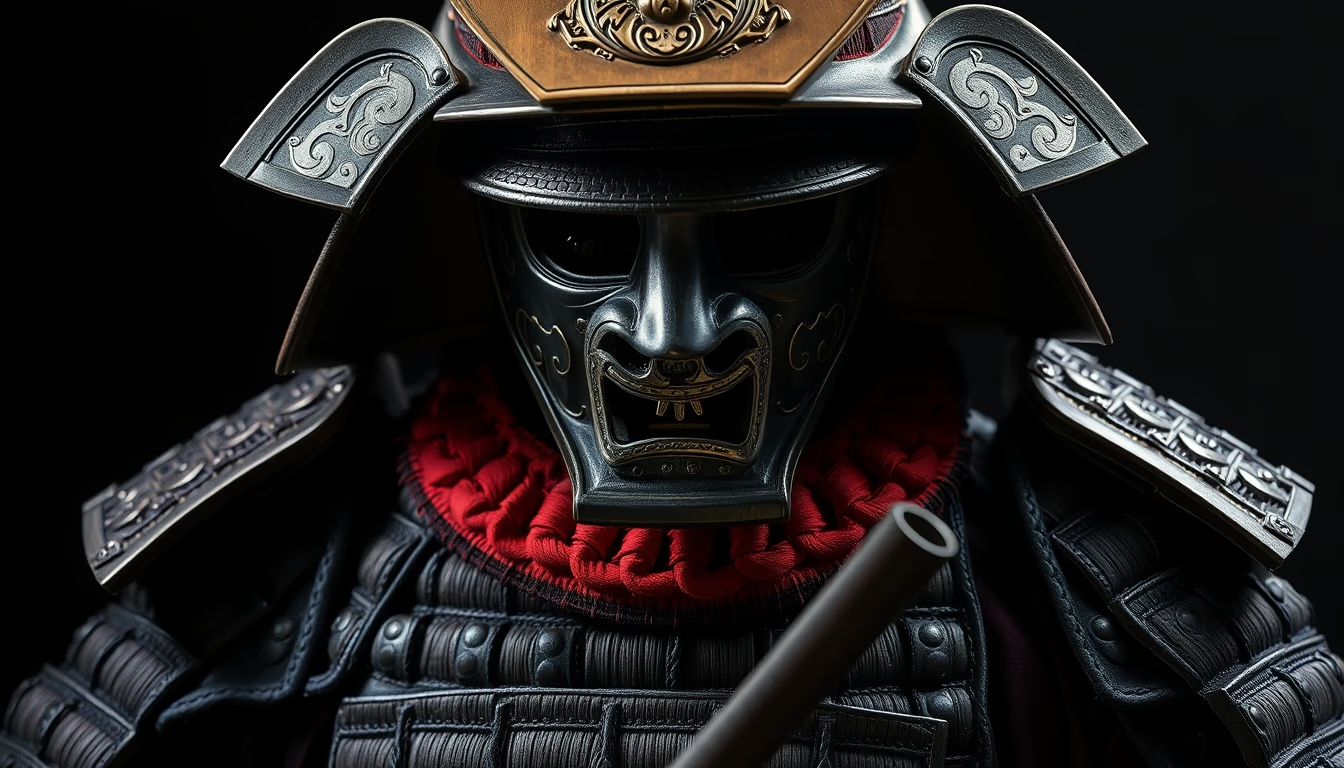
Intricate details of a samurai armor reveal the mastery of Japanese craftsmen. Explore materials, techniques, and symbolism.
About this subject
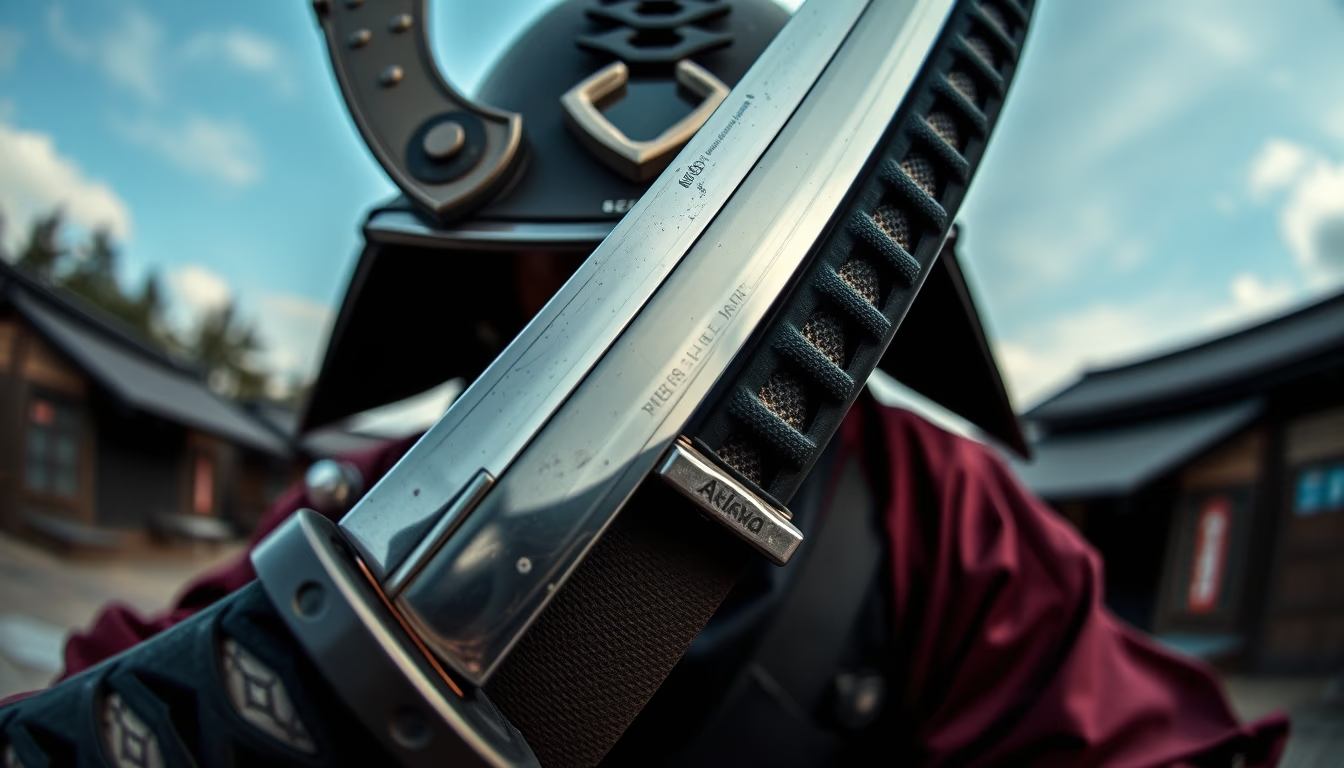
Samurai armor, or yoroi, is far more than battle protection; it is a work of art laden with symbolism and functionality. Each component was meticulously forged by specialized craftsmen using materials like iron, leather, silk, and lacquer. The metal plates, often lacquered to resist rust, were joined by interlaced silk cords that allowed mobility without compromising defense. The lacquer not only protected but also displayed the clan's colors and crests, making each armor unique.
The kabuto, or helmet, was the most iconic piece, often adorned with a frontal crest maedate symbolizing courage or lineage. The menpo face guard, with its metal mustache and teeth, served both to protect the face and intimidate enemies. The do, the main cuirass, was constructed from overlapping lamellae to absorb impacts from arrows and swords. Every detail, from rivets to ventilation holes, followed rigorous standards passed down through generations.
Samurai armor reached its peak during the Edo period (1603-1868), when civil wars declined and the arms industry transformed into a status symbol. Daimyos commissioned pieces with elaborate decorations, including gold inlays and lacquer landscapes or mythological motifs. Despite its beauty, a full suit could weigh between 15 and 25 kilograms, requiring intense training to wear in battle.
Today, these armors are national treasures in Japan, displayed in museums like the Tokyo National Museum. They represent the convergence of martial art and craftsmanship, where every rivet and lacing had purpose. Studying details such as engravings on plates or the texture of silk cords reveals centuries of technical and cultural evolution.
Frequently Asked Questions
What materials were used in samurai armor?
Iron, leather, silk, and lacquer were primary. Metal plates were lacquered to prevent rust, and silk cords joined the pieces allowing flexibility.
How heavy was a full samurai armor?
Between 15 and 25 kilograms, depending on style and materials. The weight required rigorous training for the samurai to move and fight effectively.
What was the purpose of the menpo face guard?
To protect the face from strikes and arrows, and to intimidate the enemy. Many featured metal mustaches and teeth for a fearsome appearance.
Direct URL
https://pub-c7d6a6ea828543ac903a74a341ccb2e1.r2.dev/imagens/samurai-armor-detail-film-grain-authentic-p9.avifHow to credit
Include a visible link back to UtilizAí. Copy one of the snippets below:
<a href="https://xn--utiliza-eza.com/en/midia/imagens/samurai-armor-detail-film-grain-authentic-p9">Samurai armor detail</a> by <a href="https://xn--utiliza-eza.com">UtilizAí</a>, licensed under <a href="https://creativecommons.org/licenses/by/4.0/">CC BY 4.0</a>.
[Samurai armor detail](https://xn--utiliza-eza.com/en/midia/imagens/samurai-armor-detail-film-grain-authentic-p9) by [UtilizAí](https://xn--utiliza-eza.com), CC BY 4.0
License: CC-BY-4.0