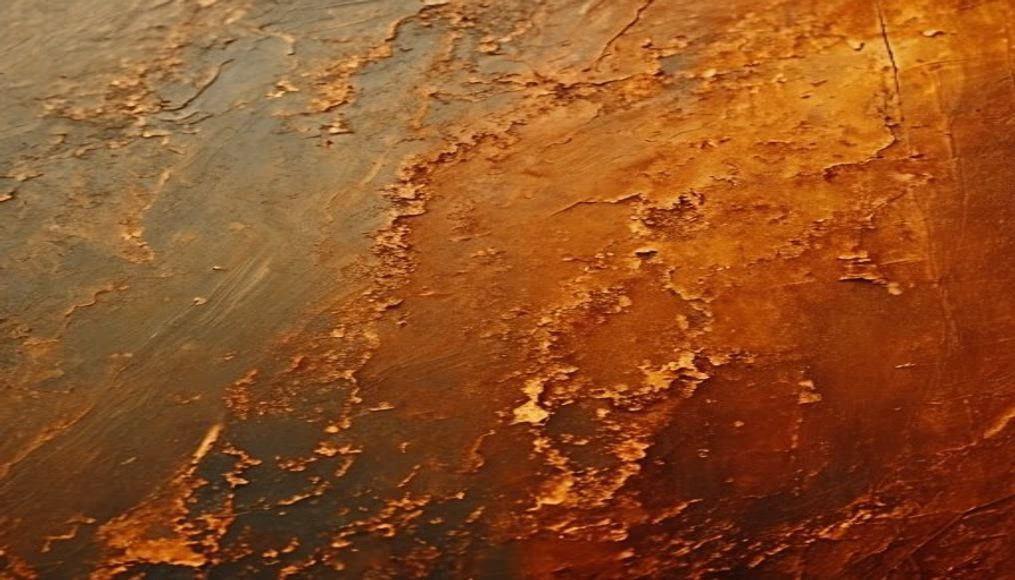
Rust patina detail
1344×768 · AVIF · CC BY 4.0
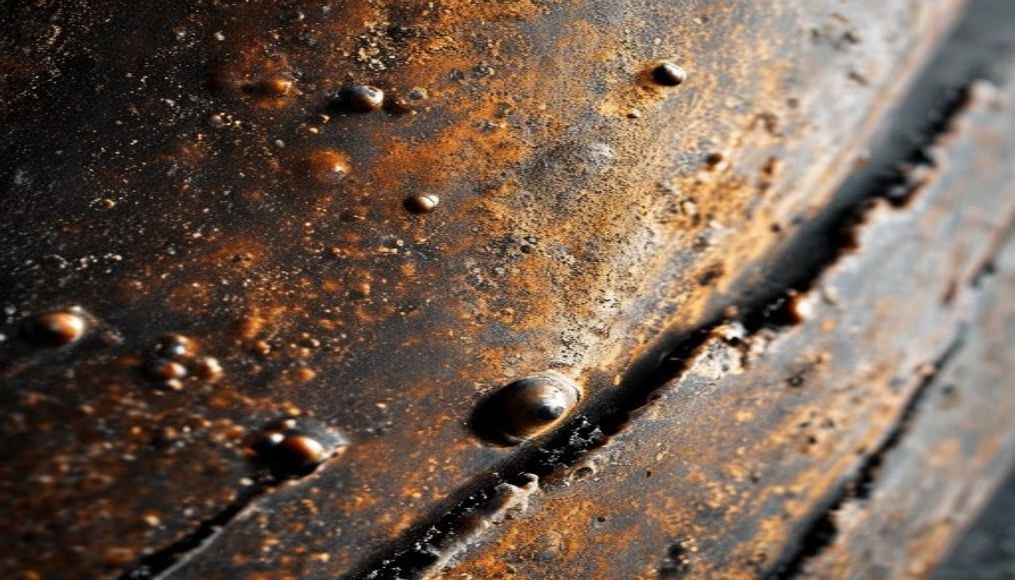
Rust patina is a controlled oxidation process that creates a protective and aesthetically appreciated layer on ferrous metals.
About this subject
Rust patina results from the surface oxidation of iron and its alloys when exposed to oxygen and moisture. Unlike destructive corrosion, which compromises structural integrity, patina forms an adherent and stable layer of hydrated oxides, such as lepidocrocite and goethite, which protects the underlying metal under suitable conditions. This phenomenon is intentionally sought in materials like Cor-Ten steel, developed in the 1930s in the United States, whose alloy with copper, chromium, and nickel promotes the formation of an adherent patina that reduces the need for painting and maintenance.
In architecture and sculpture, rust patina is valued for its industrial and natural aesthetic, ranging from orange to brown and black hues depending on metal composition and environmental conditions. Iconic examples include the Niterói Contemporary Art Museum by Oscar Niemeyer, which uses Cor-Ten steel on its façade, and the sculptures of American artist Richard Serra, such as the "Torqued Ellipses" series, where patina confers weight and texture to monumental forms. In urban contexts, patina also appears on bridges, façades, and public artworks, integrating industrial and contemporary heritage.
Curiously, the color and thickness of patina can be controlled by chemical treatments or controlled exposure to salts and pollutants. In coastal regions, sea spray accelerates oxidation, creating rougher textures and darker tones. In dry climates, patina tends to be thinner and lighter. Despite its appearance of decay, patina protects metal from deep corrosion, exemplifying how nature can aid material preservation. This balance between deterioration and protection is studied by engineers and conservators to ensure the durability of structures exposed to the outdoors.
Frequently Asked Questions
What causes rust patina?
Rust patina is caused by the surface oxidation of iron in the presence of oxygen and moisture. This process forms a layer of hydrated oxides that, in alloys like Cor-Ten steel, becomes adherent and protective.
Is rust always harmful?
No. While common rust (red oxide) can be destructive, controlled patina on low-alloy steels forms a barrier that protects the metal from further corrosion, and is used intentionally in architecture and sculpture.
Where is rust patina used intentionally?
It is used on building façades, bridges, urban sculptures, and landscape elements. Famous examples include the Niterói Contemporary Art Museum and Richard Serra's works, where the industrial aesthetic of patina is valued.
Direct URL
https://pub-c7d6a6ea828543ac903a74a341ccb2e1.r2.dev/imagens/rust-patina-detail-commercial-product-photography-v9.avifHow to credit
Include a visible link back to UtilizAí. Copy one of the snippets below:
<a href="https://xn--utiliza-eza.com/en/midia/imagens/rust-patina-detail-commercial-product-photography-v9">Rust patina detail</a> by <a href="https://xn--utiliza-eza.com">UtilizAí</a>, licensed under <a href="https://creativecommons.org/licenses/by/4.0/">CC BY 4.0</a>.
[Rust patina detail](https://xn--utiliza-eza.com/en/midia/imagens/rust-patina-detail-commercial-product-photography-v9) by [UtilizAí](https://xn--utiliza-eza.com), CC BY 4.0
License: CC-BY-4.0