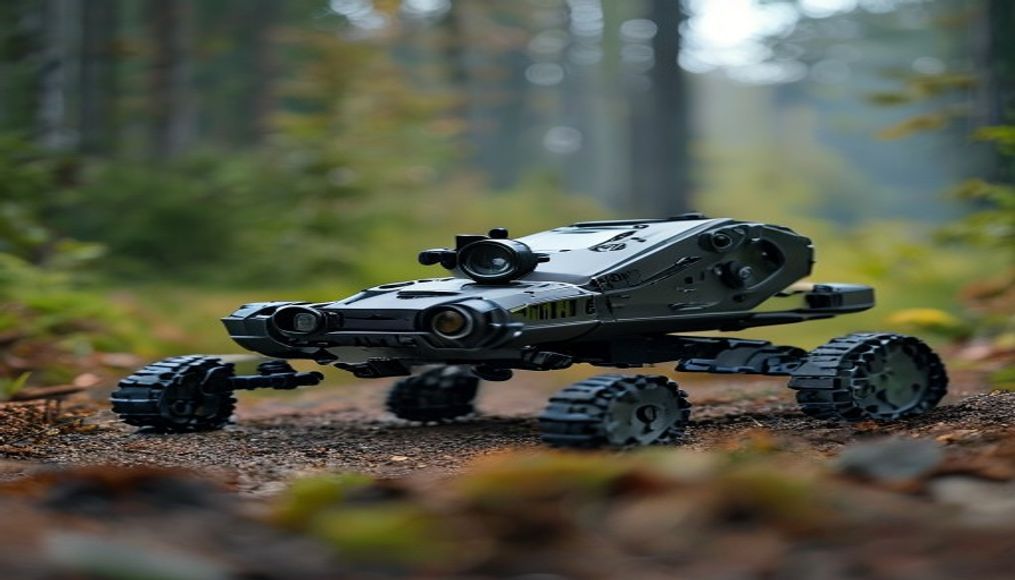
Rov remote operated
1344×768 · AVIF · CC BY 4.0
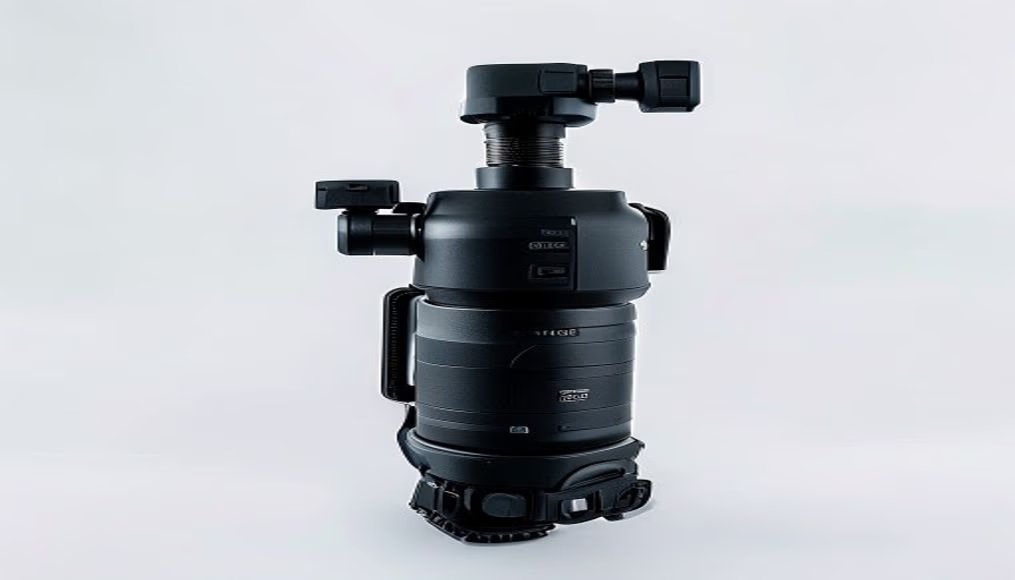
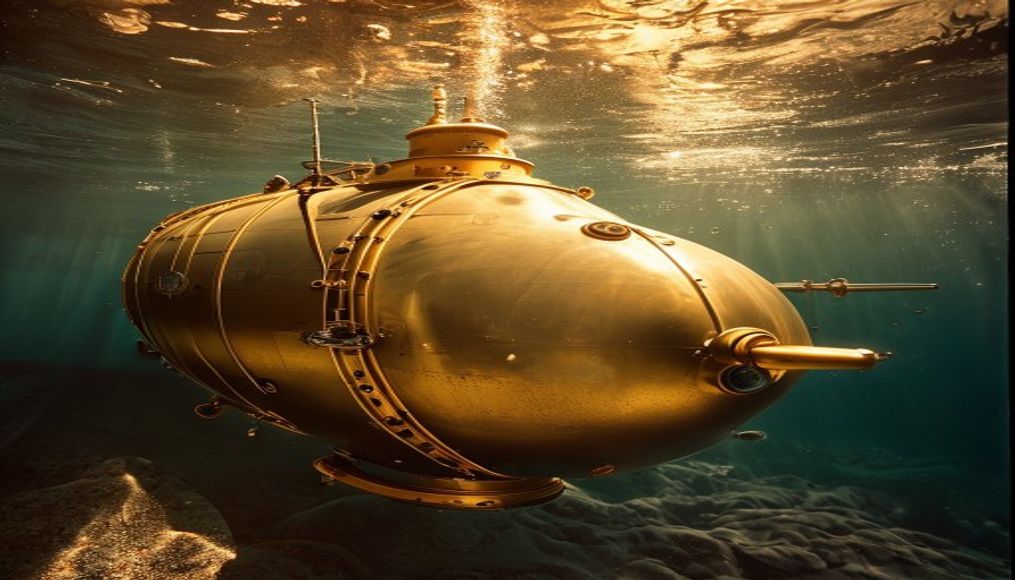
Remotely operated vehicle (ROV) essential for subsea exploration, offshore maintenance, and deep-water research.
About this subject
A remotely operated vehicle (ROV) is an unmanned underwater robot controlled by a pilot from a surface vessel. Connected via an umbilical cable that transmits power, data, and real-time video, ROVs can dive to depths exceeding 6,000 meters, far beyond human limits. These machines have revolutionized ocean exploration by enabling inspection of pipelines, oil platforms, and submarine cables, as well as collection of biological and geological samples.
The first ROVs emerged in the 1950s for military purposes, but their commercial use exploded with the offshore oil and gas industry. Today, models like Japan's Hyper-Dolphin ROV can retrieve samples from 3,000 meters deep. The technology is also vital for installing offshore wind turbines and for scientific research, such as exploring hydrothermal vents and deep-sea ecosystems.
One fascinating role of ROVs is in locating historic shipwrecks, such as the Titanic, discovered in 1985 with the help of the manned submersible Alvin but later explored by ROVs that mapped the debris field. In Brazil, Petrobras uses ROVs for riser and pipeline inspection in the Santos Basin, one of the most challenging offshore areas in the world.
Operating an ROV requires advanced technical skills combining piloting with knowledge of mechanics, electronics, and image processing. Demand for these professionals grows as the blue economy advances, driving the need for underwater maintenance and environmental monitoring. ROVs are therefore indispensable tools for uncovering the secrets of the deep ocean and ensuring global energy infrastructure.
Frequently Asked Questions
What is the maximum depth an ROV can reach?
Work-class ROVs can reach depths of up to 6,000 meters. Special scientific models like Kaiko have descended to 11,000 meters in the Mariana Trench.
What are the main applications of ROVs?
They are used for inspection and maintenance of oil platforms, pipelines, and submarine cables; oceanographic research; offshore wind turbine installation; and search and recovery of wrecks.
How is an ROV controlled?
The operator controls the vehicle from a surface console using joysticks and monitors displaying HD camera feeds and sensor data. Control is real-time with minimal latency thanks to the umbilical cable.
Direct URL
https://pub-c7d6a6ea828543ac903a74a341ccb2e1.r2.dev/imagens/rov-remote-operated-commercial-product-photography-p1.avifHow to credit
Include a visible link back to UtilizAí. Copy one of the snippets below:
<a href="https://xn--utiliza-eza.com/en/midia/imagens/rov-remote-operated-commercial-product-photography-p1">Rov remote operated</a> by <a href="https://xn--utiliza-eza.com">UtilizAí</a>, licensed under <a href="https://creativecommons.org/licenses/by/4.0/">CC BY 4.0</a>.
[Rov remote operated](https://xn--utiliza-eza.com/en/midia/imagens/rov-remote-operated-commercial-product-photography-p1) by [UtilizAí](https://xn--utiliza-eza.com), CC BY 4.0
License: CC-BY-4.0