Rock garden raked patterns
1344×768 · AVIF · CC BY 4.0
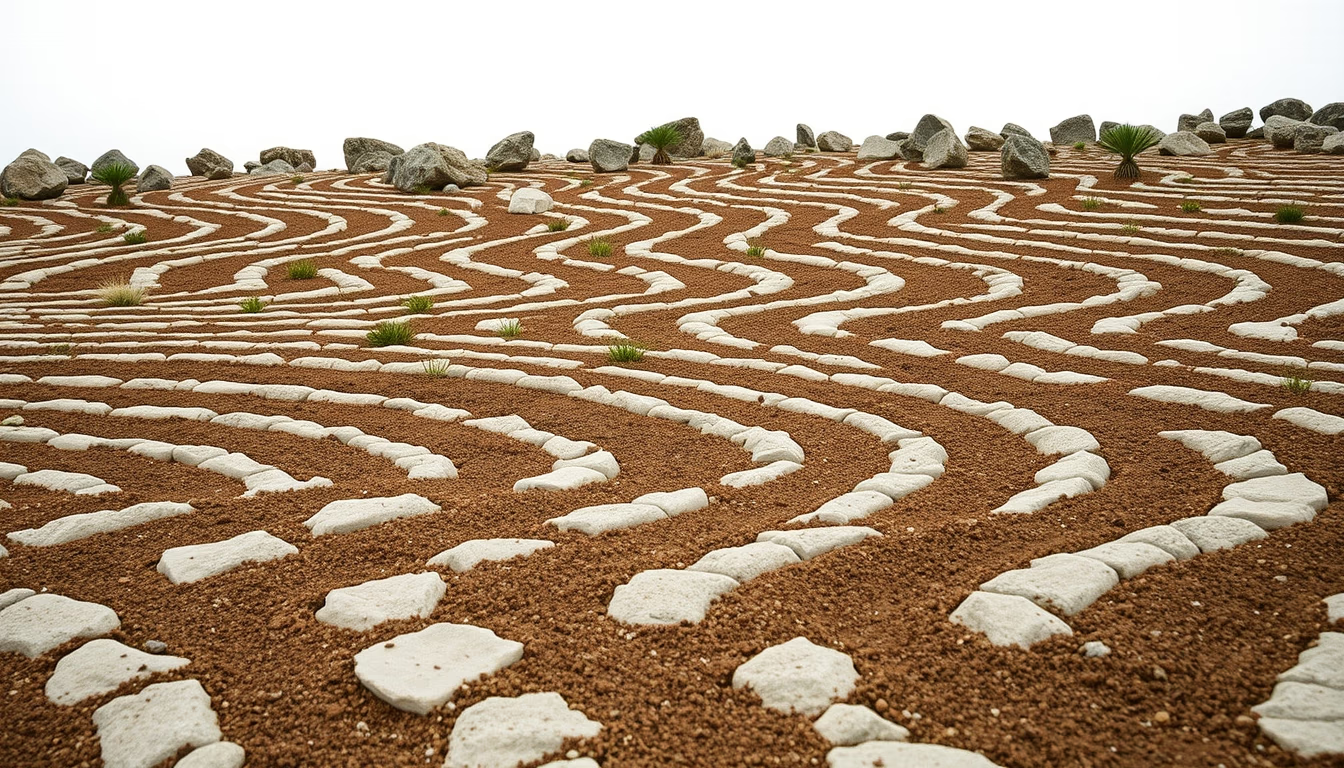
Raked sand patterns in Japanese rock gardens symbolize water and harmony, meticulously created with rakes in circular and straight motions.
About this subject
Zen gardens, known as karesansui (dry landscape gardens), originated in Japan during the Muromachi period (14th-16th centuries), strongly influenced by Zen Buddhism. These gardens consist of fine gravel or sand, rocks, and occasional moss, with no real water features. The raked patterns, created with special wooden rakes, represent waves, rivers, or oceans. Daily raking is an act of meditation and discipline.
Monks use precise movements to create straight lines or circles around rocks, which symbolize islands or mountains. The most common pattern is parallel curved lines mimicking water ripples. Variations include spiral patterns and concentric circles, each with specific meanings. The practice of raking requires full concentration and is considered a form of mindfulness.
One of the most famous rock gardens is at Ryoanji Temple in Kyoto, featuring 15 rocks on white gravel. From any angle, only 14 rocks are visible, symbolizing impermanence. Beyond Japan, these gardens have inspired landscape design worldwide, such as the Portland Japanese Garden. Raking techniques are also used in contemporary spaces to evoke tranquility.
Interestingly, sand patterns are not permanent; they must be redone regularly, especially after rain or wind. In some temples, novice monks learn raking as part of spiritual training, spending hours correcting imperfections. This process reinforces beauty in transience, a key concept in Japanese aesthetics.
Frequently Asked Questions
What is the origin of raked sand patterns in Japanese gardens?
Raked patterns originated with karesansui (dry landscape) gardens in feudal Japan, inspired by Zen Buddhism. They symbolize water and meditation, used since the 14th century, primarily in temples.
How do monks create the raked patterns?
They use wooden rakes with wide teeth and follow specific movements: straight for parallel lines or circular around rocks. The technique requires balance and focus, performed daily.
Do different patterns have different meanings?
Yes, each pattern carries meaning. Straight lines represent calm water, concentric circles symbolize waves or enlightenment, and spirals indicate eternity. Arrangements vary by temple and tradition.
Direct URL
https://pub-c7d6a6ea828543ac903a74a341ccb2e1.r2.dev/imagens/rock-garden-raked-patterns-film-grain-authentic-fresh1.avifHow to credit
Include a visible link back to UtilizAí. Copy one of the snippets below:
<a href="https://xn--utiliza-eza.com/en/midia/imagens/rock-garden-raked-patterns-film-grain-authentic-fresh1">Rock garden raked patterns</a> by <a href="https://xn--utiliza-eza.com">UtilizAí</a>, licensed under <a href="https://creativecommons.org/licenses/by/4.0/">CC BY 4.0</a>.
[Rock garden raked patterns](https://xn--utiliza-eza.com/en/midia/imagens/rock-garden-raked-patterns-film-grain-authentic-fresh1) by [UtilizAí](https://xn--utiliza-eza.com), CC BY 4.0
License: CC-BY-4.0