Robotic exoskeleton
1344×768 · AVIF · CC BY 4.0
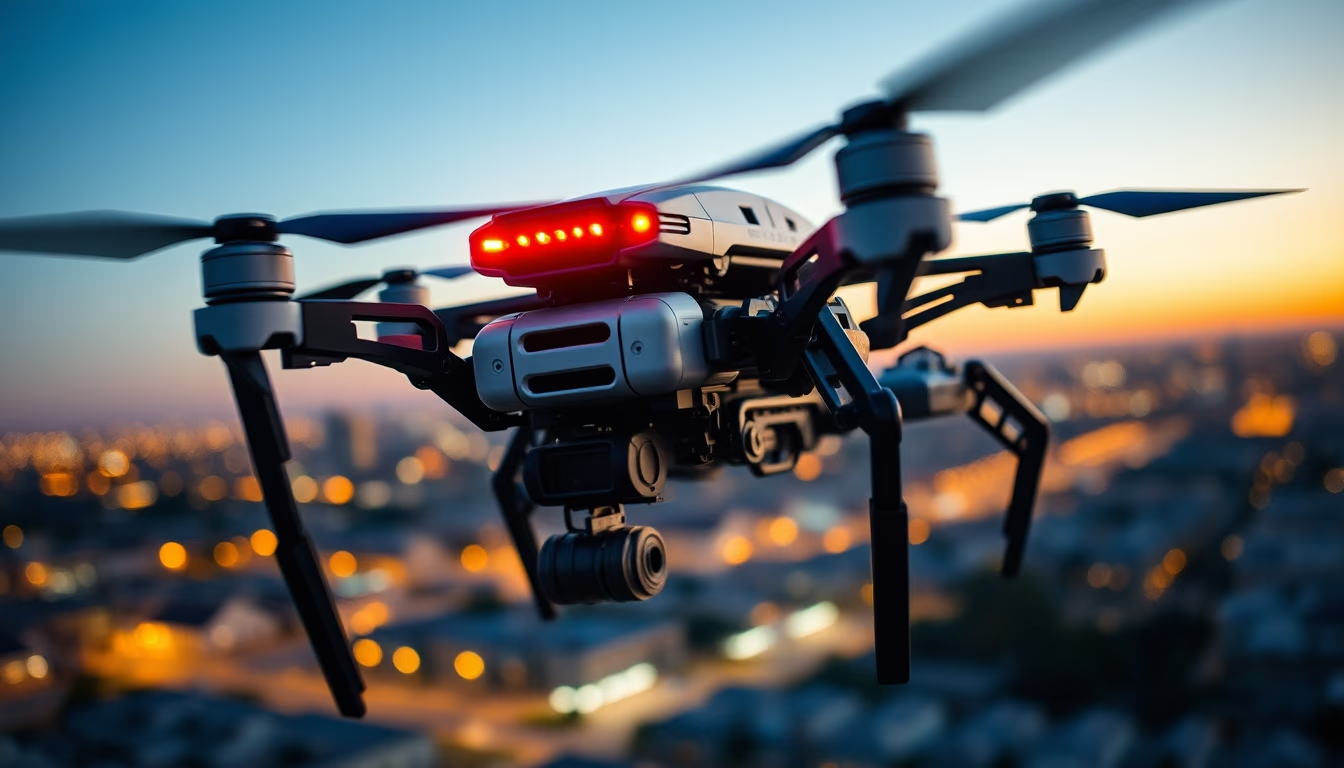
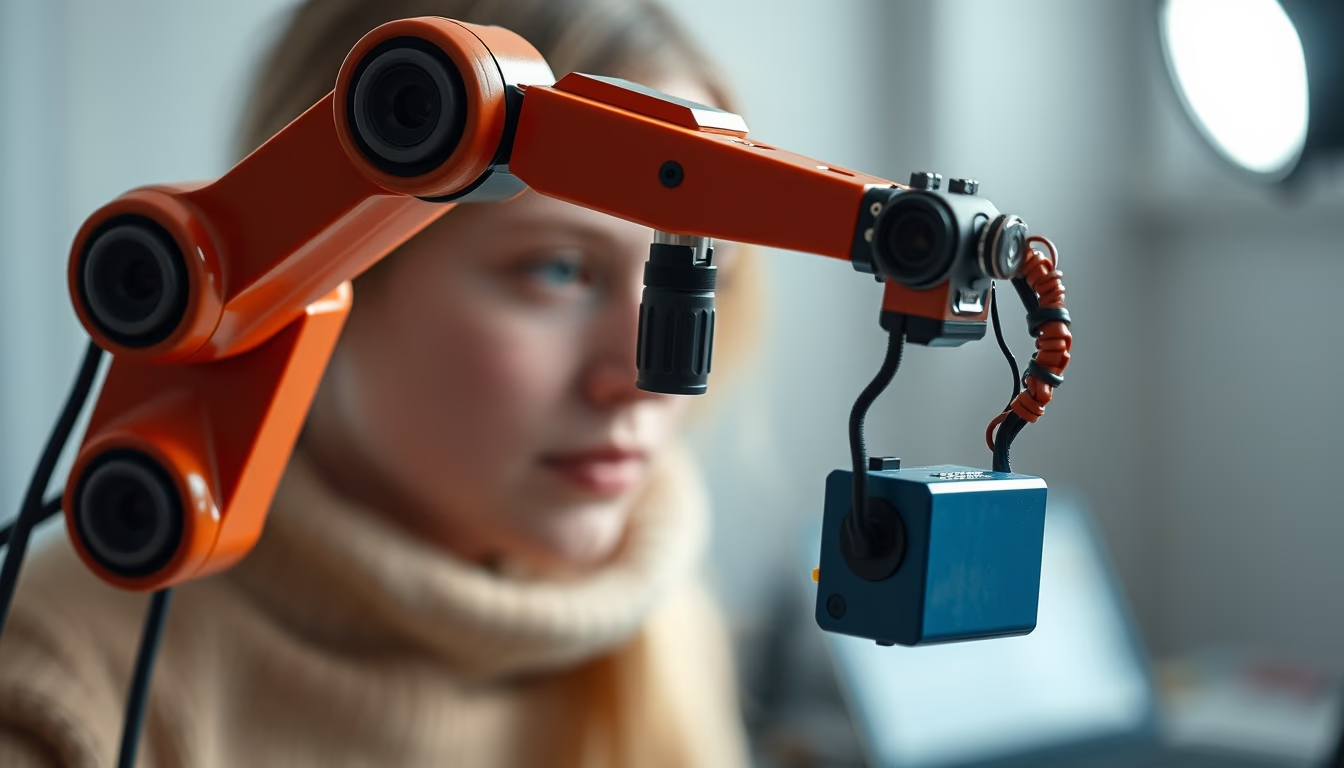
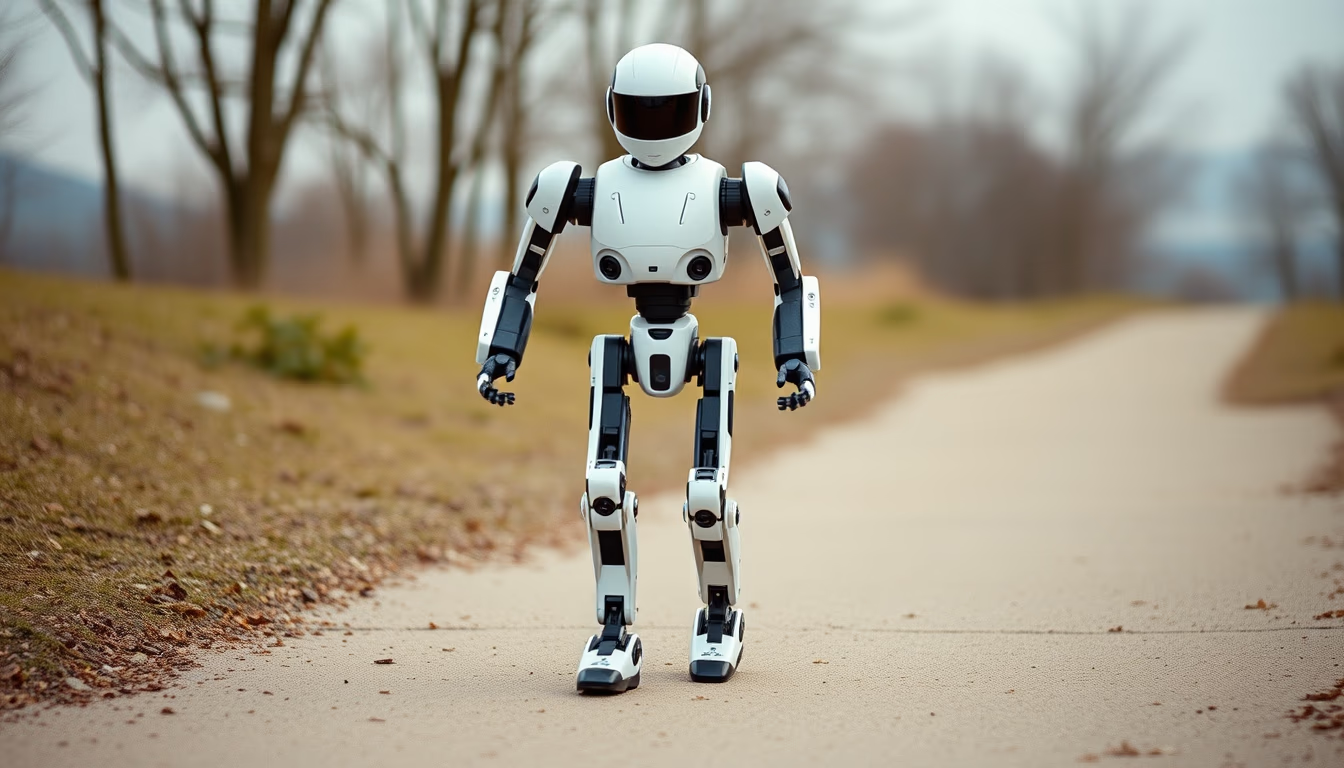
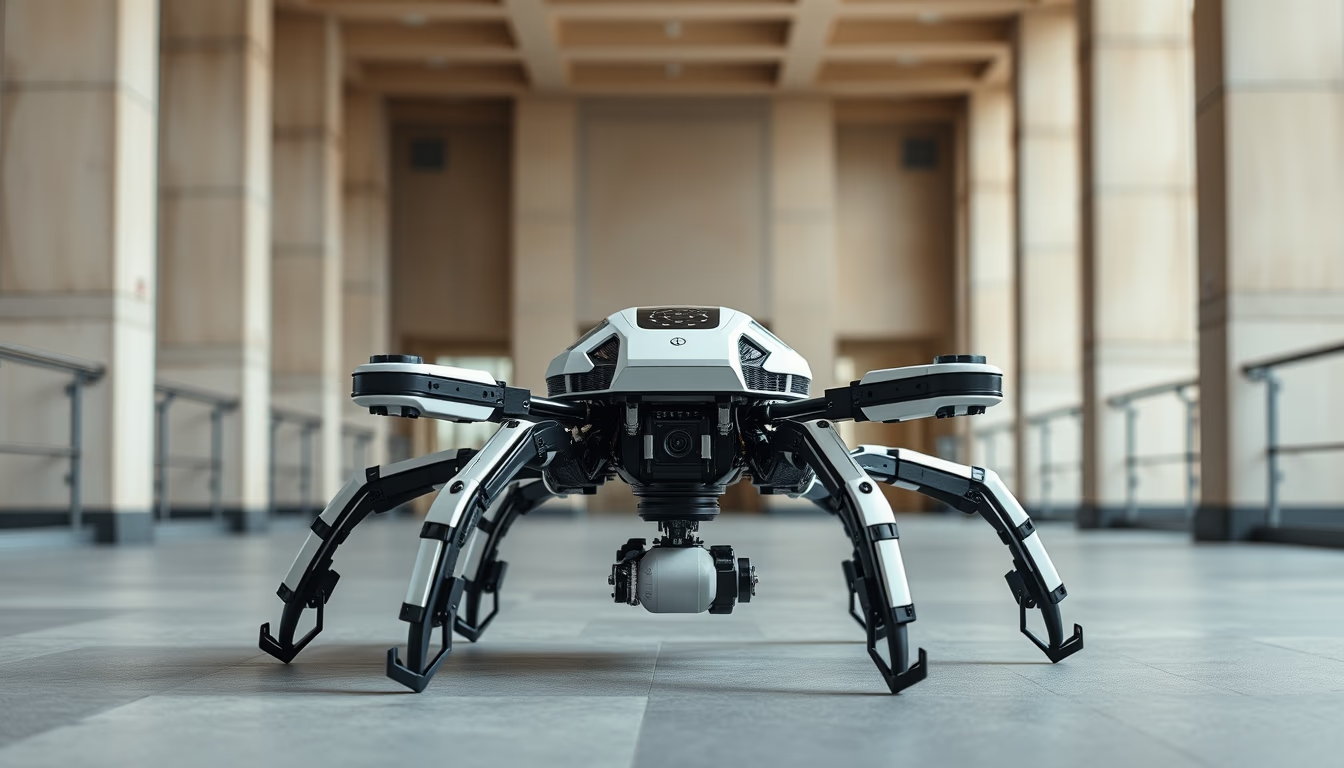
Robotic exoskeletons are wearable devices that augment human strength, used in rehabilitation, industry, and defense.
About this subject
Robotic exoskeletons, also known as powered suits, are external mechanical structures worn over the human body to provide support, enhance strength, or restore lost movement. The technology originated from military research in the 1960s and 1970s, notably the General Electric Hardiman project, but only gained practical applications in the 21st century. Today, exoskeletons are used in rehabilitation clinics to help patients with spinal cord injuries walk again, such as the ReWalk model, FDA-approved in 2014. Industrial versions like the EksoVest reduce physical strain on workers performing repetitive tasks, preventing musculoskeletal injuries.
In the military, programs like the US Tactical Assault Light Operator Suit (TALOS) aim to create exoskeletons that boost endurance and load capacity for soldiers. Meanwhile, startups like Brazil's Jacto (in partnership with UFSCar) have developed exoskeletons for agriculture, reducing fatigue in farm workers. The technology is also advancing for home use, with lightweight devices assisting elderly mobility.
Autonomy remains a key challenge: most exoskeletons rely on batteries lasting only 2 to 4 hours of continuous use. Research into lightweight materials such as carbon fiber and titanium alloys aims to make suits more comfortable and efficient. Additionally, artificial intelligence-based control systems allow the exoskeleton to adapt to the user's movements in real time, learning gait patterns and providing personalized assistance.
Interestingly, the term “exoskeleton” comes from biology, referring to the external skeleton of arthropods like insects and crustaceans. Nature-inspired designs have led to bioinspired joints mimicking the efficiency of animal limbs. The global exoskeleton market was valued at $0.3 billion in 2020 and is projected to exceed $6 billion by 2030, driven by aging populations and the demand for assistive automation.
Frequently Asked Questions
How much does a robotic exoskeleton cost?
Prices vary widely: rehabilitation models like ReWalk can cost between $70,000 and $100,000. Industrial versions are more affordable, ranging from $5,000 to $15,000. Home-use devices are emerging with prices below $3,000.
Can anyone use an exoskeleton?
No. There are medical and weight restrictions. Rehabilitation models require a prescription and professional supervision. Industrial use requires proper training. Most devices support users between 1.50 m and 1.95 m tall and weighing up to 100 kg.
Do exoskeletons replace wheelchairs?
In some cases, yes, but not entirely. Patients with spinal cord injuries can use exoskeletons to walk in controlled settings, but wheelchairs are still needed for long distances due to fatigue and limited battery life.
Direct URL
https://pub-c7d6a6ea828543ac903a74a341ccb2e1.r2.dev/imagens/robotic-exoskeleton-aerial-drone-shot-p5.avifHow to credit
Include a visible link back to UtilizAí. Copy one of the snippets below:
<a href="https://xn--utiliza-eza.com/en/midia/imagens/robotic-exoskeleton-aerial-drone-shot-p5">Robotic exoskeleton</a> by <a href="https://xn--utiliza-eza.com">UtilizAí</a>, licensed under <a href="https://creativecommons.org/licenses/by/4.0/">CC BY 4.0</a>.
[Robotic exoskeleton](https://xn--utiliza-eza.com/en/midia/imagens/robotic-exoskeleton-aerial-drone-shot-p5) by [UtilizAí](https://xn--utiliza-eza.com), CC BY 4.0
License: CC-BY-4.0