Robot arm assembling car
1344×768 · AVIF · CC BY 4.0
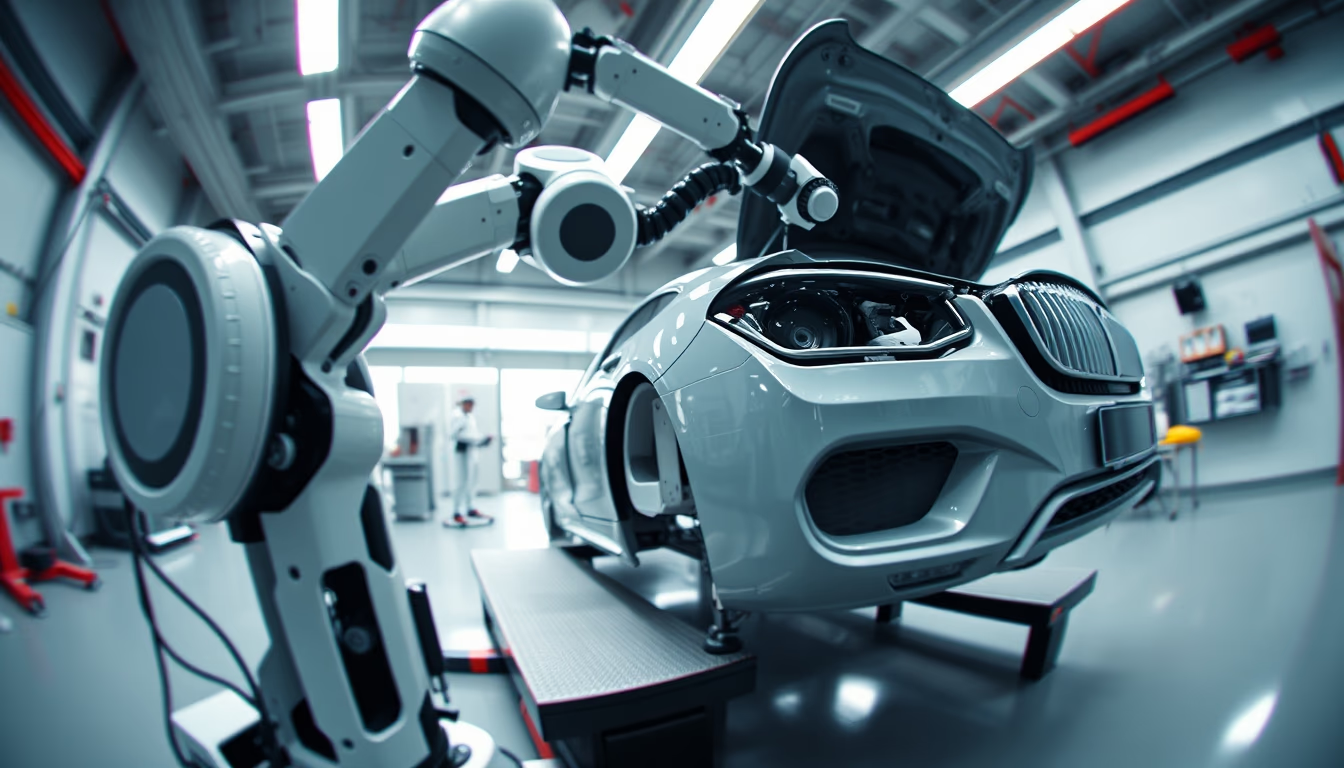
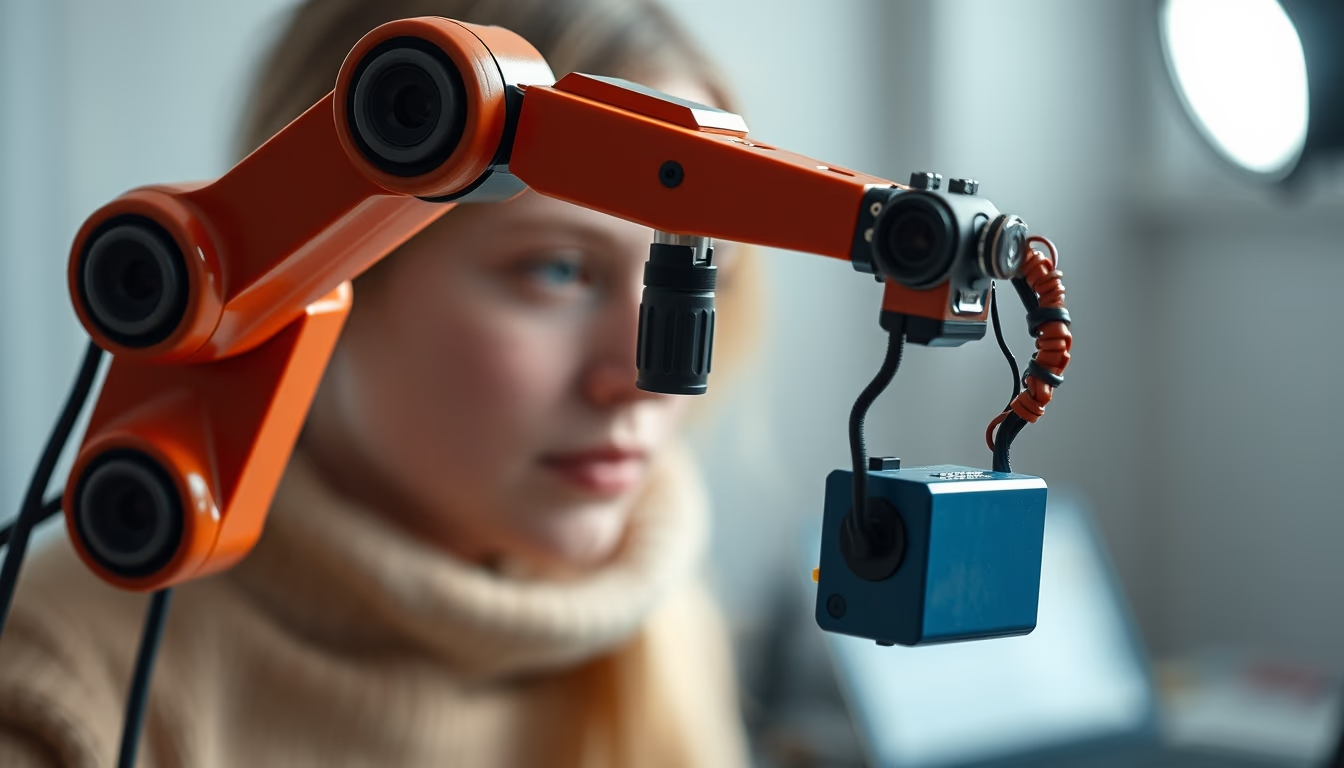
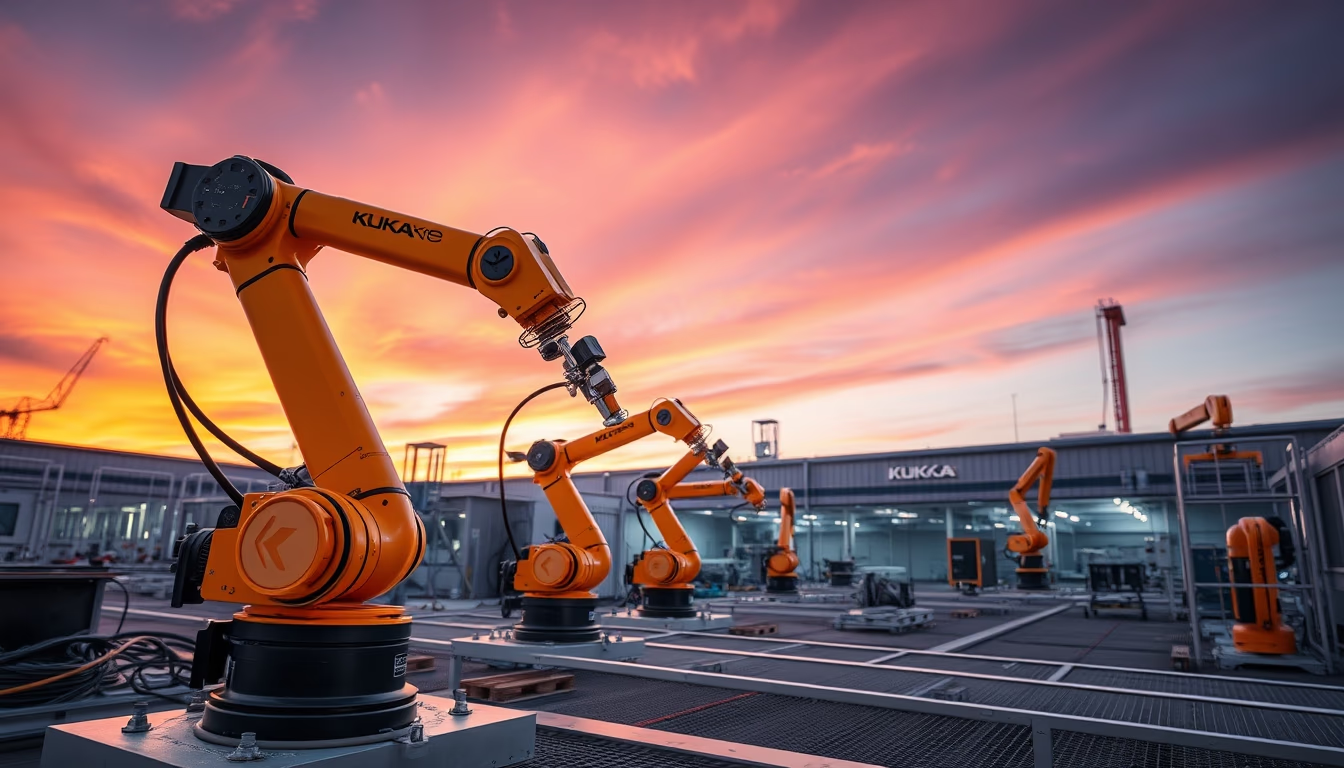
Industrial robotic arm assembling parts on an automotive production line, optimizing precision and speed.
About this subject
Robotic arms are critical equipment in modern automotive manufacturing. They are primarily used on assembly lines to perform repetitive, high-precision tasks such as welding, painting, part assembly, and material handling. Most are articulated robots with multiple joints that mimic the human arm's movement, offering flexibility and reach. Leading brands include KUKA, ABB, Fanuc, and Yaskawa, with models capable of lifting hundreds of kilograms and achieving sub-millimeter repeatability.
The history of robots in car assembly began in 1961 when the first industrial robot, the Unimate, was installed at General Motors' factory in New Jersey, USA. It performed spot welding and part transfer. Since then, automation has evolved dramatically. Today, a single plant may have hundreds of robots working in sync, controlled by computer vision and artificial intelligence to adapt to part variations.
Beyond productivity gains, robots significantly improve workplace safety by taking on hazardous tasks such as arc welding or handling hot components. A recent trend is the introduction of collaborative robots, or cobots, that work alongside humans without safety cages. These robots are equipped with force and torque sensors, stopping automatically if they encounter obstacles. In Brazil, automakers like Volkswagen, Ford, and Toyota extensively use this technology in their plants.
Frequently Asked Questions
How does a robotic arm work in car assembly?
The robotic arm is programmed to perform precise movements like welding, screwing, or painting. It uses actuators (electric or hydraulic) and sensors to repeat trajectories with high accuracy, following instructions from a controller.
What are the advantages of using robots in the automotive industry?
Increased productivity, consistent quality, reduced operational costs, improved worker safety, and the ability to operate 24/7 without fatigue.
What was the first industrial robot used in vehicle assembly?
It was the Unimate, introduced in 1961 by General Motors. It performed spot welding and part transfer, marking the beginning of robotic automation in the automotive industry.
Direct URL
https://pub-c7d6a6ea828543ac903a74a341ccb2e1.r2.dev/imagens/robot-arm-assembling-car-fish-eye-wide-angle-p11.avifHow to credit
Include a visible link back to UtilizAí. Copy one of the snippets below:
<a href="https://xn--utiliza-eza.com/en/midia/imagens/robot-arm-assembling-car-fish-eye-wide-angle-p11">Robot arm assembling car</a> by <a href="https://xn--utiliza-eza.com">UtilizAí</a>, licensed under <a href="https://creativecommons.org/licenses/by/4.0/">CC BY 4.0</a>.
[Robot arm assembling car](https://xn--utiliza-eza.com/en/midia/imagens/robot-arm-assembling-car-fish-eye-wide-angle-p11) by [UtilizAí](https://xn--utiliza-eza.com), CC BY 4.0
License: CC-BY-4.0