Rebreather scuba modern
1344×768 · JPG · CC BY 4.0
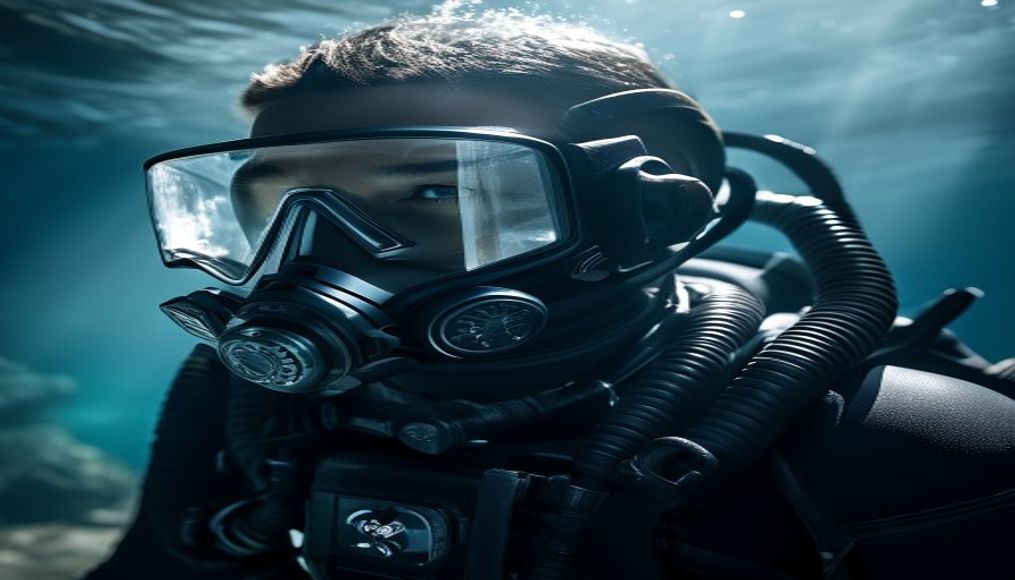
Modern rebreathers recycle exhaled gas, enabling longer and quieter dives with advanced oxygen control.
About this subject
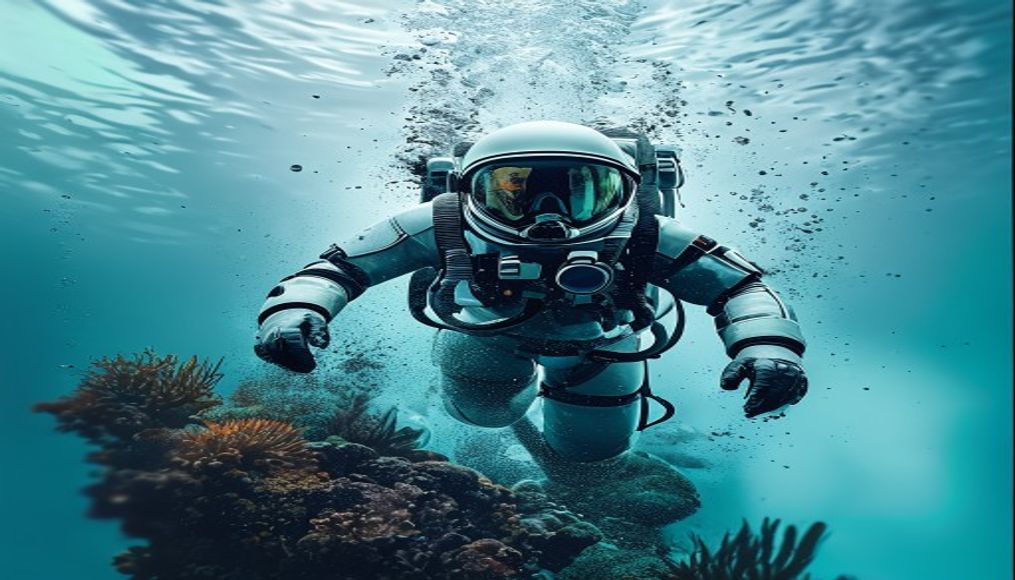
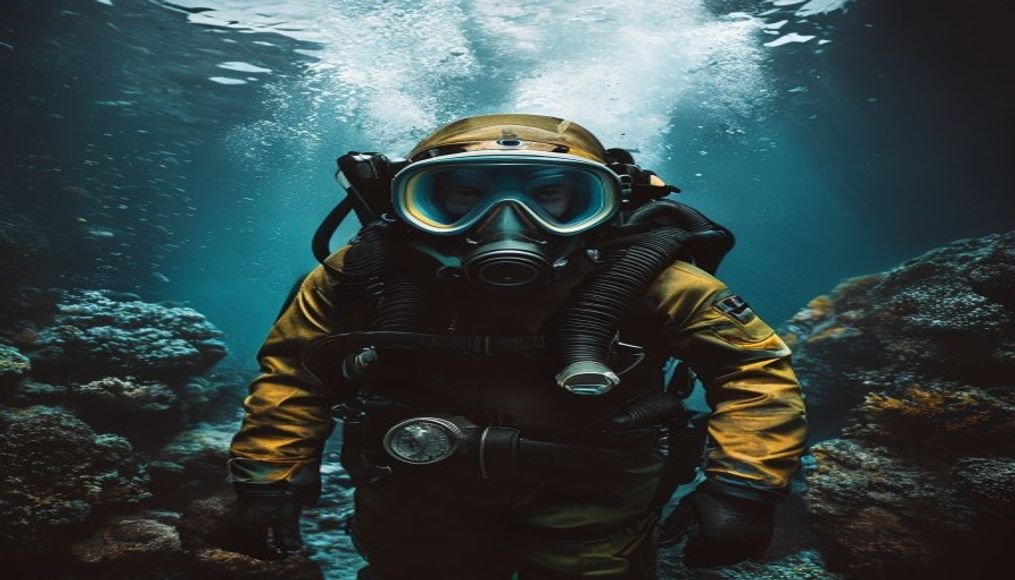
A rebreather is a self-contained underwater breathing apparatus that recycles exhaled gas, removing carbon dioxide and replenishing oxygen. Unlike traditional open-circuit scuba, which releases bubbles with each exhalation, the rebreather operates in a semi-closed or closed circuit. This results in significantly longer dives with a single gas cylinder, as well as eliminating noise and bubbles, making it ideal for marine life observation and underwater photography.
The operating principle involves a CO2 scrubber (usually soda lime), a counterlung bag to store recycled gas, and electronic oxygen sensors that maintain the breathing mixture within safe limits. Modern electronic rebreathers, such as those from Poseidon and AP Diving, use microprocessors to automatically control the partial pressure of oxygen, adjusting gas addition based on depth and diver consumption.
Historically, rebreathers were developed for military and rescue purposes, but from the 1990s onwards they were adopted by technical and advanced recreational divers. Their gas efficiency allows dives lasting several hours, and the lack of bubbles reduces the risk of detection by predators or disturbance of the environment. However, they require specialized training and rigorous maintenance, as system failures can lead to hypoxia or hyperoxia.
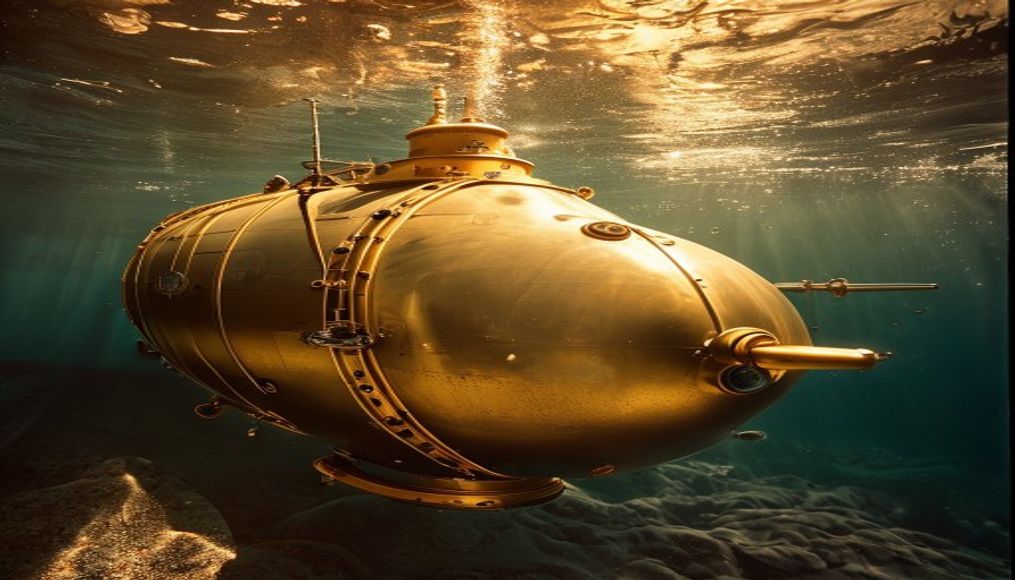
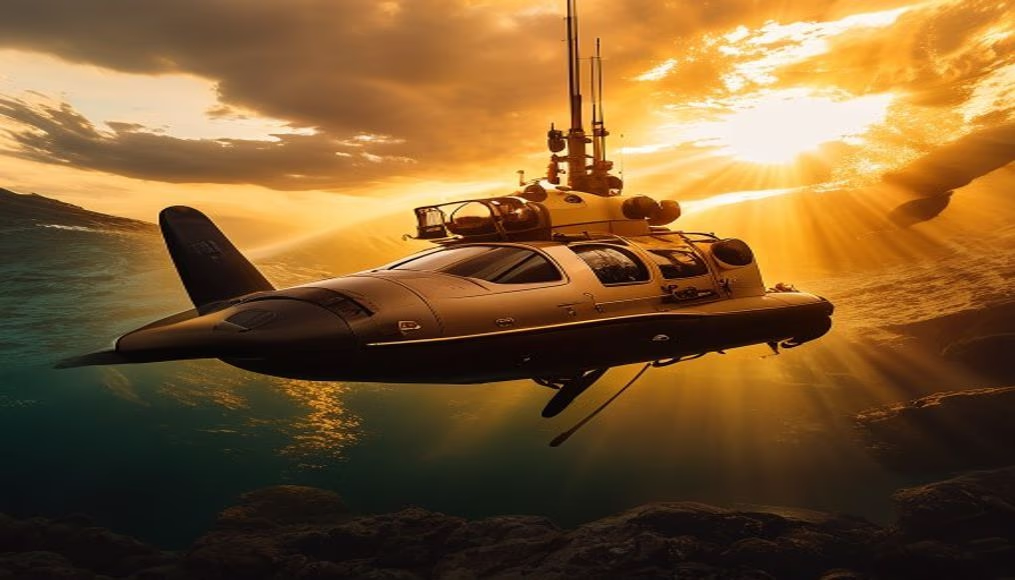
Interestingly, rebreather technology is also used in spacesuits and submarines, showcasing its versatility. In Brazil, recreational use is still limited but growing among technical divers exploring wrecks and caves. The choice between open and closed circuit depends on the diver's profile and expedition goals.
Frequently Asked Questions
What is the difference between a rebreather and open-circuit scuba?
In open circuit, exhaled gas is released into the water, creating bubbles and quickly depleting the cylinder. In a rebreather, gas is recycled, scrubbed, and reused, increasing dive time and eliminating bubbles.
Is rebreather diving more dangerous than conventional diving?
Yes, it requires specialized training and rigorous maintenance. Risks include oxygen sensor failure, CO2 scrubber exhaustion, and incorrect gas mixtures. With proper protocols, it can be safe.
How much does a modern rebreather cost?
Prices range from $3,000 to $10,000 or more, depending on brand and configuration. Additional costs include scrubber material, sensors, and periodic maintenance.
Direct URL
https://pub-c7d6a6ea828543ac903a74a341ccb2e1.r2.dev/imagens/rebreather-scuba-modern-magazine-editorial-p4.jpgHow to credit
Include a visible link back to UtilizAí. Copy one of the snippets below:
<a href="https://xn--utiliza-eza.com/en/midia/imagens/rebreather-scuba-modern-magazine-editorial-p4">Rebreather scuba modern</a> by <a href="https://xn--utiliza-eza.com">UtilizAí</a>, licensed under <a href="https://creativecommons.org/licenses/by/4.0/">CC BY 4.0</a>.
[Rebreather scuba modern](https://xn--utiliza-eza.com/en/midia/imagens/rebreather-scuba-modern-magazine-editorial-p4) by [UtilizAí](https://xn--utiliza-eza.com), CC BY 4.0
License: CC-BY-4.0