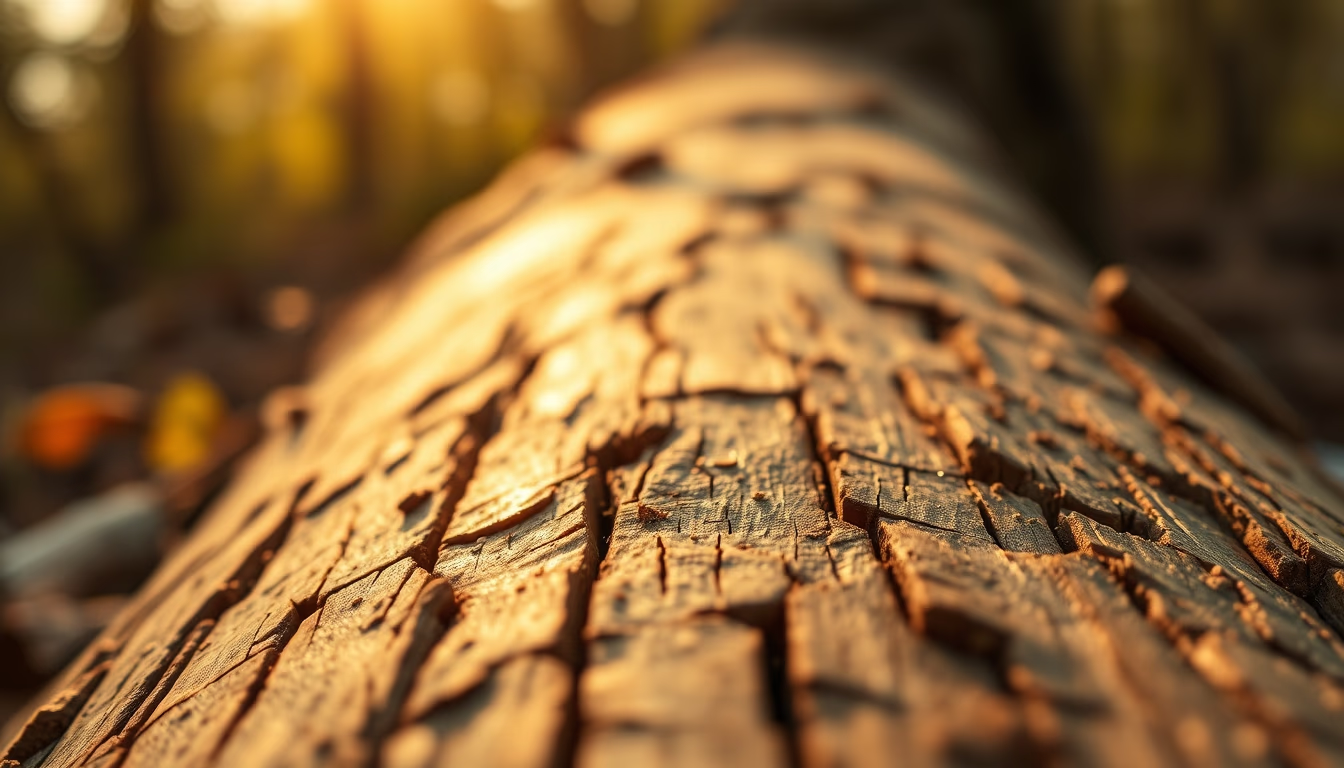
Paper texture cream
1344×768 · AVIF · CC BY 4.0

Cream paper texture background, ideal for minimalist designs and high-quality print materials.
About this subject
Cream paper, also known as off-white or natural paper, features a soft hue ranging from light beige to pale yellow. This coloration results from the absence of optical brighteners in the manufacturing process, making it more environmentally friendly and aligned with sustainable practices. The cream tone reduces contrast between paper and ink, offering a more comfortable and elegant reading experience, especially for books, invitations, and letterheads.
In graphic design, cream paper textures are widely used as backgrounds for projects aiming to convey sophistication, coziness, and timelessness. They work well for brand identities of organic products, natural cosmetics, and handmade goods. The texture adds visual depth without cluttering the layout, often employed in packaging mockups and presentation templates.
The global trend for 2026 points to a resurgence of natural textures and earthy tones in both digital and print design. Cream paper, with its slightly rough surface and neutral color, stands out for balancing classic and contemporary aesthetics. Unlike pure white, which can appear cold or artificial, cream evokes a sense of aged or handmade paper, adding authenticity and visual comfort to projects.
Interestingly, cream paper production involves natural fibers like eucalyptus cellulose or cotton, and its texture may result from air drying or special pressing. This tactile variation is especially appreciated in watercolor paper, where ink absorption is more controlled. In macro photography, the details of cream paper fibers reveal a unique micro-relief, used by designers to create realistic shading effects in digital compositions.
Frequently Asked Questions
What is the difference between cream paper and white paper?
White paper contains optical brighteners that reflect more light, giving a cool, brighter tone. Cream paper lacks these additives, resulting in a natural, warm hue that reduces eye strain during reading.
Why are paper textures important in graphic design?
Textures add depth and realism to digital projects, simulating the tactile feel of paper. They help create a richer, more memorable visual identity, especially in mockups and website backgrounds.
How is cream textured paper produced?
Cream paper is made from natural fibers like eucalyptus cellulose or cotton, without optical brighteners. Texture is achieved through air drying, dry pressing, or adding mineral fillers that create surface irregularities.
Direct URL
https://pub-c7d6a6ea828543ac903a74a341ccb2e1.r2.dev/imagens/paper-texture-cream-aerial-drone-shot-p4.avifHow to credit
Include a visible link back to UtilizAí. Copy one of the snippets below:
<a href="https://xn--utiliza-eza.com/en/midia/imagens/paper-texture-cream-aerial-drone-shot-p4">Paper texture cream</a> by <a href="https://xn--utiliza-eza.com">UtilizAí</a>, licensed under <a href="https://creativecommons.org/licenses/by/4.0/">CC BY 4.0</a>.
[Paper texture cream](https://xn--utiliza-eza.com/en/midia/imagens/paper-texture-cream-aerial-drone-shot-p4) by [UtilizAí](https://xn--utiliza-eza.com), CC BY 4.0
License: CC-BY-4.0