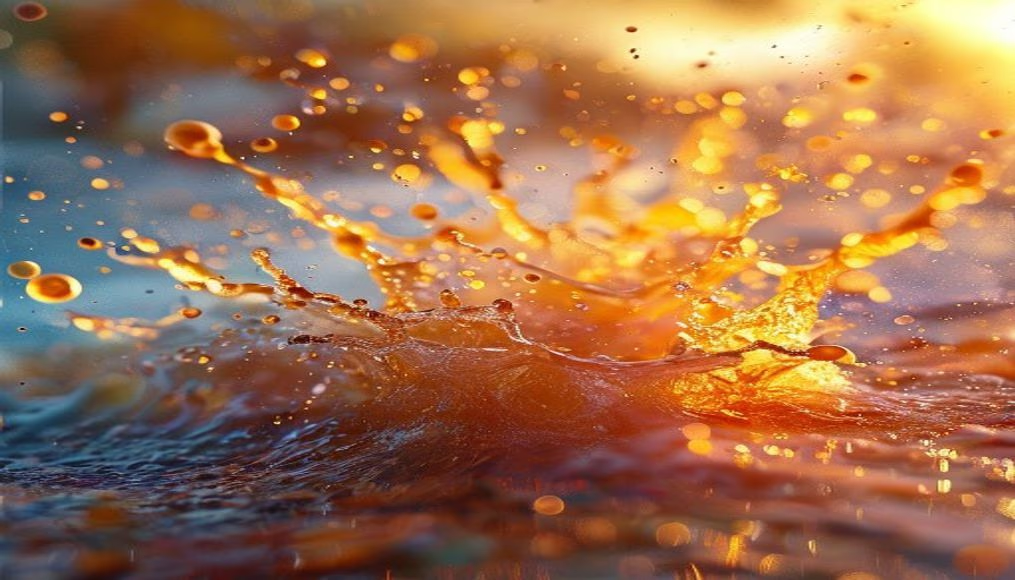
Paint splash macro
1344×768 · AVIF · CC BY 4.0
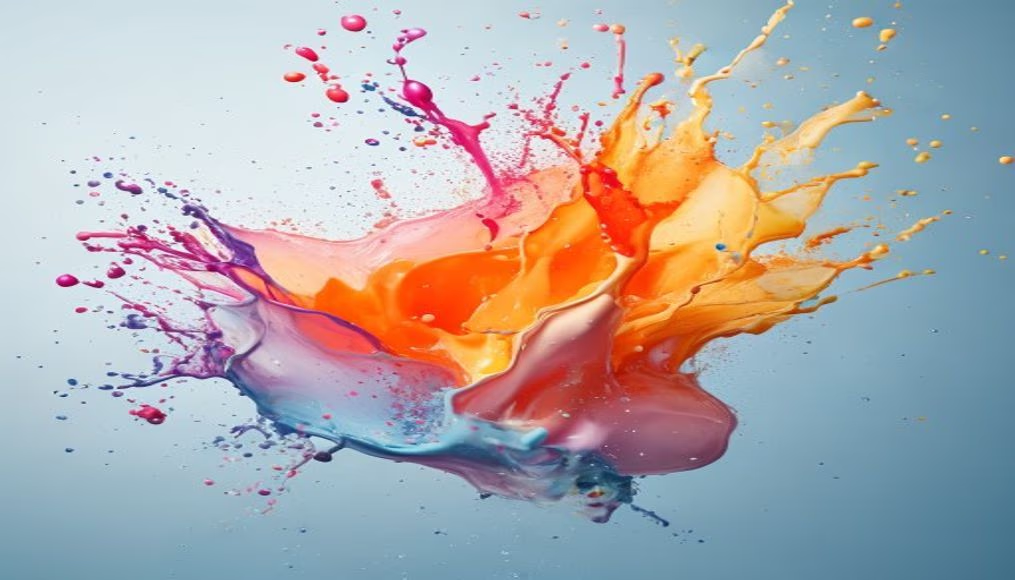
Paint splash macro: a photographic technique capturing ephemeral shapes at high speed, used in advertising and fine art.
About this subject
Macro paint splash photography combines technical precision and creativity to freeze split-second moments when paint disperses in the air. This technique gained popularity in the early 2000s with the advent of high-speed digital cameras and short-duration flashes. Unlike classic high-speed photography, such as bullets frozen by Harold Edgerton, the focus here is on the aesthetic of fluid colors and textures, often used in advertisements for beverages, cosmetics, and electronics to symbolize motion and dynamism.
To achieve a sharp image, photographers use macro lenses (100mm or longer), small apertures (f/11 or f/16), and continuous shooting or sound triggers. The environment is controlled: paint is ejected from syringes or mechanical devices onto a surface or into a liquid container. Studio flashes sync with the moment of impact, creating dramatic shadows and enhancing color saturation.
Commercially, this technique is valued for producing unique, organic images that are difficult to replicate with computer graphics. Brands like Coca-Cola and Apple have used paint splashes in campaigns to convey energy and innovation. In Brazil, photographers such as João Paulo de Paula and Paulo Vainer have explored the genre in editorial and advertising shoots. The required precision makes each session a logistical challenge: hundreds of shots may be needed to capture the ideal shape.
Interestingly, the choice of paint directly affects the outcome. Acrylic paints have medium viscosity, while oil-based paints create thicker drops. Additives like glycerin or correction fluid alter surface tension, producing crown or separation effects. The technique also applies to liquids like milk or coffee, expanding creative possibilities without leaving the studio.
Frequently Asked Questions
How is macro paint splash photography done?
It uses a camera with a macro lens, synchronized flashes, and a trigger (manual or sound sensor) to capture the exact moment paint is launched. The environment is dark, and flashes are the sole light source with very short duration (1/10,000 s or less).
Why is this technique important in advertising?
It creates abstract, dynamic images that convey motion, modernity, and visual purity, ideal for campaigns for products like soft drinks, perfumes, and electronics. It also offers originality difficult to achieve with 3D rendering.
What equipment is recommended for beginners in this type of photography?
A DSLR or mirrorless camera with continuous shooting mode, a 100mm macro lens, an external flash with power control, a tripod, and a remote triggering system. For paint, syringes and transparent containers help with control.
Direct URL
https://pub-c7d6a6ea828543ac903a74a341ccb2e1.r2.dev/imagens/paint-splash-macro-commercial-product-photography-v9.avifHow to credit
Include a visible link back to UtilizAí. Copy one of the snippets below:
<a href="https://xn--utiliza-eza.com/en/midia/imagens/paint-splash-macro-commercial-product-photography-v9">Paint splash macro</a> by <a href="https://xn--utiliza-eza.com">UtilizAí</a>, licensed under <a href="https://creativecommons.org/licenses/by/4.0/">CC BY 4.0</a>.
[Paint splash macro](https://xn--utiliza-eza.com/en/midia/imagens/paint-splash-macro-commercial-product-photography-v9) by [UtilizAí](https://xn--utiliza-eza.com), CC BY 4.0
License: CC-BY-4.0