Pagoda multiple stories
1344×768 · AVIF · CC BY 4.0
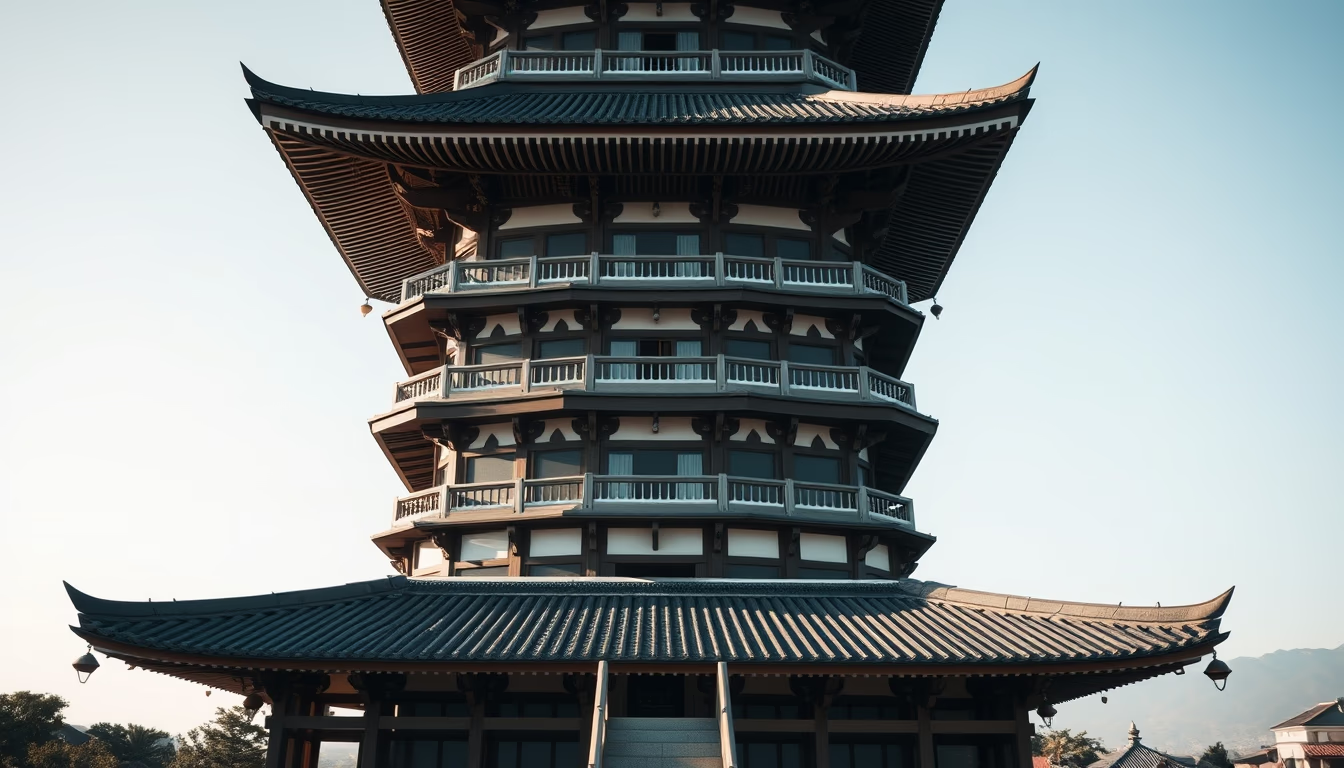
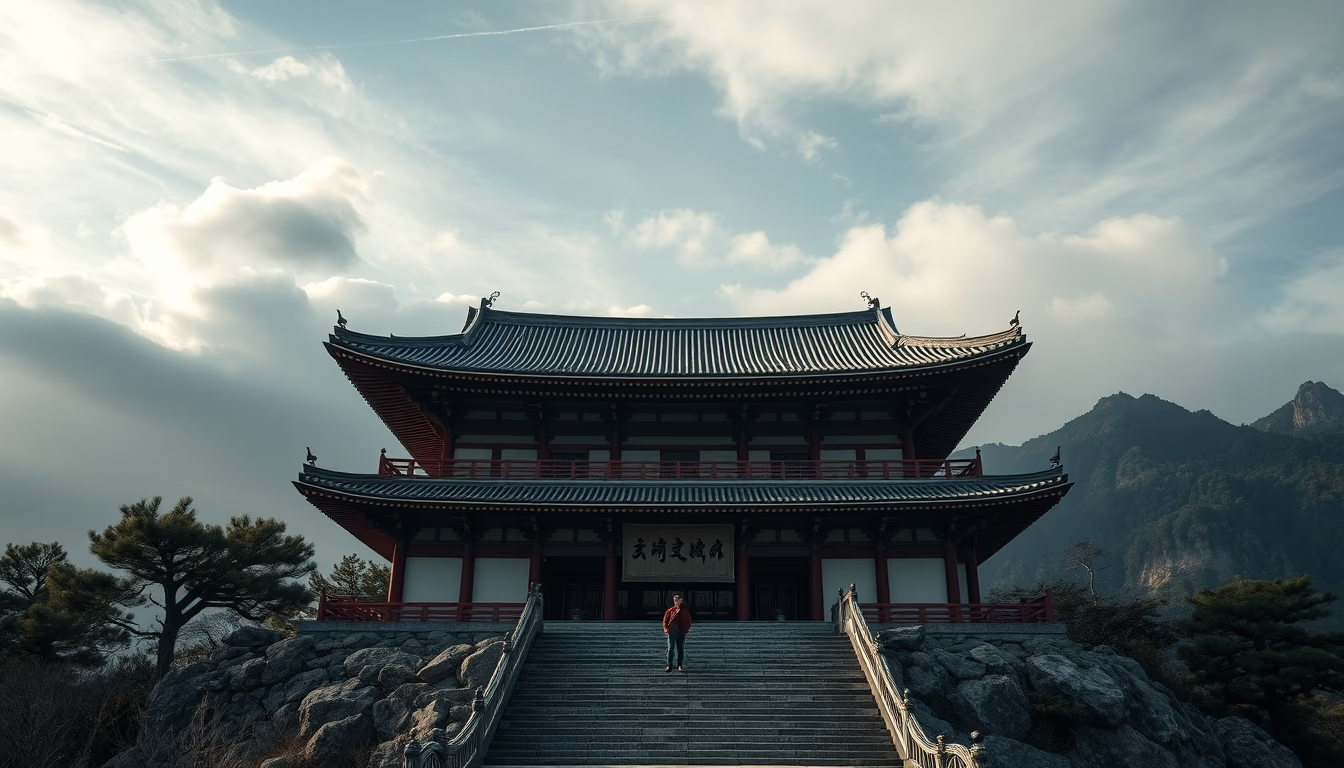
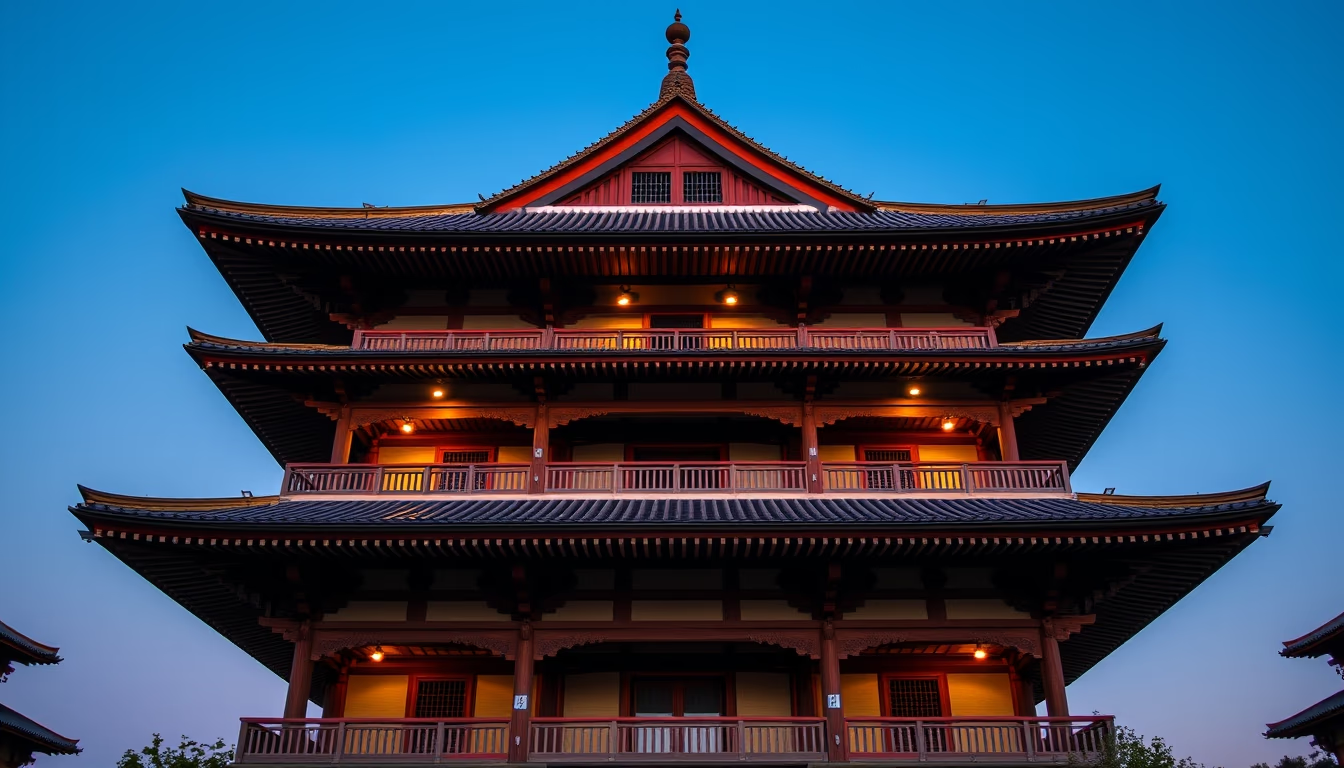
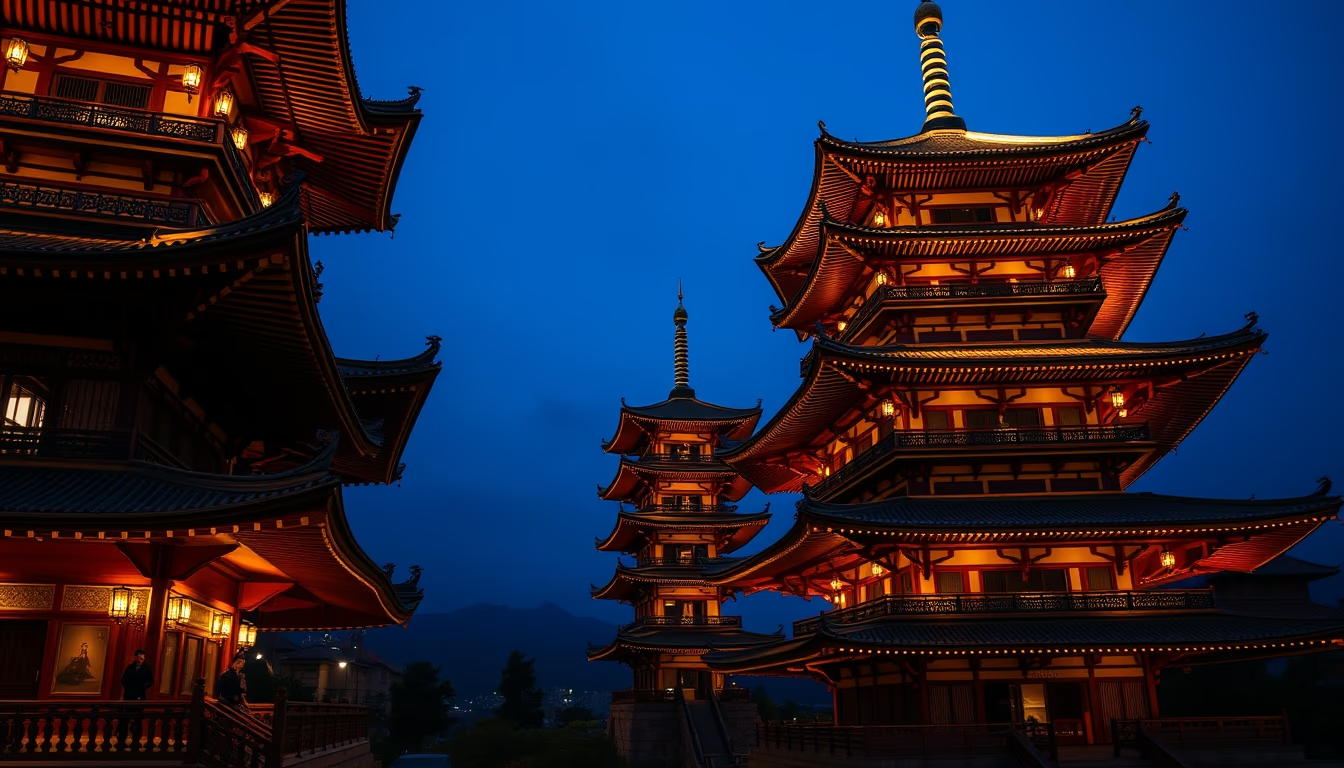
The multi-storied pagoda is an architectural icon of Buddhism, symbolizing the connection between the earthly and the divine. Its minimalist structure inspires serenity.
About this subject
The pagoda is a religious structure originating in Asia, evolved from the Indian stupa. While the stupa was a semicircular mound of relics, the pagoda developed in China as a multi-storied tower with curved roofs and eaves. In Japan, the pagoda (tō) became essential to Buddhist temples, including Zen ones, adopting slenderer and more minimalist forms. Each story carries deep symbolism: the five elements earth, water, fire, air, and void, representing the spiritual journey. The number of stories is almost always odd, from three to nine, as odd numbers are considered auspicious in Buddhism.
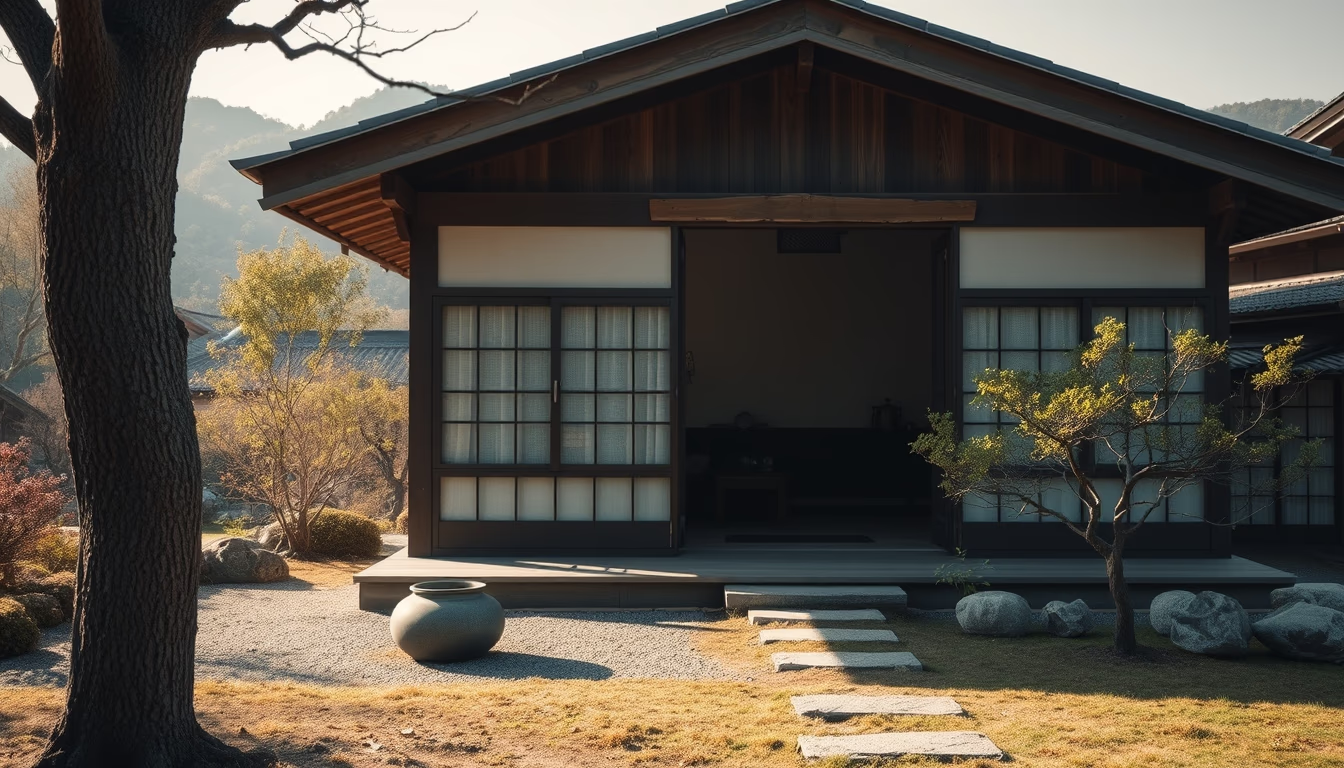
The connection to Zen lies in the aesthetics of simplicity. Zen pagodas, such as those found at Kennin-ji Temple in Kyoto or Nago Temple, are devoid of excessive ornamentation. They emphasize verticality and harmony with nature, often surrounded by rock gardens or moss. The minimalist structure invites contemplation, a core principle of Zen meditation. Additionally, the pagoda functions as a stupa, housing relics of Buddha or sacred texts, and is a pilgrimage site.
In Japan, the three-story pagoda (sanju-no-tō) is common, but five-story examples (goju-no-tō) exist, such as the Pagoda of Toji Temple in Kyoto, Japan's tallest wooden tower. In China, the Iron Pagoda in Kaifeng, built in 1049, is famous for its glazed brick structure and earthquake resistance. In Korea, stone pagodas like that of Bulguksa Temple are UNESCO World Heritage sites. The pagoda's influence spread to Southeast Asia, such as Wat Phra Si Sanphet in Thailand, albeit with local designs.
Interestingly, the word "pagoda" derives from the Sanskrit term "bhagavatī", meaning "sacred". During Japan's Edo period, pagodas were built without nails, using wooden joints that allowed flexibility in earthquakes. This architectural knowledge reflects the integration of functionality and aesthetics, a principle dear to Zen minimalism. Today, the image of a multi-storied pagoda evokes peace and balance, becoming a global symbol of Eastern spirituality.
Frequently Asked Questions
How many stories does a pagoda typically have?
The number of stories is usually odd, ranging from 3 to 9. The most common are 3, 5, and 7 stories. Odd numbers symbolize transcendence and auspiciousness in Buddhism.
What is the meaning of the stories of a pagoda?
Each story represents one of the five elements: earth, water, fire, air, and void. They also symbolize the stages of spiritual enlightenment, from the material world to absolute emptiness.
Where can I find famous pagodas around the world?
Notable examples include Chureito Pagoda in Japan, the Iron Pagoda in China, Shwe Dagon Pagoda in Myanmar, and Bulguksa Temple in South Korea. Many are visited by tourists and pilgrims.
Direct URL
https://pub-c7d6a6ea828543ac903a74a341ccb2e1.r2.dev/imagens/pagoda-multiple-stories-minimalist-composition-fresh11.avifHow to credit
Include a visible link back to UtilizAí. Copy one of the snippets below:
<a href="https://xn--utiliza-eza.com/en/midia/imagens/pagoda-multiple-stories-minimalist-composition-fresh11">Pagoda multiple stories</a> by <a href="https://xn--utiliza-eza.com">UtilizAí</a>, licensed under <a href="https://creativecommons.org/licenses/by/4.0/">CC BY 4.0</a>.
[Pagoda multiple stories](https://xn--utiliza-eza.com/en/midia/imagens/pagoda-multiple-stories-minimalist-composition-fresh11) by [UtilizAí](https://xn--utiliza-eza.com), CC BY 4.0
License: CC-BY-4.0