Pagoda multiple stories
1344×768 · AVIF · CC BY 4.0
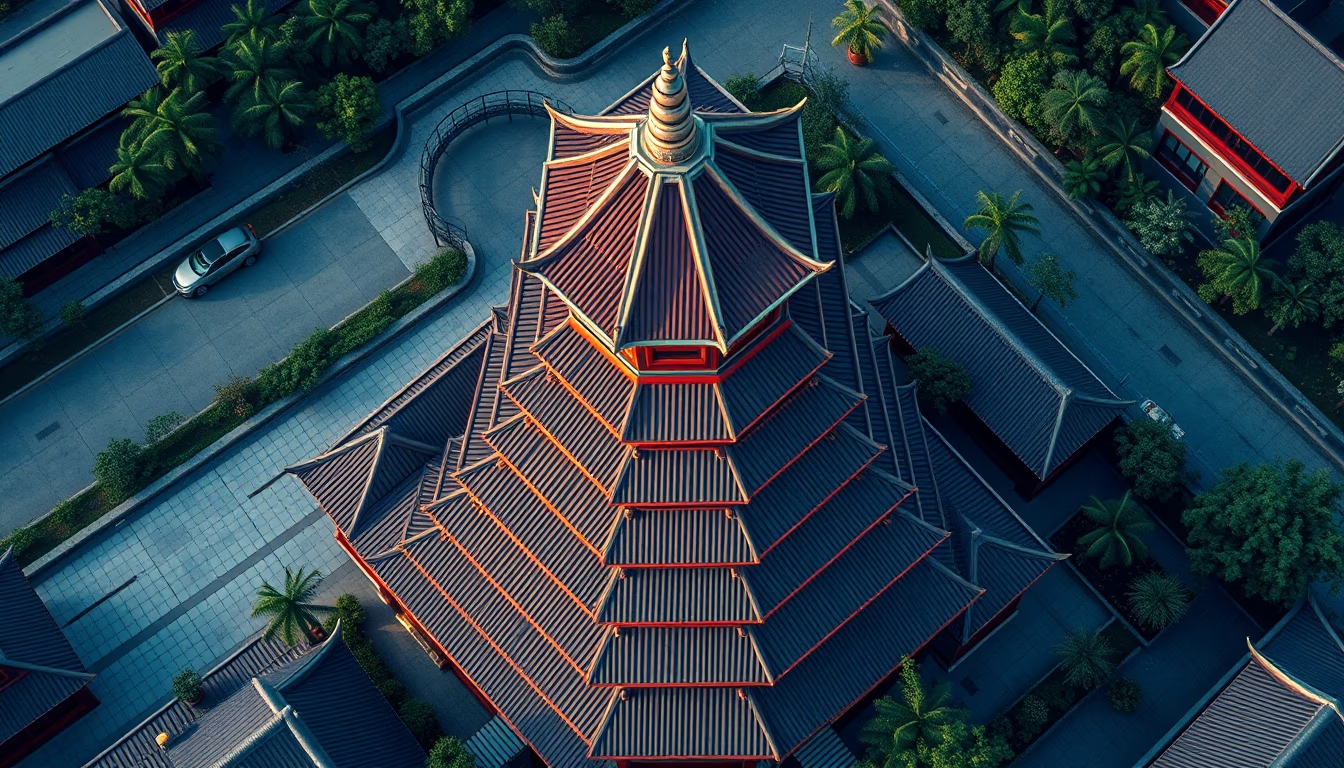
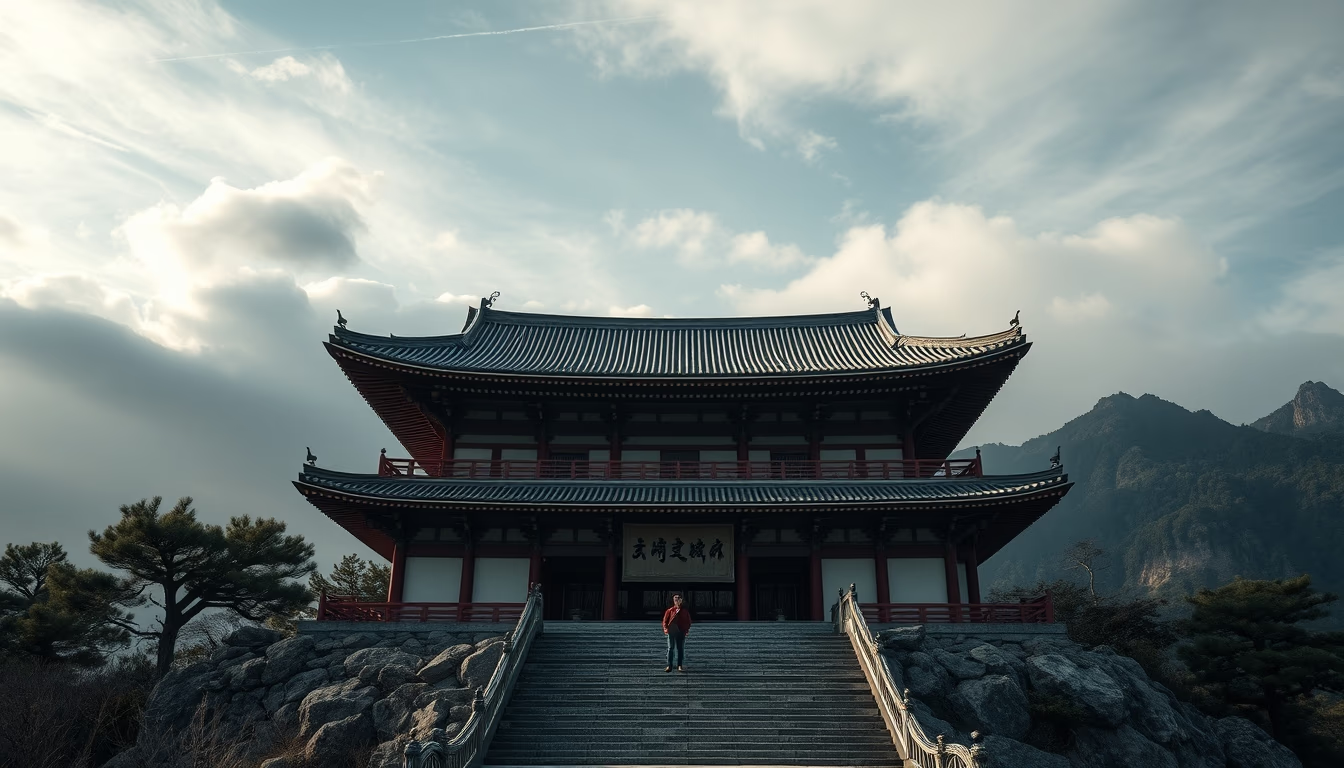
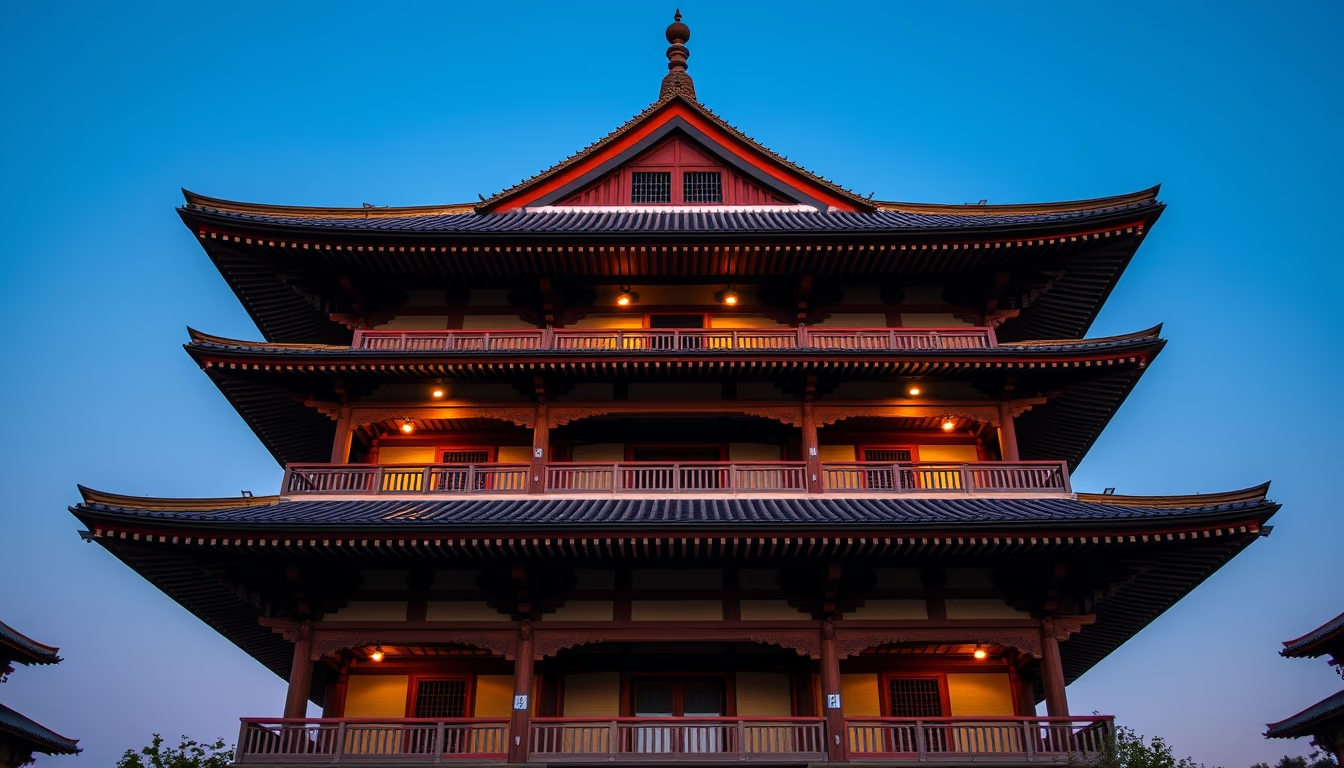
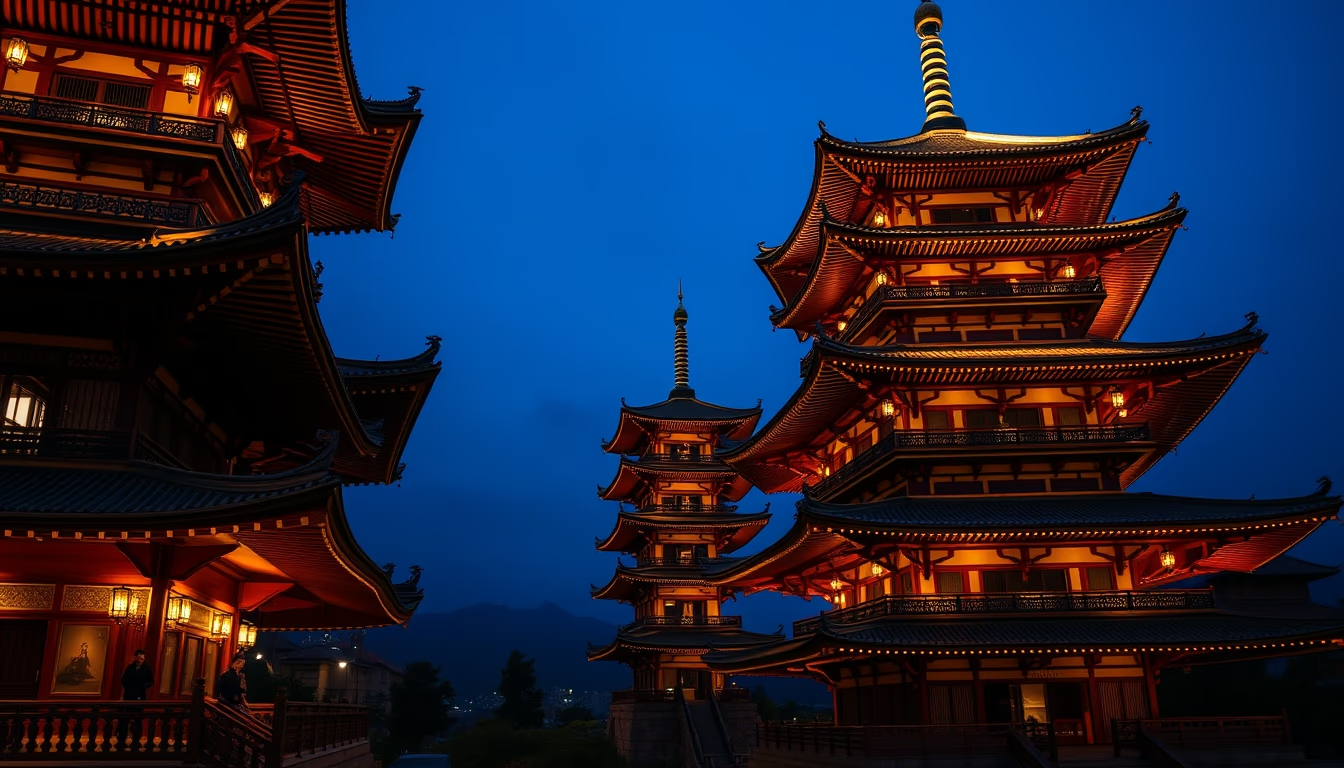
Multi-story pagodas are iconic structures of Asian architecture, blending religious symbolism with ancient engineering.
About this subject
Multi-story pagodas, typical of East Asia, evolved from Indian stupas, which originally housed Buddhist relics. As Buddhism spread through China, Japan, Korea, and other countries, the form was adapted and gained superimposed pavilions, usually in odd numbers (3, 5, 7, or 9 stories), each representing a stage on the path to enlightenment. The structure is predominantly wooden, using joinery techniques that require no nails, as seen in the famous Horyuji Temple in Japan, the oldest wooden pagoda in the world (7th century). Vibrant colors (red, gold) and curved roofs are symbolic: red wards off evil spirits, while curves facilitate water drainage.
In China, the Iron Pagoda in Kaifeng (11th century) impresses with its 13 stories and glazed tile cladding that mimics metal. In Vietnam, the Thien Mu Pagoda in Hue, with seven stories, is a symbol of the imperial city. The bells on the eaves produce sounds that purify the environment. Beyond religious purposes, pagodas often served as lookout towers, navigation landmarks, or repositories for sacred scriptures.
Architecturally, each story is supported by columns and crossbeams, forming a central pillar (shinbashira) that connects the base to the top, acting as an axis for seismic stability. This ingenuity allowed many to survive earthquakes for centuries. In Zen Buddhism, the pagoda is a symbol of concentration and spiritual verticality, inspiring meditation.
Fun fact: The tallest pagoda in the world is the Tianning Pagoda in Changzhou, China, at 153 meters (13 stories), completed in 2007. Meanwhile, the Japanese Pagoda at Chùa Cầu in Hoi An (16th century) is an example of cultural fusion, with Japanese, Chinese, and Vietnamese influences.
Frequently Asked Questions
Why do pagodas usually have an odd number of stories?
The odd number, such as 3, 5, or 7, holds spiritual significance in Buddhism. Each story represents a stage on the path to enlightenment, and the total number symbolizes perfection or transcendence.
What was the function of a pagoda beyond a religious temple?
Historically, pagodas served as lookout towers, navigation beacons, repositories for sacred scriptures, and even as depositories for relics. Some also functioned as commemorative monuments.
How do wooden pagodas withstand earthquakes?
The structure uses a flexible central pillar (shinbashira) and wooden joinery that absorb seismic vibrations. The joints allow movement without collapsing, a technique perfected over centuries in Japan.
Direct URL
https://pub-c7d6a6ea828543ac903a74a341ccb2e1.r2.dev/imagens/pagoda-multiple-stories-isometric-flat-lay-fresh2.avifHow to credit
Include a visible link back to UtilizAí. Copy one of the snippets below:
<a href="https://xn--utiliza-eza.com/en/midia/imagens/pagoda-multiple-stories-isometric-flat-lay-fresh2">Pagoda multiple stories</a> by <a href="https://xn--utiliza-eza.com">UtilizAí</a>, licensed under <a href="https://creativecommons.org/licenses/by/4.0/">CC BY 4.0</a>.
[Pagoda multiple stories](https://xn--utiliza-eza.com/en/midia/imagens/pagoda-multiple-stories-isometric-flat-lay-fresh2) by [UtilizAí](https://xn--utiliza-eza.com), CC BY 4.0
License: CC-BY-4.0