Pagoda multiple stories
1344×768 · AVIF · CC BY 4.0
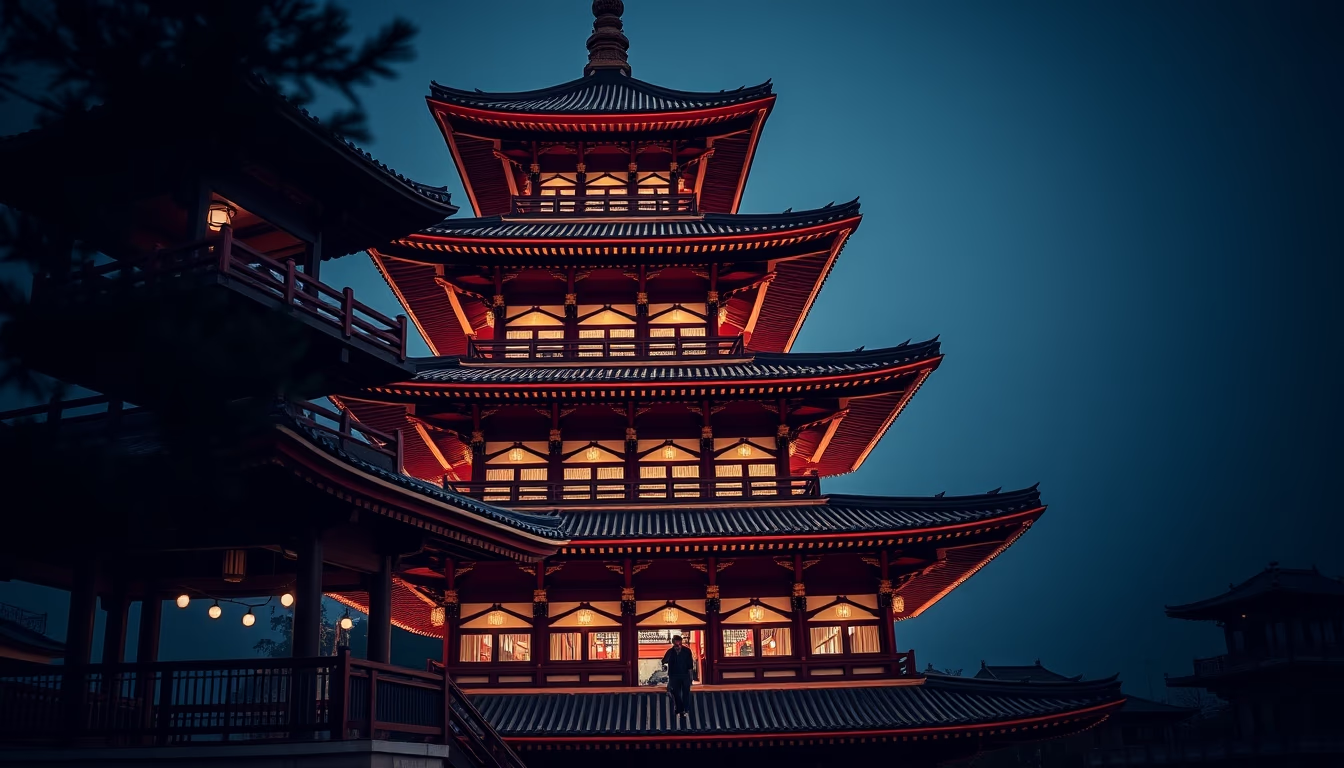
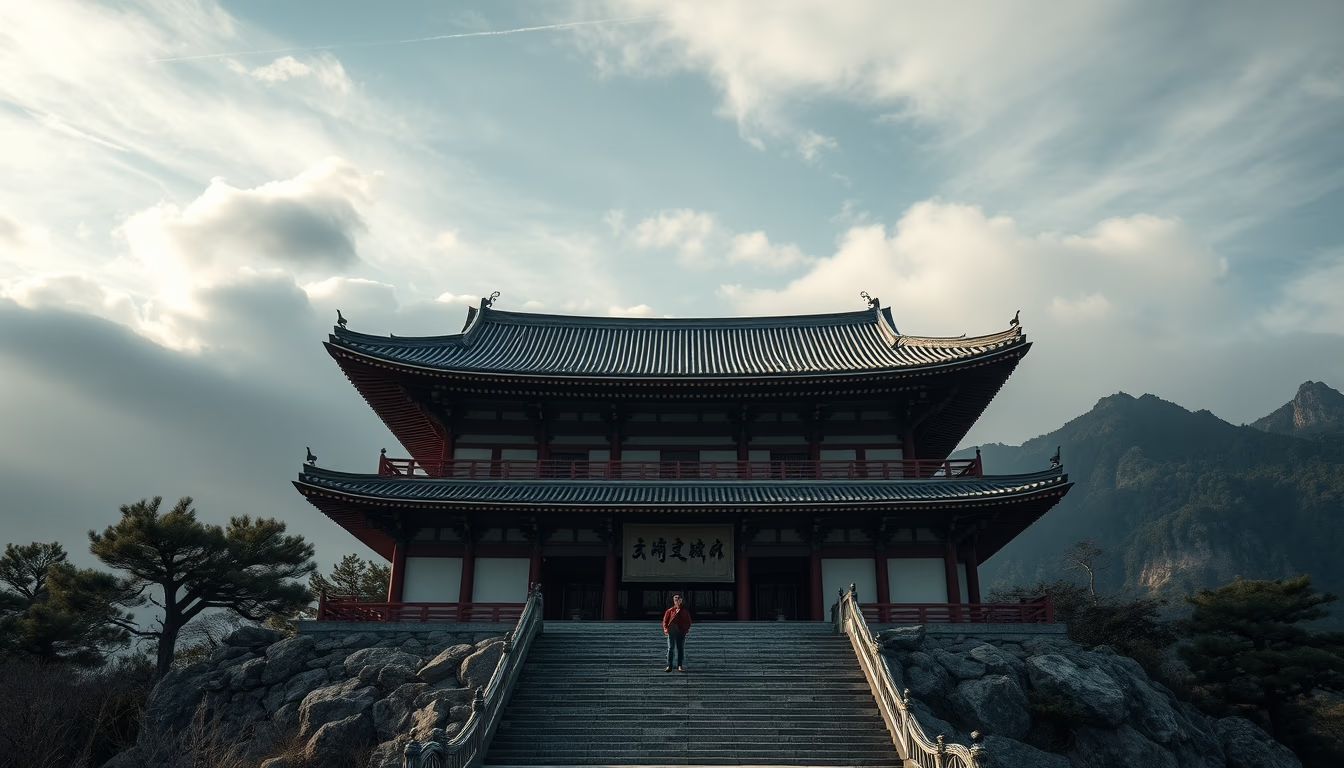
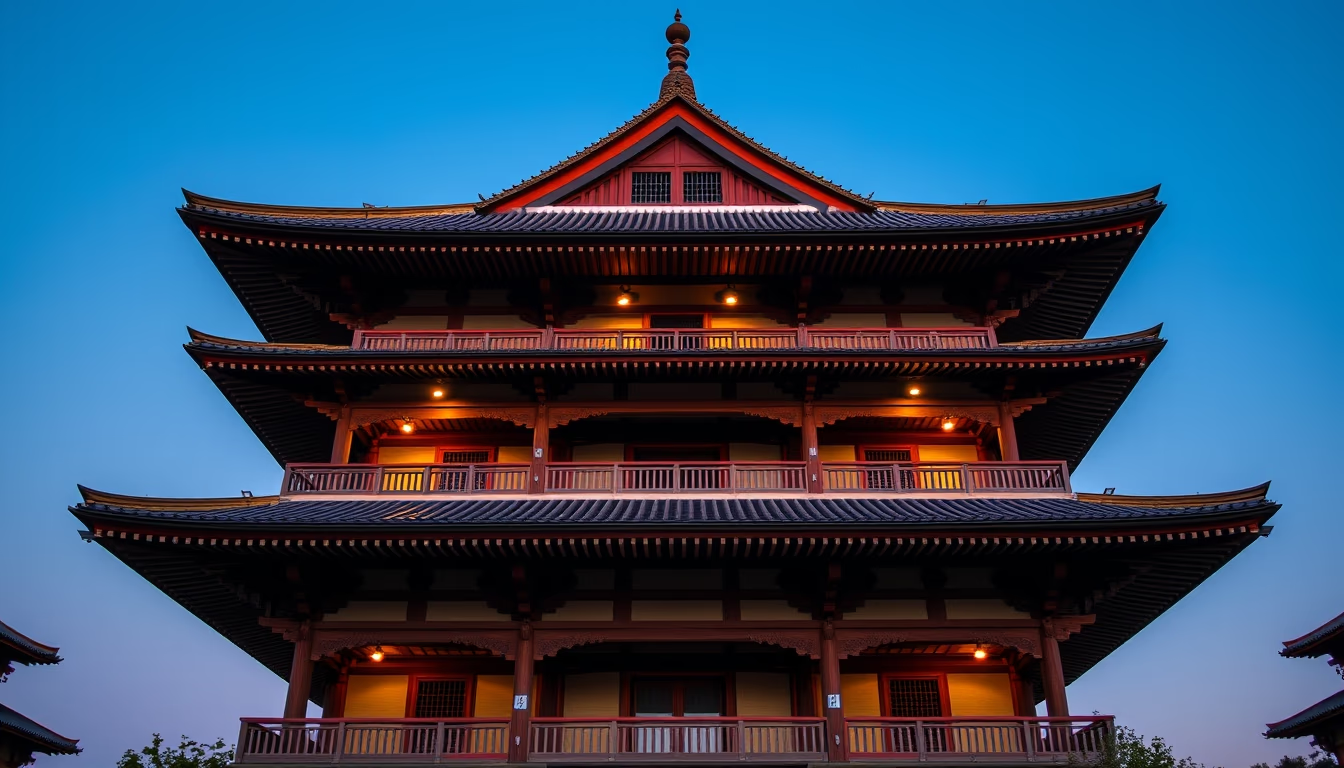
Pagodas are multi-storied towers, symbols of Buddhism and East Asian architecture, used to house relics and for meditation.
About this subject
Pagodas are iconic architectural structures that originated in India as stupas and evolved in China, Korea, Japan, and other East Asian countries. They are characterized by multiple stories, typically ranging from three to thirteen or more, each with a curved roof and raised eaves, symbolizing spiritual ascent. These stories represent the steps toward enlightenment in Buddhism. Pagodas were primarily built as religious temples but also served as watchtowers, lighthouses, or memorials.
Wood was the predominant material in East Asia, while in China and Japan some pagodas were made of brick or stone, such as the Iron Pagoda in Kaifeng, China, which is actually made of reddish-brown glazed tile. Famous examples include the Chureito Pagoda in Japan with five stories, and the Shwedagon Pagoda in Myanmar, though it is more of a golden stupa. The structure is designed to withstand earthquakes, with wooden joinery absorbing vibrations.
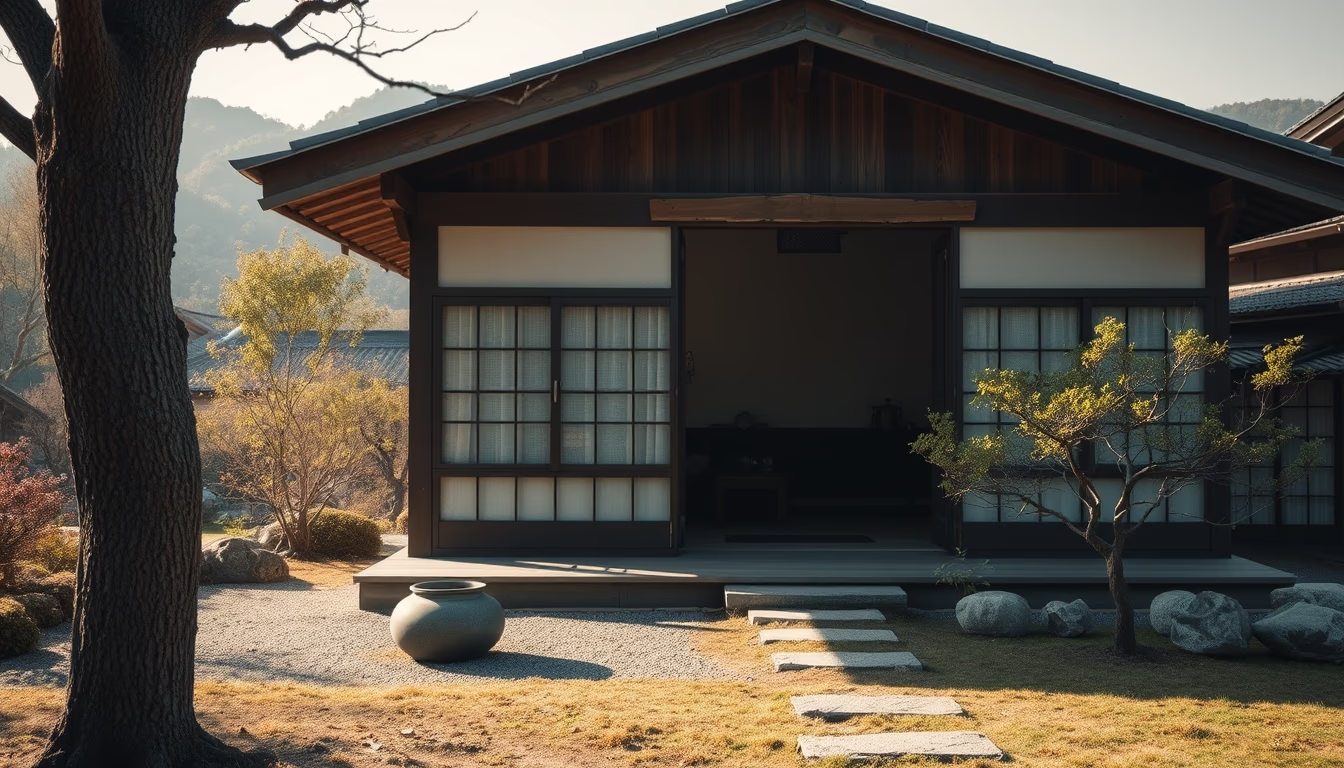
In Zen culture, pagodas are often associated with meditation and inner peace. They are depicted in Zen gardens, such as at the Kinkaku-ji temple in Kyoto, where the three-story pagoda reflects in the lake. The symmetry and repetition of stories invite contemplation. Moreover, pagodas influenced Western architecture, such as the 18th-century English pagoda style, exemplified by the Pagoda at Kew Gardens in London.
Interestingly, the tradition of building five-story pagodas (gojunoto) in Japan symbolizes the five elements of Buddhist cosmology: earth, water, fire, wind, and void. These structures are often found in Zen temples, serving as focal points for meditative practice.
Frequently Asked Questions
What is the spiritual meaning of a pagoda's stories?
Each story represents a step on the Buddhist path to enlightenment, symbolizing spiritual ascent. The number of stories is usually odd, with the top representing nirvana.
How do pagodas withstand earthquakes?
Wooden pagodas use interlocking joints and flexible pillars that absorb seismic vibrations. The central pillar, like a mast, also helps stabilize the building during tremors.
What are the most famous pagodas in the world?
The Shwedagon Pagoda in Myanmar (gold-plated), the Chureito Pagoda in Japan (five stories with Mount Fuji view), and the Iron Pagoda in China (11th century) are some iconic examples.
Direct URL
https://pub-c7d6a6ea828543ac903a74a341ccb2e1.r2.dev/imagens/pagoda-multiple-stories-fine-art-photography-fresh12.avifHow to credit
Include a visible link back to UtilizAí. Copy one of the snippets below:
<a href="https://xn--utiliza-eza.com/en/midia/imagens/pagoda-multiple-stories-fine-art-photography-fresh12">Pagoda multiple stories</a> by <a href="https://xn--utiliza-eza.com">UtilizAí</a>, licensed under <a href="https://creativecommons.org/licenses/by/4.0/">CC BY 4.0</a>.
[Pagoda multiple stories](https://xn--utiliza-eza.com/en/midia/imagens/pagoda-multiple-stories-fine-art-photography-fresh12) by [UtilizAí](https://xn--utiliza-eza.com), CC BY 4.0
License: CC-BY-4.0