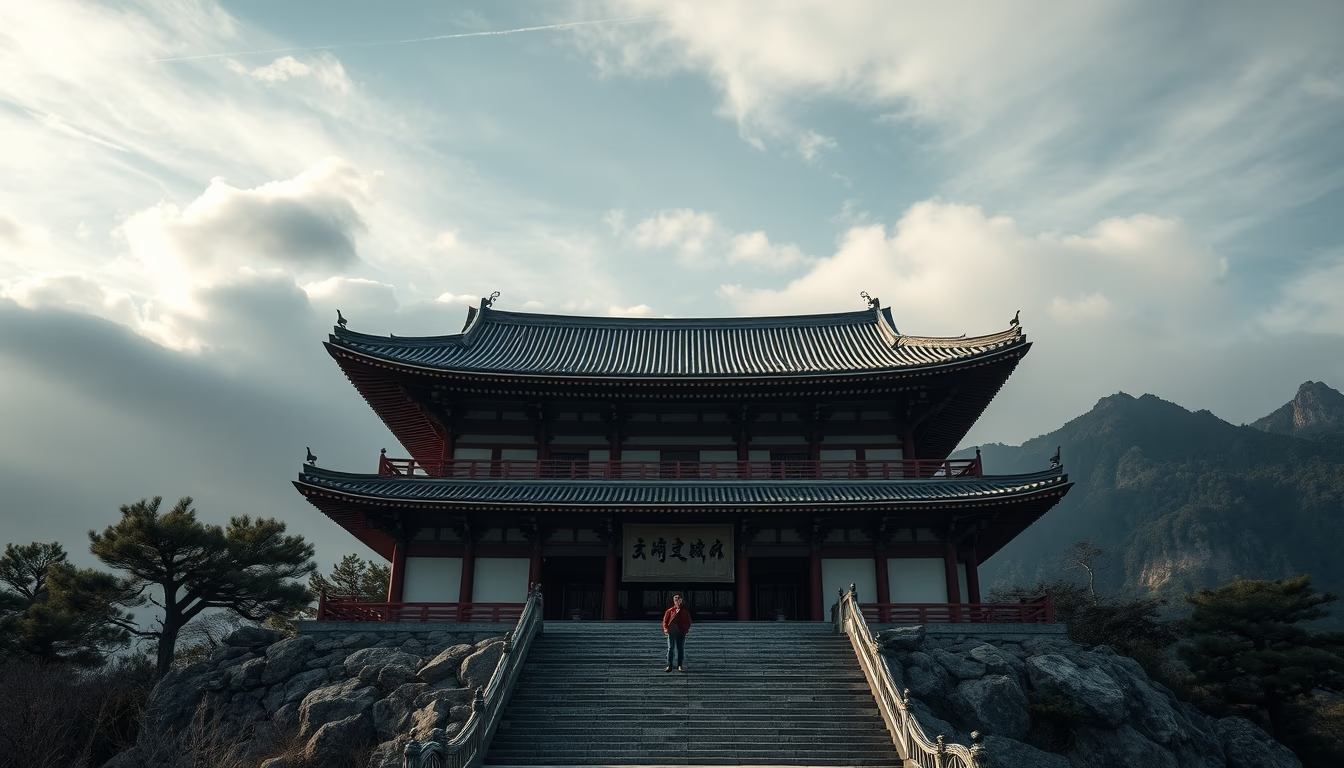
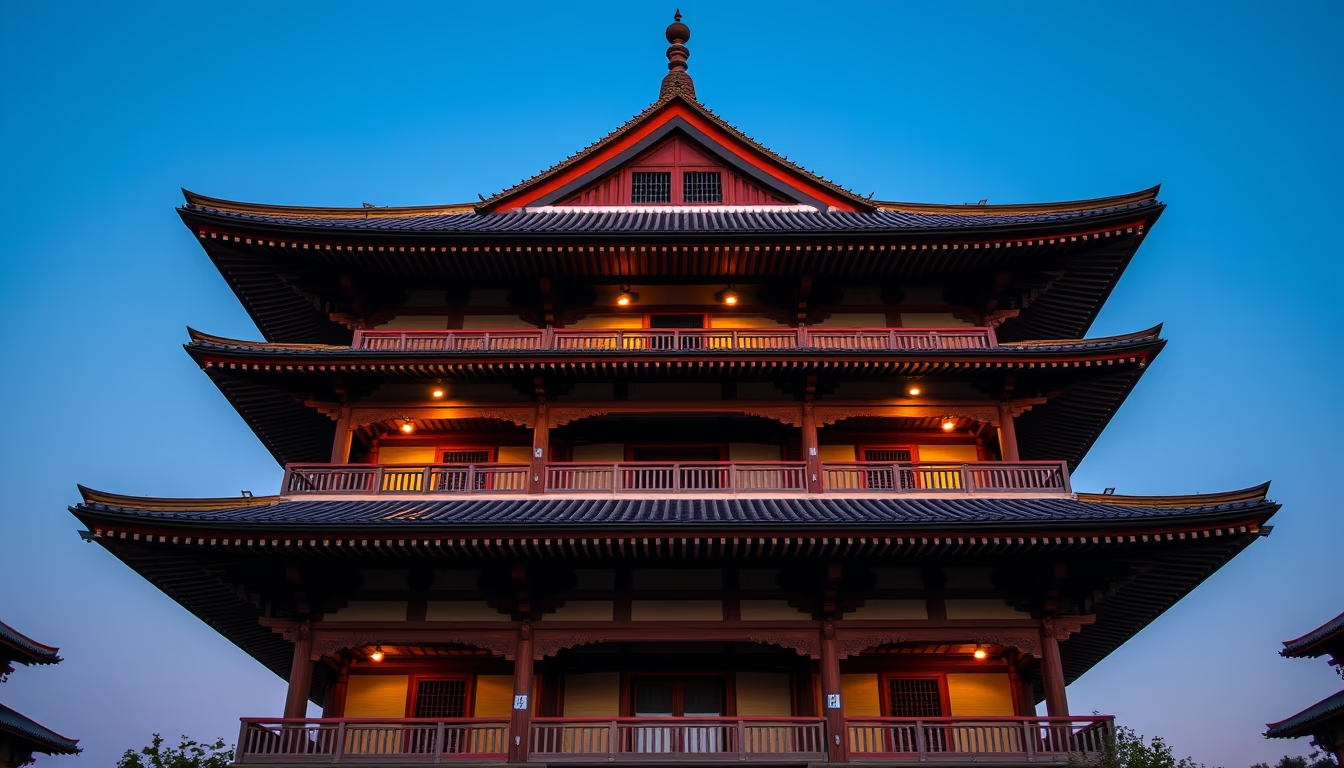
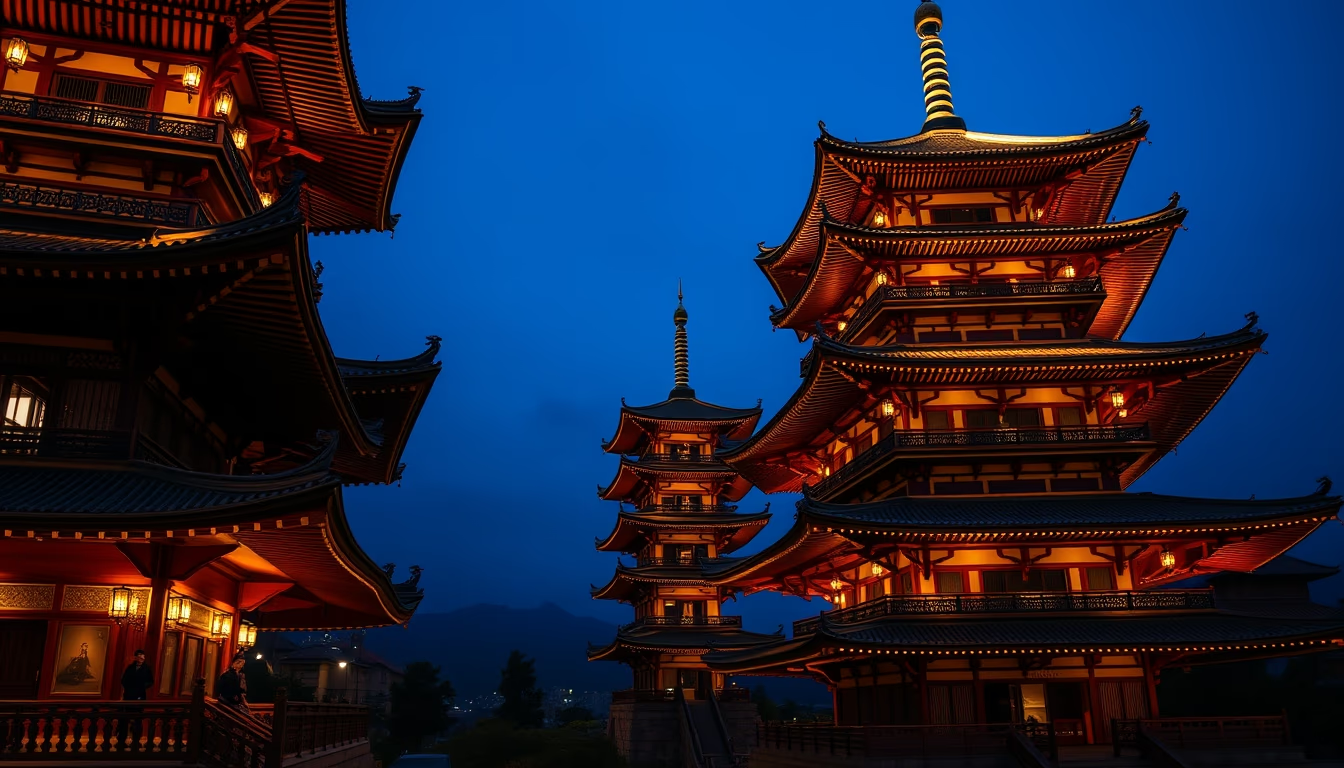
Pagoda multiple stories
1344×768 · AVIF · CC BY 4.0
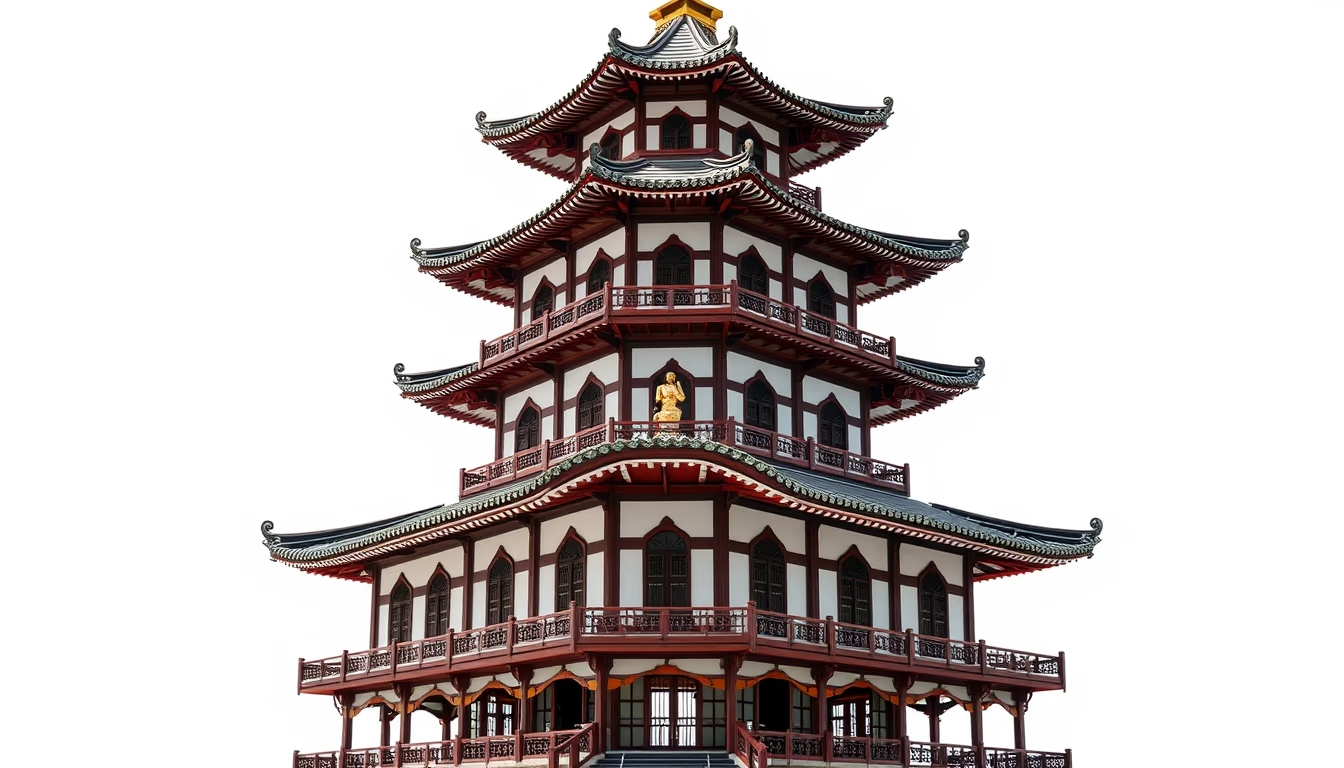
The multi-story pagoda is a tiered tower typical of East Asia, deeply connected to Buddhism and the religious architecture of China, Japan, and Korea.
About this subject
Pagodas originated in India as stupas, funerary mounds that housed relics of the Buddha. As Buddhism spread to China around the 1st century AD, the form was adapted and gained multiple stories, incorporating Chinese architectural elements such as curved roofs and projecting eaves. Each story symbolizes a step on the path to enlightenment, and the number of stories is typically odd, ranging from three to thirteen.
In Japan, pagodas (tō) are common in Buddhist temples, usually made of wood, with five stories representing the five elements of Buddhist cosmology: earth, water, fire, wind, and void. The five-story pagoda of Hōryū-ji, built in the 7th century, is one of the oldest surviving wooden structures in the world and exemplifies the Chinese influence adapted to Japanese style. In Korea, stone pagodas, such as those at Bulguksa Temple, also follow the multi-story tradition but with greater emphasis on symmetry and proportion.
Pagodas were not only places of worship but also served as watchtowers, lighthouses, and urban landmarks. The giant wooden pagoda of Yingxian Temple in China, with nine stories, is the oldest existing pagoda of its kind, dating to 1056. Its construction without nails, using only interlocking wooden brackets, is a marvel of engineering. Today, pagodas are symbols of peace and spirituality, attracting tourists and scholars interested in history and architecture.
Frequently Asked Questions
What does the number of stories in a pagoda mean?
The number of stories, usually odd, symbolizes the stages of spiritual journey toward enlightenment. In Japan, five stories represent the five elements: earth, water, fire, wind, and void.
Which is the oldest pagoda in the world?
The wooden pagoda of Yingxian Temple in China, built in 1056, is the oldest surviving. The five-story pagoda of Hōryū-ji in Japan, from the 7th century, is one of the oldest wooden structures in the world.
Are pagodas exclusive to Buddhism?
Although Buddhist in origin, pagodas have been adopted by other traditions such as Taoism and Shinto, and today are widely recognized cultural symbols in East Asia.
Direct URL
https://pub-c7d6a6ea828543ac903a74a341ccb2e1.r2.dev/imagens/pagoda-multiple-stories-commercial-product-photography-fresh14.avifHow to credit
Include a visible link back to UtilizAí. Copy one of the snippets below:
<a href="https://xn--utiliza-eza.com/en/midia/imagens/pagoda-multiple-stories-commercial-product-photography-fresh14">Pagoda multiple stories</a> by <a href="https://xn--utiliza-eza.com">UtilizAí</a>, licensed under <a href="https://creativecommons.org/licenses/by/4.0/">CC BY 4.0</a>.
[Pagoda multiple stories](https://xn--utiliza-eza.com/en/midia/imagens/pagoda-multiple-stories-commercial-product-photography-fresh14) by [UtilizAí](https://xn--utiliza-eza.com), CC BY 4.0
License: CC-BY-4.0