Oyster farm bay
1344×768 · AVIF · CC BY 4.0
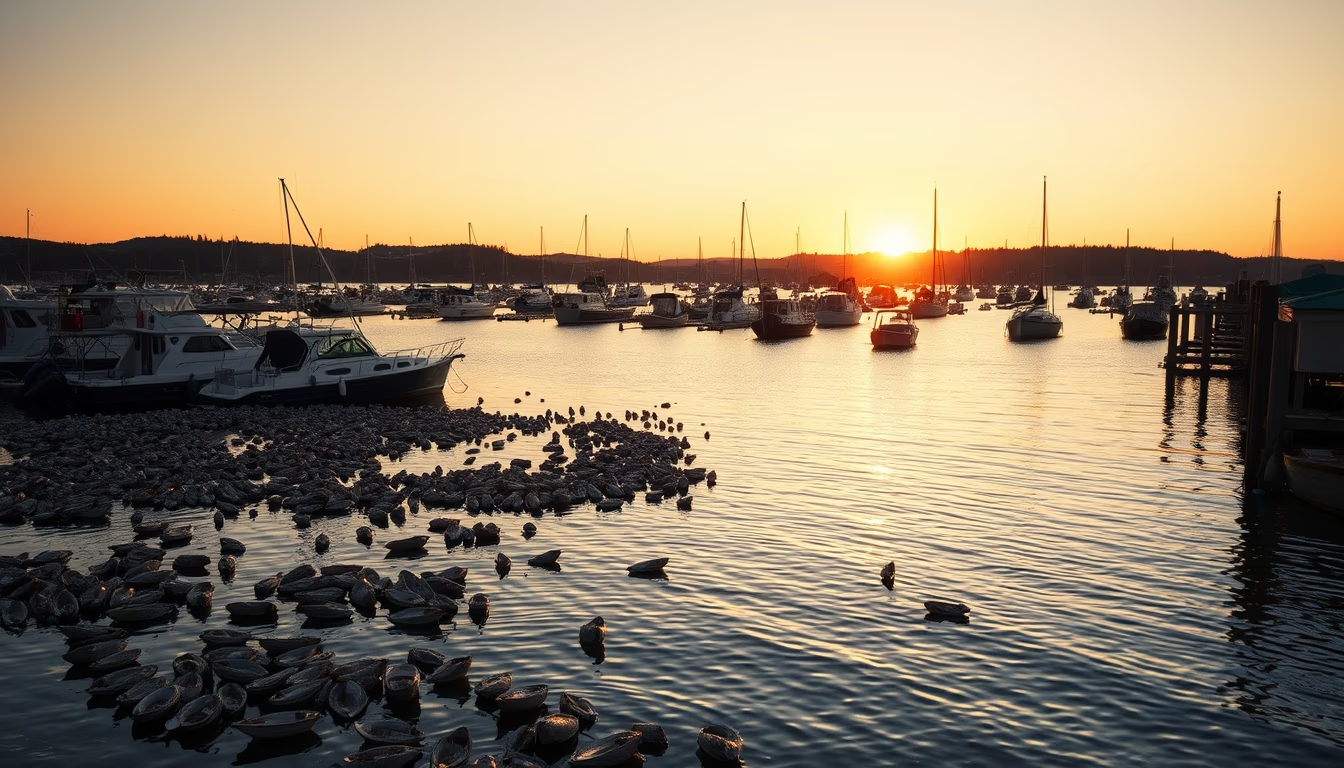
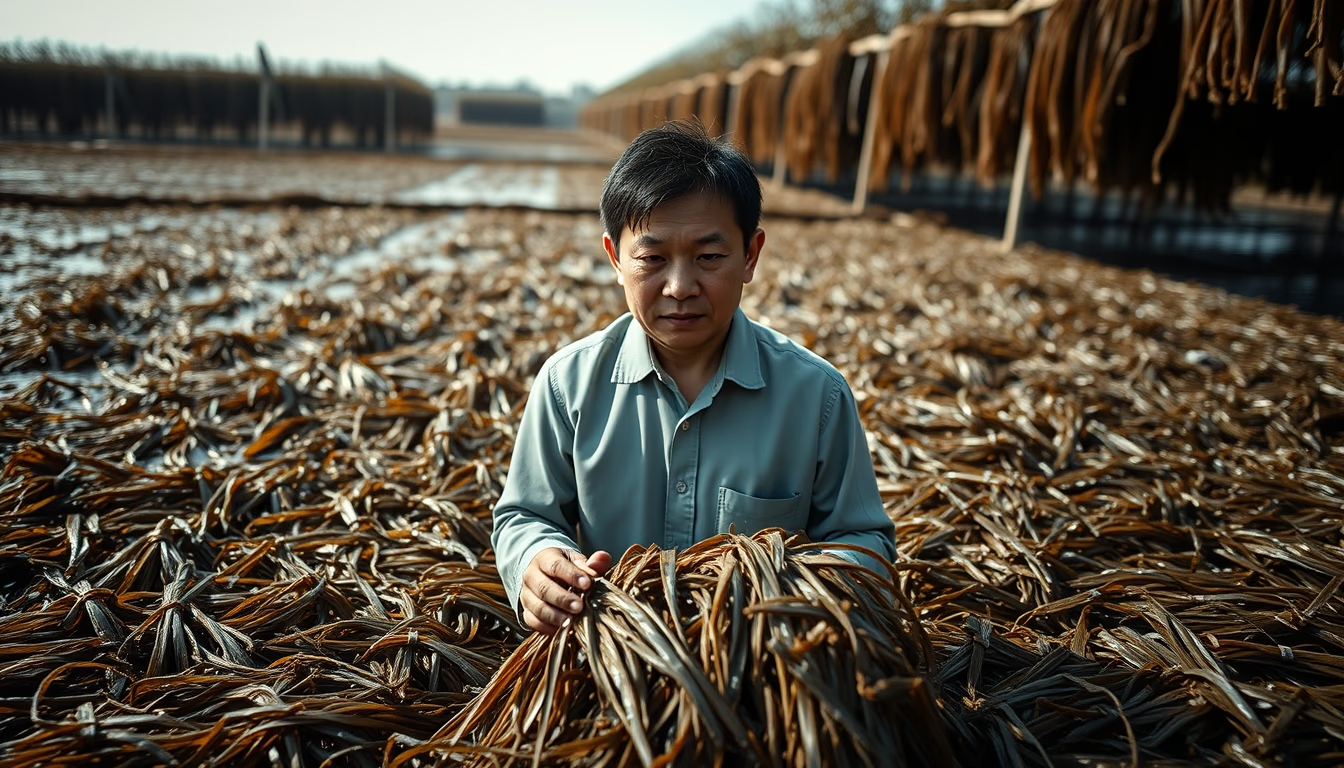
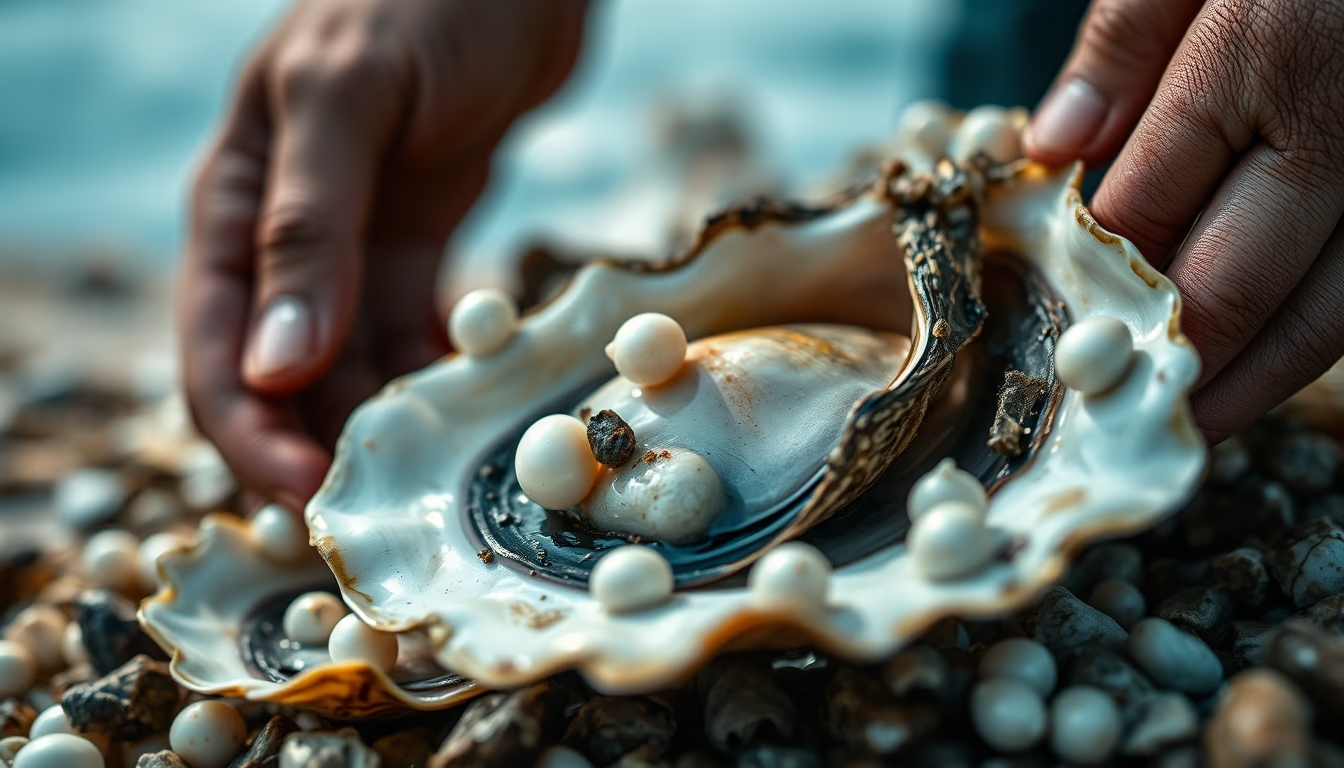
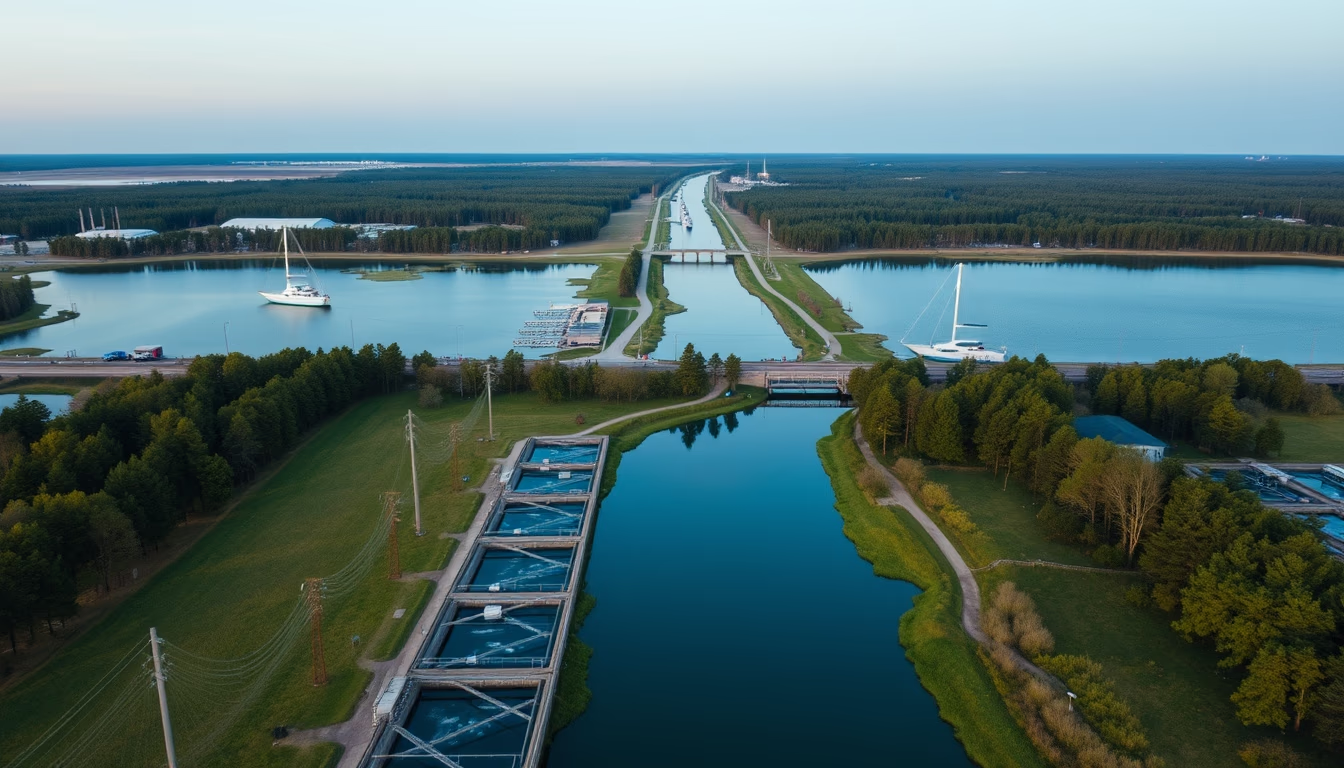
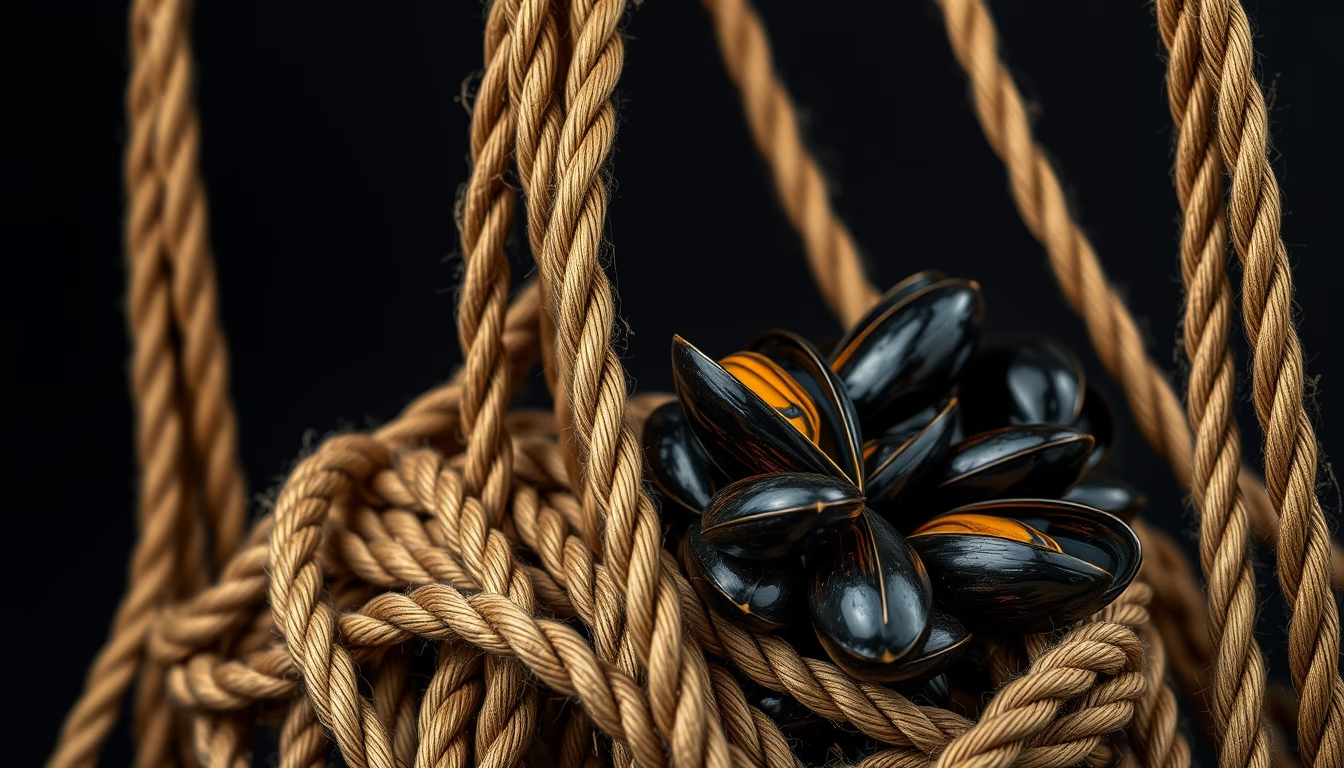
Oyster farming in coastal bays combines fishing tradition with sustainability, producing food and income for coastal communities.
About this subject
Oyster farming in bays is an aquaculture practice dating back centuries, especially in coastal regions of Europe, Asia, and the Americas. Oysters are bivalve mollusks that feed by filtering plankton and suspended particles from the water. This natural process improves water quality by reducing turbidity and excess nutrients, benefiting the entire marine ecosystem.
Oyster farms typically use methods such as suspended trays, ropes, or bottom cages, adapted to local tidal conditions and depth. In Brazil, oyster farming is concentrated along the coast of Santa Catarina, particularly around Greater Florianópolis, where it is an important economic activity. Common species include the Pacific oyster (Crassostrea gigas) and the native mangrove oyster (Crassostrea brasiliana).
Oyster production requires rigorous sanitary controls since they are often consumed raw. Growing areas are monitored for water quality and the presence of toxins. The oyster market is prized in gastronomy, and the activity generates direct and indirect jobs from production to commercialization. Additionally, oyster farms act as artificial reefs, sheltering other marine species and promoting biodiversity.
Interestingly, oysters can change sex during their lifetime, typically starting as males and becoming females after the first year. Reproduction involves releasing gametes into the water, where fertilization occurs. Planktonic larvae settle on hard substrates, initiating new individuals. Sustainable oyster farming is considered a low environmental impact alternative for marine animal protein production.
Frequently Asked Questions
What is the difference between farmed and wild oysters?
Farmed oysters are raised in marine farms under controlled conditions, with water quality monitoring and natural filter feeding. Wild oysters are harvested from the natural environment. Farmed oysters tend to have a more uniform shape and are generally safer for raw consumption due to sanitary controls.
Does oyster farming harm the environment?
On the contrary, oyster farming is considered sustainable and beneficial. Oysters filter the water, improving its quality, and farm structures act as artificial reefs, increasing local biodiversity. However, proper management is needed to avoid organic matter accumulation on the bottom.
How long does it take for an oyster to reach market size?
The time varies by species and environmental conditions, but generally it takes 18 to 24 months for an oyster to reach market size. In warmer, nutrient-rich waters, growth may be faster.
Direct URL
https://pub-c7d6a6ea828543ac903a74a341ccb2e1.r2.dev/imagens/oyster-farm-bay-cinematic-wide-shot-fresh18.avifHow to credit
Include a visible link back to UtilizAí. Copy one of the snippets below:
<a href="https://xn--utiliza-eza.com/en/midia/imagens/oyster-farm-bay-cinematic-wide-shot-fresh18">Oyster farm bay</a> by <a href="https://xn--utiliza-eza.com">UtilizAí</a>, licensed under <a href="https://creativecommons.org/licenses/by/4.0/">CC BY 4.0</a>.
[Oyster farm bay](https://xn--utiliza-eza.com/en/midia/imagens/oyster-farm-bay-cinematic-wide-shot-fresh18) by [UtilizAí](https://xn--utiliza-eza.com), CC BY 4.0
License: CC-BY-4.0