Mussel ropes ocean
1344×768 · AVIF · CC BY 4.0
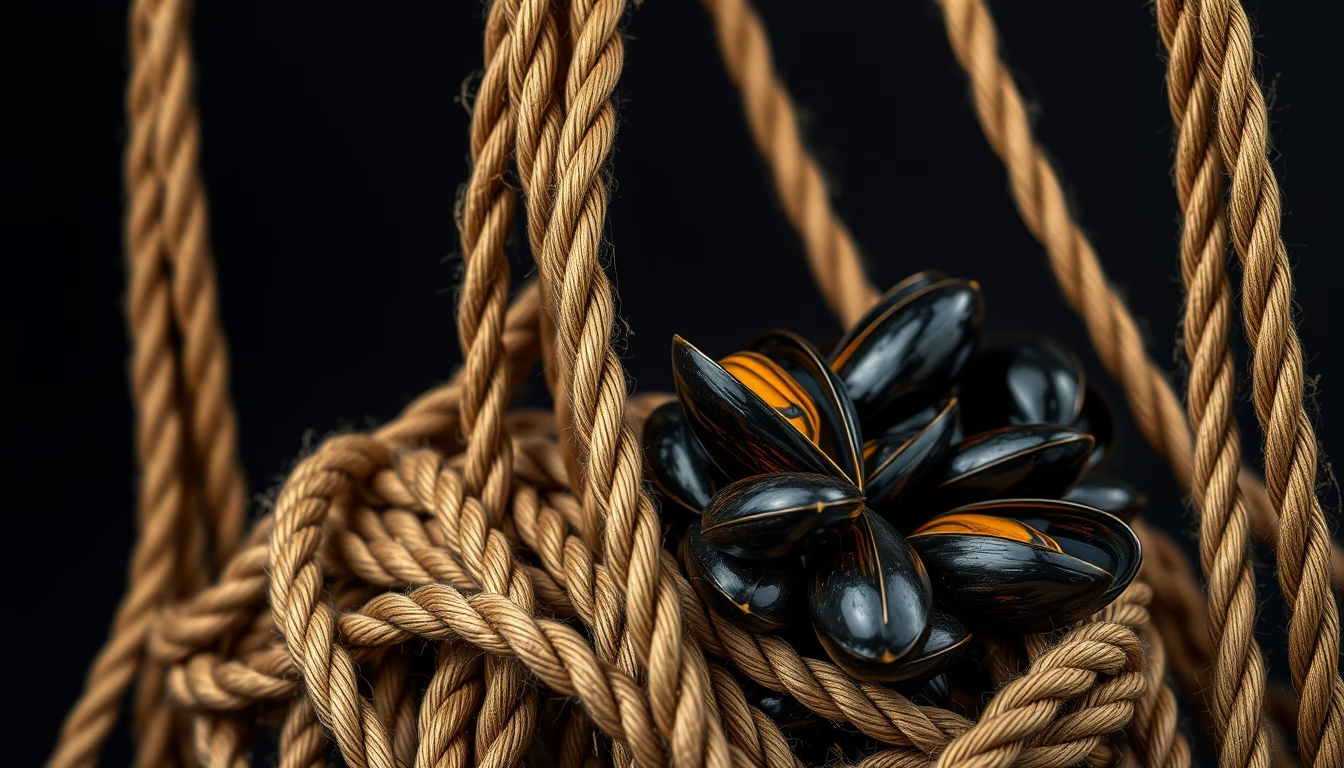
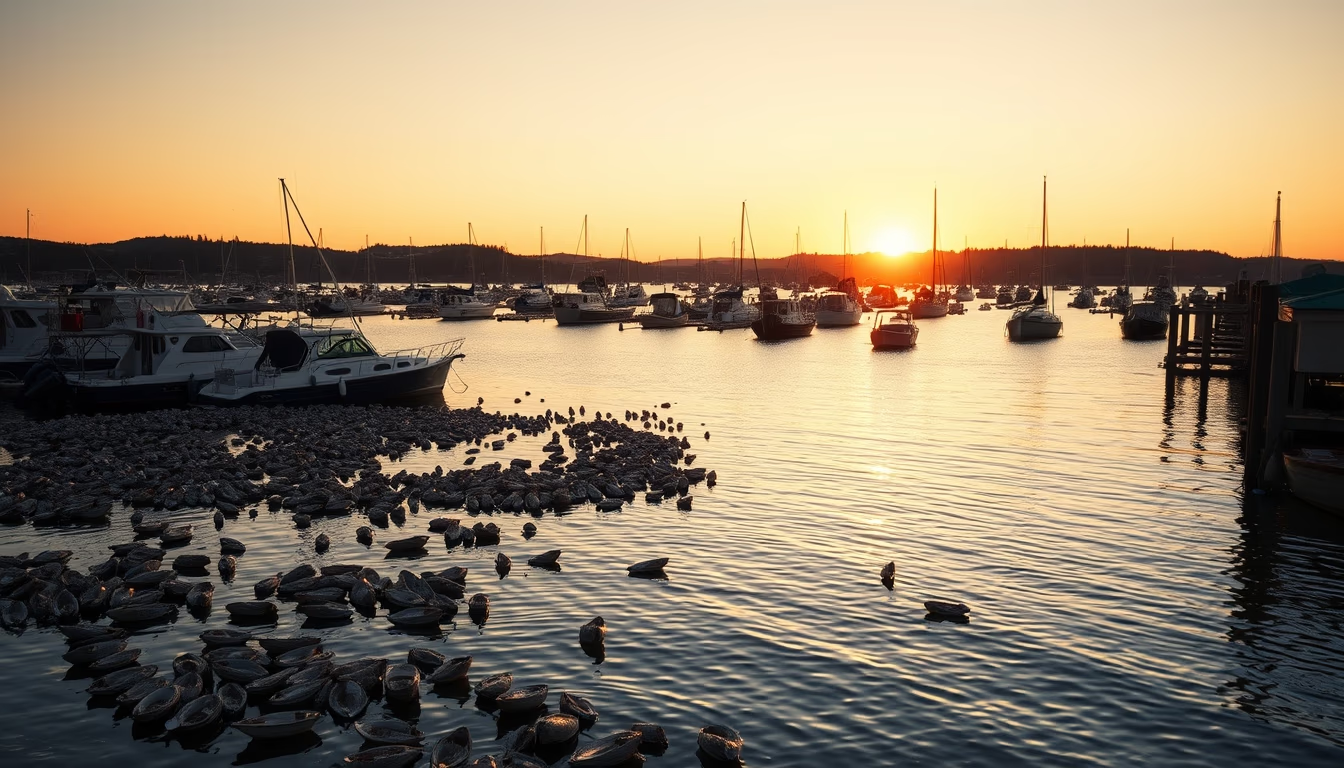
Mussel ropes in the ocean are suspended cultivation structures that allow large-scale mollusk growth, a common technique in global aquaculture.
About this subject
Mussel ropes are a key component of suspended aquaculture, also known as longline cultivation. In this system, synthetic or natural fiber ropes are hung from floating structures, submerged in the water column, where mussels attach and grow. This method is widely used in countries such as Spain, Chile, and New Zealand, which account for a large share of global mussel production. The ropes remain submerged for 6 to 18 months, depending on the species and environmental conditions.
Rope cultivation offers significant advantages over wild harvesting: it reduces pressure on natural stocks, allows water quality monitoring, and avoids contact with benthic predators. Moreover, mussels are efficient filter feeders, removing suspended particles and nutrients, which can help mitigate eutrophication in coastal areas. Each rope can yield 10 to 50 kilograms of mussels, depending on seed density and local productivity.
From an environmental perspective, suspended rope systems have a relatively low carbon footprint since they require no external feed or fertilizers. However, they can generate impacts such as accumulation of biodeposits (feces and pseudofeces) on the seabed and the potential escape of exotic species. Management practices like rotating cultivation areas and choosing sites with good hydrodynamics minimize these effects. Global farmed mussel production exceeded 2 million tonnes in 2022, with China leading, followed by Chile and Spain.
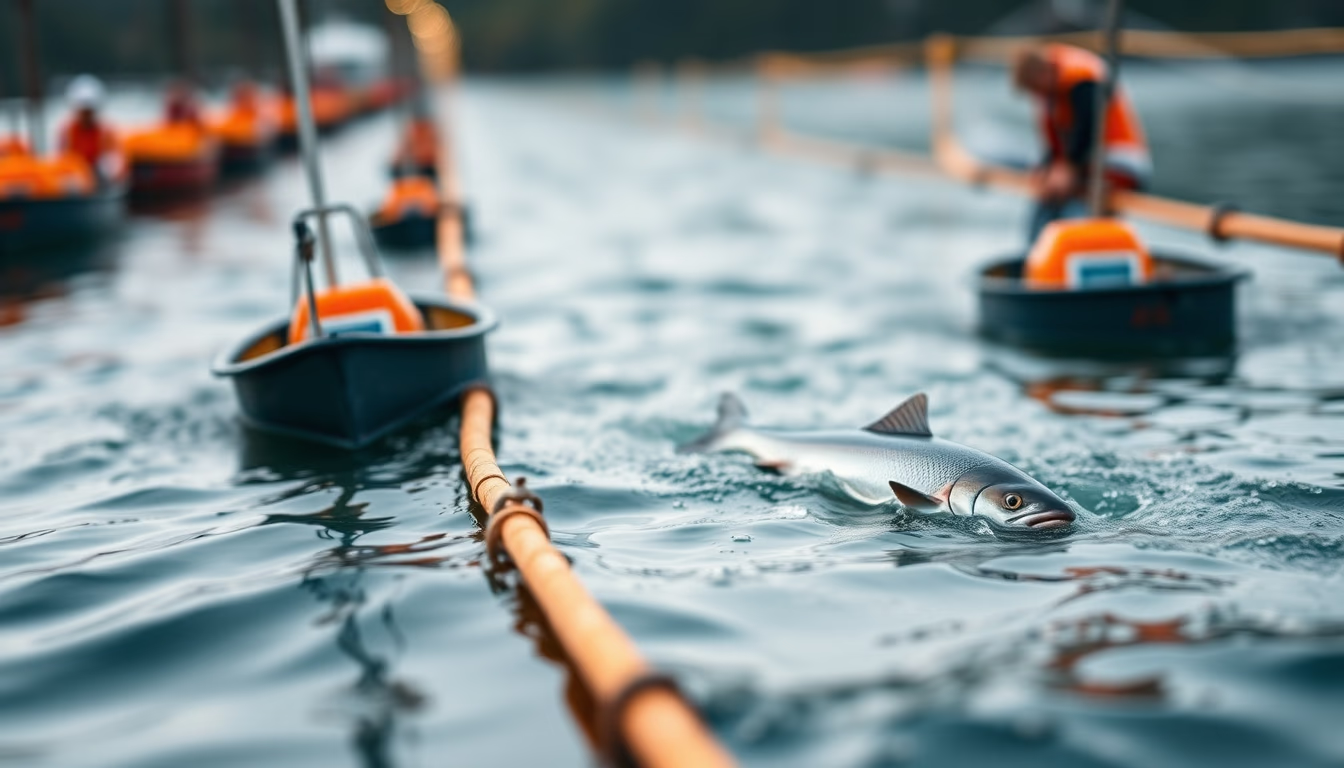
The image depicts a typical marine farm scenario, where aligned ropes form parallel rows supported by buoys. This arrangement facilitates mechanized harvesting and periodic inspection. In Brazil, mussel farming (mainly Perna perna) has been growing along the coasts of Santa Catarina and São Paulo, with systems adapted from the longline technique. The species is popular in national cuisine, featuring in dishes such as mussel vinaigrette and seafood paella.
Frequently Asked Questions
How do mussel ropes work in the ocean?
Ropes are suspended from floating structures and submerged. Young mussels, or seeds, attach to the fibers and grow by filtering plankton. The ropes remain submerged for months until harvest.
Which countries produce the most farmed mussels?
China, Chile, and Spain lead global production. Chile is known for Mytilus chilensis, while Spain is famous for Galician mussels with protected designation of origin.
Does mussel rope farming pollute the ocean?
Impact is limited. Mussels filter water, but their waste can accumulate on the seabed. Practices like area rotation and adequate water flow reduce this effect. Overall, it is a low-impact activity.
Direct URL
https://pub-c7d6a6ea828543ac903a74a341ccb2e1.r2.dev/imagens/mussel-ropes-ocean-studio-editorial-portrait-fresh18.avifHow to credit
Include a visible link back to UtilizAí. Copy one of the snippets below:
<a href="https://xn--utiliza-eza.com/en/midia/imagens/mussel-ropes-ocean-studio-editorial-portrait-fresh18">Mussel ropes ocean</a> by <a href="https://xn--utiliza-eza.com">UtilizAí</a>, licensed under <a href="https://creativecommons.org/licenses/by/4.0/">CC BY 4.0</a>.
[Mussel ropes ocean](https://xn--utiliza-eza.com/en/midia/imagens/mussel-ropes-ocean-studio-editorial-portrait-fresh18) by [UtilizAí](https://xn--utiliza-eza.com), CC BY 4.0
License: CC-BY-4.0