Salmon farm offshore
1344×768 · AVIF · CC BY 4.0
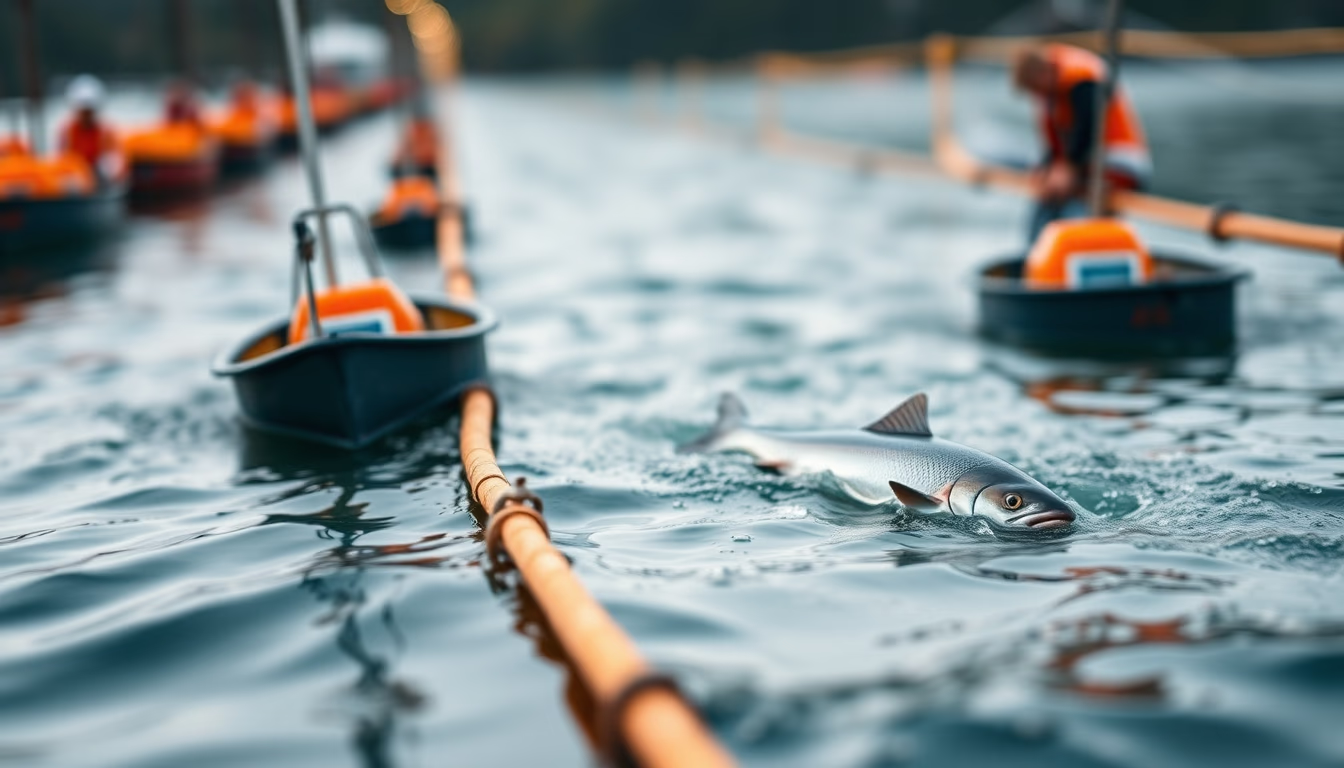
Offshore salmon farming in circular net pens is one of the most productive yet controversial techniques in modern aquaculture.
About this subject
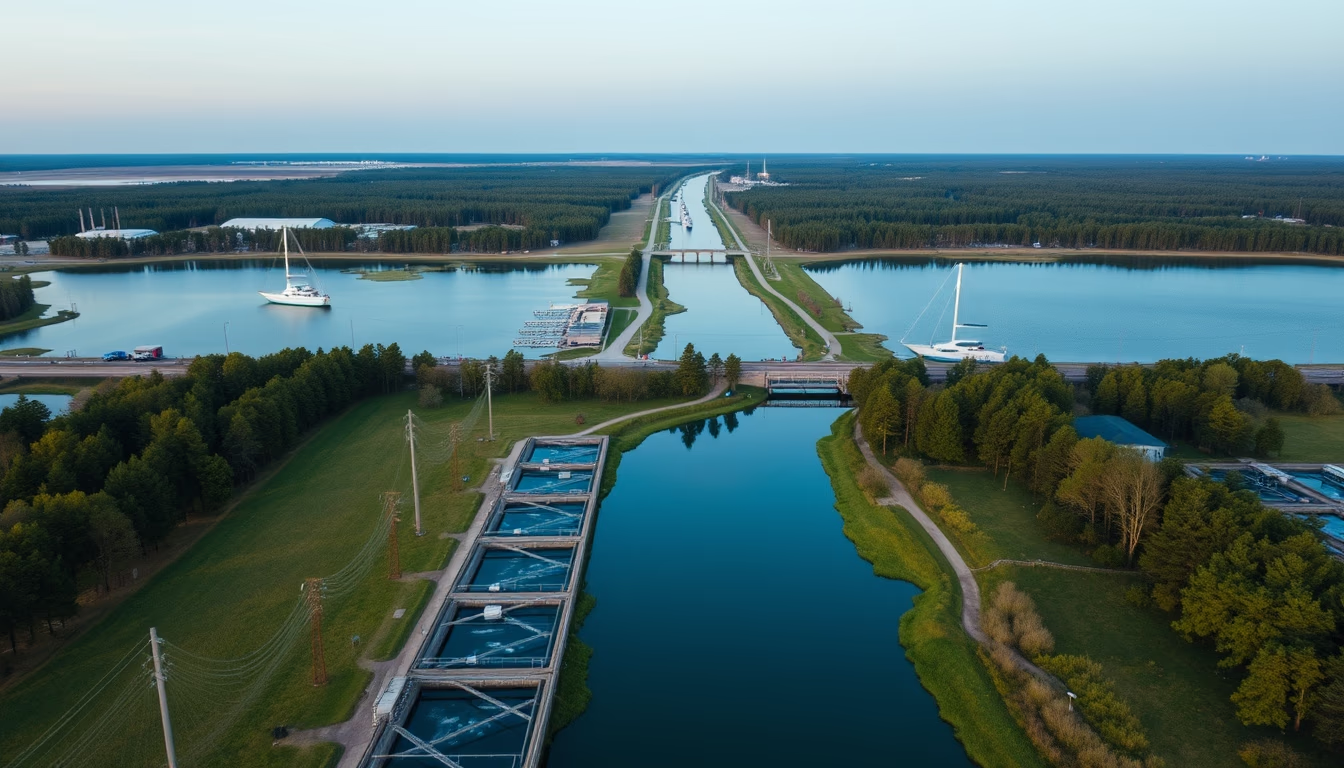
Offshore salmon farming uses large floating net pens placed in deep, exposed ocean waters. These circular structures, typically 50 to 100 meters in diameter, house thousands of fish and require advanced engineering to withstand waves and currents. Major producing nations include Norway, Chile, Scotland, and Canada, which together account for over 80% of the world's farmed salmon.
Atlantic salmon (Salmo salar) is the primary species, raised from hatchery eggs and transferred to sea pens after 12 to 18 months. The fish are fed industrial pellets containing fishmeal and fish oil, though efforts are underway to replace these with plant-based and insect ingredients. Each pen can hold up to 50,000 fish, raising concerns about animal welfare, antibiotic use, and escapes that may compete with wild populations.
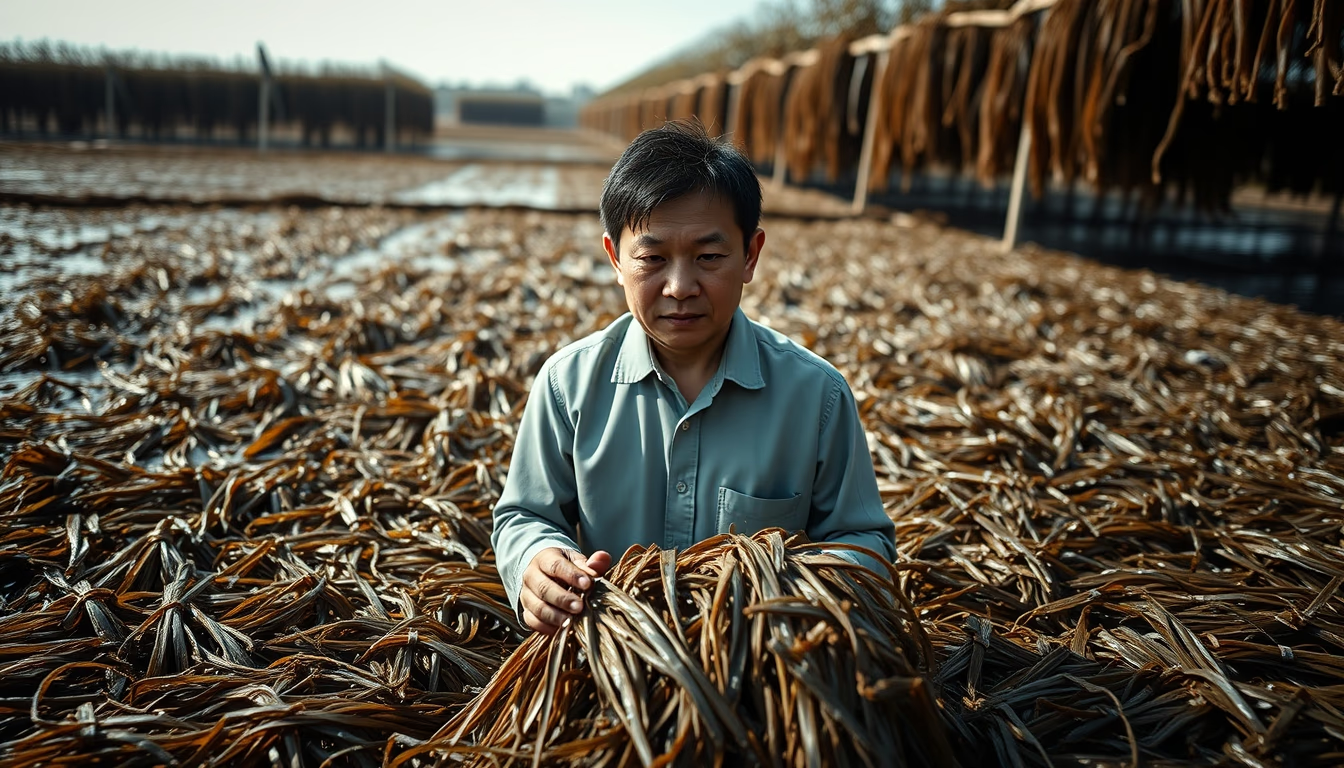
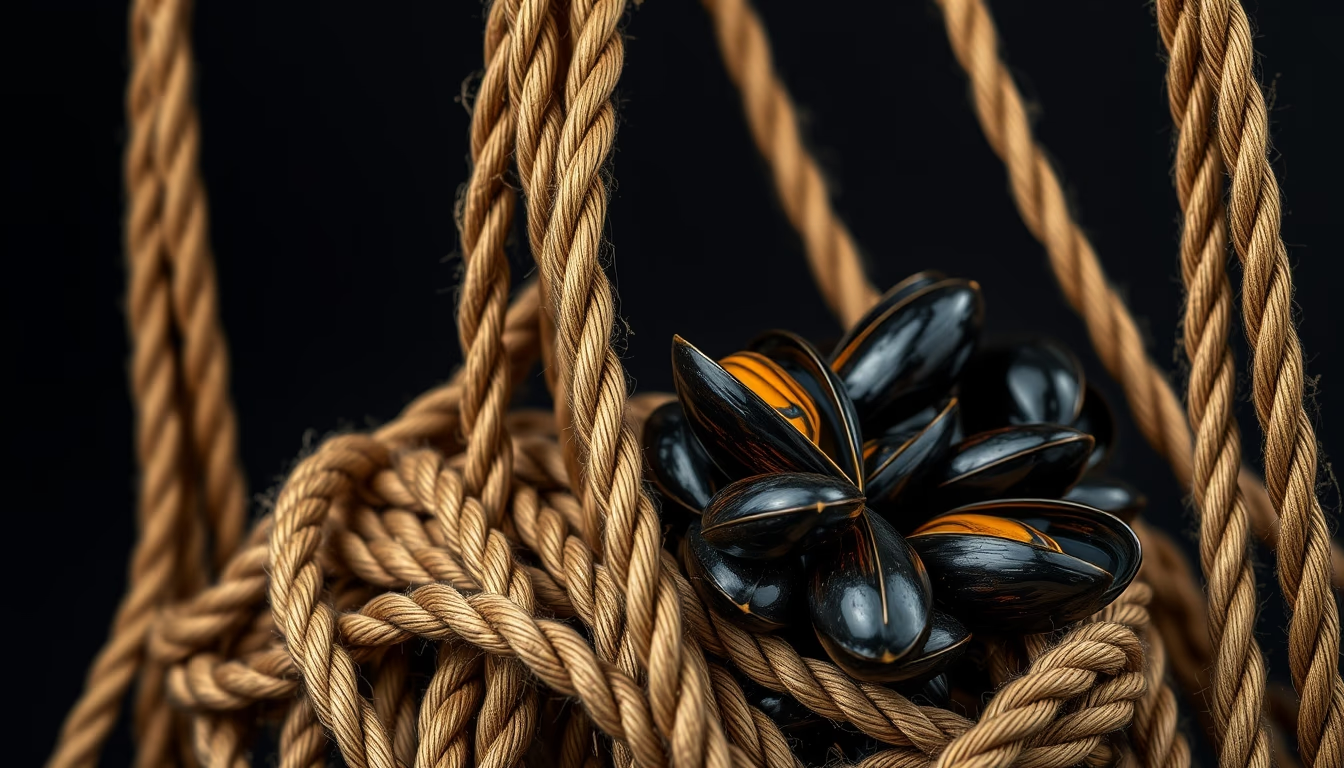
Environmental impacts include accumulation of waste under pens, sea lice (Lepeophtheirus salmonis) infestations, and genetic pollution from escaped farmed salmon interbreeding with wild stock. Mitigation technologies include submersible pens that reduce lice exposure, land-based recirculating systems (RAS), and integrated multi-trophic aquaculture combining salmon with seaweeds and shellfish to absorb nutrients.
Despite controversies, global demand for salmon continues to grow. In 2022, production exceeded 2.5 million metric tons, with a market value over $20 billion. Chile, the second-largest producer, benefits from the cold waters of Patagonia. Brazil imports almost all its salmon, mainly from Chile, with consumption rising due to the popularity of sushi and poke bowls.
Frequently Asked Questions
What is the difference between offshore and coastal salmon farming?
Offshore farming uses structures in deep, exposed waters far from shore, while coastal farming occurs in protected fjords, bays, or inlets. Offshore requires stronger equipment to withstand waves and currents and tends to have less impact on sensitive coastal ecosystems.
Is farmed salmon safe to eat?
Yes, when produced under sanitary regulations. It is rich in omega-3s, protein, and vitamins. However, contaminants like PCBs and mercury are monitored. Responsible aquaculture controls antibiotic use and feed, with certifications like ASC (Aquaculture Stewardship Council) ensuring best practices.
What is sea lice and how does it affect production?
Sea lice are parasitic crustaceans that feed on salmon skin and mucus, causing stress, wounds, and increased mortality. High densities compromise welfare. Control methods include medicated baths, cleaner fish like lumpfish, and thermal or mechanical treatments.
Direct URL
https://pub-c7d6a6ea828543ac903a74a341ccb2e1.r2.dev/imagens/salmon-farm-offshore-tilt-shift-miniature-fresh18.avifHow to credit
Include a visible link back to UtilizAí. Copy one of the snippets below:
<a href="https://xn--utiliza-eza.com/en/midia/imagens/salmon-farm-offshore-tilt-shift-miniature-fresh18">Salmon farm offshore</a> by <a href="https://xn--utiliza-eza.com">UtilizAí</a>, licensed under <a href="https://creativecommons.org/licenses/by/4.0/">CC BY 4.0</a>.
[Salmon farm offshore](https://xn--utiliza-eza.com/en/midia/imagens/salmon-farm-offshore-tilt-shift-miniature-fresh18) by [UtilizAí](https://xn--utiliza-eza.com), CC BY 4.0
License: CC-BY-4.0