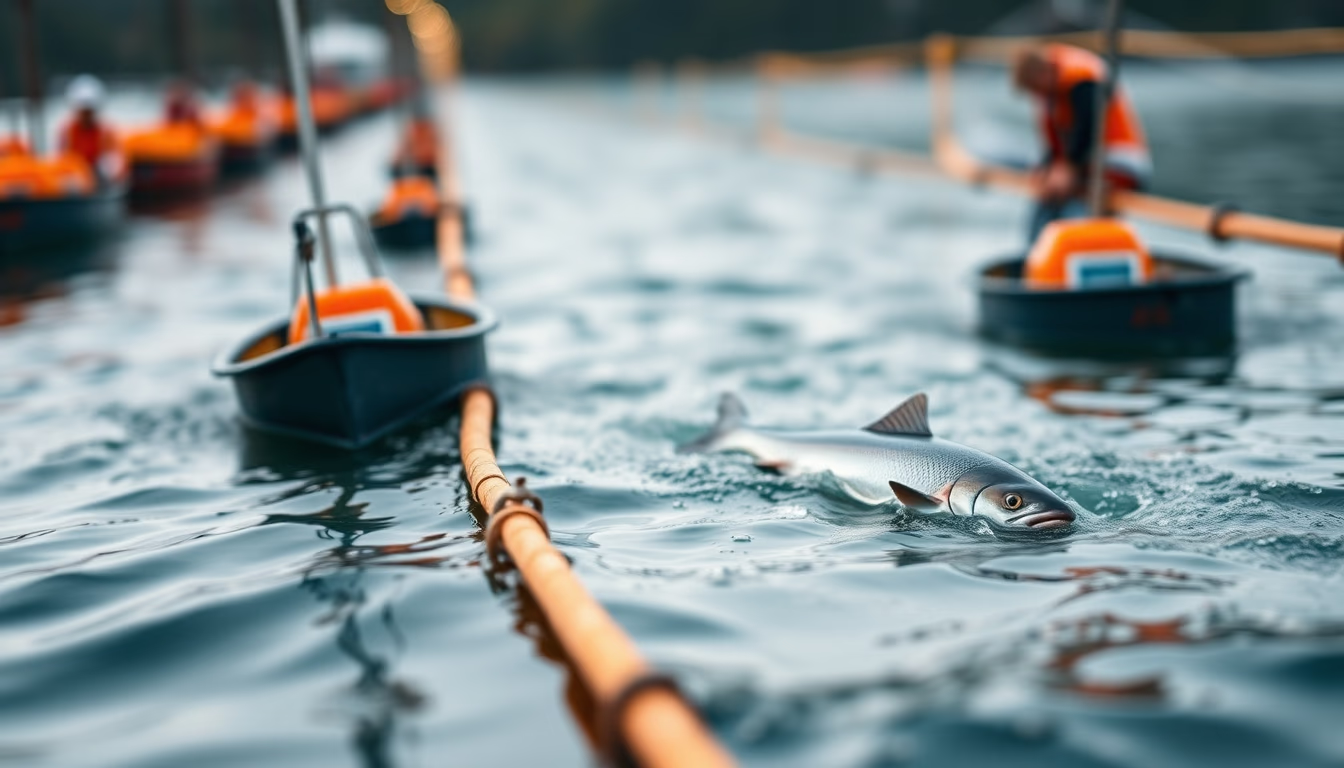
Pearl oyster harvest
1344×768 · AVIF · CC BY 4.0
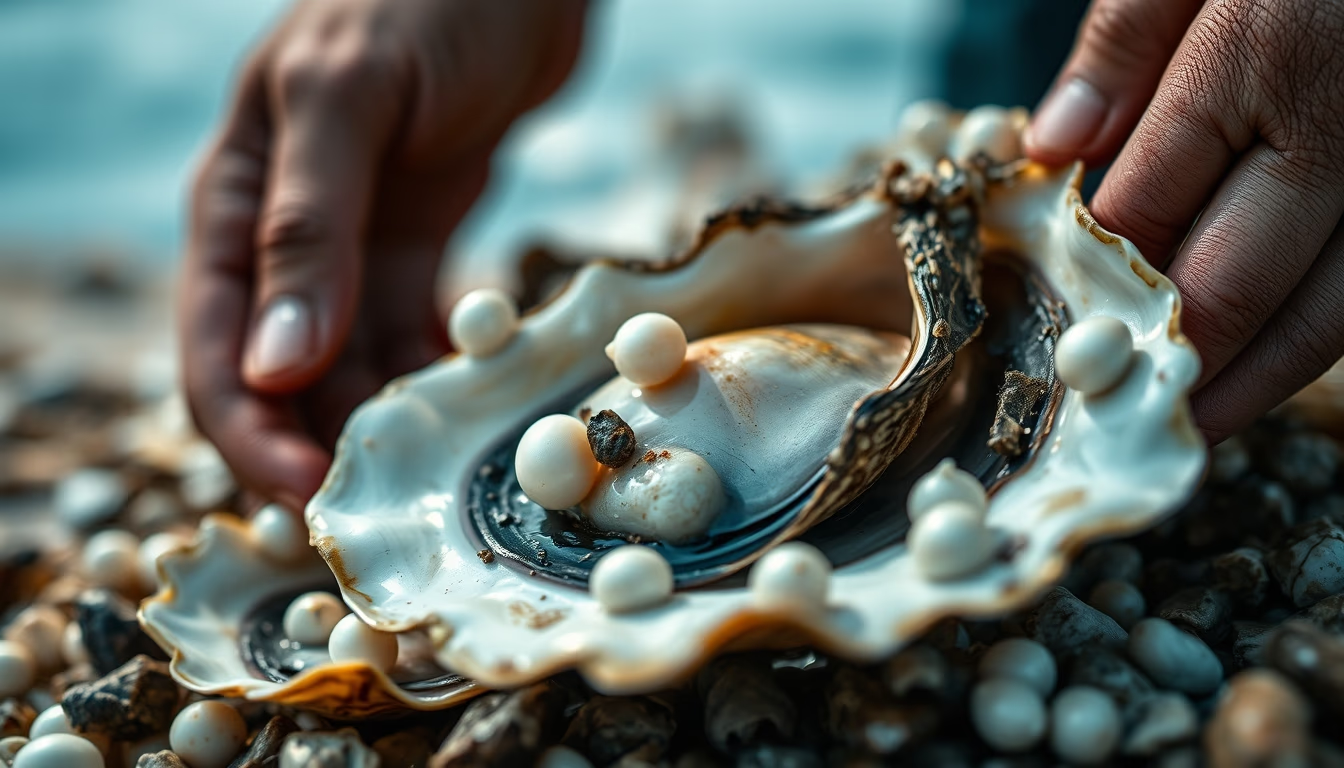
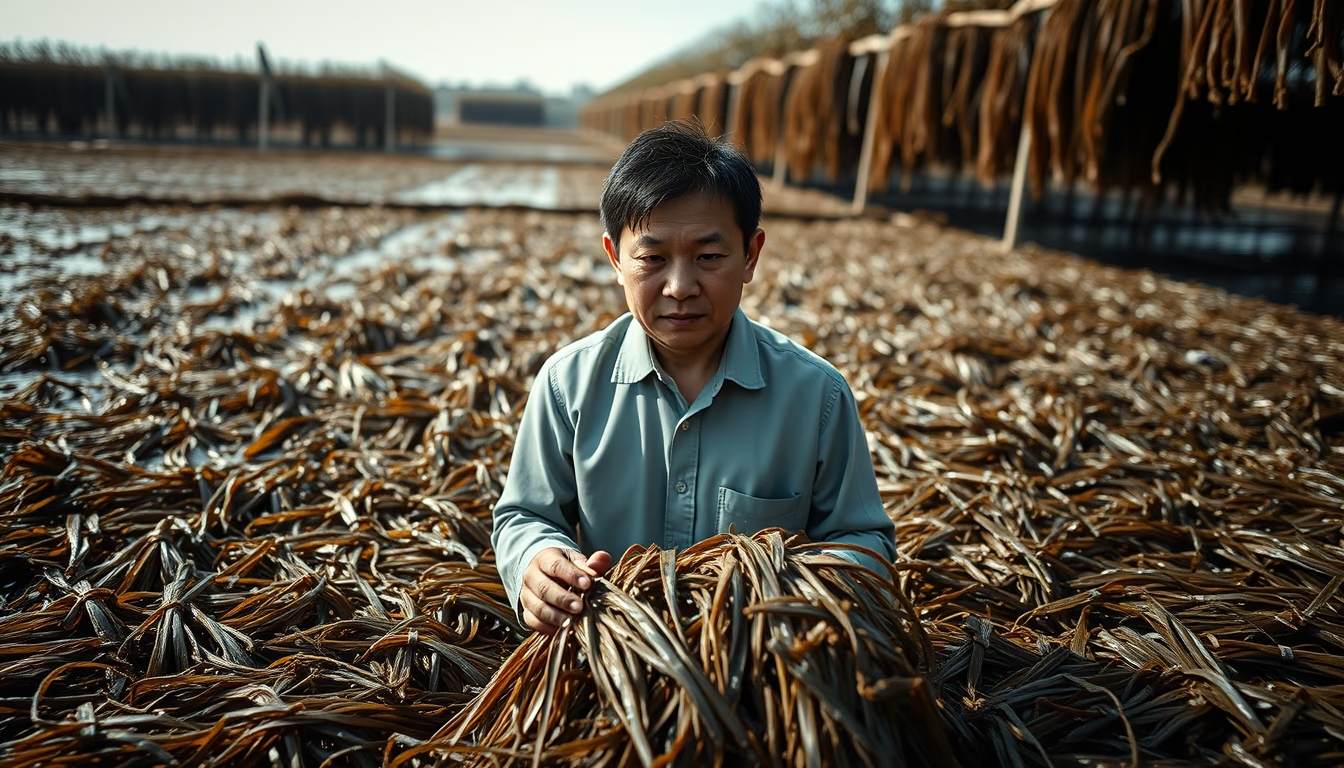
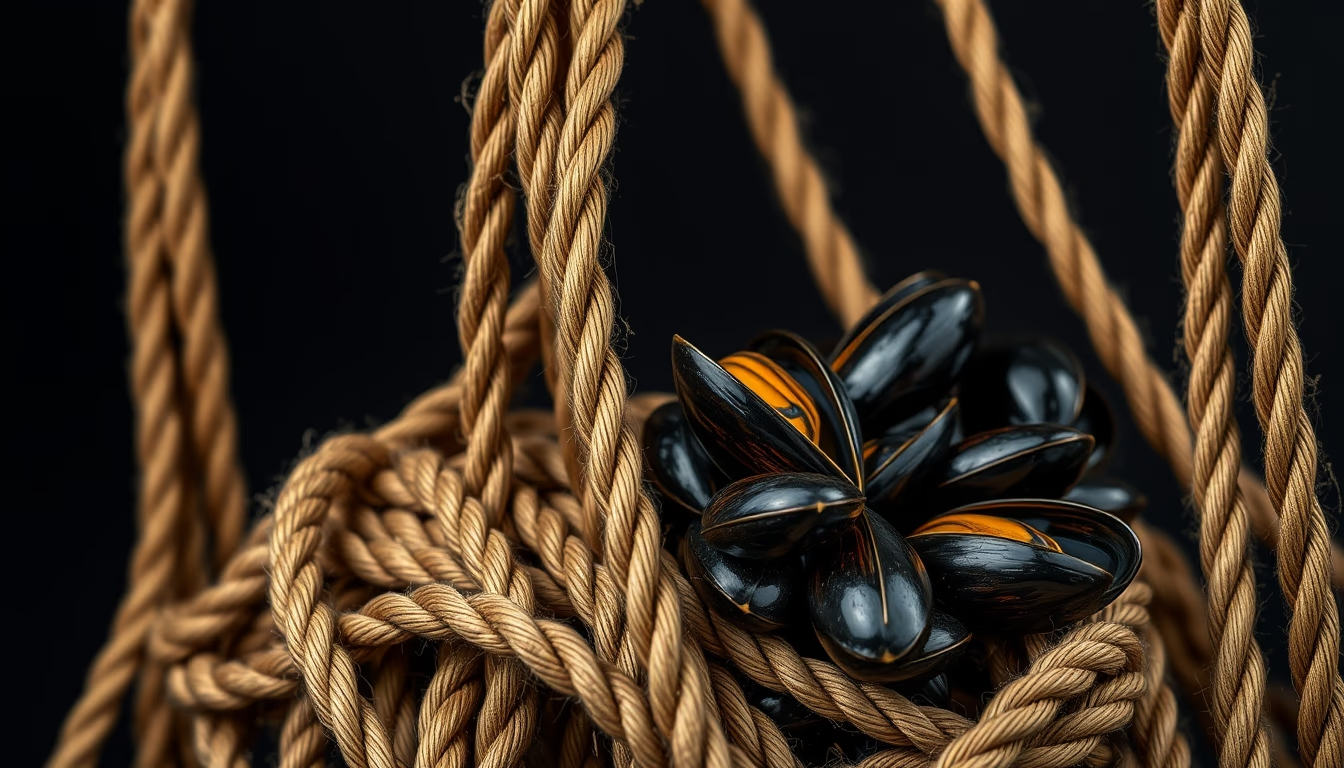
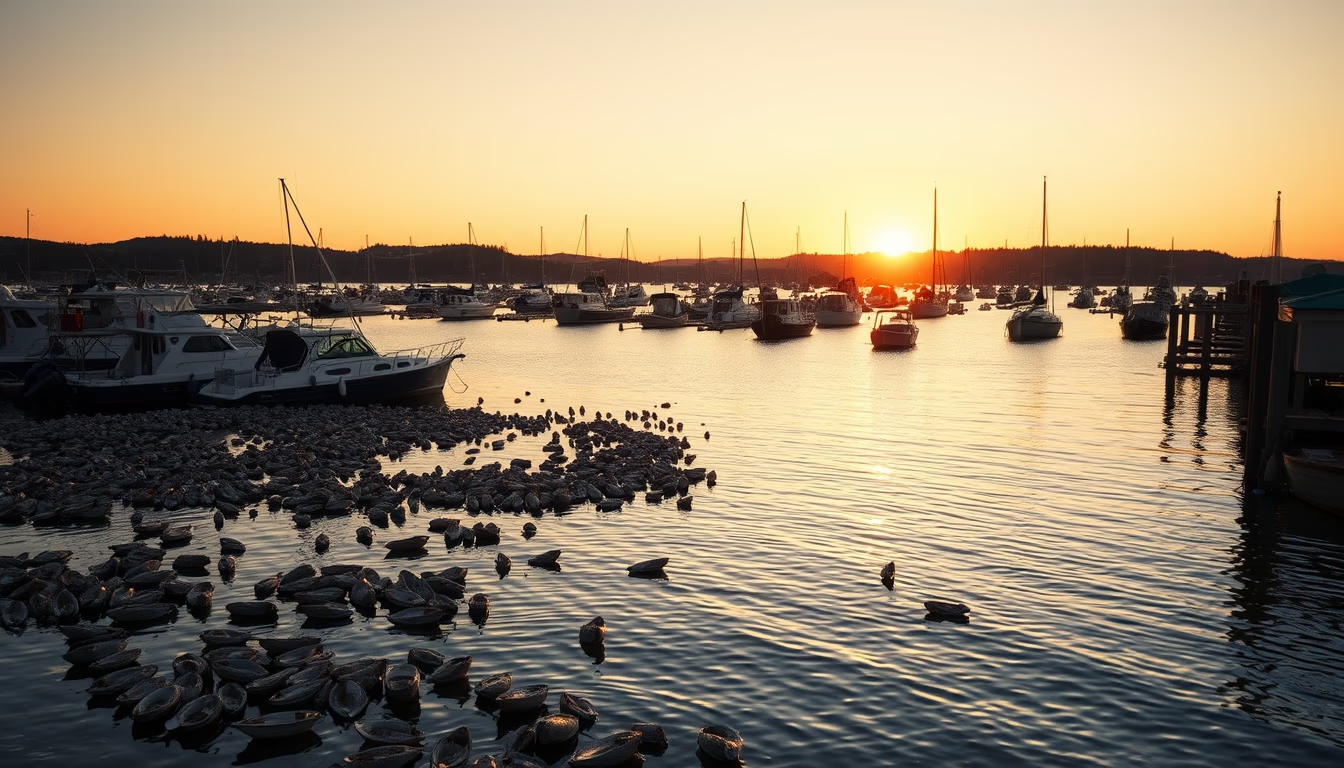
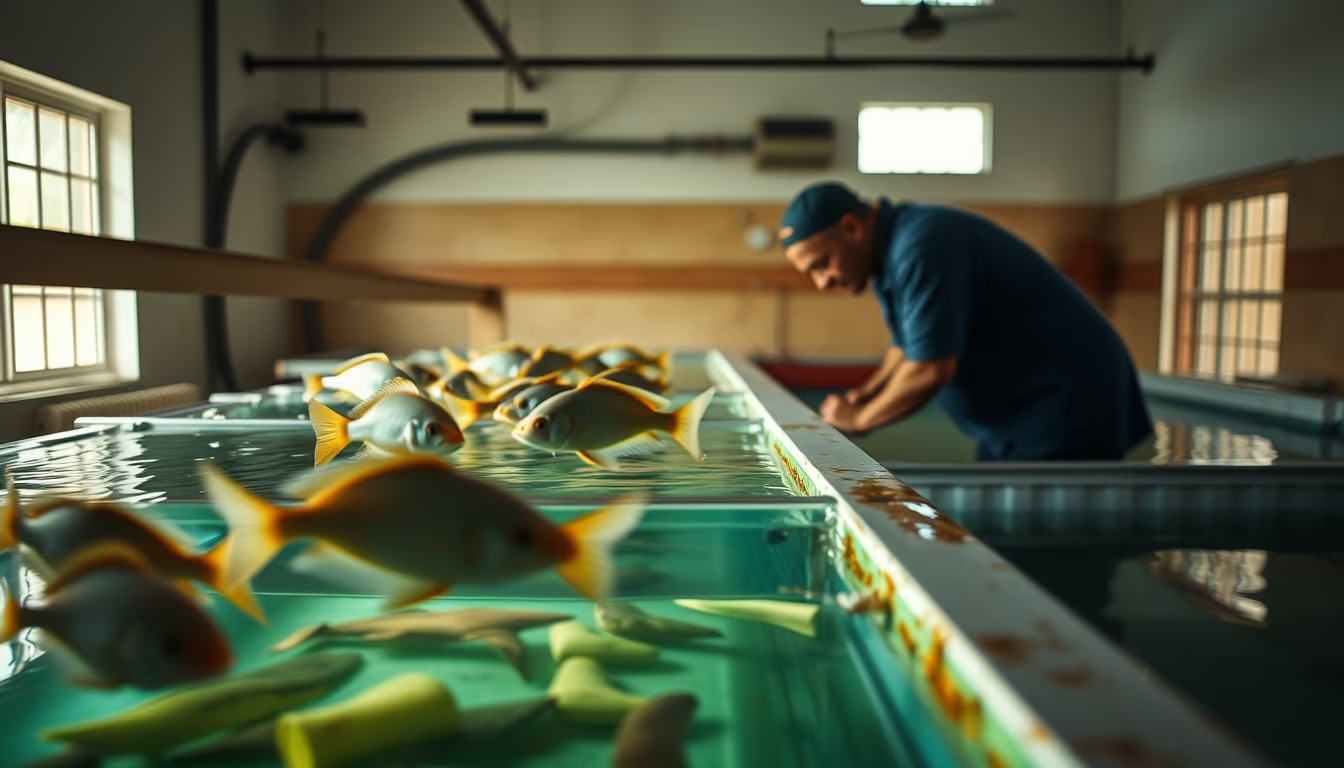
Pearl oyster harvest, the process that reveals cultivated pearls from marine farms worldwide, especially in the Pacific and Indian Oceans.
About this subject
Pearl oyster harvesting is the culmination of pearl cultivation, a practice blending ancient techniques with modern biotechnology. The oysters, typically of the genus Pinctada, are grown in marine farms suspended on long lines or submerged baskets. The process begins with nucleation, where a spherical bead nucleus is implanted into the oyster's mantle along with a piece of donor tissue. Over two to four years, the oyster secretes nacre layers around the nucleus, forming a pearl. Harvest occurs when the pearl reaches the desired size and quality.
Major producing regions include Japan (Akoya pearls), French Polynesia (Tahiti pearls), Australia (South Sea pearls), Indonesia, and the Philippines. Each region offers unique temperature, salinity, and nutrient conditions that influence the pearl's color and luster. Saltwater pearls are generally more valuable than freshwater pearls due to their thicker nacre and rounder shape. The global pearl market moves billions of dollars annually, with China leading in volume but French Polynesia dominating the luxury segment.
During harvest, oysters are removed from the water, carefully opened with a special knife, and the pearl is manually extracted. The oyster may be re-implanted for another pearl, but success rates decline. A curiosity: in nature, only one in 10,000 oysters produces a natural pearl, while in cultivation the rate is much higher, reaching 80% of nucleated oysters. However, not all cultured pearls are gem quality; many are discarded or used in lower-value jewelry.
Sustainability is a growing challenge. Pearl aquaculture can impact local marine ecosystems but also offers benefits such as creating artificial reefs and generating income for coastal communities. Diseases, coral bleaching, and climate change threaten production. Certifications like the Marine Stewardship Council (MSC) for sustainable fishing and responsible farming practices are gaining importance. Pearl oyster harvest continues to fascinate for its combination of art, science, and tradition.
Frequently Asked Questions
How long does it take to cultivate a pearl in a pearl oyster?
Typically 2 to 4 years, depending on the oyster species and the desired pearl size.
What is the difference between cultured and natural pearls?
Natural pearls form without human intervention, while cultured pearls are induced by surgically implanting a nucleus into the oyster.
Where are pearl oysters harvested?
In marine farms in Japan, French Polynesia, Australia, Indonesia, and the Philippines, among other tropical and subtropical waters.
Direct URL
https://pub-c7d6a6ea828543ac903a74a341ccb2e1.r2.dev/imagens/pearl-oyster-harvest-macro-closeup-fresh18.avifHow to credit
Include a visible link back to UtilizAí. Copy one of the snippets below:
<a href="https://xn--utiliza-eza.com/en/midia/imagens/pearl-oyster-harvest-macro-closeup-fresh18">Pearl oyster harvest</a> by <a href="https://xn--utiliza-eza.com">UtilizAí</a>, licensed under <a href="https://creativecommons.org/licenses/by/4.0/">CC BY 4.0</a>.
[Pearl oyster harvest](https://xn--utiliza-eza.com/en/midia/imagens/pearl-oyster-harvest-macro-closeup-fresh18) by [UtilizAí](https://xn--utiliza-eza.com), CC BY 4.0
License: CC-BY-4.0