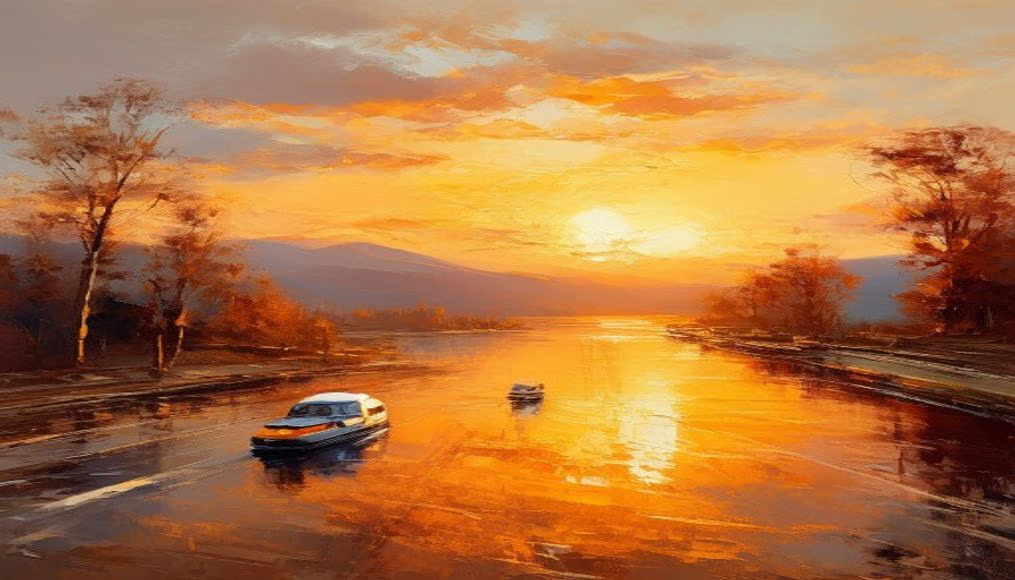
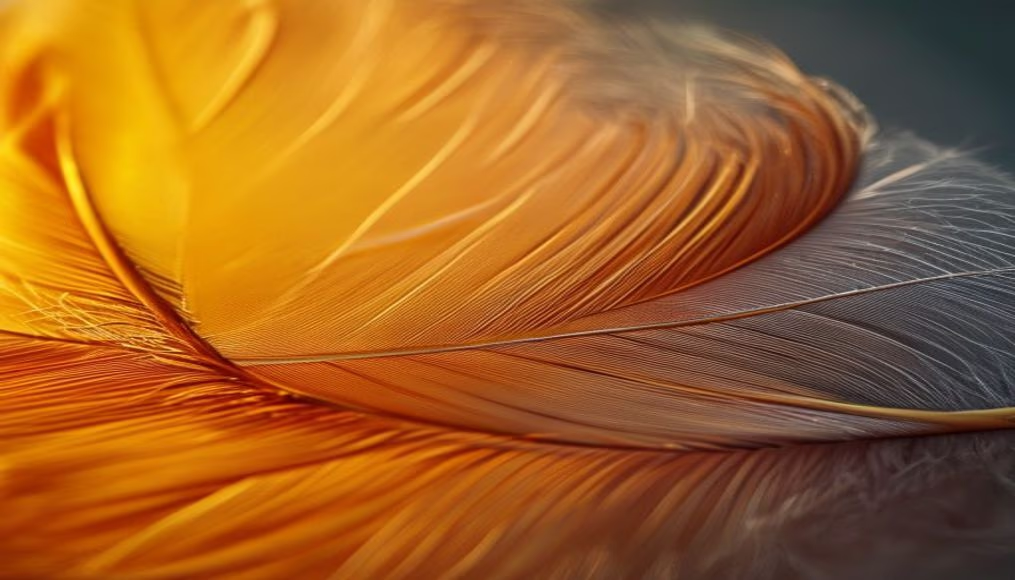
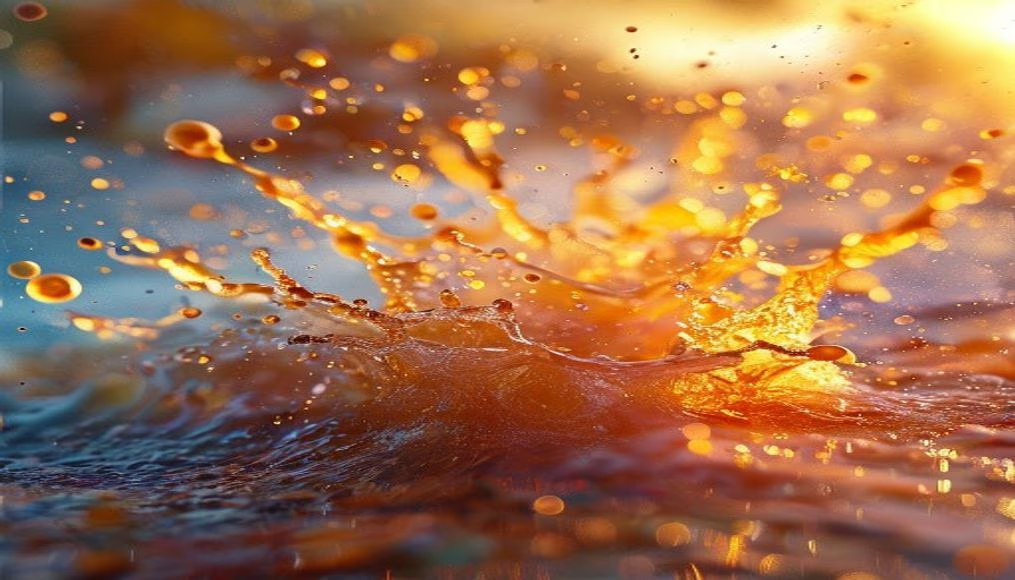
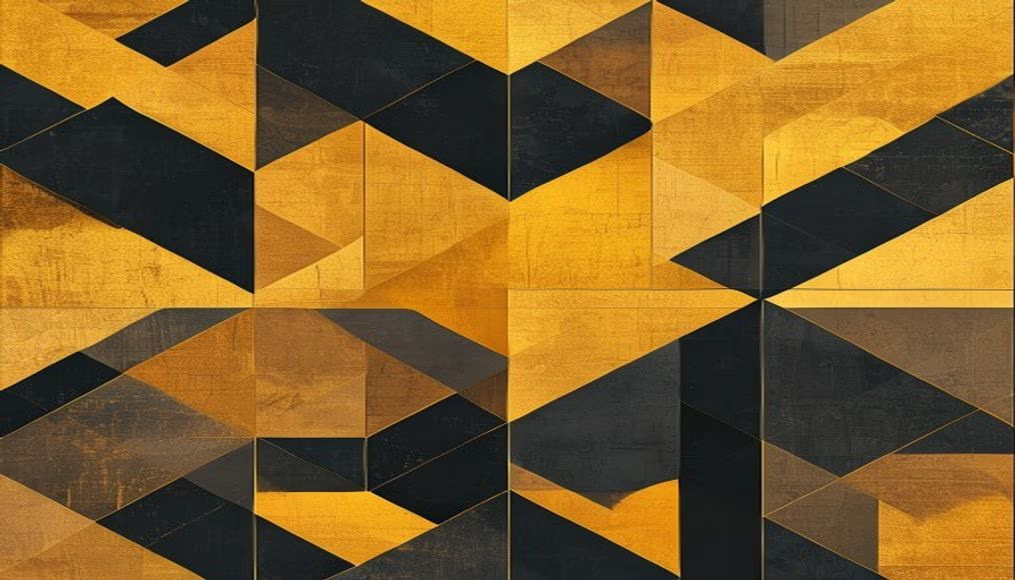
Oil paint thick texture
1344×768 · AVIF · CC BY 4.0
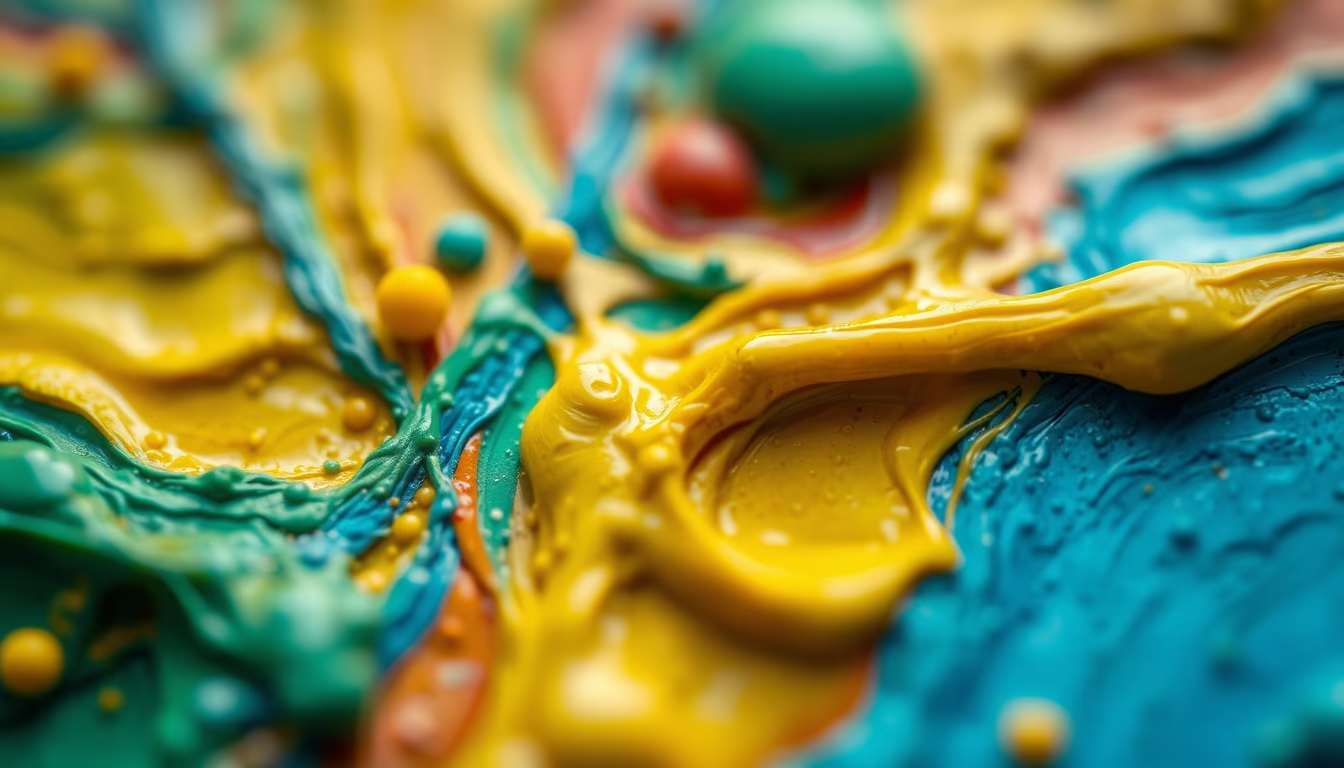
Explore the impasto technique in oil painting, creating thick, three-dimensional textures that enhance the expressiveness of the artwork.
About this subject
The thick texture of oil paint, known as impasto, involves applying paint in heavy layers that retain the marks of the brush or palette knife. This creates relief and a tactile quality, allowing the artist to control light reflection and enhance volume and expression. Historically, masters like Rembrandt used impasto to highlight illuminated areas, but the technique became more prominent with post-impressionists.
Van Gogh is perhaps the most iconic user of intense impasto, squeezing paint straight from the tube to create vibrant, dynamic surfaces that convey emotion. In abstract expressionism, artists such as Jackson Pollock and Willem de Kooning pushed impasto to extremes, using large amounts of paint to achieve three-dimensional, gesture-driven effects. The paint's thickness interacts with light, generating unique shadows and highlights depending on the viewing angle.
Technically, thick textures can be achieved by applying paint directly from the tube or mixing in mediums like stand oil, impasto gel, or wax. The dense consistency requires stiff brushes, palette knives, or even fingers. Drying time is slow, sometimes weeks, and care is needed to avoid cracking. Applying thick layers over wet paint can destabilize the work.
In Brazil, artists such as Candido Portinari and Iberê Camargo incorporated thick textures into their canvases, adding materiality to social and landscape scenes. Impasto allows the artist not only to represent but also to embody gesture and emotion. In a macro close-up, the ridges and valleys of paint reveal details of application, exposing the personality of the stroke and the interplay of colors.
Frequently Asked Questions
What is impasto technique in oil painting?
It is a technique where paint is applied in thick layers, retaining brush or palette knife marks, creating relief and three-dimensional texture.
Which artists are famous for using impasto?
Rembrandt, Vincent van Gogh, Jackson Pollock, and in Brazil, Candido Portinari and Iberê Camargo are notable examples.
How to achieve thick texture in oil painting?
Apply paint straight from the tube or mix in mediums like stand oil and impasto gel. Use stiff brushes and palette knives to shape the surface.
Direct URL
https://pub-c7d6a6ea828543ac903a74a341ccb2e1.r2.dev/imagens/oil-paint-thick-texture-macro-closeup-p0.avifHow to credit
Include a visible link back to UtilizAí. Copy one of the snippets below:
<a href="https://xn--utiliza-eza.com/en/midia/imagens/oil-paint-thick-texture-macro-closeup-p0">Oil paint thick texture</a> by <a href="https://xn--utiliza-eza.com">UtilizAí</a>, licensed under <a href="https://creativecommons.org/licenses/by/4.0/">CC BY 4.0</a>.
[Oil paint thick texture](https://xn--utiliza-eza.com/en/midia/imagens/oil-paint-thick-texture-macro-closeup-p0) by [UtilizAí](https://xn--utiliza-eza.com), CC BY 4.0
License: CC-BY-4.0