Metal corrosion patina
1344×768 · AVIF · CC BY 4.0

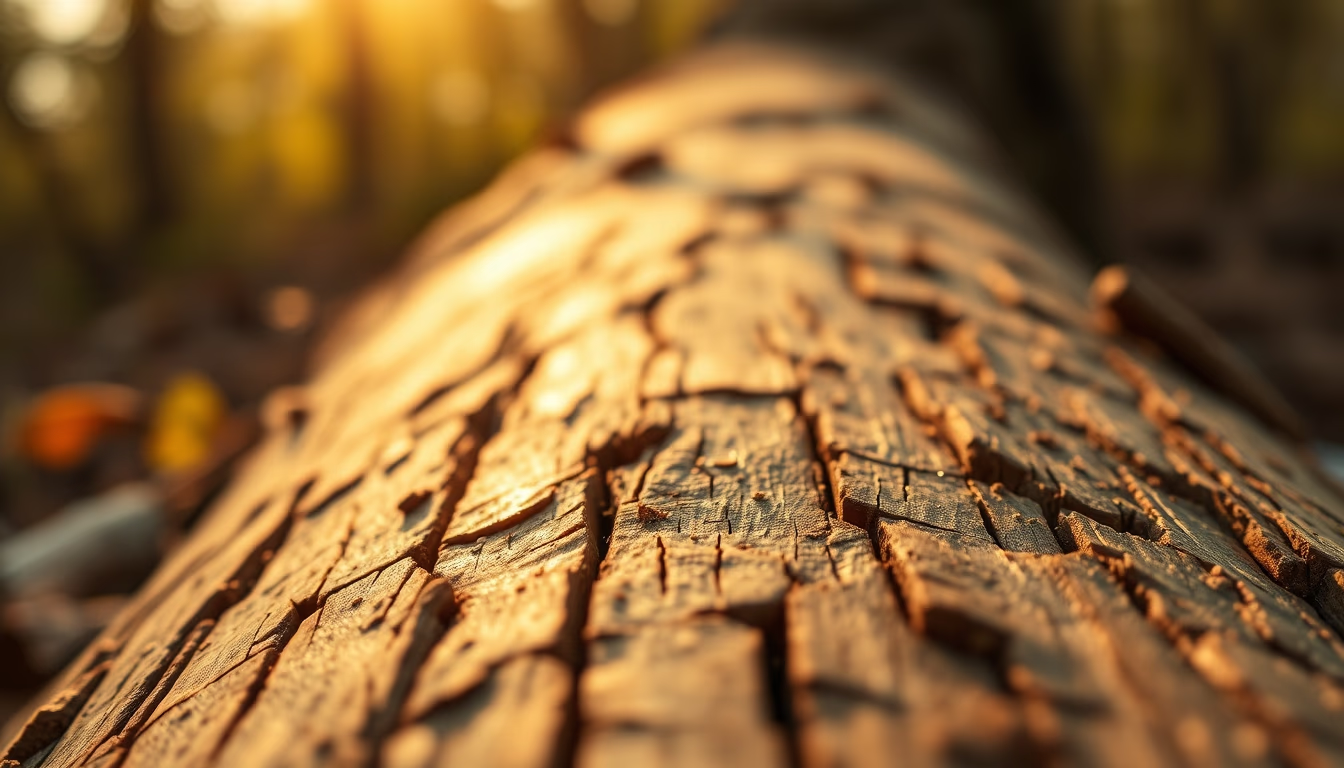
Metal corrosion patina is a natural process that transforms metallic surfaces, creating protective layers with unique colors and textures, widely studied in the conservation of artworks and historical structures.
About this subject
Metal corrosion patina results from prolonged exposure of metals to environmental agents such as oxygen, moisture, and pollutants. This chemical process forms a stable surface layer that, unlike common rust on iron, often protects the underlying metal. Iconic examples include the blue-green patina of copper seen on the Statue of Liberty and historic roofs, and the dark patina of bronze on outdoor sculptures.
The process varies by metal and conditions. Copper initially forms cuprous oxide, then copper carbonate, resulting in the characteristic green color. Bronze patina can range from brown to deep green. Factors like rain pH, industrial pollution, and temperature influence both speed and final color. In marine environments, sea spray accelerates corrosion but can also produce interesting patinas.
Culturally, patina is valued in art and architecture as a sign of authenticity and age. Conservators study techniques to preserve or induce artificial patinas using acids or sulfur, common in modern statues. In jewelry, patina creates contrasts in silver and copper pieces. In industry, understanding corrosion is crucial for metal structures, bridges, and ships.
A curiosity: patina can be an indicator of pollution. In cities with high sulfur dioxide emissions, copper patina tends to be darker. Additionally, some patinas are so stable they last for centuries, like those on bronze bells of old churches.
Frequently Asked Questions
What causes corrosion patina on metals?
Patina is caused by the chemical reaction of metal with environmental elements like oxygen, water, carbon dioxide, and pollutants. Each metal reacts differently, forming compounds such as oxides, carbonates, and sulfates that accumulate on the surface.
Does patina protect the metal from further corrosion?
Yes, in many cases patina acts as a protective barrier, preventing direct contact between the metal and the environment. For example, copper and bronze patina are adherent and stable, reducing subsequent corrosion rates.
Can patina formation be artificially accelerated?
Yes, techniques such as applying acids (nitric acid, hydrochloric acid) or sulfur compounds can induce patina in hours or days. This method is common in sculptures and decorative objects to achieve a controlled aged appearance.
Direct URL
https://pub-c7d6a6ea828543ac903a74a341ccb2e1.r2.dev/imagens/metal-corrosion-patina-studio-editorial-portrait-p0.avifHow to credit
Include a visible link back to UtilizAí. Copy one of the snippets below:
<a href="https://xn--utiliza-eza.com/en/midia/imagens/metal-corrosion-patina-studio-editorial-portrait-p0">Metal corrosion patina</a> by <a href="https://xn--utiliza-eza.com">UtilizAí</a>, licensed under <a href="https://creativecommons.org/licenses/by/4.0/">CC BY 4.0</a>.
[Metal corrosion patina](https://xn--utiliza-eza.com/en/midia/imagens/metal-corrosion-patina-studio-editorial-portrait-p0) by [UtilizAí](https://xn--utiliza-eza.com), CC BY 4.0
License: CC-BY-4.0