Metal corrosion patina
1344×768 · AVIF · CC BY 4.0
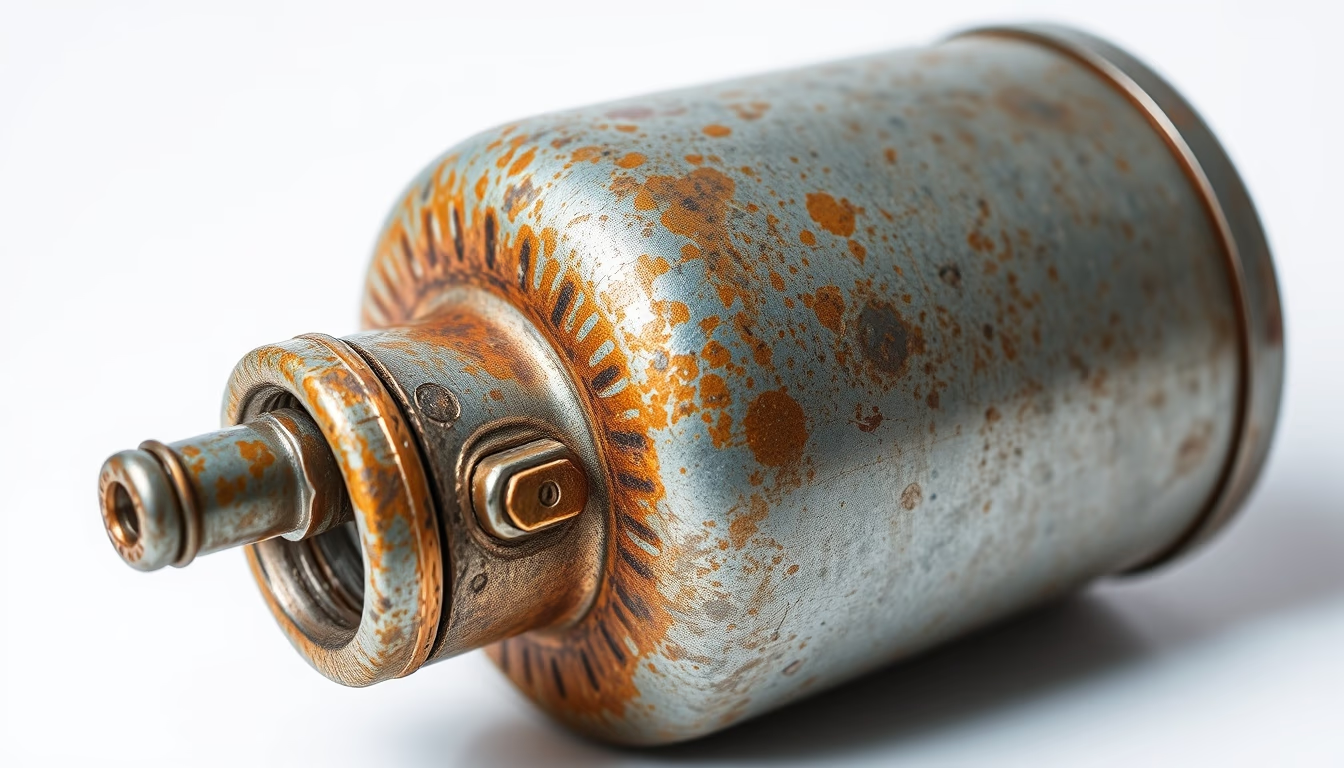
Metal corrosion patina is a natural phenomenon that transforms metal surfaces, revealing unique colors and textures, highly valued in design and conservation.
About this subject
Metal corrosion patina results from controlled or uncontrolled oxidation of metals such as copper, bronze, iron, and steel. This chemical process creates layers of oxides, carbonates, or sulfides that protect the underlying metal and produce hues ranging from blue-green to reddish-brown. Classic examples include the Statue of Liberty, whose characteristic green color comes from copper patina, and the copper roofs of historic buildings that acquire this noble appearance over time.
In industrial and artistic contexts, patina is both a problem and a tool. In heritage conservation, corrosion is controlled to preserve monuments, while in jewelry making and contemporary sculpture, artists chemically induce patina for decorative effects. For instance, patinated bronze is common in statues in Brazilian parks and squares, such as the works of Victor Brecheret at Ibirapuera Park in São Paulo.
Interestingly, patina can indicate age and authenticity. On antiques, the presence of natural patina suggests the object has not been aggressively cleaned or restored, adding historical value. In modern structures, corrosion is usually prevented with coatings, but some architectural projects intentionally use Corten steel for its stable, rusty patina, which eliminates the need for paint and combines durability with aesthetics.
Frequently Asked Questions
What causes metal corrosion patina?
Patina is caused by the chemical reaction of metal with oxygen, water, and other environmental agents, forming compounds like oxides, carbonates, or sulfides. Humidity, pollution, and temperature influence the process.
Does patina always protect the metal?
Not always. On metals like copper and bronze, patina forms a protective layer that slows further corrosion. On iron, rust (iron oxide) is porous and accelerates deterioration if untreated.
How is patina used in design and art?
Artists and designers use chemical solutions such as acids, salts, and heat to create decorative patinas on sculptures, jewelry, and metal objects. Corten steel, for instance, is prized in architecture for its stable, rusty patina.
Direct URL
https://pub-c7d6a6ea828543ac903a74a341ccb2e1.r2.dev/imagens/metal-corrosion-patina-commercial-product-photography-p6.avifHow to credit
Include a visible link back to UtilizAí. Copy one of the snippets below:
<a href="https://xn--utiliza-eza.com/en/midia/imagens/metal-corrosion-patina-commercial-product-photography-p6">Metal corrosion patina</a> by <a href="https://xn--utiliza-eza.com">UtilizAí</a>, licensed under <a href="https://creativecommons.org/licenses/by/4.0/">CC BY 4.0</a>.
[Metal corrosion patina](https://xn--utiliza-eza.com/en/midia/imagens/metal-corrosion-patina-commercial-product-photography-p6) by [UtilizAí](https://xn--utiliza-eza.com), CC BY 4.0
License: CC-BY-4.0