Medieval armor display
1344×768 · AVIF · CC BY 4.0
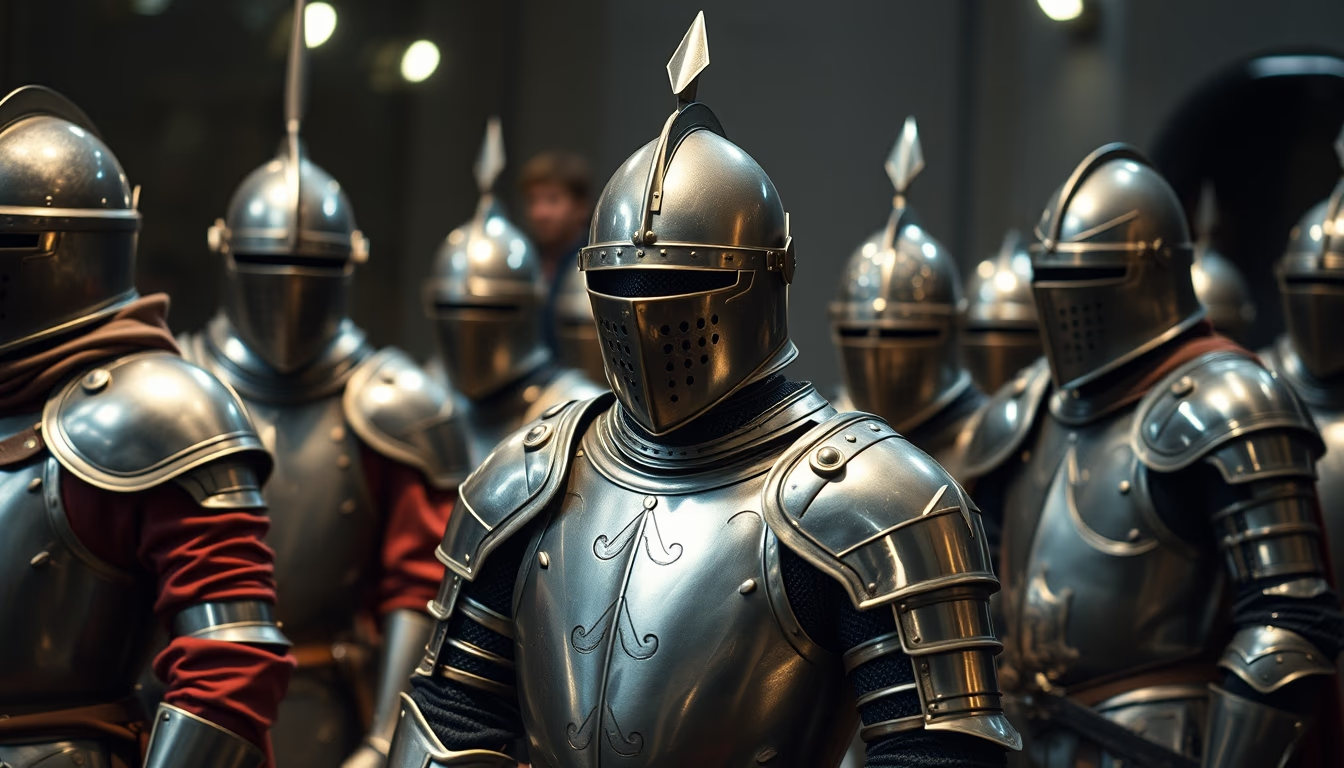
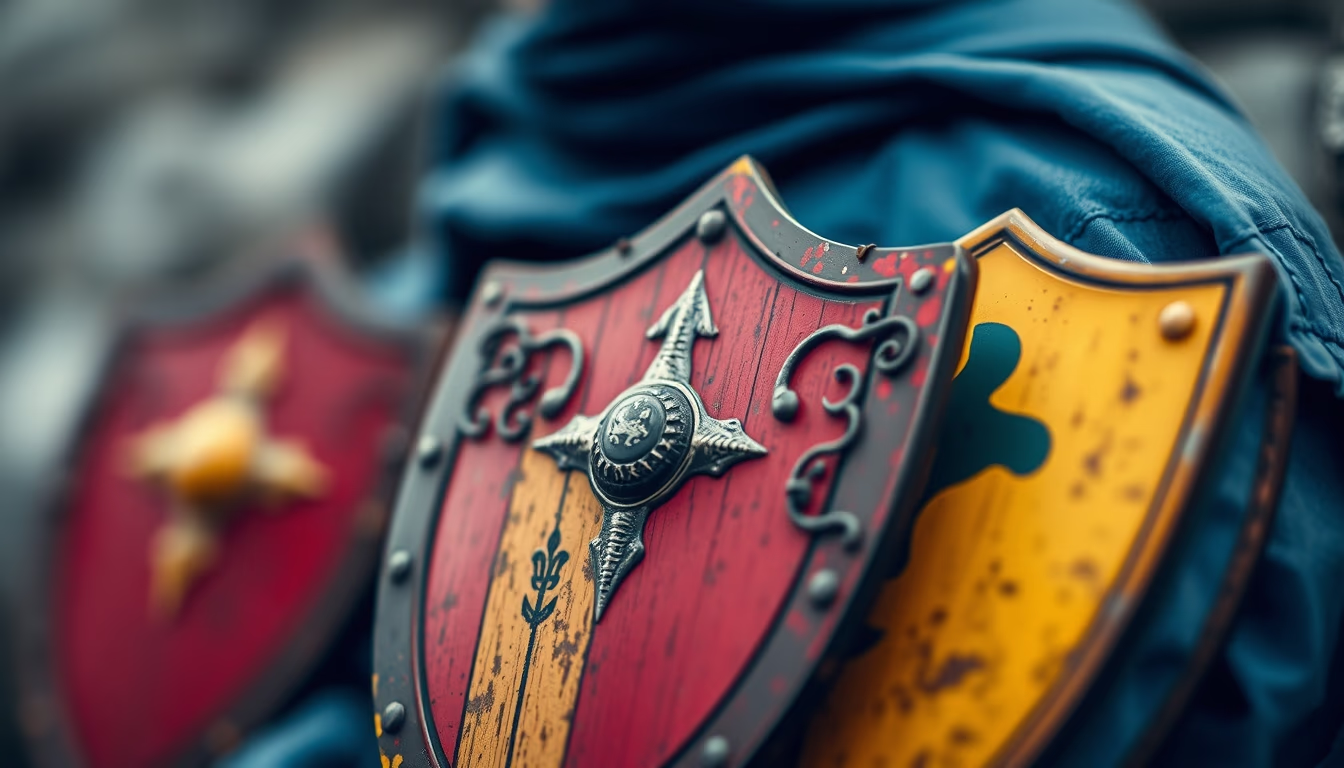
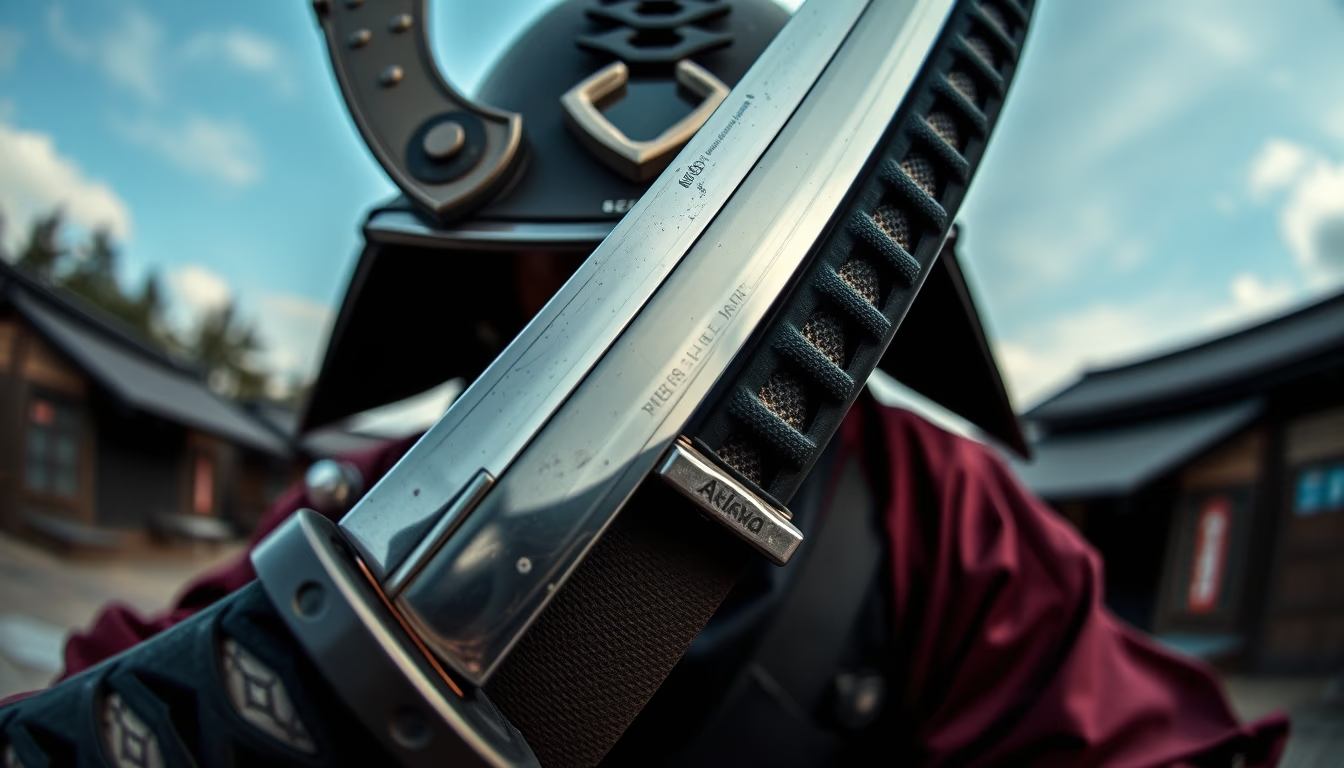
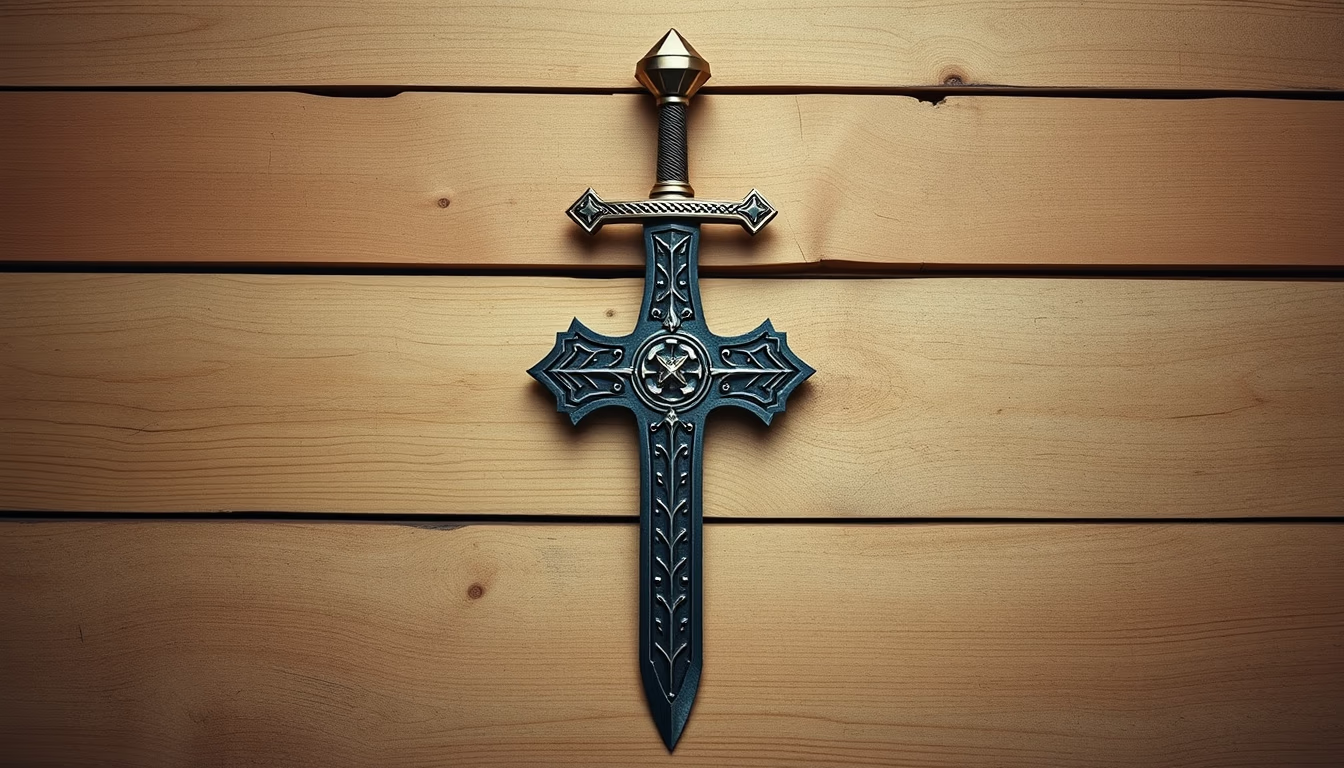
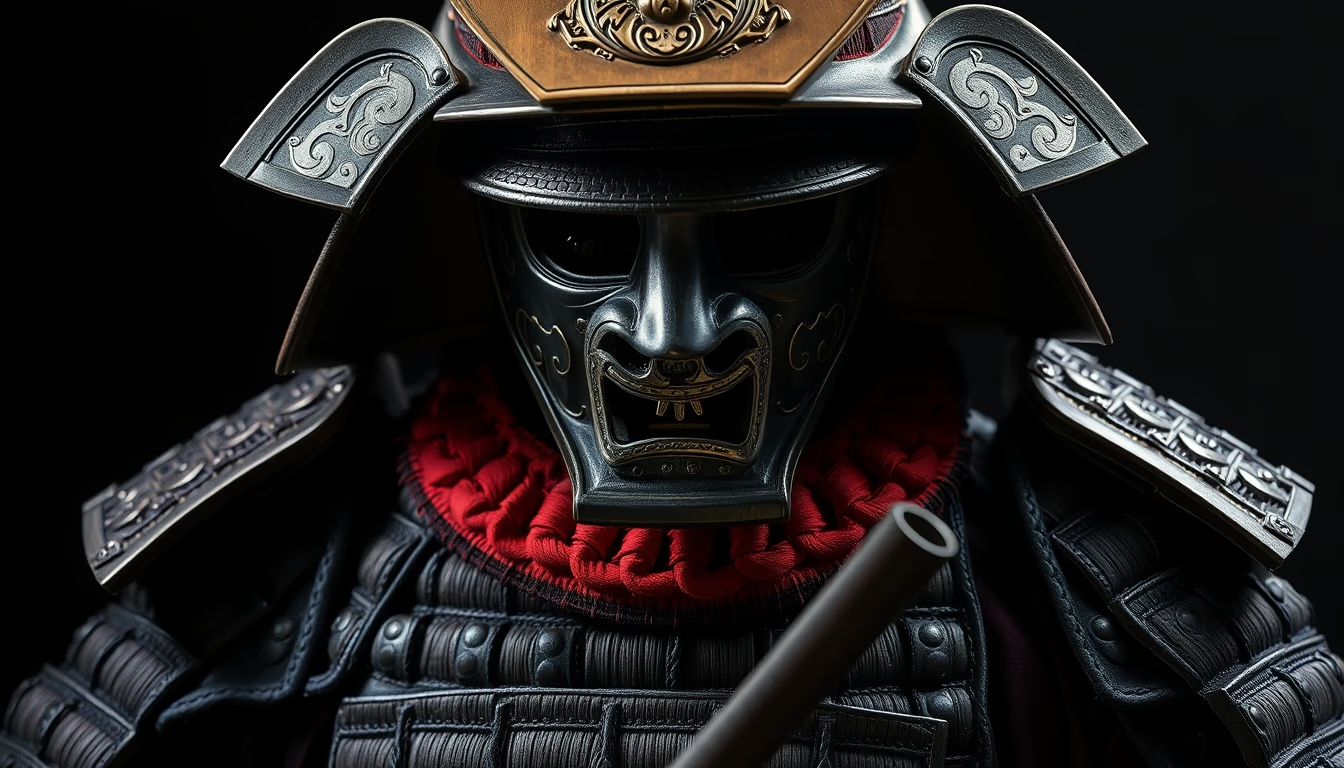
Medieval armor display in a museum reveals the engineering of protection and social status of European knights.
About this subject
Medieval armor was far more than battlefield equipment; it represented power, wealth, and identity. Made of steel, iron, or leather, each piece was custom-fitted to the knight’s body. Armor evolved from chainmail worn in the Early Middle Ages to full plate armor by the 15th century. A complete suit could weigh between 20 and 30 kilograms, yet the weight was distributed so that the wearer could move with relative agility.
In museums, these pieces are displayed on stands to highlight details like decorative engravings, heraldry, and forging techniques. Crafting armor required specialized smiths who shaped each segment through hammering and welding. Ornate armor indicated the bearer’s social status, while simpler suits were used by common soldiers.
Interestingly, plate armor was not universal: infantry soldiers preferred lighter protection. The effectiveness of armor was tested in battles like Agincourt (1415), where English longbowmen targeted armored French knights. Armor also influenced fashion, with civilian clothing imitating metallic forms.
Today, preserving these pieces is a challenge. Iron and steel are prone to corrosion, requiring controlled humidity environments. Exhibits at museums like the Stibbert Museum in Florence or the Royal Armouries in Leeds allow the public to appreciate medieval warfare history and the artistry of armorers.
Frequently Asked Questions
What was the typical weight of a full medieval armor?
A complete plate armor weighed between 20 and 30 kilograms. The weight was distributed across the body, allowing the knight to mount and fight with relative mobility.
How were medieval armors manufactured?
Armors were forged by specialized smiths. They hammered steel or iron sheets over anvils, creating curves and joints. Pieces were then welded or riveted, and sometimes decorated with engravings or gold plating.
Why do some museums display armor on supports?
Supports show the armor in its three-dimensional form, as if being worn. They also prevent the weight from damaging joints or causing stress to the metal.
Direct URL
https://pub-c7d6a6ea828543ac903a74a341ccb2e1.r2.dev/imagens/medieval-armor-display-lo-fi-disposable-camera-p11.avifHow to credit
Include a visible link back to UtilizAí. Copy one of the snippets below:
<a href="https://xn--utiliza-eza.com/en/midia/imagens/medieval-armor-display-lo-fi-disposable-camera-p11">Medieval armor display</a> by <a href="https://xn--utiliza-eza.com">UtilizAí</a>, licensed under <a href="https://creativecommons.org/licenses/by/4.0/">CC BY 4.0</a>.
[Medieval armor display](https://xn--utiliza-eza.com/en/midia/imagens/medieval-armor-display-lo-fi-disposable-camera-p11) by [UtilizAí](https://xn--utiliza-eza.com), CC BY 4.0
License: CC-BY-4.0