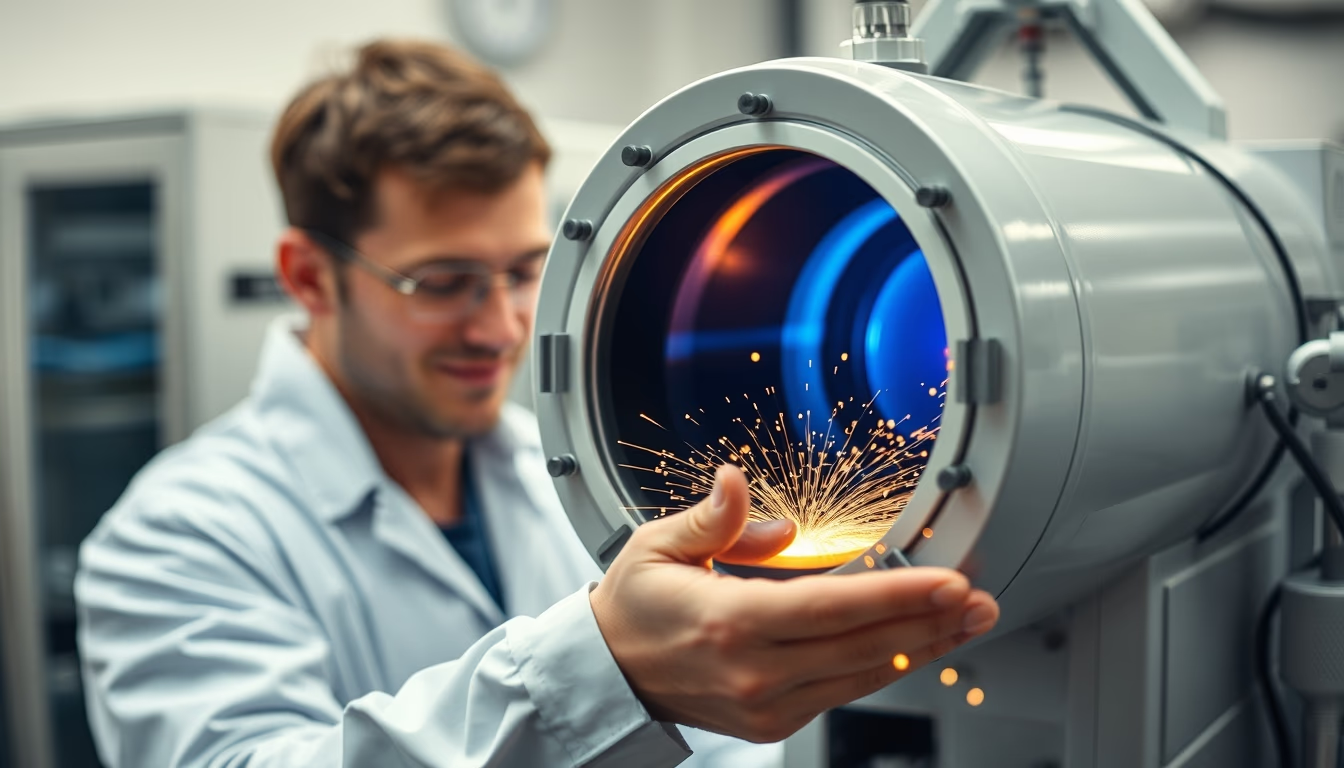
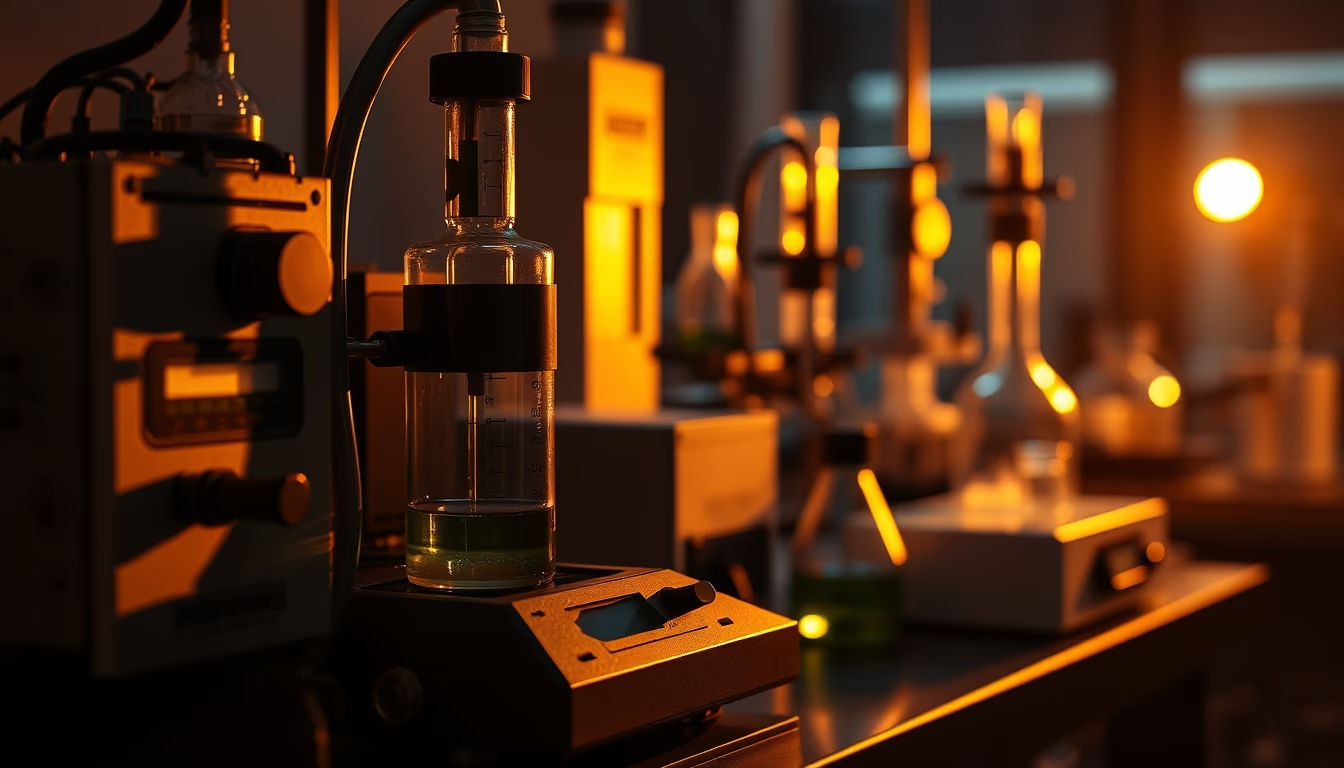
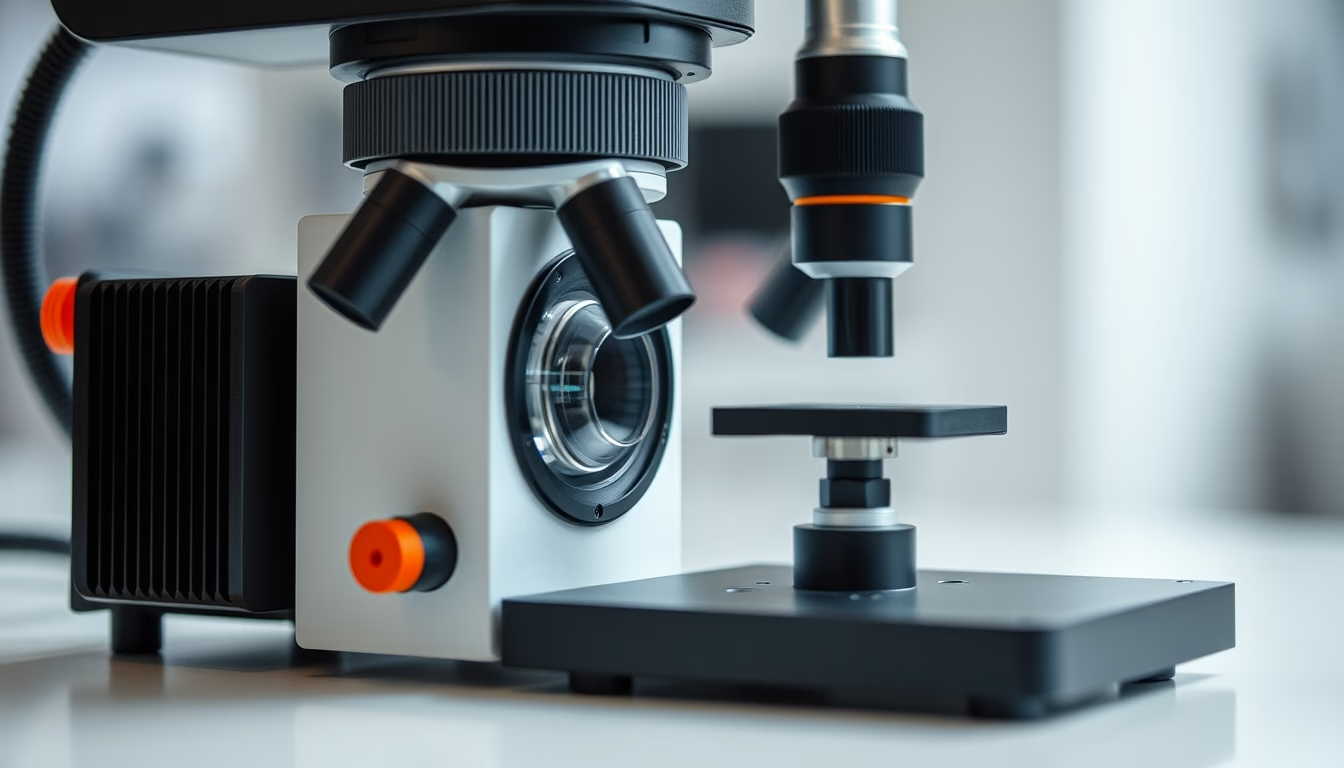
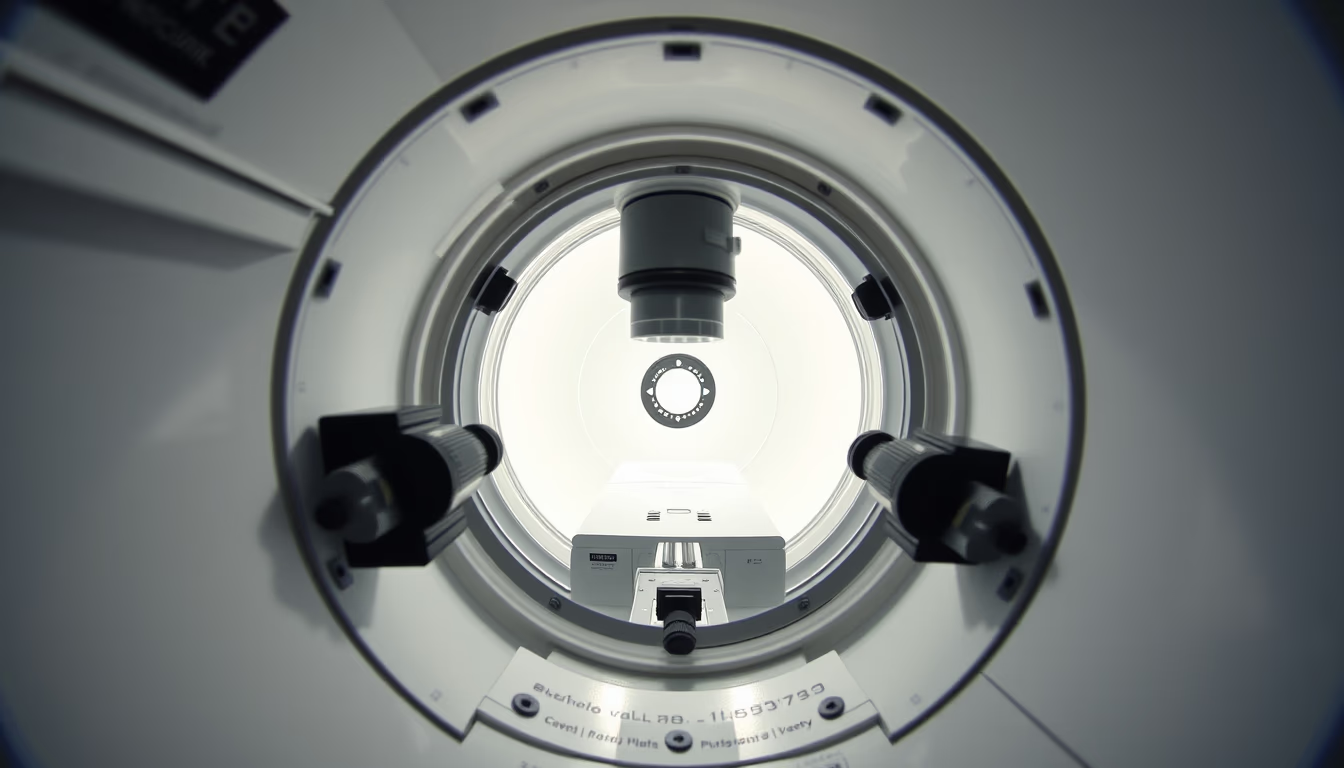
Mass spectrometer device
1344×768 · AVIF · CC BY 4.0
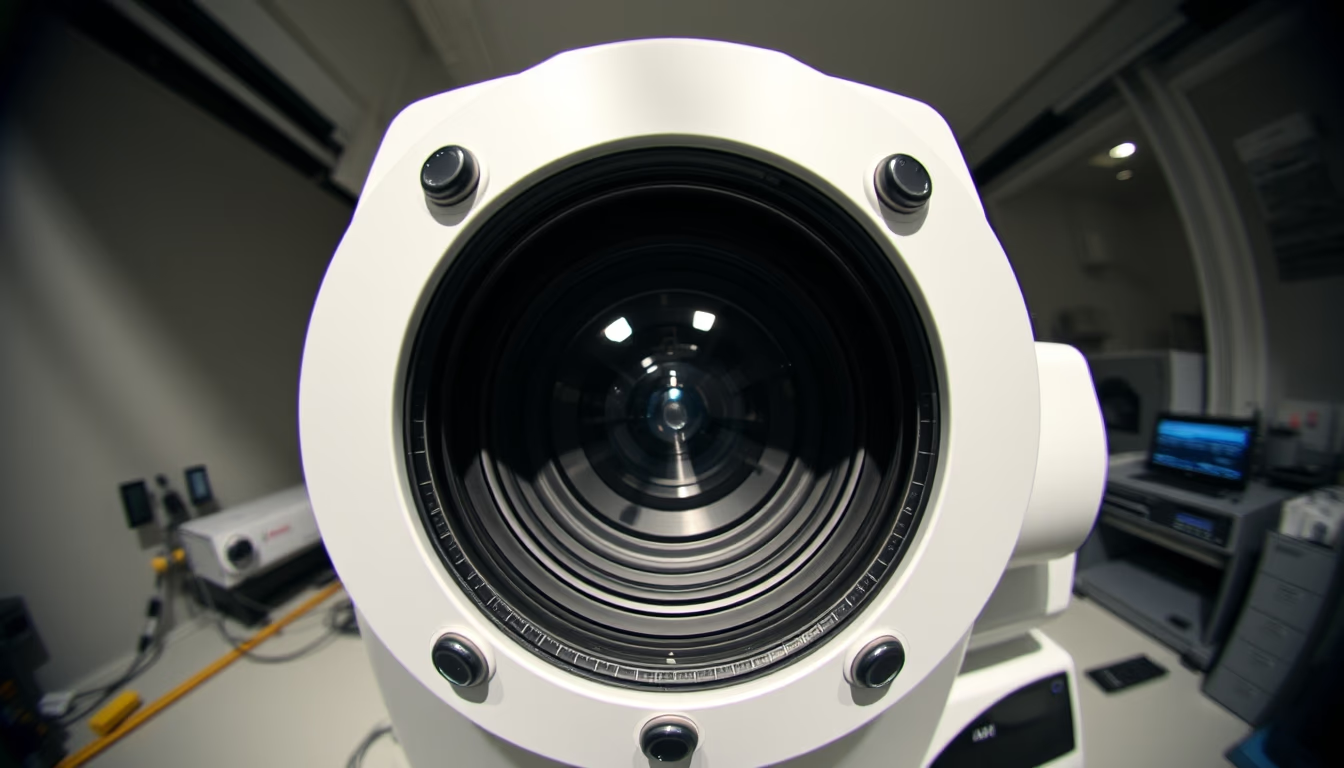
Mass spectrometer analyzes ions by mass-to-charge ratio, essential in chemistry, biology, and medicine.
About this subject
A mass spectrometer is an analytical instrument that measures the mass of ions based on their mass-to-charge ratio (m/z). The process involves three main steps: ionization of the sample, separation of ions according to m/z, and detection. Ionization techniques such as electrospray (ESI) and matrix-assisted laser desorption/ionization (MALDI) allow the analysis of large molecules like proteins and polymers without excessive fragmentation.
Various mass analyzers exist, including quadrupole, time-of-flight (TOF), and ion trap. Each has specific advantages: quadrupole is robust and fast for quantitative analysis; TOF offers high resolution and wide mass range. Tandem mass spectrometry (MS/MS) fragments selected ions to provide detailed structural information.
Applications are vast and multidisciplinary. In proteomics, it identifies and quantifies thousands of proteins in a biological sample. In metabolomics, it reveals metabolites involved in disease or drug response. In environmental science, it detects trace contaminants such as pesticides and pharmaceuticals in water and soil. Clinically, it is used for newborn screening, therapeutic drug monitoring, and diagnosis of metabolic disorders.
Developed in the early 20th century, mass spectrometry has earned two Nobel Prizes: to Joseph John Thomson (1906, for the discovery of the electron and work with canal rays) and to Wolfgang Paul and Hans Dehmelt (1989, for the development of the ion trap technique). Today, high-resolution mass spectrometers like Orbitrap and FT-ICR can identify thousands of compounds in a single analysis, revolutionizing biology and personalized medicine.
Frequently Asked Questions
How does a mass spectrometer work?
The instrument ionizes the sample, separates ions by their mass-to-charge ratio using electric or magnetic fields, and detects each ion to produce a mass spectrum.
What are the main applications of mass spectrometry?
It is used in proteomics, metabolomics, environmental analysis, clinical diagnostics, pharmaceutical quality control, and forensic investigations.
What is the difference between mass spectrometry and spectroscopy?
While spectroscopy measures the interaction of matter with electromagnetic radiation, mass spectrometry measures the mass of ions, providing information on elemental and structural composition.
Direct URL
https://pub-c7d6a6ea828543ac903a74a341ccb2e1.r2.dev/imagens/mass-spectrometer-device-fish-eye-wide-angle-fresh16.avifHow to credit
Include a visible link back to UtilizAí. Copy one of the snippets below:
<a href="https://xn--utiliza-eza.com/en/midia/imagens/mass-spectrometer-device-fish-eye-wide-angle-fresh16">Mass spectrometer device</a> by <a href="https://xn--utiliza-eza.com">UtilizAí</a>, licensed under <a href="https://creativecommons.org/licenses/by/4.0/">CC BY 4.0</a>.
[Mass spectrometer device](https://xn--utiliza-eza.com/en/midia/imagens/mass-spectrometer-device-fish-eye-wide-angle-fresh16) by [UtilizAí](https://xn--utiliza-eza.com), CC BY 4.0
License: CC-BY-4.0