Mass spectrometer device
1344×768 · AVIF · CC BY 4.0
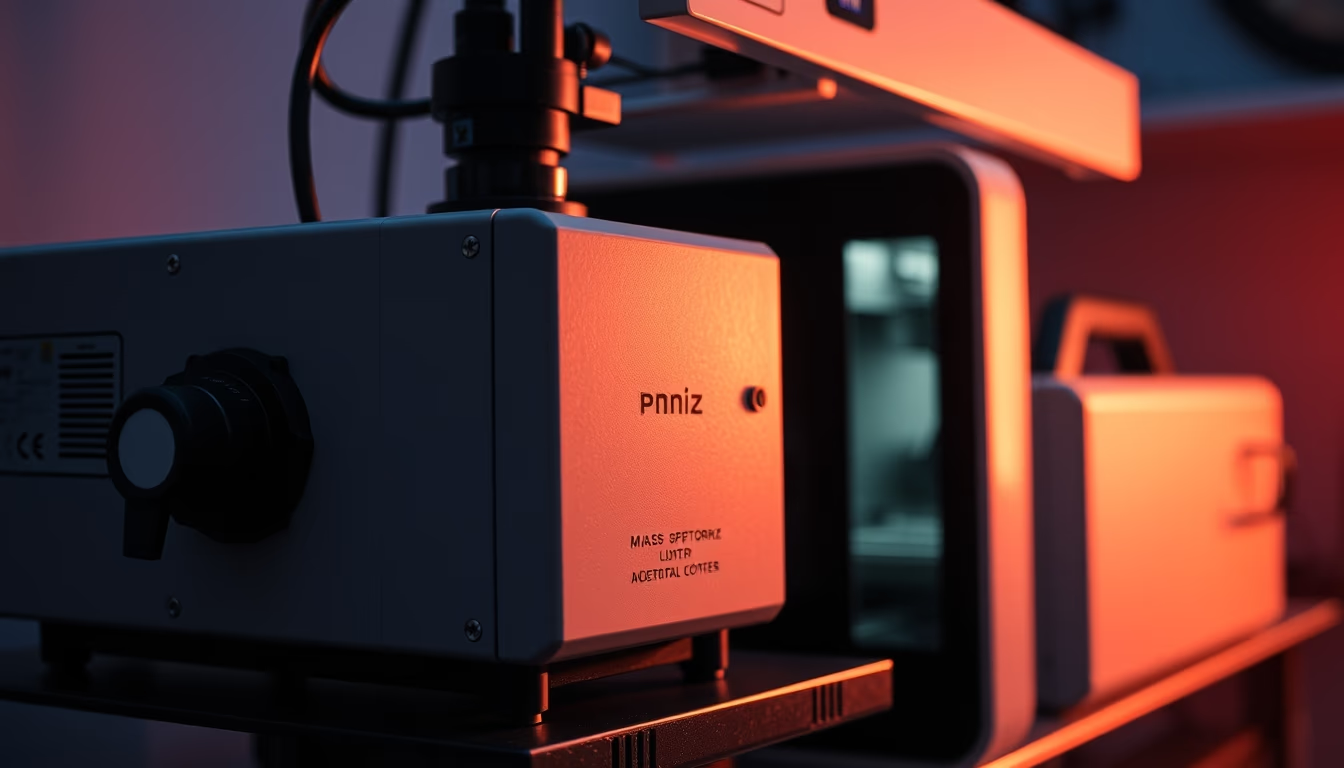
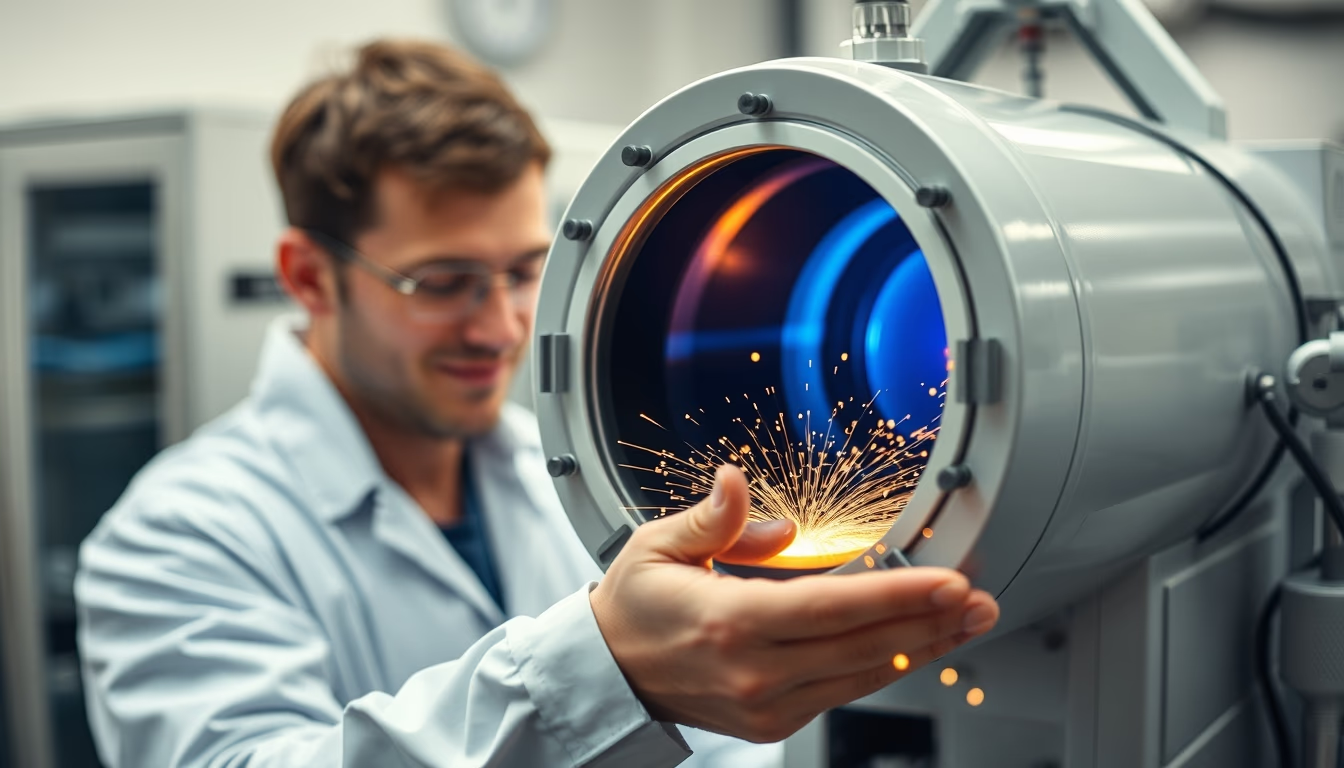
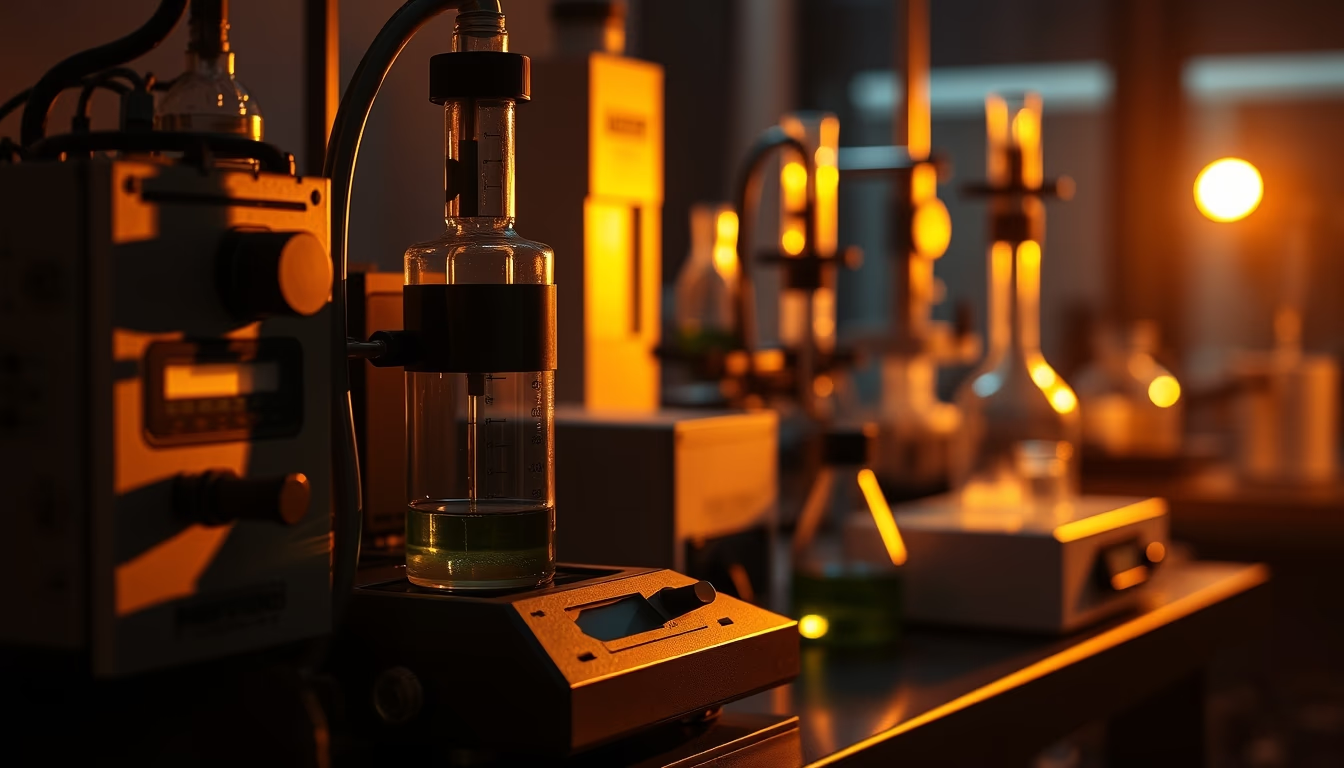
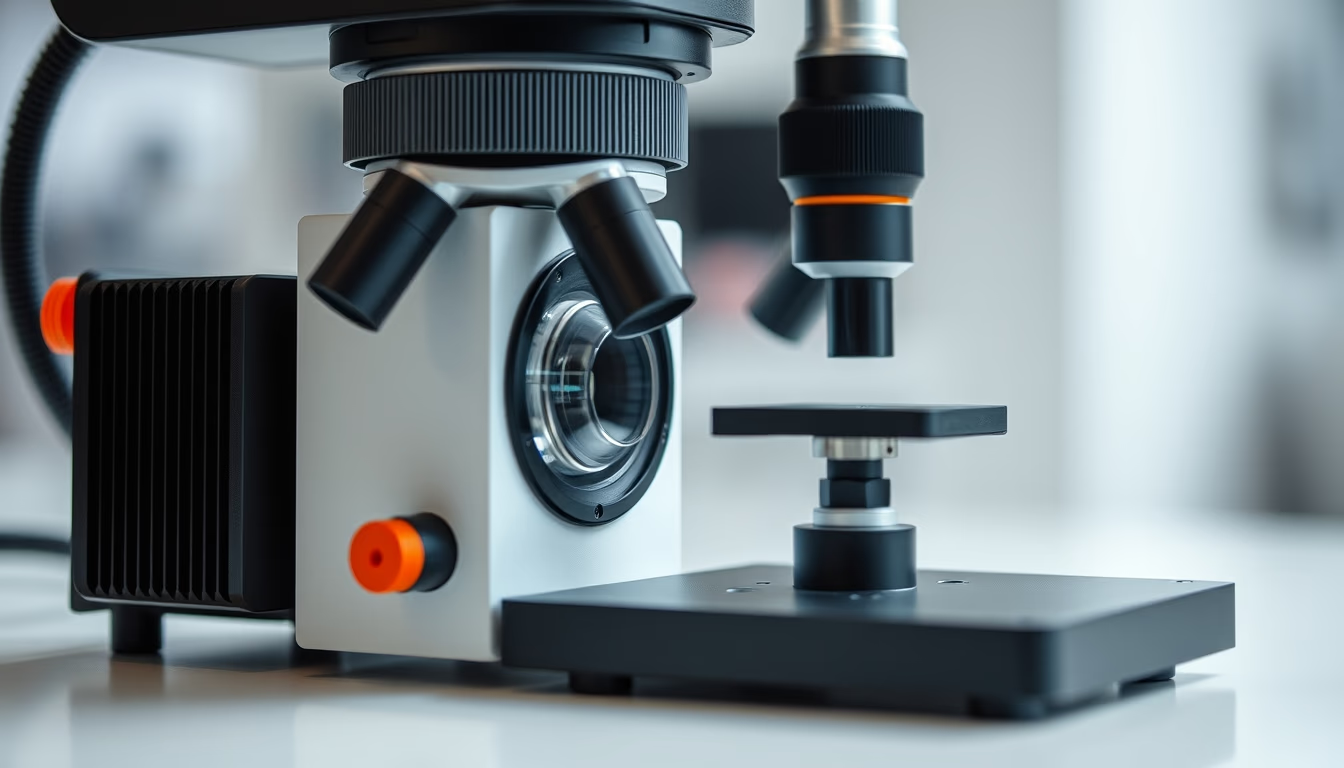
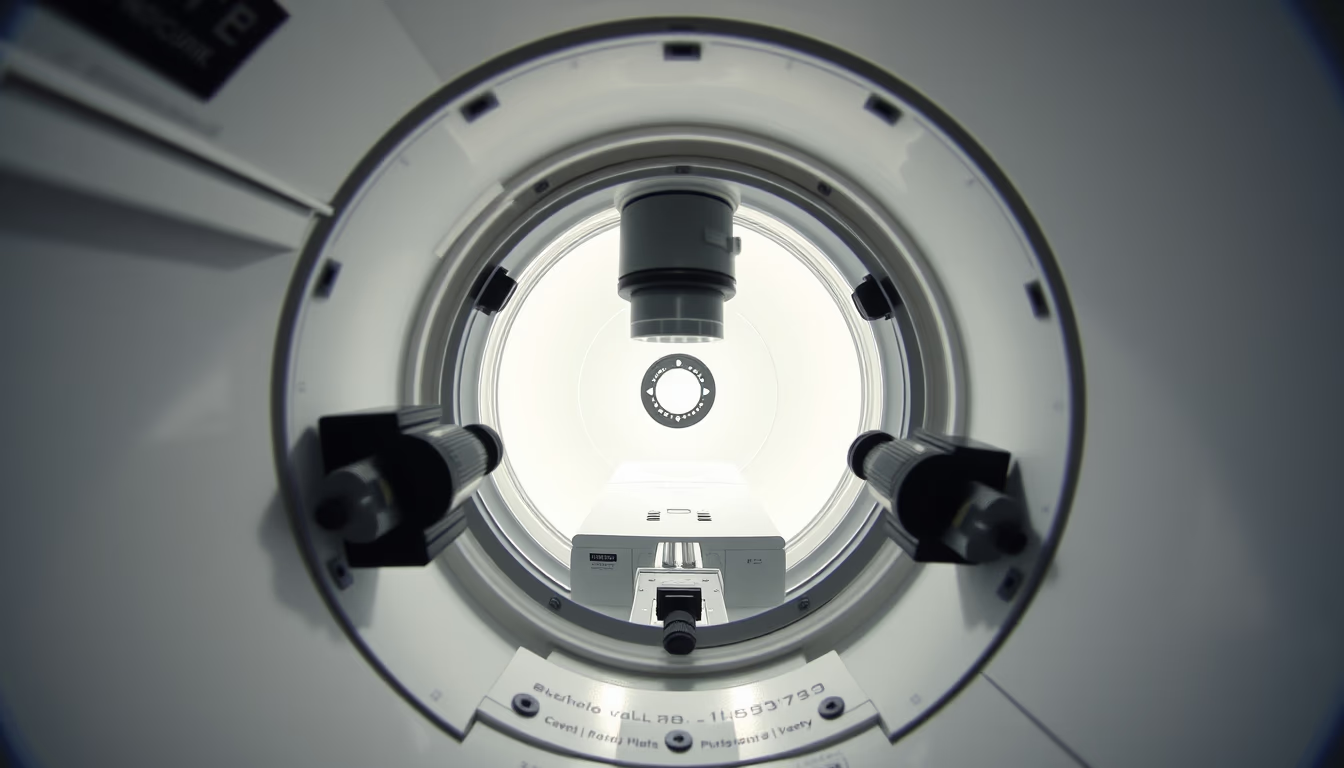
Mass spectrometer, an analytical instrument that ionizes and separates particles by mass-to-charge ratio, essential in chemistry, pharma and diagnostics.
About this subject
The mass spectrometer is a high-precision analytical instrument used to determine the chemical composition of samples by identifying molecules based on their molecular mass. Its operating principle involves three fundamental steps: ionization of the sample, separation of ions according to their mass-to-charge ratio, and detection. This technique can quantify and qualify substances at concentrations as low as parts per trillion, making it indispensable in fields such as organic chemistry, biochemistry, pharmacology, and forensic medicine.
The development of the mass spectrometer dates back to the early 20th century, with initial prototypes built by Joseph John Thomson and later by Francis William Aston in the 1910s. Since then, the technology has evolved significantly, with the introduction of ionization sources such as electrospray (ESI) and matrix-assisted laser desorption/ionization (MALDI), which allow the analysis of large biomolecules like proteins and DNA. Common analyzers include quadrupole, time-of-flight (TOF), and ion trap, each offering specific advantages for different applications.
In a global context, mass spectrometry is widely used in universities and research institutions for metabolomics, proteomics, and materials science. In industry, the instrument is critical for quality control of pharmaceuticals, identification of contaminants in food, and analysis of illicit drugs in biological samples. Additionally, the technique has applications in paleontology, archaeology, and environmental sciences, such as radiocarbon dating and monitoring pollutants.
An interesting fact: the mass spectrometer aboard the Cassini space probe was instrumental in discovering subsurface oceans on Saturn's moons, like Enceladus, by analyzing ejected ice particles. This compact instrument, called the CDA (Cosmic Dust Analyzer), illustrates how miniaturization of the technology enables advances in remote areas. In everyday life, mass spectrometers are also used at airports for explosive detection in luggage, showcasing their versatility and importance for public safety.
Frequently Asked Questions
What is the difference between mass spectrometry and chromatography?
Chromatography separates compounds based on interactions with a mobile and stationary phase, while mass spectrometry determines molecular mass and chemical structure. The two techniques are often coupled (GC-MS or LC-MS) for comprehensive analysis.
How does electrospray ionization (ESI) work?
In ESI, the liquid sample is nebulized under a high electric field, producing charged droplets that evaporate to release gas-phase ions. It is gentle for biomolecules and avoids excessive fragmentation.
Can a mass spectrometer detect any substance?
Yes, as long as the substance can be ionized. Volatile, polar, or nonpolar compounds can be analyzed with the appropriate ionization technique. Limitations exist for very large or thermally unstable molecules without derivatization.
Direct URL
https://pub-c7d6a6ea828543ac903a74a341ccb2e1.r2.dev/imagens/mass-spectrometer-device-fine-art-photography-fresh5.avifHow to credit
Include a visible link back to UtilizAí. Copy one of the snippets below:
<a href="https://xn--utiliza-eza.com/en/midia/imagens/mass-spectrometer-device-fine-art-photography-fresh5">Mass spectrometer device</a> by <a href="https://xn--utiliza-eza.com">UtilizAí</a>, licensed under <a href="https://creativecommons.org/licenses/by/4.0/">CC BY 4.0</a>.
[Mass spectrometer device](https://xn--utiliza-eza.com/en/midia/imagens/mass-spectrometer-device-fine-art-photography-fresh5) by [UtilizAí](https://xn--utiliza-eza.com), CC BY 4.0
License: CC-BY-4.0