Mass spectrometer device
1344×768 · AVIF · CC BY 4.0
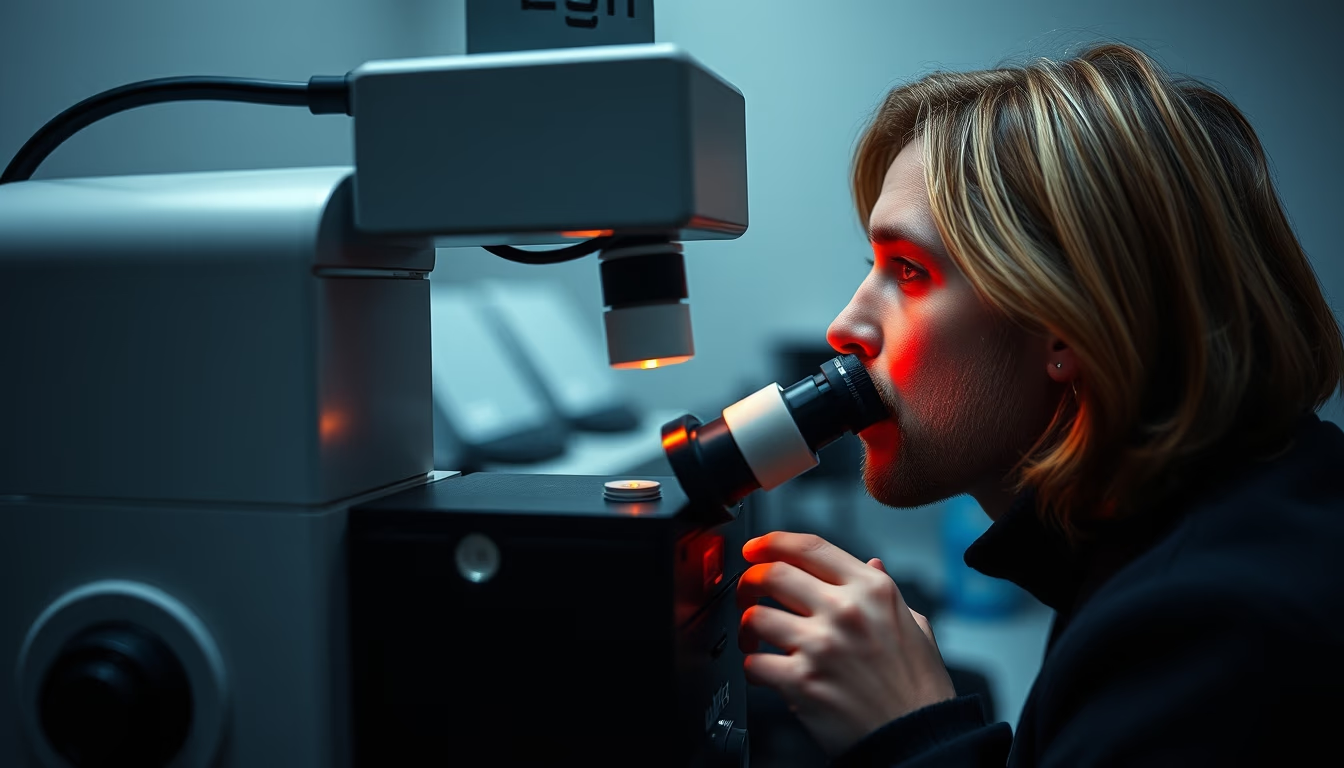
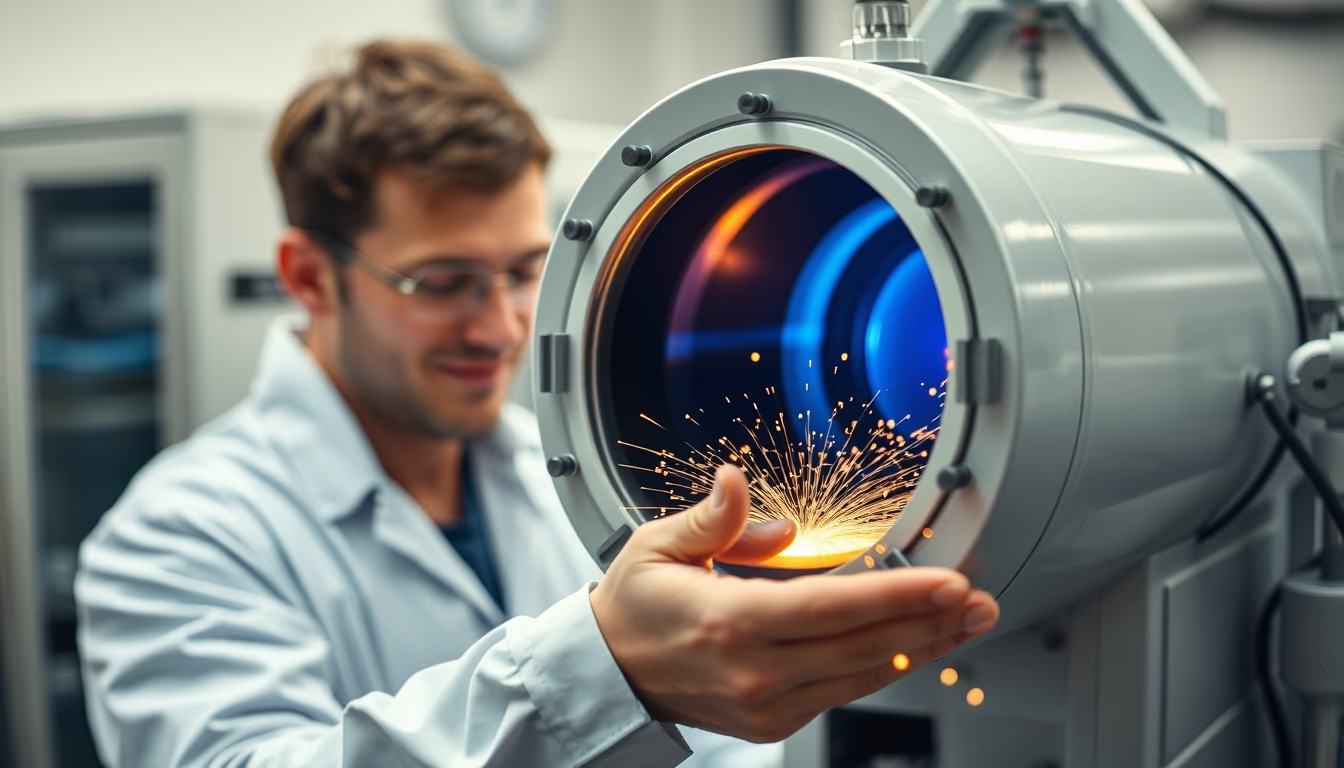
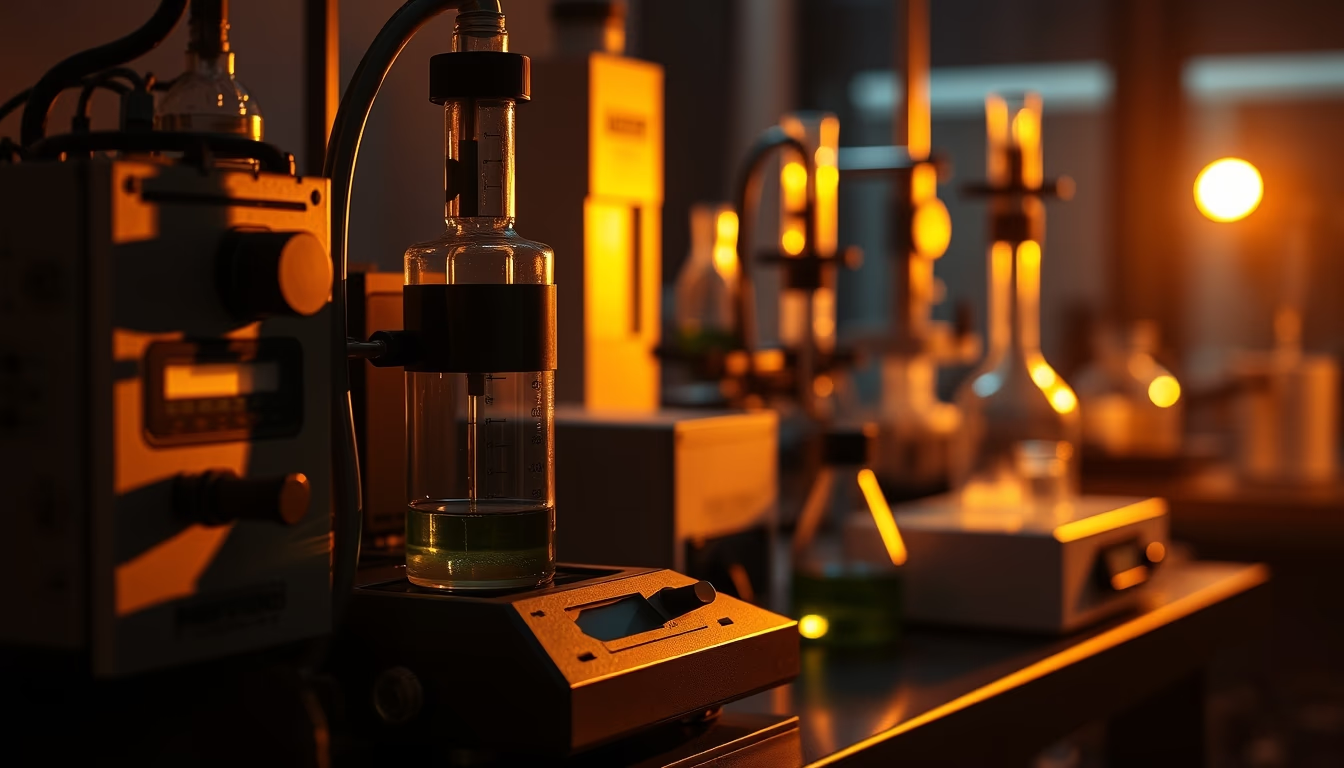
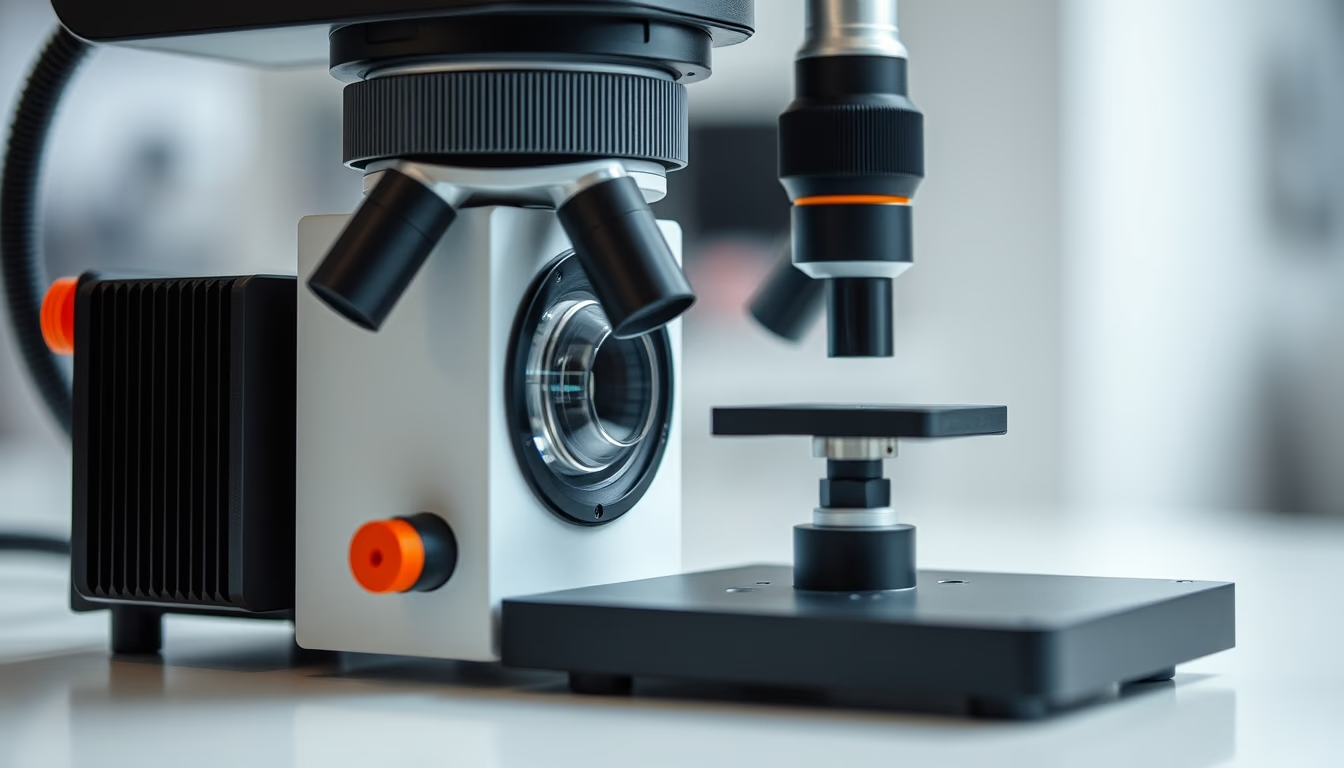
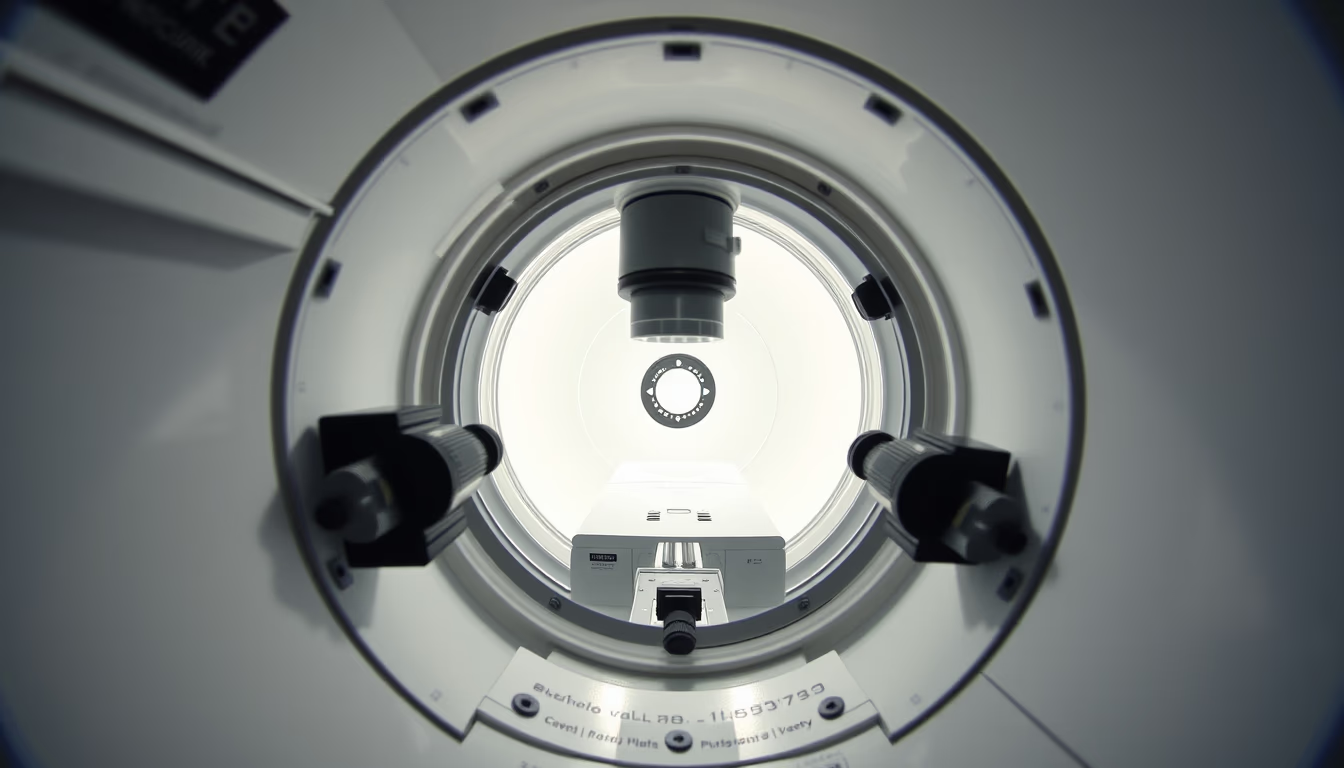
Mass spectrometer, an analytical instrument that identifies chemical compounds by mass-to-charge ratio, essential in chemistry and biology labs.
About this subject
A mass spectrometer is a fundamental scientific instrument for chemical analysis, capable of determining the molecular and structural composition of a sample. Its operating principle relies on ionizing molecules, separating the ions according to their mass-to-charge ratio (m/z), and then detecting them. This process allows identification of substances with high precision, even in trace amounts.
The history of mass spectrometry dates back to the early 20th century. British physicist J.J. Thomson, known for discovering the electron, developed the first mass spectrograph in 1912. Later, Francis Aston refined the device and isolated stable isotopes, work that earned him the Nobel Prize in Chemistry in 1922. In subsequent decades, technology evolved with the introduction of different ionization sources and analyzers, such as the quadrupole and time-of-flight (TOF).
Today, mass spectrometry is indispensable in many fields. In biochemistry and proteomics, it is used for protein sequencing and biomarker identification. In medicine, it aids in diagnosing metabolic diseases and monitoring drugs. In environmental science, it detects pollutants in water and soil with extreme sensitivity. The technique is also widely employed in quality control laboratories, the pharmaceutical industry, and forensic science.
A notable aspect is the variety of ionization techniques. Electrospray ionization (ESI) and matrix-assisted laser desorption/ionization (MALDI) are common for large and biological molecules. Electron impact ionization (EI) is typical for volatile compounds. Each method has specific advantages, expanding the instrument's range of applications.
Frequently Asked Questions
How does a mass spectrometer work?
The instrument ionizes the sample, separates the ions by their mass-to-charge ratio using electric or magnetic fields, and detects each ion, producing a mass spectrum that identifies the compounds present.
What are the main applications of mass spectrometry?
It is used in proteomics, environmental analysis, pharmaceutical quality control, medical diagnostics, toxicology, and forensic investigation, among other fields requiring precise molecular identification.
What is the difference between ionization types?
Electrospray ionization (ESI) is gentle and suitable for large, polar molecules. Matrix-assisted laser desorption/ionization (MALDI) is used for solids and biomolecules. Electron impact (EI) fragments molecules, useful for volatile compounds and structural analysis.
Direct URL
https://pub-c7d6a6ea828543ac903a74a341ccb2e1.r2.dev/imagens/mass-spectrometer-device-film-grain-authentic-fresh11.avifHow to credit
Include a visible link back to UtilizAí. Copy one of the snippets below:
<a href="https://xn--utiliza-eza.com/en/midia/imagens/mass-spectrometer-device-film-grain-authentic-fresh11">Mass spectrometer device</a> by <a href="https://xn--utiliza-eza.com">UtilizAí</a>, licensed under <a href="https://creativecommons.org/licenses/by/4.0/">CC BY 4.0</a>.
[Mass spectrometer device](https://xn--utiliza-eza.com/en/midia/imagens/mass-spectrometer-device-film-grain-authentic-fresh11) by [UtilizAí](https://xn--utiliza-eza.com), CC BY 4.0
License: CC-BY-4.0