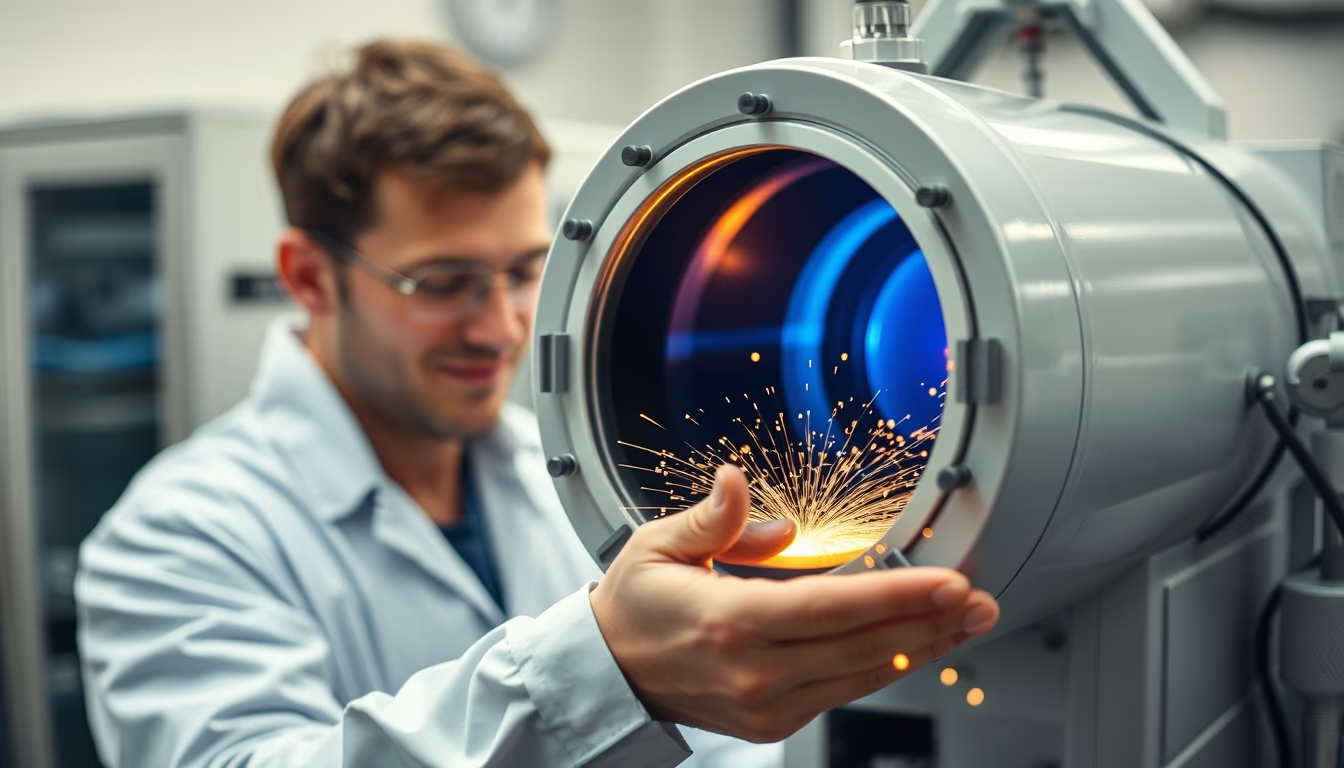
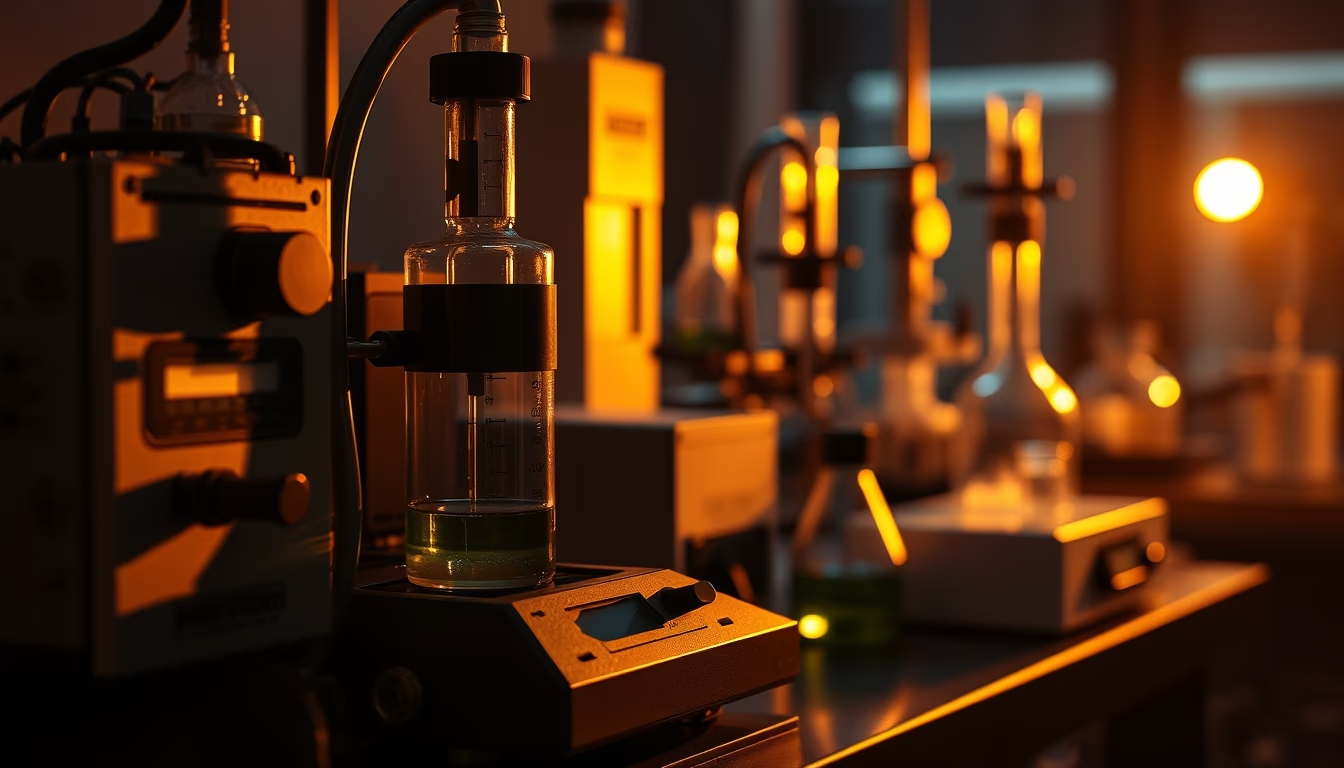
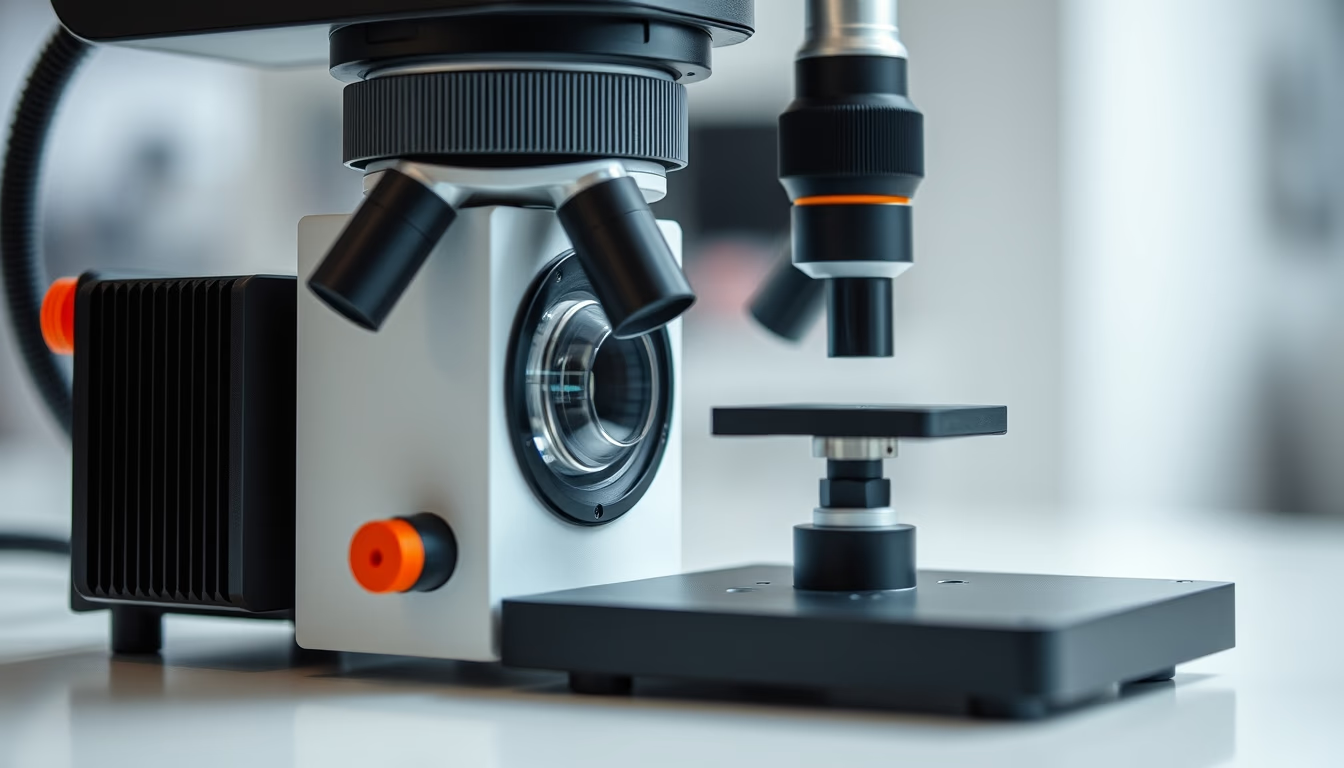
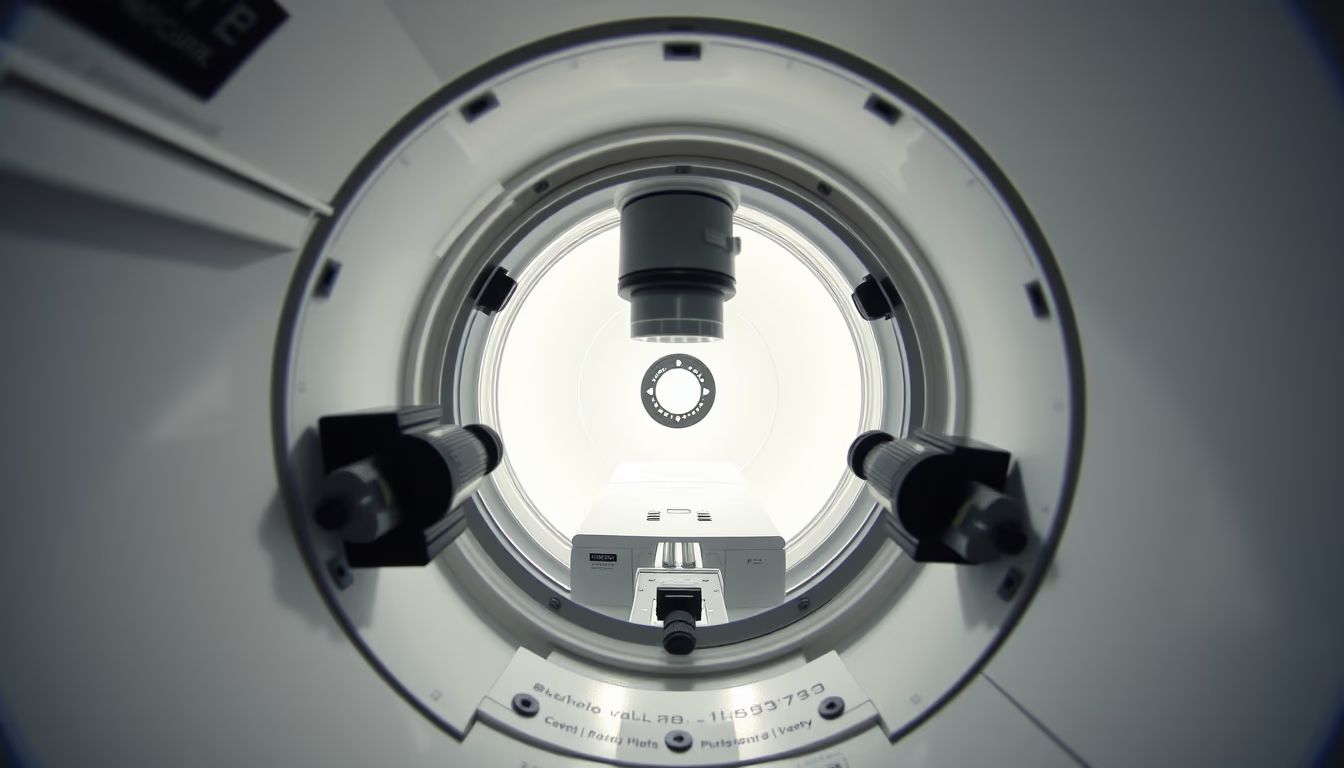
Mass spectrometer device
1344×768 · AVIF · CC BY 4.0
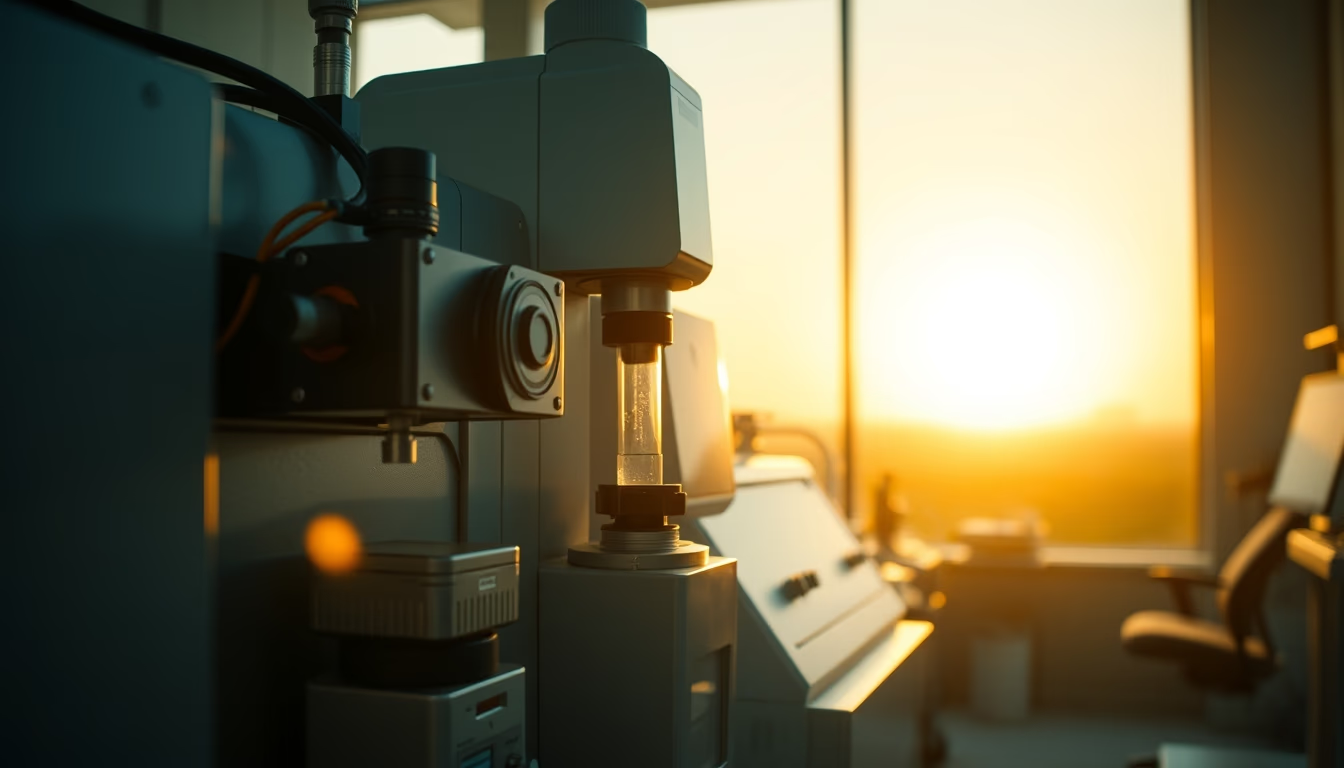
A mass spectrometer is an analytical instrument that identifies molecules by their mass-to-charge ratio, essential in chemistry, biology, and medicine.
About this subject
A mass spectrometer is a device that measures the mass of ions in a sample, allowing identification and quantification of chemical compounds with high precision. Its operation relies on ionizing the sample, separating ions according to their mass-to-charge ratio (m/z), and detecting them. Key components include an ion source, a mass analyzer, and a detector. Common ionization techniques are electron impact (EI) and electrospray ionization (ESI), each suited to different sample types.
The first mass spectrometers were developed in the early 20th century, with contributions from J.J. Thomson and Francis Aston. Aston won the Nobel Prize in Chemistry in 1922 for his discoveries on isotopes using this instrument. Since then, technology has advanced significantly, leading to instruments such as quadrupole, time-of-flight (TOF), and Orbitrap, offering ever-increasing resolution and sensitivity.
Applications of mass spectrometry range from protein identification in proteomics to pharmaceutical quality control, environmental analysis (detecting pollutants), and clinical diagnostics (newborn screening). In forensic medicine, it is used to detect drugs and poisons in biological fluids. Its versatility makes it indispensable in research laboratories and industry.
A curiosity: the mass spectrometer aboard the Cassini-Huygens space probe analyzed the composition of Titan's atmosphere, a moon of Saturn. On Earth, modern instruments can measure masses with an accuracy of up to 0.001 daltons, enabling differentiation of isotopes and compounds with very close masses.
Frequently Asked Questions
How does a mass spectrometer work?
It ionizes the sample, separates ions by mass-to-charge ratio using electric or magnetic fields, and detects ions to generate a mass spectrum, which is a plot of intensity versus m/z.
What are the types of mass analyzers?
Main types include quadrupole, time-of-flight (TOF), magnetic sector, ion trap, and Orbitrap. Each offers different advantages in resolution, sensitivity, and mass range.
In which fields is mass spectrometry used?
It is used in analytical chemistry, biochemistry, medicine (diagnostics and pharmacokinetics), environmental science, geology, food safety, and the pharmaceutical industry, among others.
Direct URL
https://pub-c7d6a6ea828543ac903a74a341ccb2e1.r2.dev/imagens/mass-spectrometer-device-cinematic-wide-shot-fresh0.avifHow to credit
Include a visible link back to UtilizAí. Copy one of the snippets below:
<a href="https://xn--utiliza-eza.com/en/midia/imagens/mass-spectrometer-device-cinematic-wide-shot-fresh0">Mass spectrometer device</a> by <a href="https://xn--utiliza-eza.com">UtilizAí</a>, licensed under <a href="https://creativecommons.org/licenses/by/4.0/">CC BY 4.0</a>.
[Mass spectrometer device](https://xn--utiliza-eza.com/en/midia/imagens/mass-spectrometer-device-cinematic-wide-shot-fresh0) by [UtilizAí](https://xn--utiliza-eza.com), CC BY 4.0
License: CC-BY-4.0