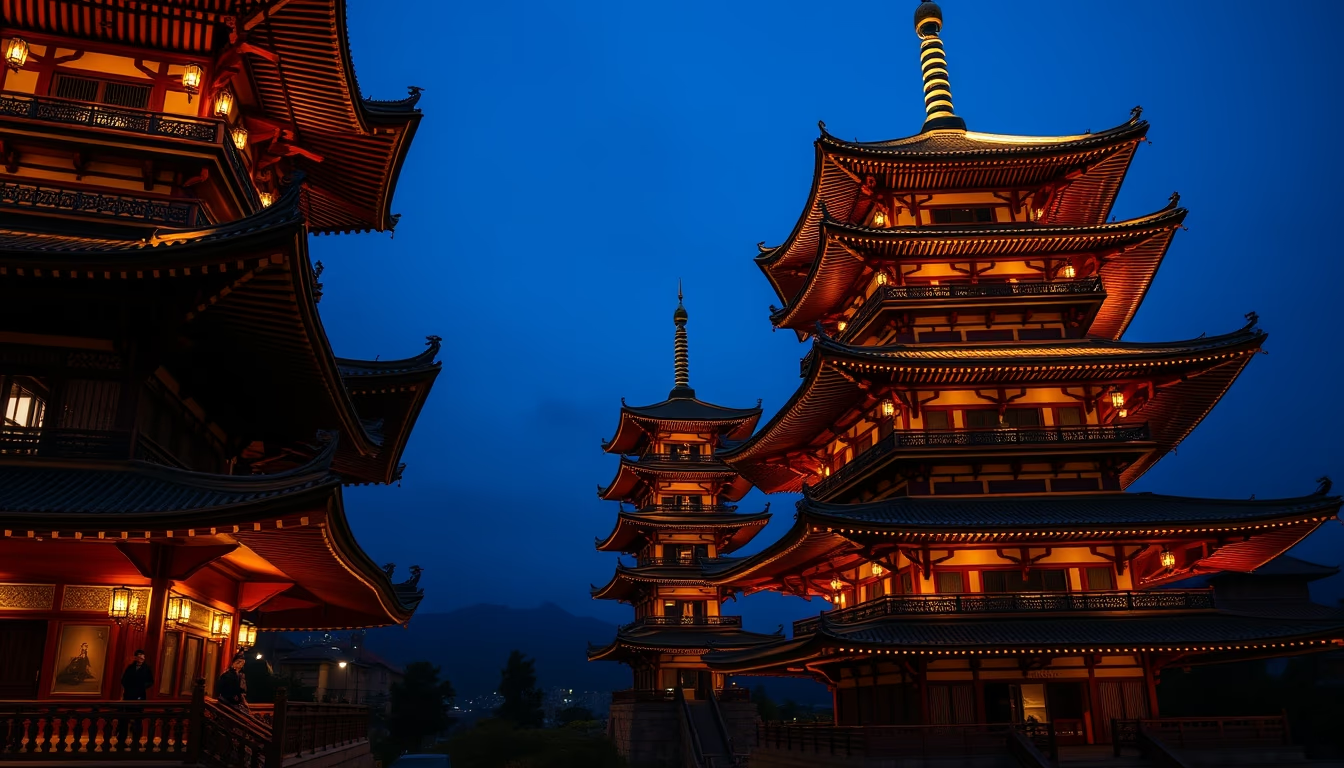
Koan mountain temple
1344×768 · AVIF · CC BY 4.0
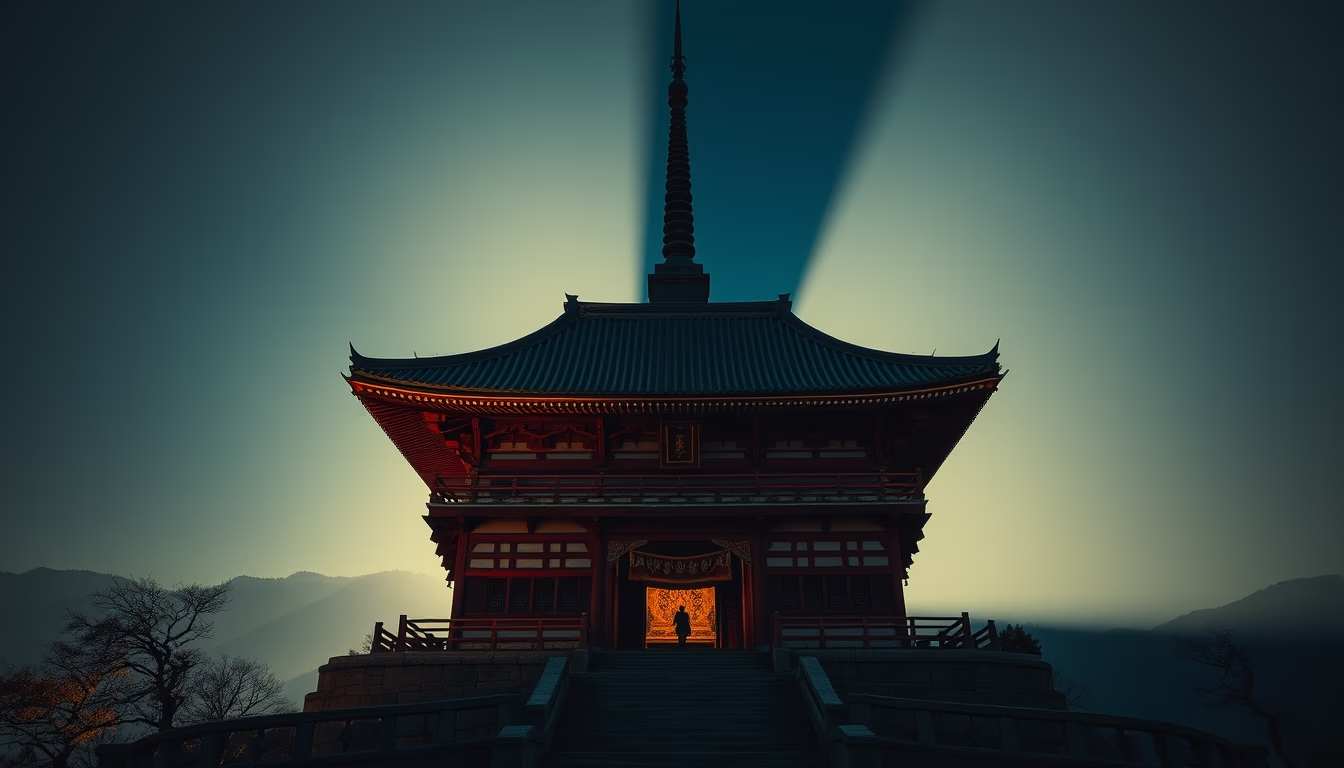
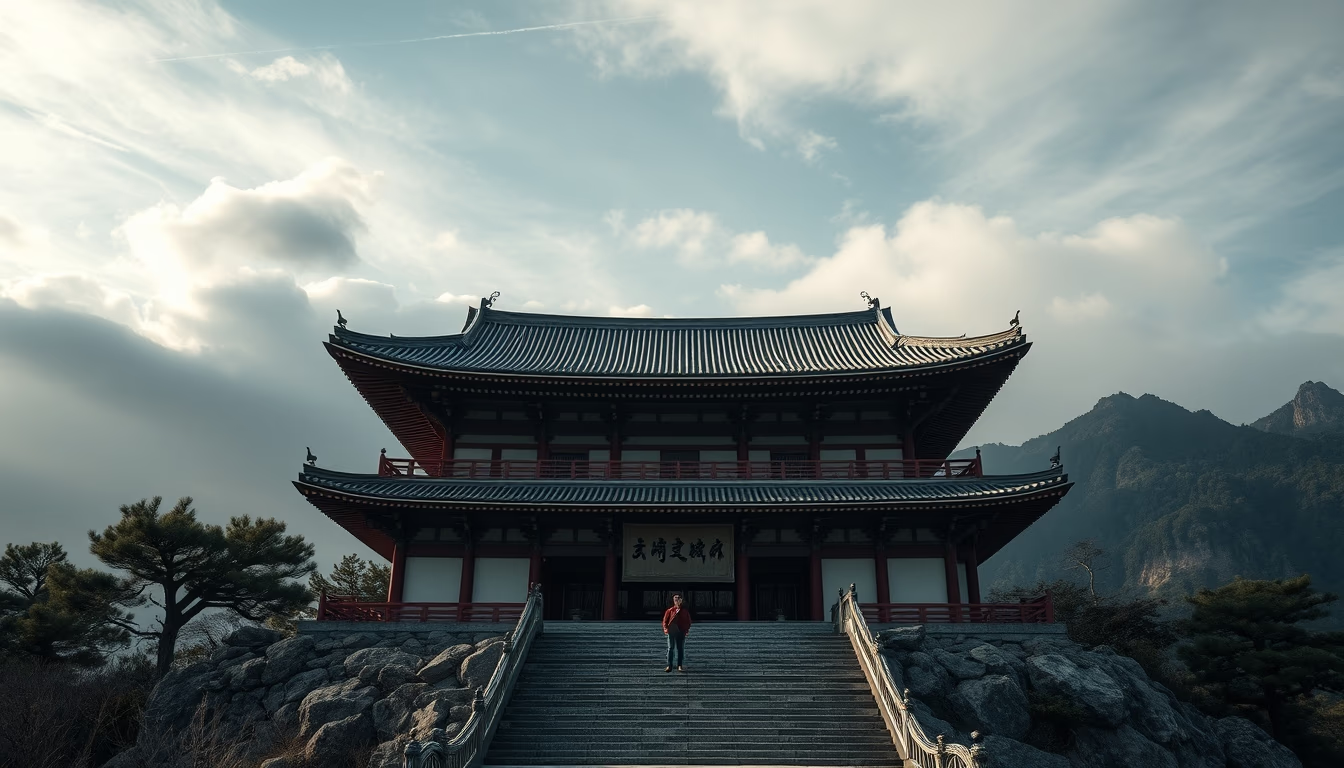
Koan mountain temple combines isolated Zen architecture on rocky peaks, where monks practice meditation and koan study.
About this subject
Koan mountain temple refers to the architectural and spiritual concept of Zen monasteries located on remote mountain peaks in East Asia. These structures were deliberately isolated to foster deep meditation and the study of koans, paradoxical riddles used as tools for enlightenment in Zen Buddhism. The term "koan" involves puzzles such as "What is the sound of one hand clapping?" that challenge discursive logic and induce an intuitive leap of consciousness.
The choice of mountain peaks for such temples is not accidental. In Chinese and Japanese tradition, mountains were considered abodes of immortals and enlightened beings, places of purification and spiritual ascent. Temples like Hōryū-ji in Japan or Shaolin Monastery in China were built on steep slopes, blending with the natural landscape. The dramatic lighting, with deep shadows, enhances the introspective atmosphere and the sense of being between heaven and earth.
Koan practice requires rigorous discipline and a qualified master. The student meditates on the koan until the rational mind exhausts itself, allowing a direct glimpse into the ultimate nature of reality. Each temple had its own curriculum of koans, transmitted orally for generations. The silence and solitude of the mountain were crucial elements for this process, minimizing distractions and cultivating mindfulness.
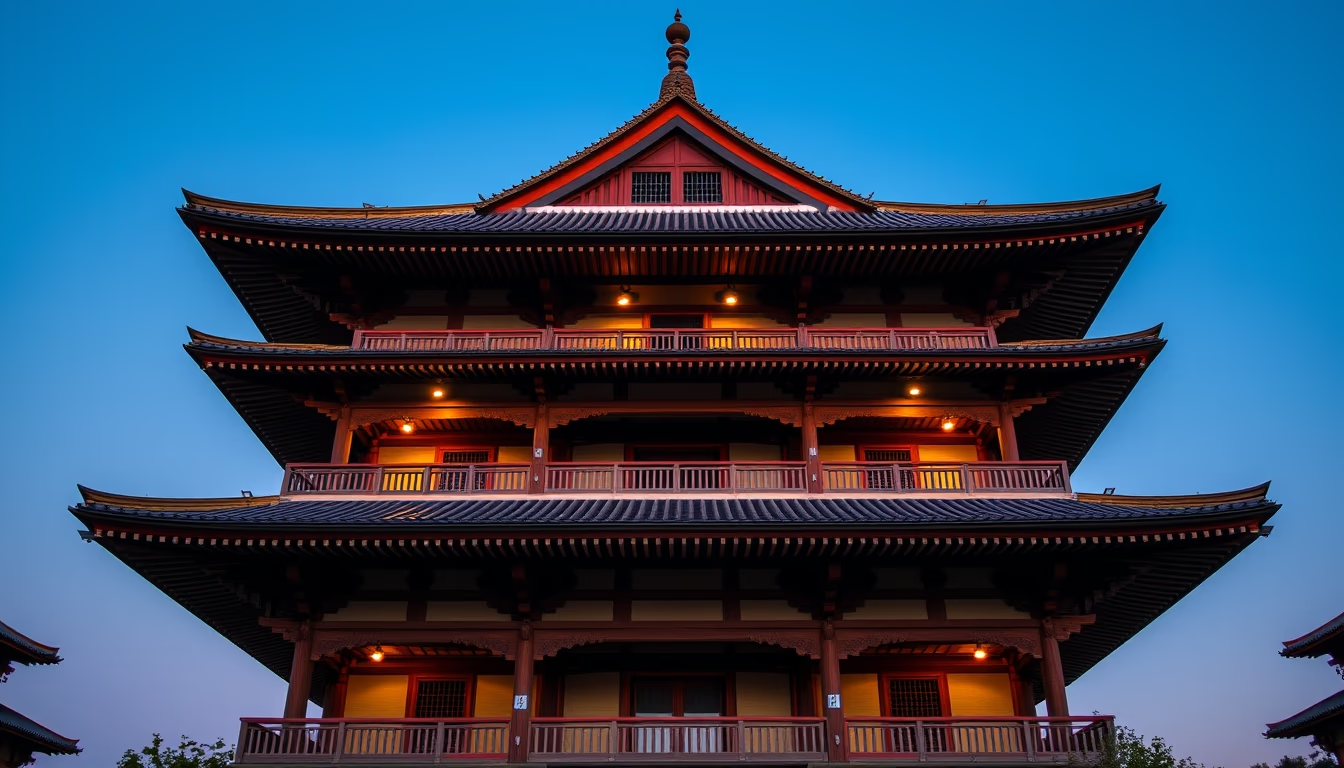
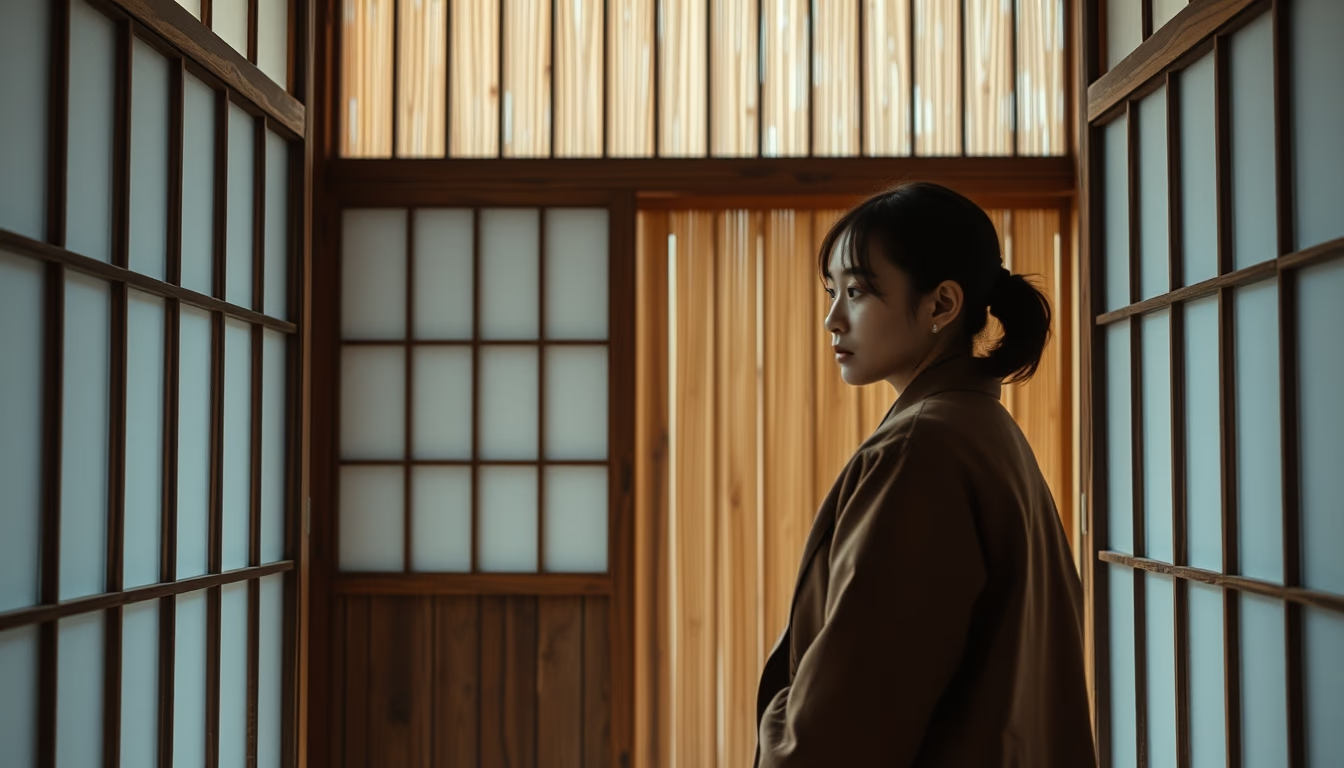
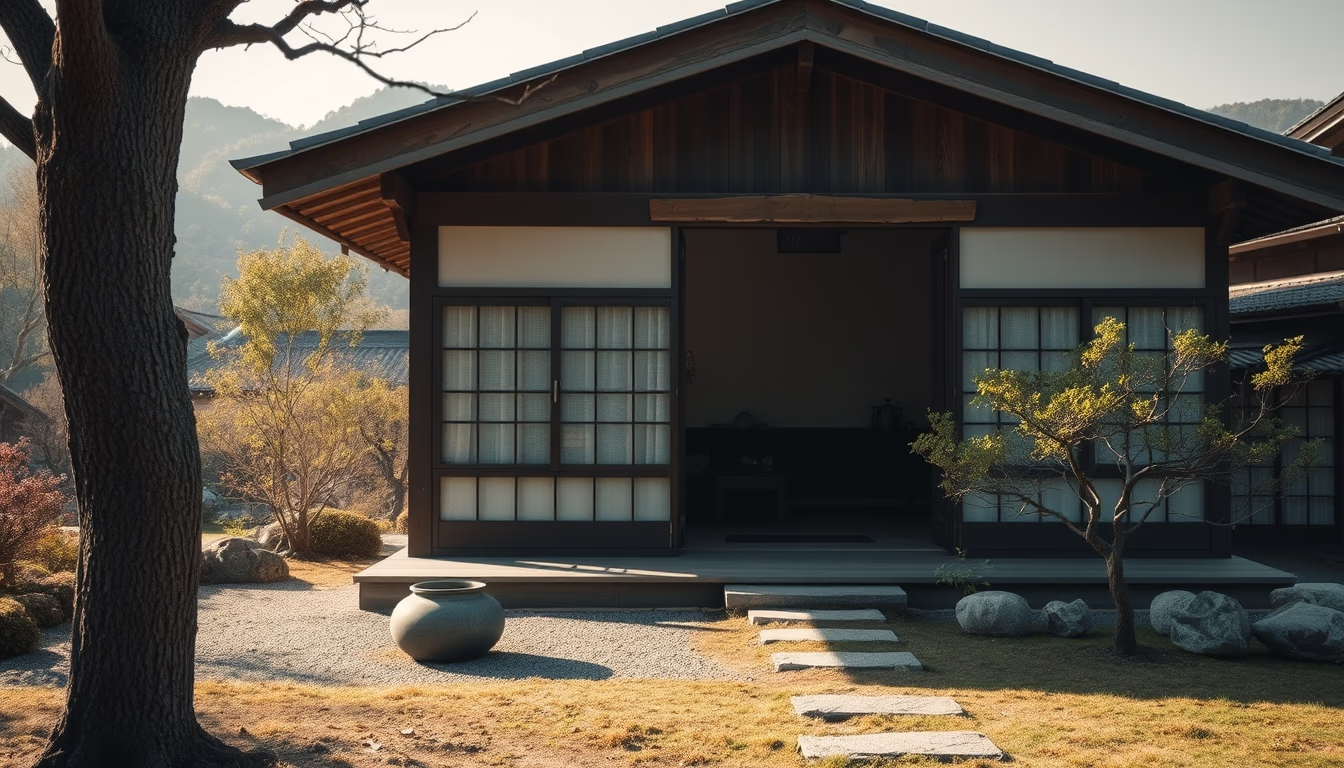
Today, many of these temples are open to visitors and lay practitioners, offering meditation retreats. The architecture preserves traditional features: curved roofs, stone courtyards, dry gardens (karesansui), and meditation halls (zendo). Natural lighting, with beams entering through strategically placed windows, creates a dramatic play of shadows that aids concentration and the sacred atmosphere.
Frequently Asked Questions
What is a koan in Zen Buddhism?
A koan is a story, question, or paradox used in Zen training to challenge logical thinking and lead the practitioner to intuitive enlightenment. Famous examples include 'What is the sound of one hand clapping?' and 'What was your face before your parents were born?'.
Why are Zen temples built on mountains?
Mountains symbolize purity, isolation, and closeness to the divine. The solitude and silence foster deep meditation and koan practice, away from urban distractions.
What is typical architecture of a mountain Zen temple?
It includes curved roofs, stone courtyards, dry gardens (karesansui), meditation halls (zendo), and windows strategically placed for natural light effects. The building blends with the landscape using wood and stone.
Direct URL
https://pub-c7d6a6ea828543ac903a74a341ccb2e1.r2.dev/imagens/koan-mountain-temple-rembrandt-lighting-dramatic-shadows-fresh6.avifHow to credit
Include a visible link back to UtilizAí. Copy one of the snippets below:
<a href="https://xn--utiliza-eza.com/en/midia/imagens/koan-mountain-temple-rembrandt-lighting-dramatic-shadows-fresh6">Koan mountain temple</a> by <a href="https://xn--utiliza-eza.com">UtilizAí</a>, licensed under <a href="https://creativecommons.org/licenses/by/4.0/">CC BY 4.0</a>.
[Koan mountain temple](https://xn--utiliza-eza.com/en/midia/imagens/koan-mountain-temple-rembrandt-lighting-dramatic-shadows-fresh6) by [UtilizAí](https://xn--utiliza-eza.com), CC BY 4.0
License: CC-BY-4.0