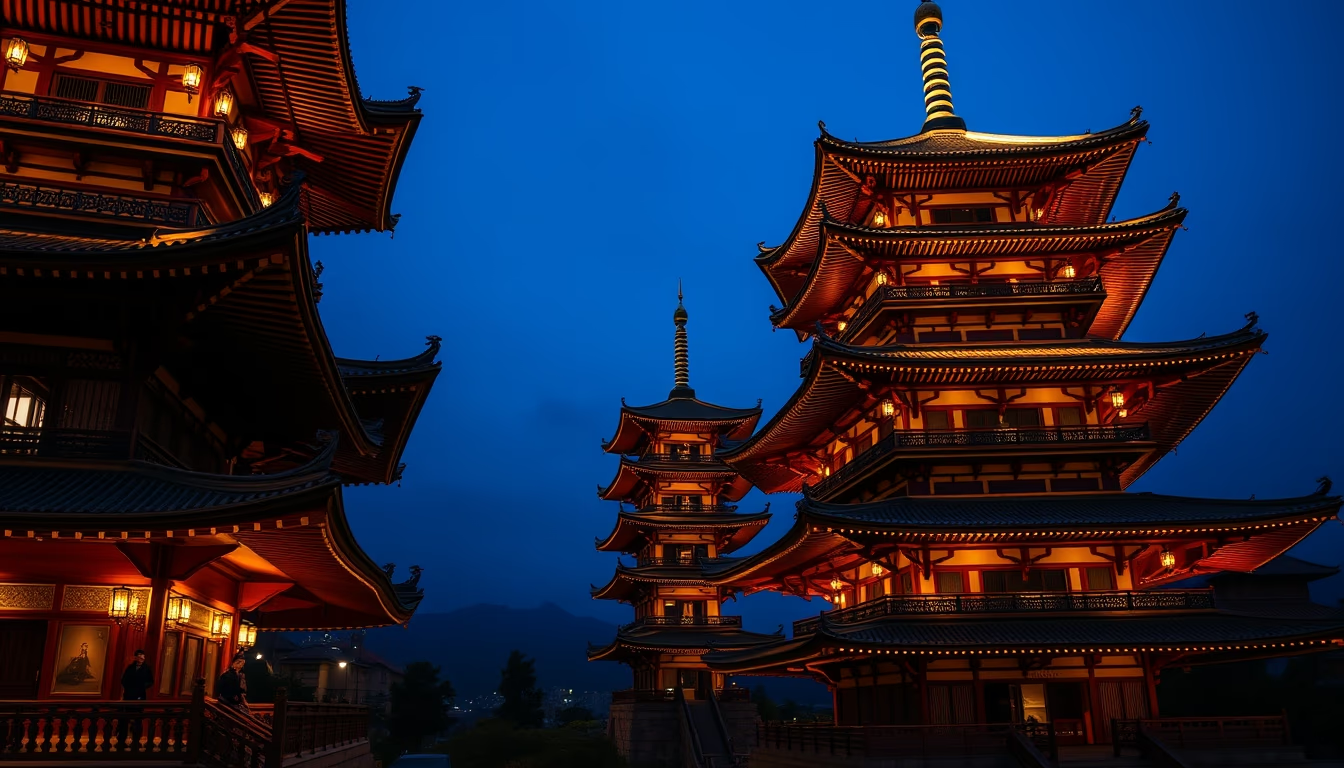
Koan mountain temple
1344×768 · AVIF · CC BY 4.0
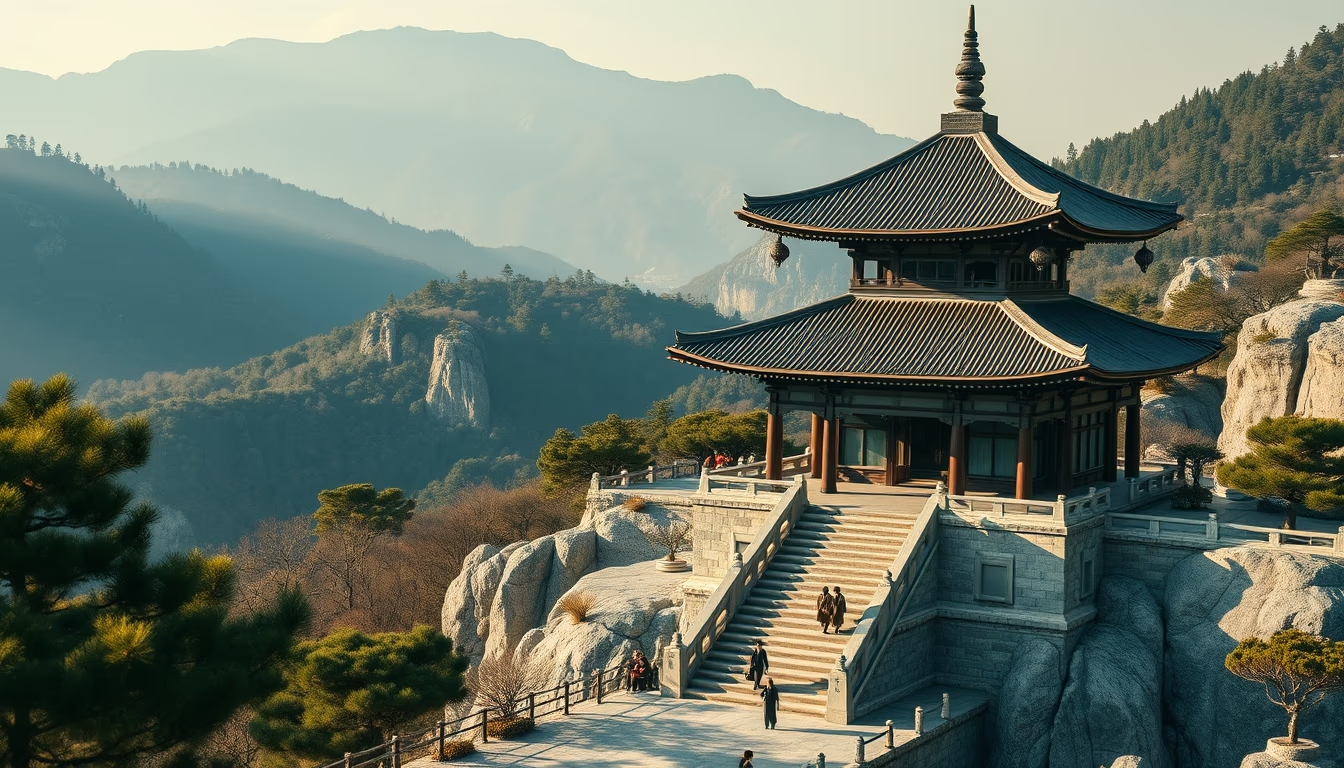
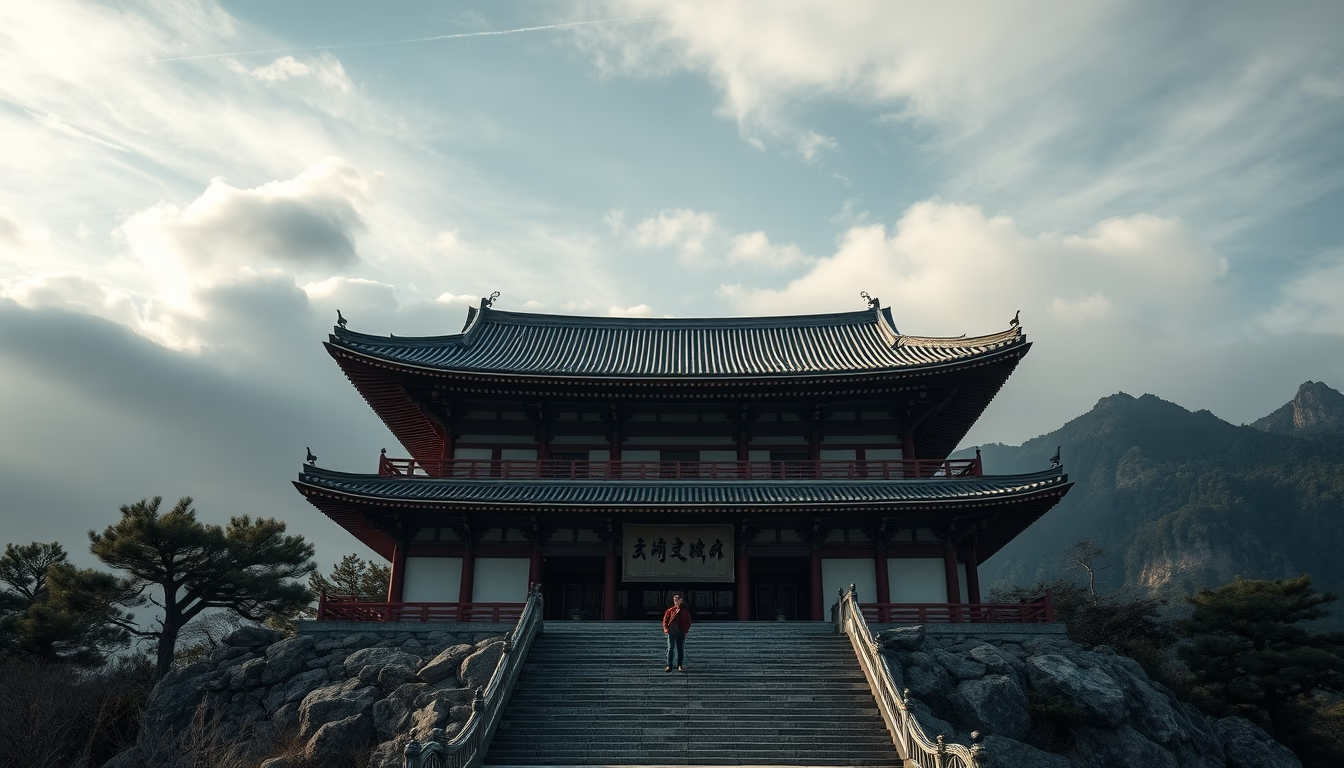
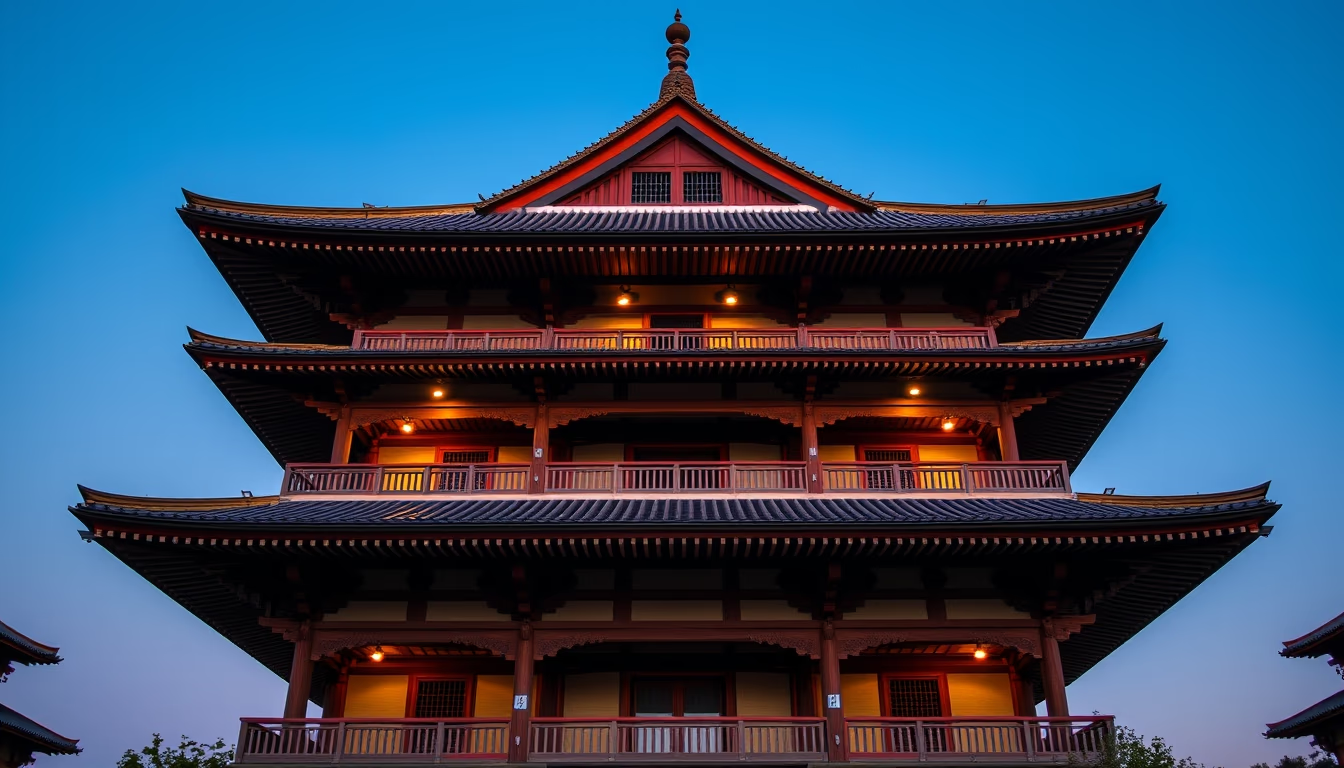
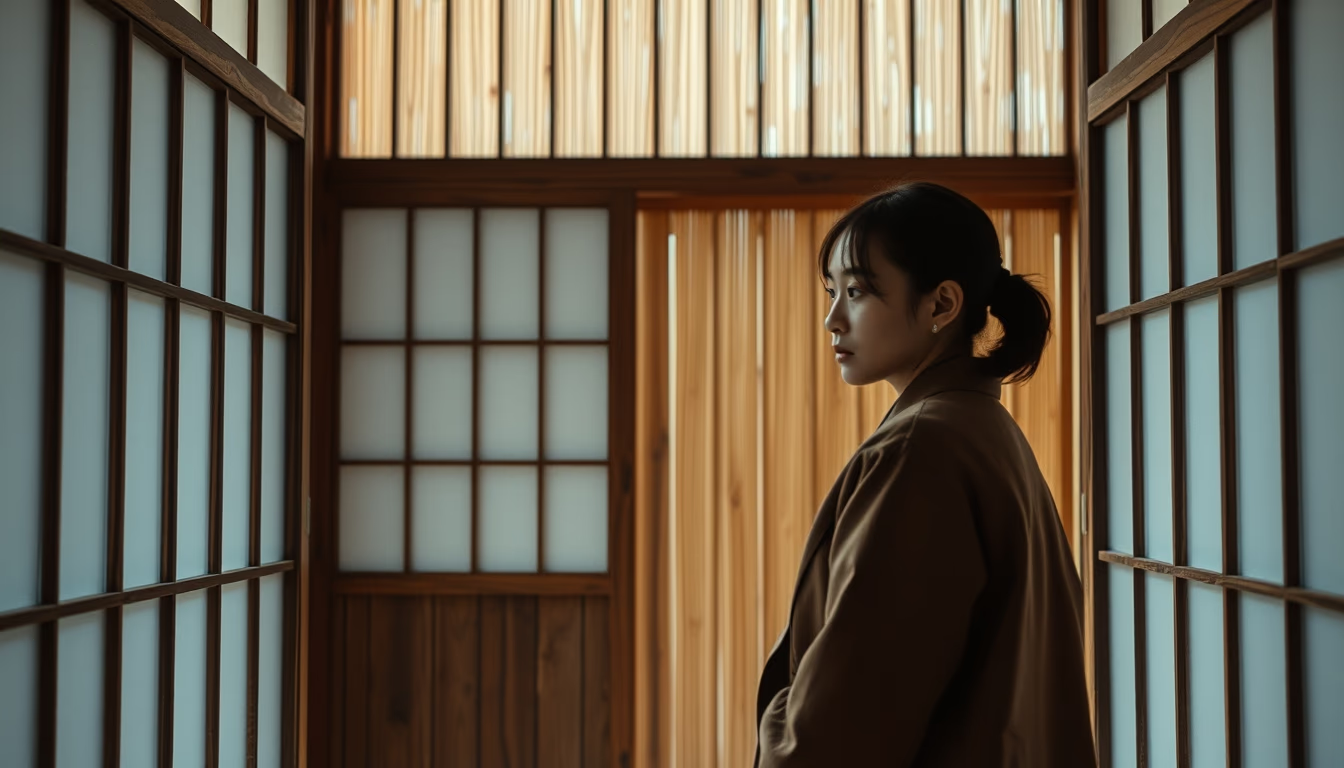
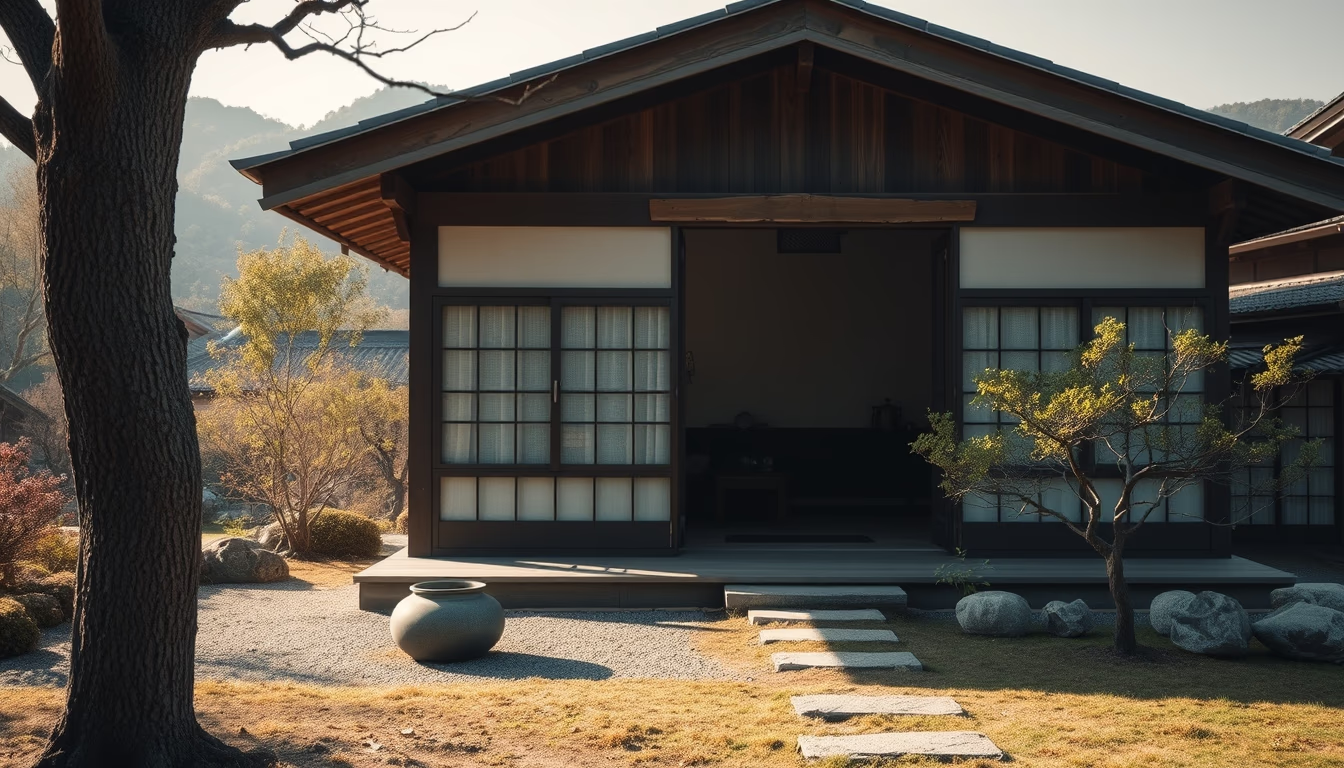
The Koan Mountain Temple, a zen sanctuary nestled in high peaks, represents the ancient tradition of meditation and koan study in Zen Buddhism.
About this subject
The Koan Mountain Temple is an emblematic example of Zen monasteries built in mountainous regions of East Asia, especially Japan and China. These temples were deliberately erected in hard-to-reach locations to promote the isolation and introspection necessary for Zen practice. Typical architecture includes a meditation hall (zendo), a dry stone garden (karesansui), and a main gate (sanmon), all integrated into the natural landscape. The mountain, in Zen tradition, symbolizes the spiritual journey toward awakening, with its steep trails representing obstacles to overcome.
At the heart of monastic life in this temple is the study of koans, paradoxical parables or questions used to transcend logical thought. A famous koan is “What is the sound of one hand clapping?”. Monks dedicate hours daily to meditation on these riddles, under the supervision of a master. The Koan Temple is specifically associated with the Rinzai school, which emphasizes koan use as the primary method of enlightenment. Unlike the Soto school, which prioritizes shikantaza (just sitting), here the confrontation with the absurdity of the koan leads the practitioner to sudden insight (kensho).
Historically, many mountain temples were founded during the Kamakura period in Japan, when Zen flourished. The Koan Temple is no exception: according to records, it was established in the 13th century by a disciple of Dogen or Eisai? Actually, the name 'Koan' may derive from a corruption of the Chinese term 'gong'an', originally referring to legal cases, later adopted by Zen. The temple attracts pilgrims seeking intensive retreats (sesshin), where the routine includes meditation, manual labor, and interviews with the master (dokusan). The mist that often envelops the site is seen as a metaphor for the illusion of the mind that the koan helps dispel.
Frequently Asked Questions
What is a koan in Zen Buddhism?
A koan is a paradoxical question or riddle used in Zen to break logical reasoning and induce direct insight. Examples include 'What is the sound of one hand clapping?' and 'Show me your original face before your parents were born'.
Why are Zen temples often built in mountains?
Mountains provide isolation and silence, essential for deep meditation. Additionally, the rugged landscape symbolizes spiritual effort and overcoming the ego, key elements in the Zen tradition.
What is the difference between the Rinzai and Soto schools in the use of koans?
In the Rinzai school, koans are the primary practice method, with emphasis on solving them to attain kensho (insight). In the Soto school, the focus is on shikantaza (just sitting), and koans are used as a supplement without the same urgency.
Direct URL
https://pub-c7d6a6ea828543ac903a74a341ccb2e1.r2.dev/imagens/koan-mountain-temple-magazine-editorial-fresh14.avifHow to credit
Include a visible link back to UtilizAí. Copy one of the snippets below:
<a href="https://xn--utiliza-eza.com/en/midia/imagens/koan-mountain-temple-magazine-editorial-fresh14">Koan mountain temple</a> by <a href="https://xn--utiliza-eza.com">UtilizAí</a>, licensed under <a href="https://creativecommons.org/licenses/by/4.0/">CC BY 4.0</a>.
[Koan mountain temple](https://xn--utiliza-eza.com/en/midia/imagens/koan-mountain-temple-magazine-editorial-fresh14) by [UtilizAí](https://xn--utiliza-eza.com), CC BY 4.0
License: CC-BY-4.0