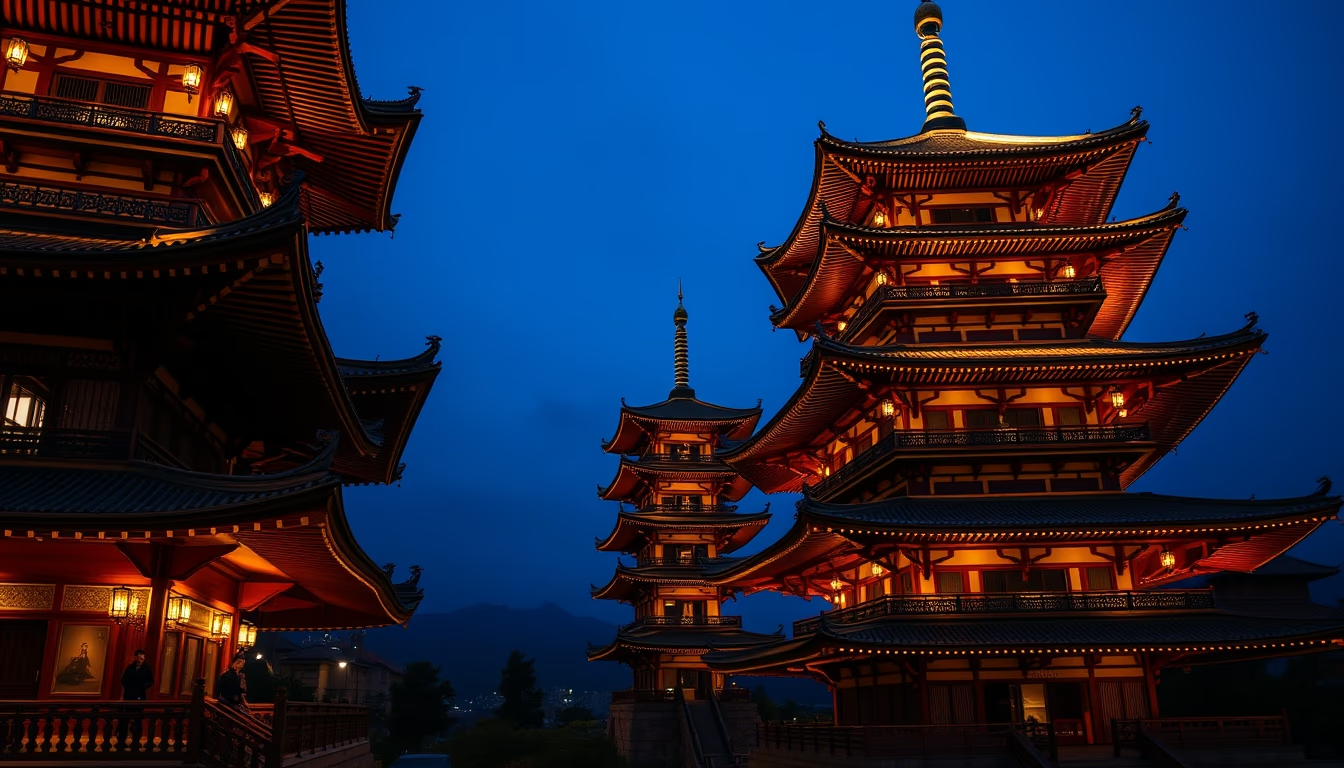
Koan mountain temple
1344×768 · AVIF · CC BY 4.0
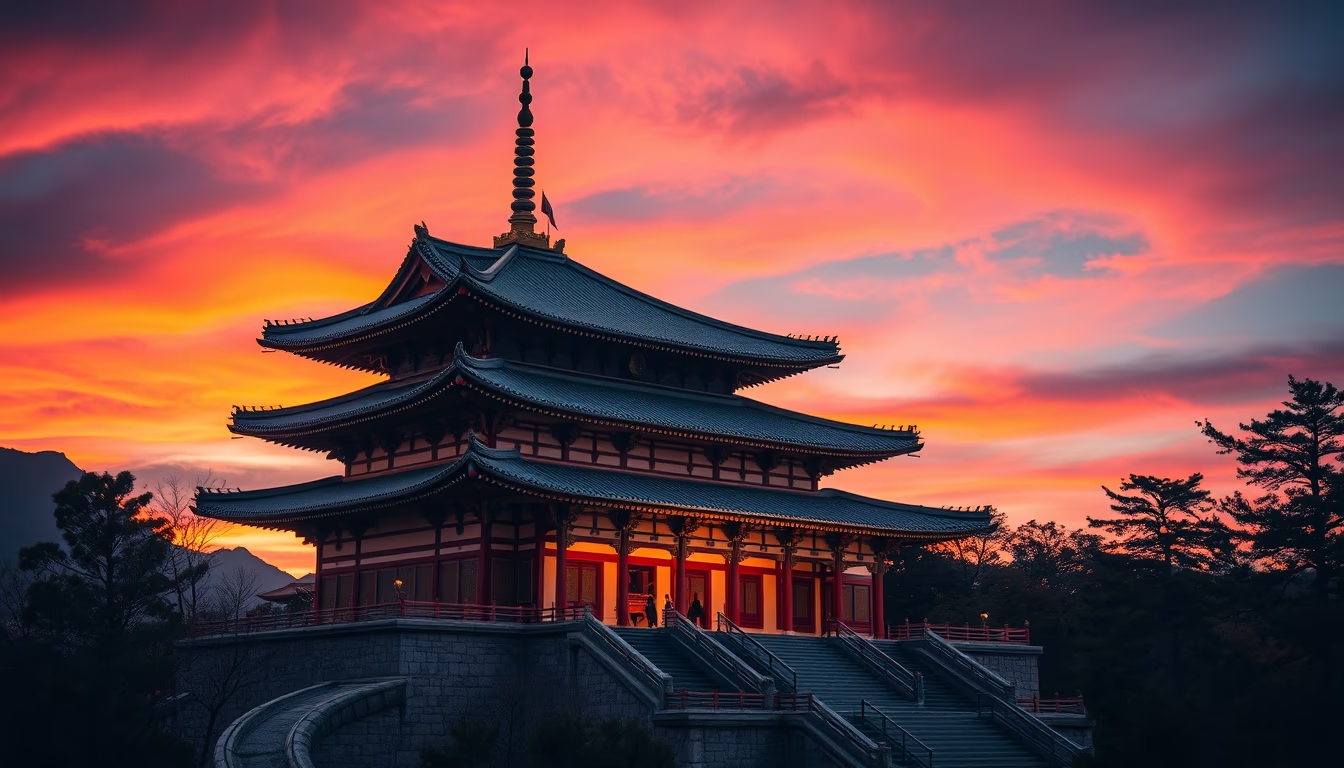
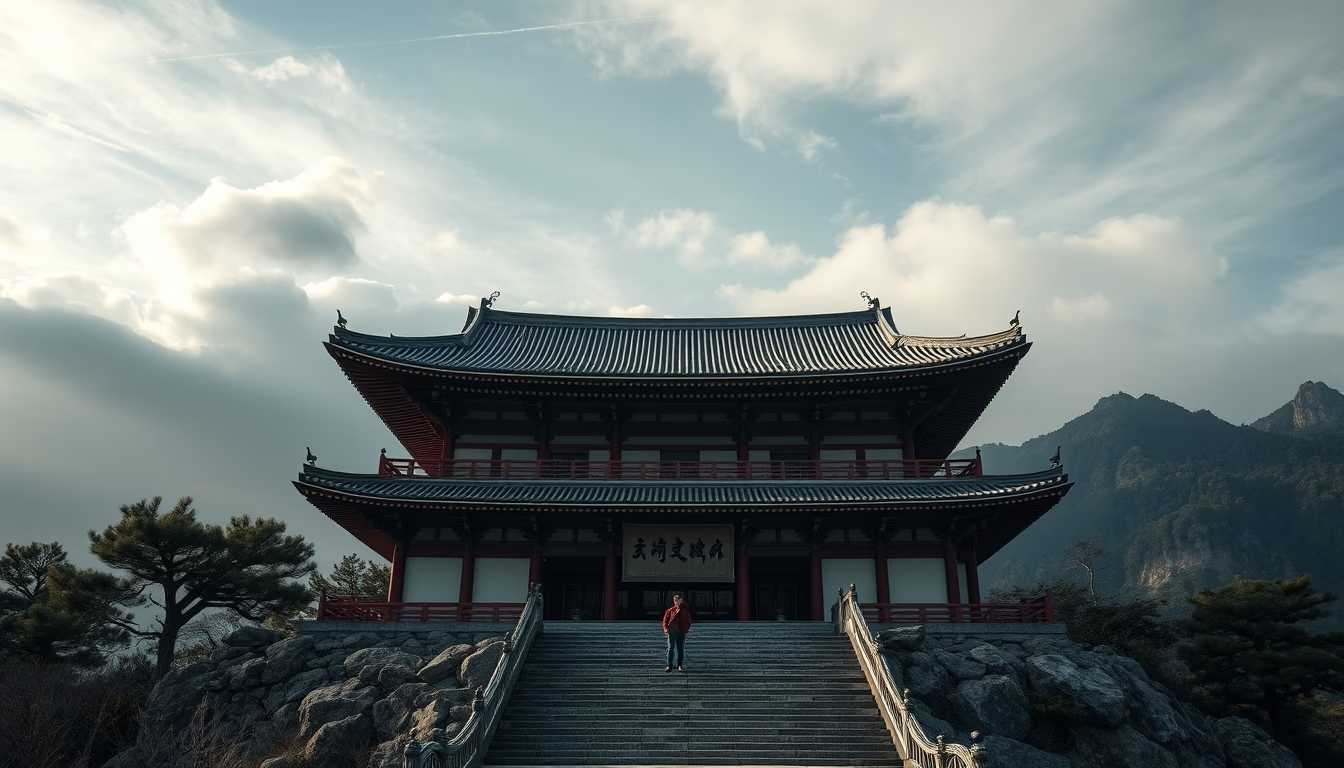
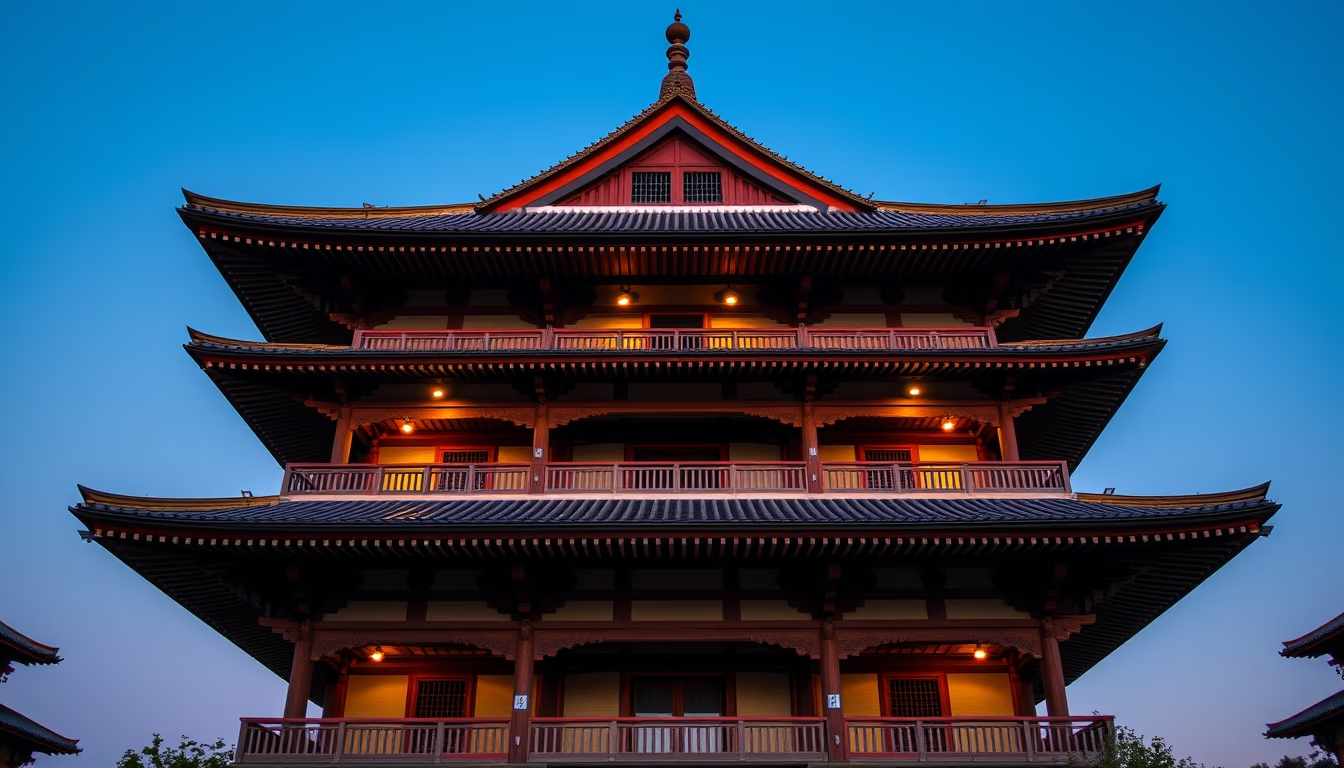
Zen temple located on a remote mountain, known for its tradition of koan study and architecture integrated with nature.
About this subject
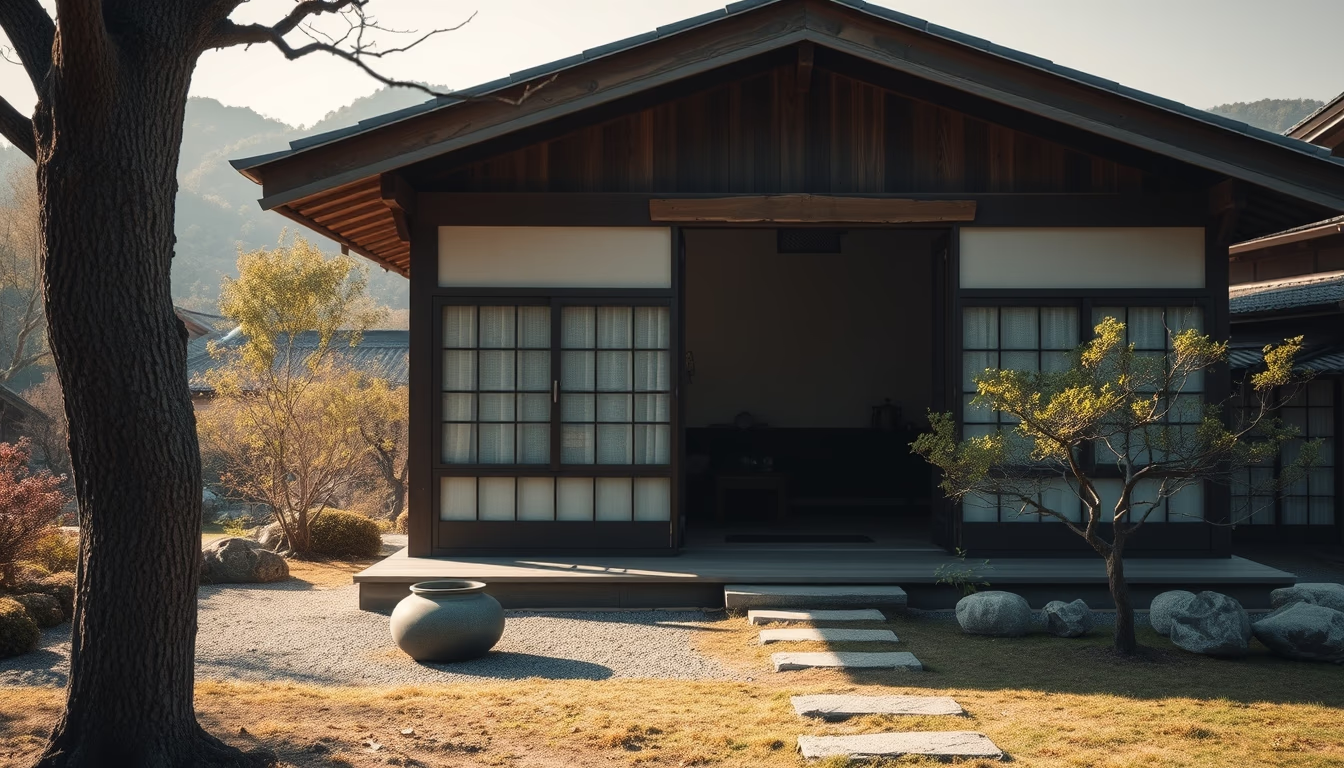
Zen temples built on remote mountains represent an ancient tradition in Buddhism, especially within the Rinzai and Soto schools. These locations were chosen for offering isolation and silence, ideal conditions for intensive meditation and koan study. Koans are paradoxical questions or statements, such as 'What is the sound of one hand clapping?', used by masters to break logical thinking and trigger sudden enlightenment. The architecture of these temples follows principles of simplicity and harmony with the environment: wooden structures, curved ceramic roofs, and rock gardens that represent miniature mountains and rivers.
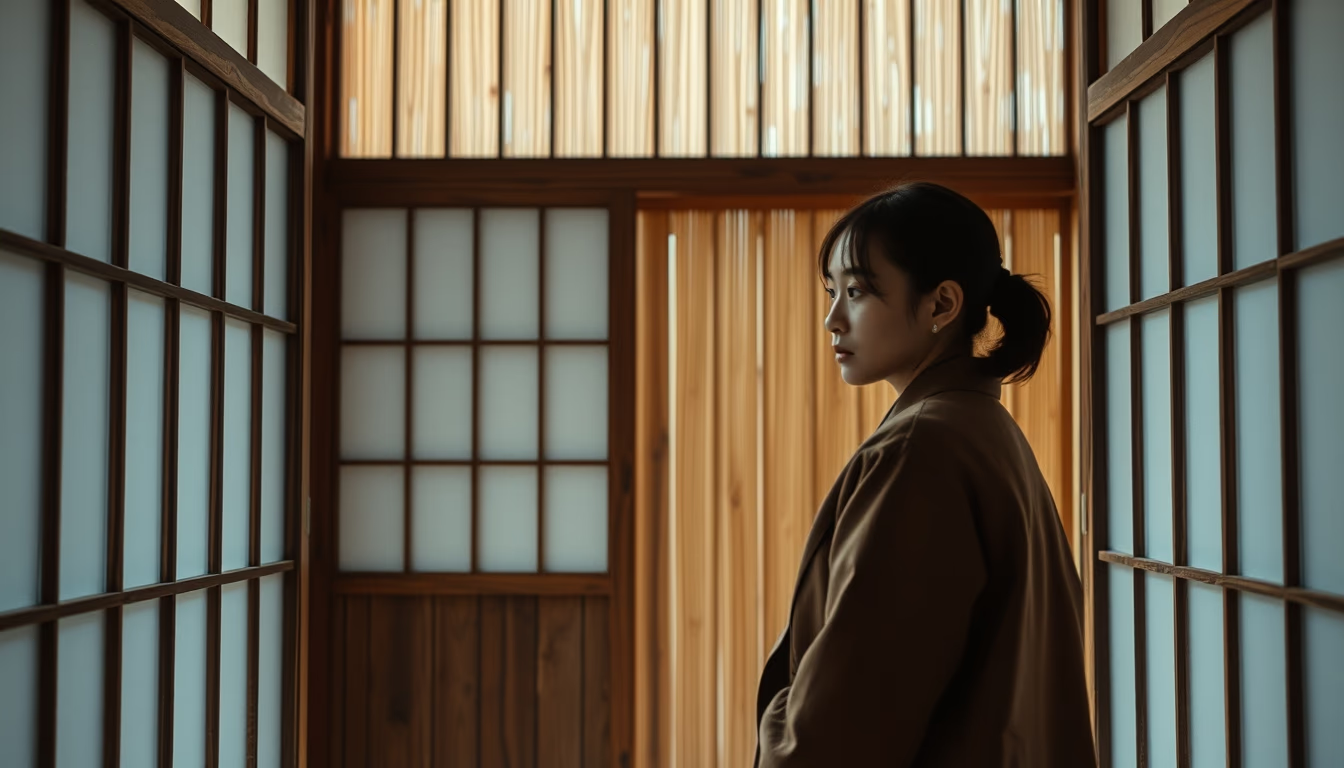
The path to the temple often involves a steep climb along winding trails flanked by dense forests and streams. This journey is considered part of spiritual practice, preparing the visitor for the site's quietude. Inside, the zendo (meditation hall) is the main space, with tatami mats and cushions for zazen practice. Many temples also have tea rooms, libraries of Zen writings, and areas for ceremonies. Integration with nature is essential: windows are positioned to frame specific landscapes, and natural stones are incorporated into pathways.
Historically, temples like Eihei-ji in Japan and Shaolin in China (though the latter is more associated with Chan Buddhism) served as rigorous training centers. During wartime, these spiritual fortresses offered refuge. Today, many of these sites are open to visitors seeking meditation retreats or simply to appreciate Zen culture. The practice of koans, though less common in the West, remains alive in traditional monasteries, where monks dedicate years to solving each riddle.
The influence of mountain Zen temples extends to art, literature, and modern architecture. The concept of wabi-sabi, which values imperfection and transience, is deeply rooted in their aesthetic. Long-exposure photographs of these sites, with soft light and diffuse shadows, capture the meditative atmosphere that attracts people from around the world in search of inner peace and mental clarity.
Frequently Asked Questions
What is a koan?
A koan is a paradoxical question or statement used in Zen Buddhism, especially in the Rinzai school, to trigger enlightenment. Examples include 'What is the sound of one hand clapping?' or 'Show me your original face before your parents were born'. The goal is not a rational answer but to break logical thinking.
Why are Zen temples often built in mountains?
Mountains provide isolation, silence, and contact with nature, conditions considered ideal for intensive meditative practice. The difficult access also helps to distance worldly distractions and symbolizes the spiritual journey.
What are the main architectural features of a mountain Zen temple?
Typical features include wooden construction with curved ceramic roofs, use of natural materials, rock gardens (karesansui), meditation halls (zendo) with tatami mats, sliding doors, and strong integration with the surrounding landscape.
Direct URL
https://pub-c7d6a6ea828543ac903a74a341ccb2e1.r2.dev/imagens/koan-mountain-temple-long-exposure-fresh2.avifHow to credit
Include a visible link back to UtilizAí. Copy one of the snippets below:
<a href="https://xn--utiliza-eza.com/en/midia/imagens/koan-mountain-temple-long-exposure-fresh2">Koan mountain temple</a> by <a href="https://xn--utiliza-eza.com">UtilizAí</a>, licensed under <a href="https://creativecommons.org/licenses/by/4.0/">CC BY 4.0</a>.
[Koan mountain temple](https://xn--utiliza-eza.com/en/midia/imagens/koan-mountain-temple-long-exposure-fresh2) by [UtilizAí](https://xn--utiliza-eza.com), CC BY 4.0
License: CC-BY-4.0