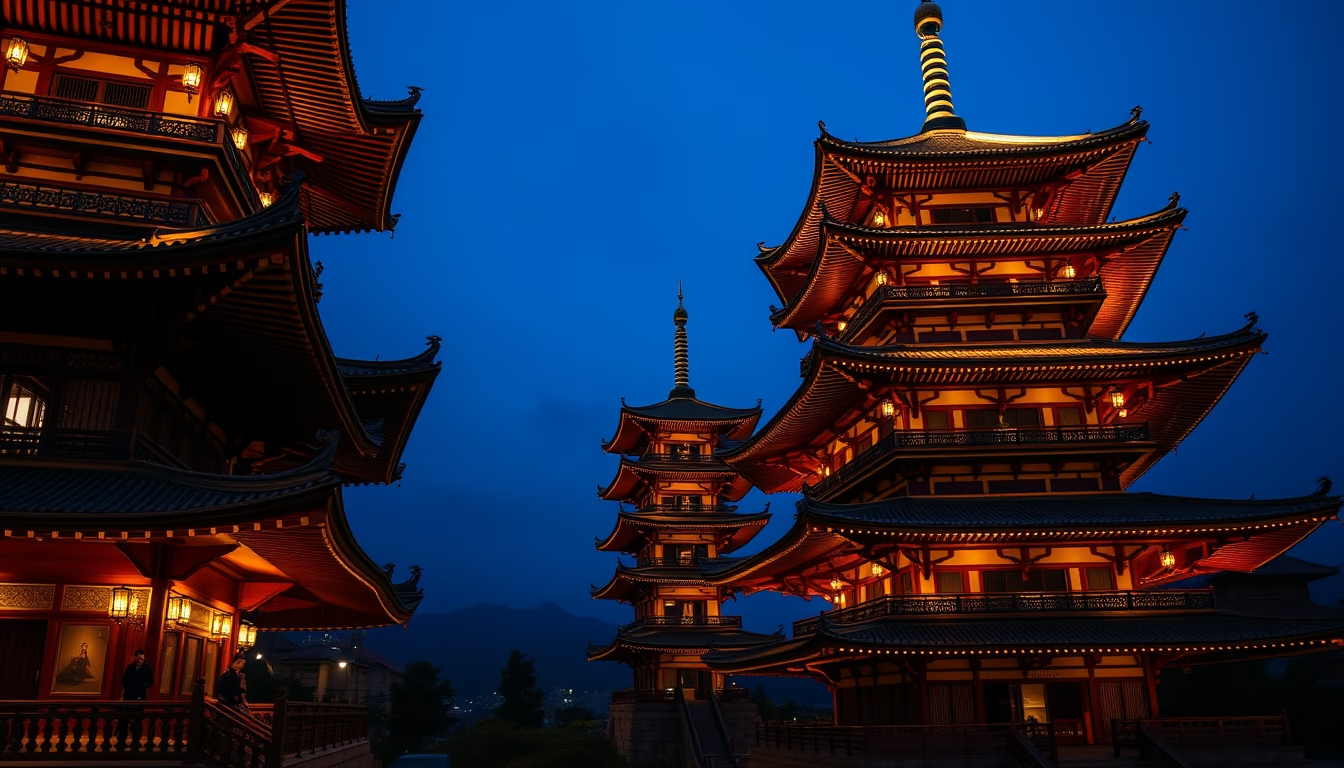
Koan mountain temple
1344×768 · AVIF · CC BY 4.0
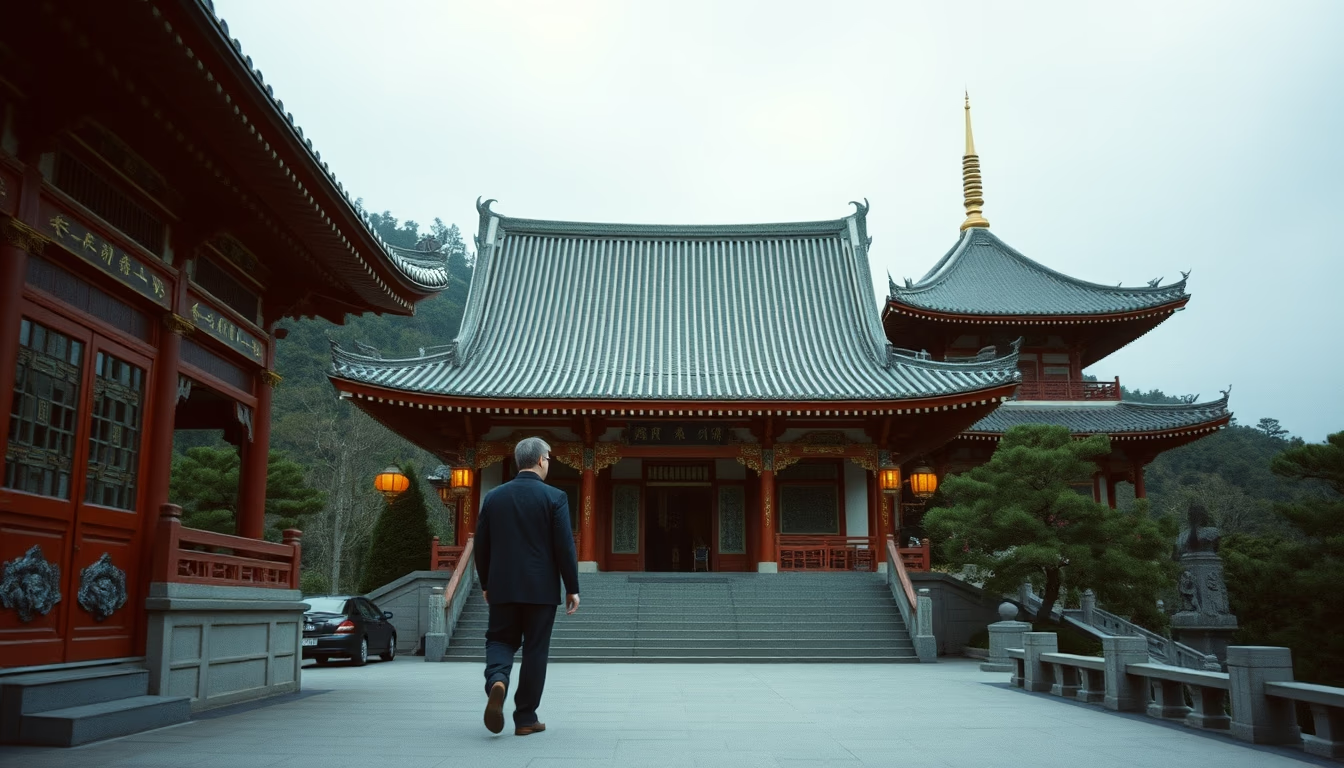
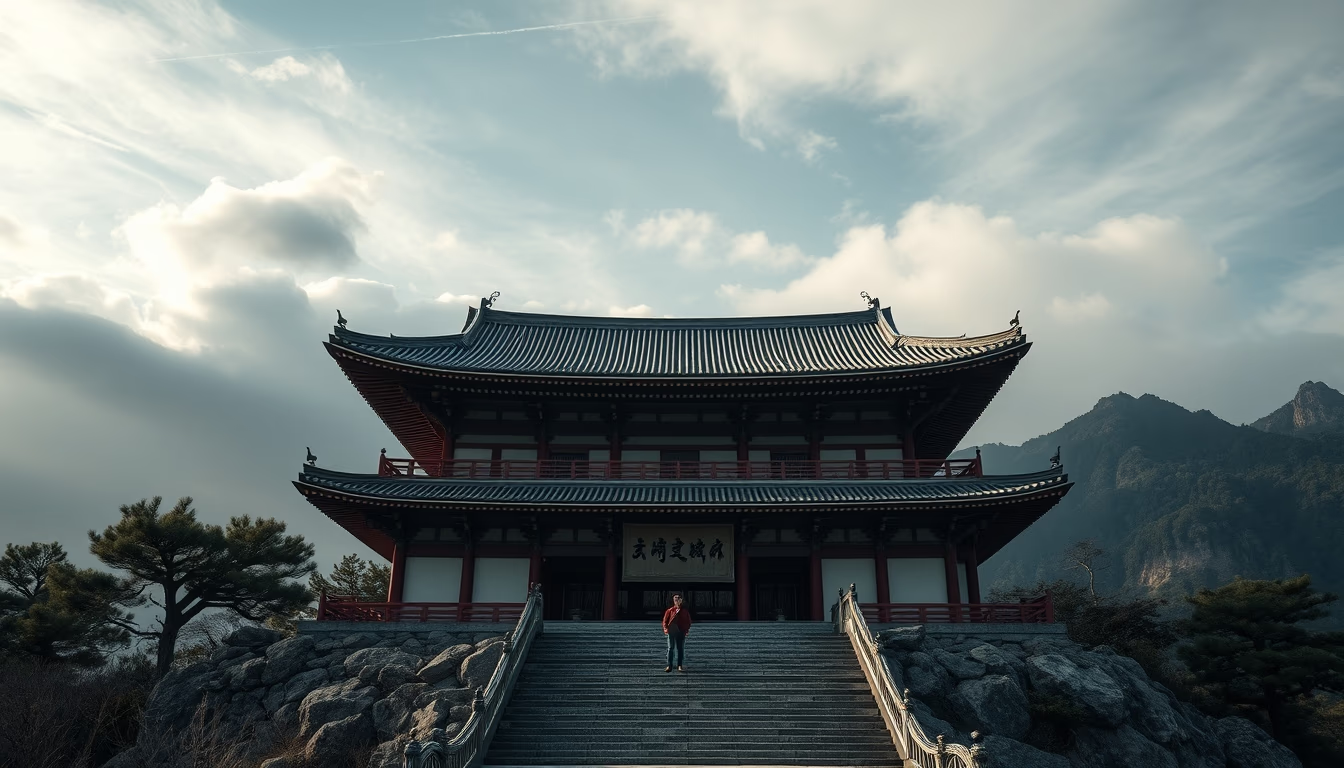
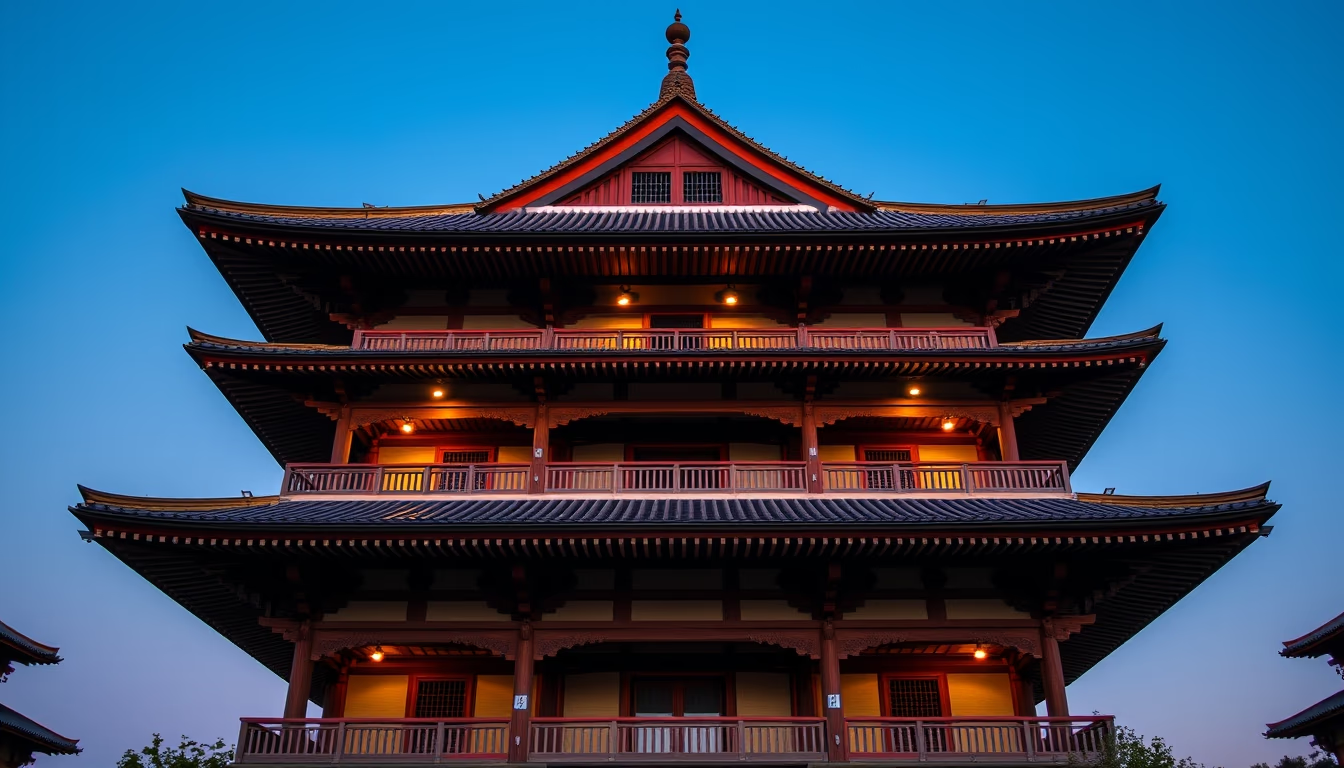
Mountain zen temples are centers for meditation and koan study, blending traditional architecture with inspiring natural landscapes.
About this subject
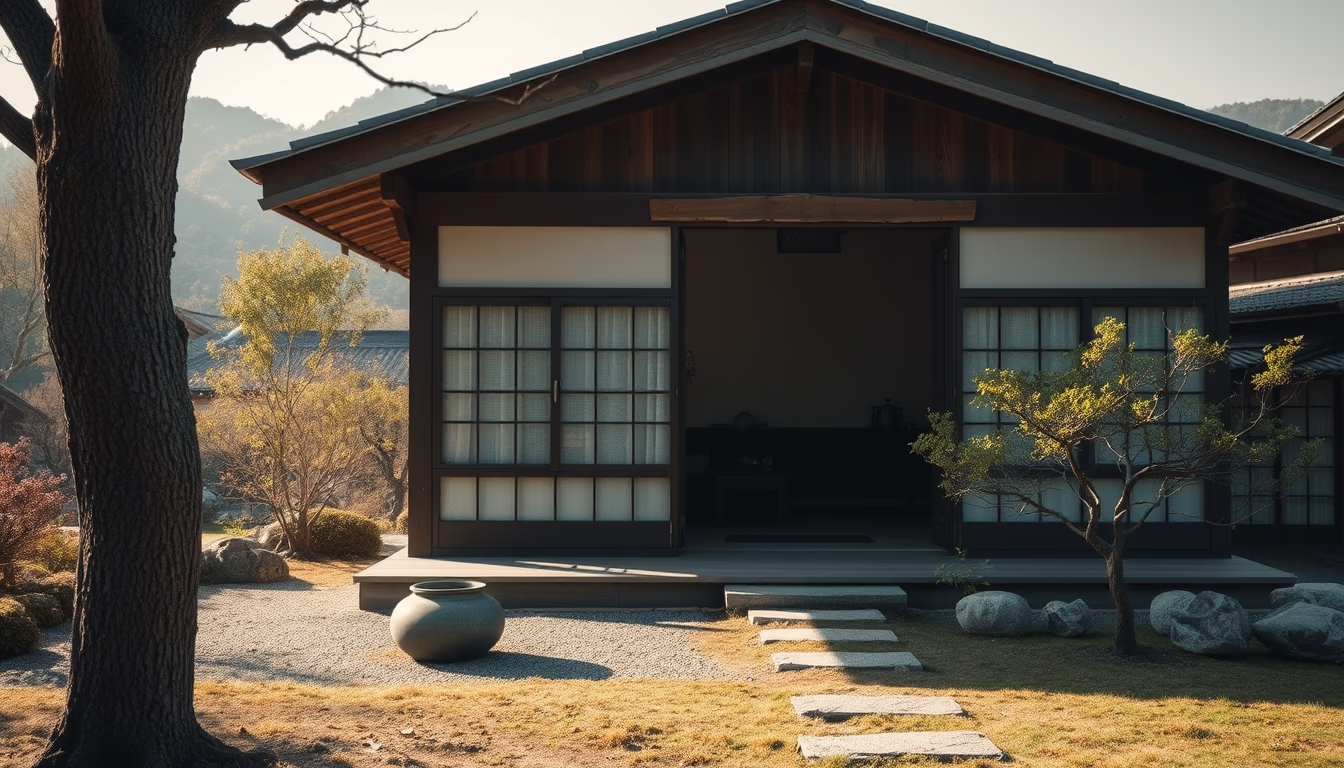
Mountain zen temples, found in Japan and China, are iconic settings for Zen Buddhist practice. They are often built in remote areas to provide solitude and a close connection to nature, which are essential for intense meditation and koan study. The architecture reflects simplicity and functionality, featuring wooden structures, curved roofs, and meticulously designed rock gardens. Notable examples include Kiyomizu-dera in Kyoto, which, though not exclusively Zen, sits on a hillside with panoramic views, and Eihei-ji in Fukui prefecture, a major Soto Zen center founded in the 13th century by Dogen Zenji, who emphasized zazen (seated meditation) and koan study as paths to enlightenment.
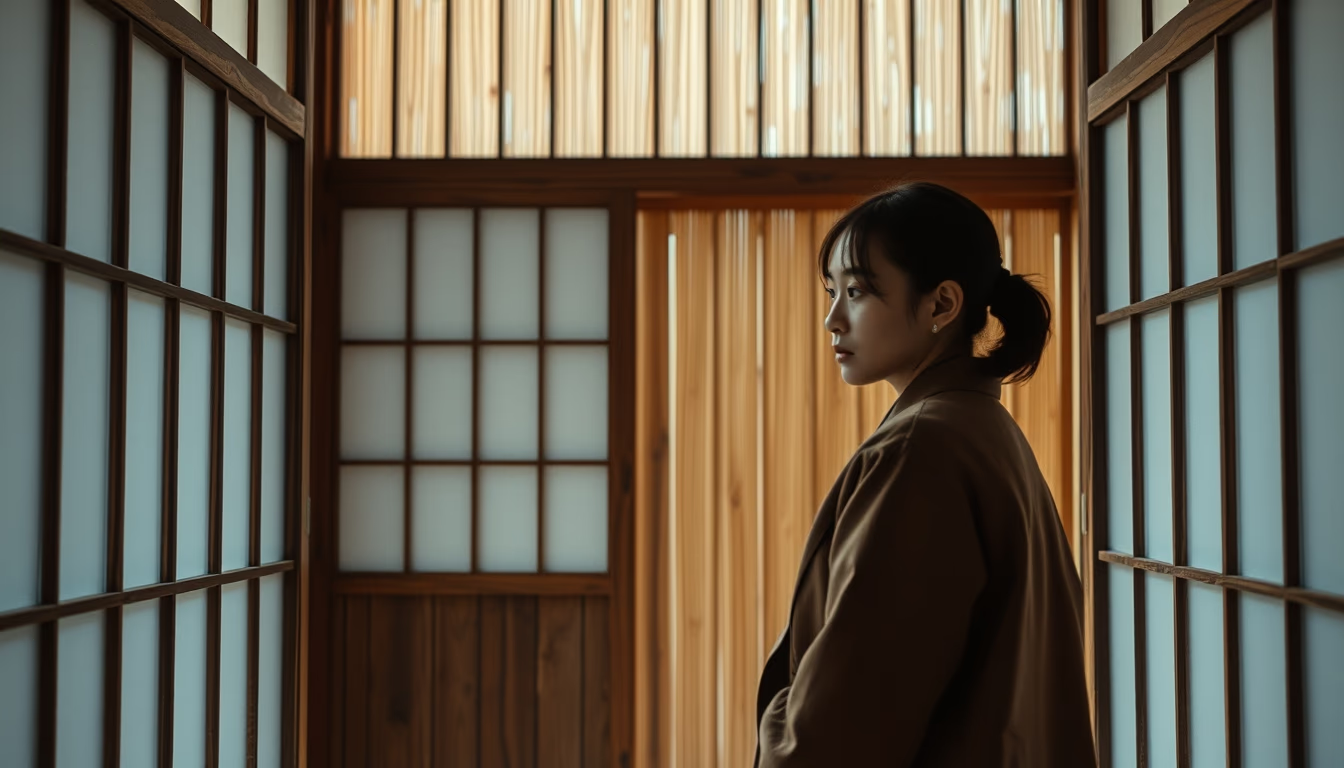
Koans, paradoxical anecdotes or questions, are central to Rinzai Zen but also influence other schools. These riddles, such as 'What is the sound of one hand clapping?', are used to break logical thinking and lead to direct realization of ultimate reality. Mountain temples provide an optimal setting for deepening this study, with meditation halls (zendo) and private interview rooms for master-student dialogues (dokusan). The mountainous landscape itself can be seen as a koan, challenging conventional perceptions of space and time.
Beyond the spiritual aspect, these temples hold cultural and historical significance. Many were built between the 8th and 14th centuries, during the Heian and Kamakura periods in Japan, when Zen flourished. They are often linked to master lineages and dharma transmission. Some still function as active monasteries, while others open to visitors seeking meditation experiences or simply appreciating the tranquil environment. Preserving these temples is important, as they represent a valuable architectural and spiritual heritage.
Frequently Asked Questions
What is a koan in Zen Buddhism?
A koan is a paradoxical story, question, or statement used in Zen to challenge logical thinking and induce intuitive realization of ultimate truth. Famous examples include 'What is the sound of one hand clapping?'
Why are Zen temples often built on mountains?
Mountain Zen temples provide isolation and silence conducive to meditation, as well as a direct connection to nature, considered a source of spiritual inspiration. The remote location also helps monks detach from worldly distractions.
What are some famous Zen temples in mountains?
Examples include Eihei-ji in Japan, a major Soto Zen center, and Kiyomizu-dera on a hillside in Kyoto. In China, the Shaolin Temple in the Song Mountains is a famous Zen temple.
Direct URL
https://pub-c7d6a6ea828543ac903a74a341ccb2e1.r2.dev/imagens/koan-mountain-temple-lo-fi-disposable-camera-fresh0.avifHow to credit
Include a visible link back to UtilizAí. Copy one of the snippets below:
<a href="https://xn--utiliza-eza.com/en/midia/imagens/koan-mountain-temple-lo-fi-disposable-camera-fresh0">Koan mountain temple</a> by <a href="https://xn--utiliza-eza.com">UtilizAí</a>, licensed under <a href="https://creativecommons.org/licenses/by/4.0/">CC BY 4.0</a>.
[Koan mountain temple](https://xn--utiliza-eza.com/en/midia/imagens/koan-mountain-temple-lo-fi-disposable-camera-fresh0) by [UtilizAí](https://xn--utiliza-eza.com), CC BY 4.0
License: CC-BY-4.0