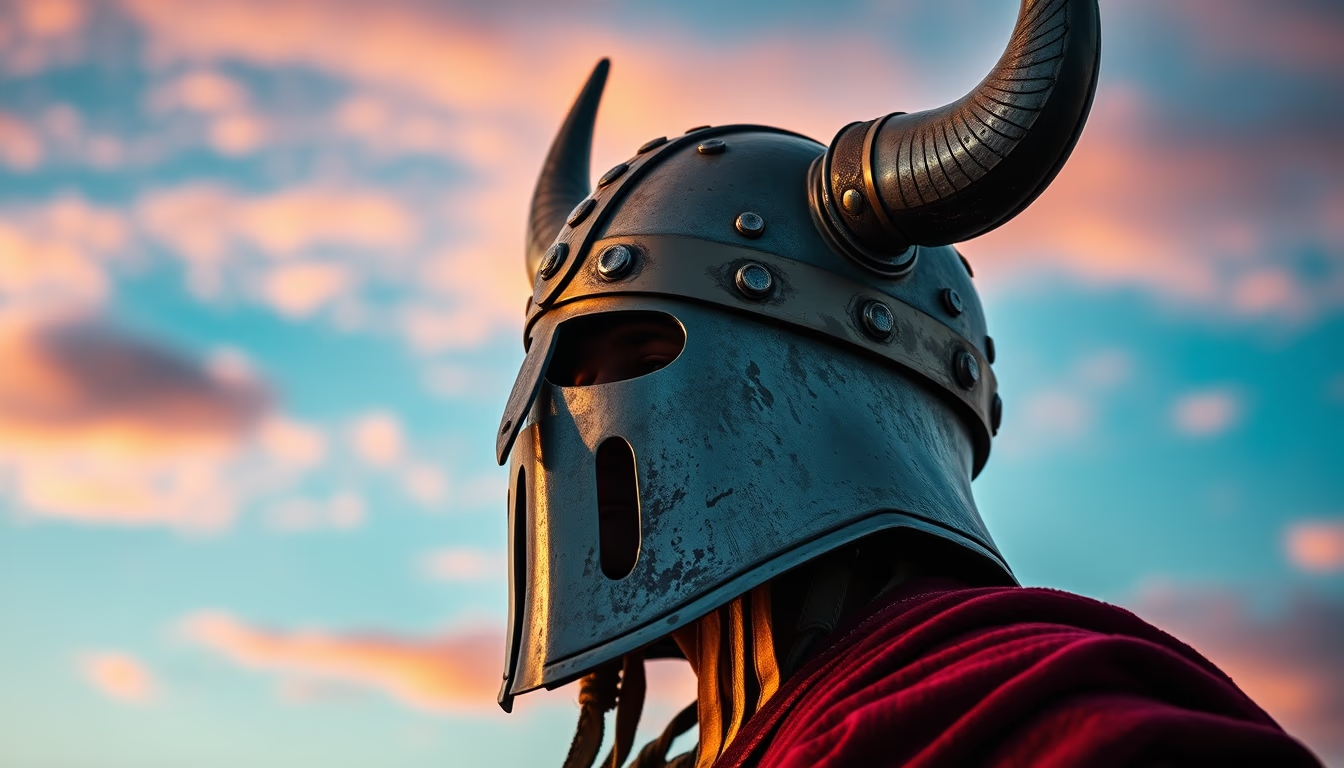
Knight visor closeup
1344×768 · AVIF · CC BY 4.0

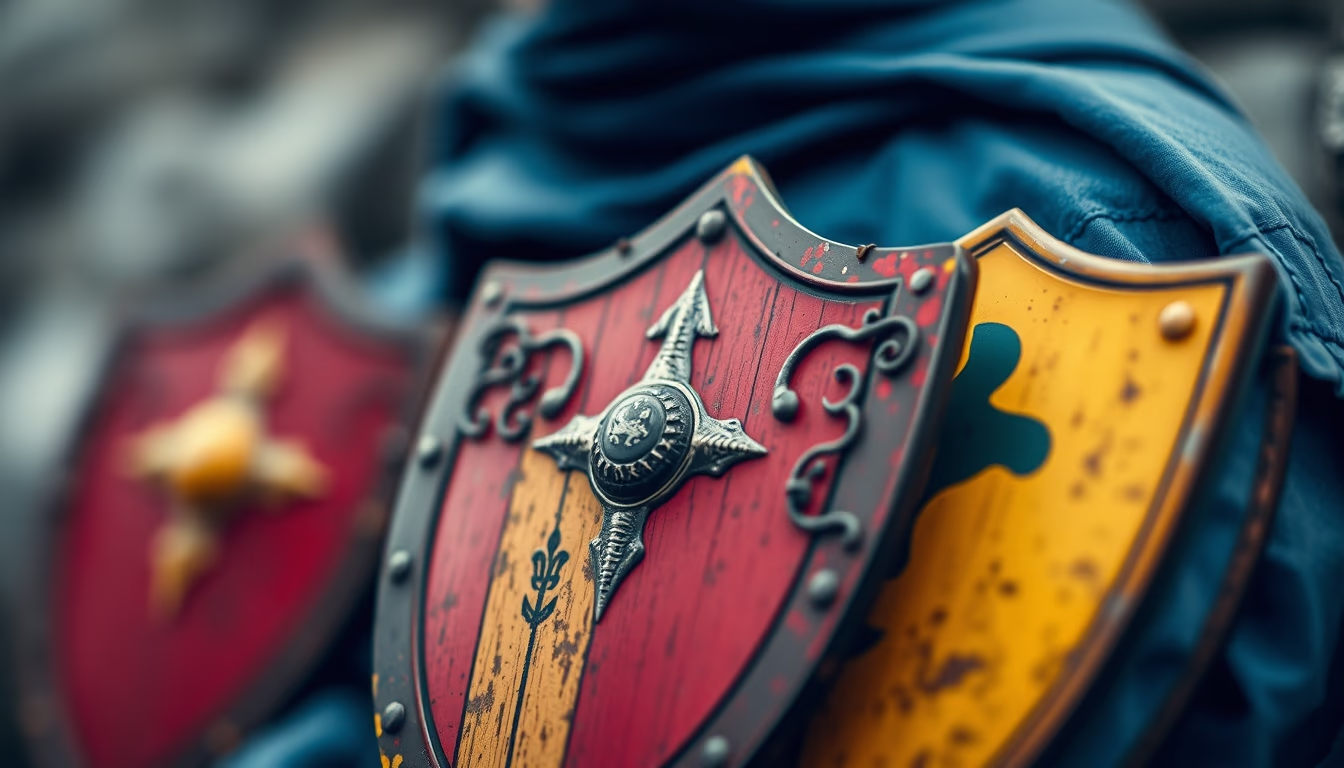
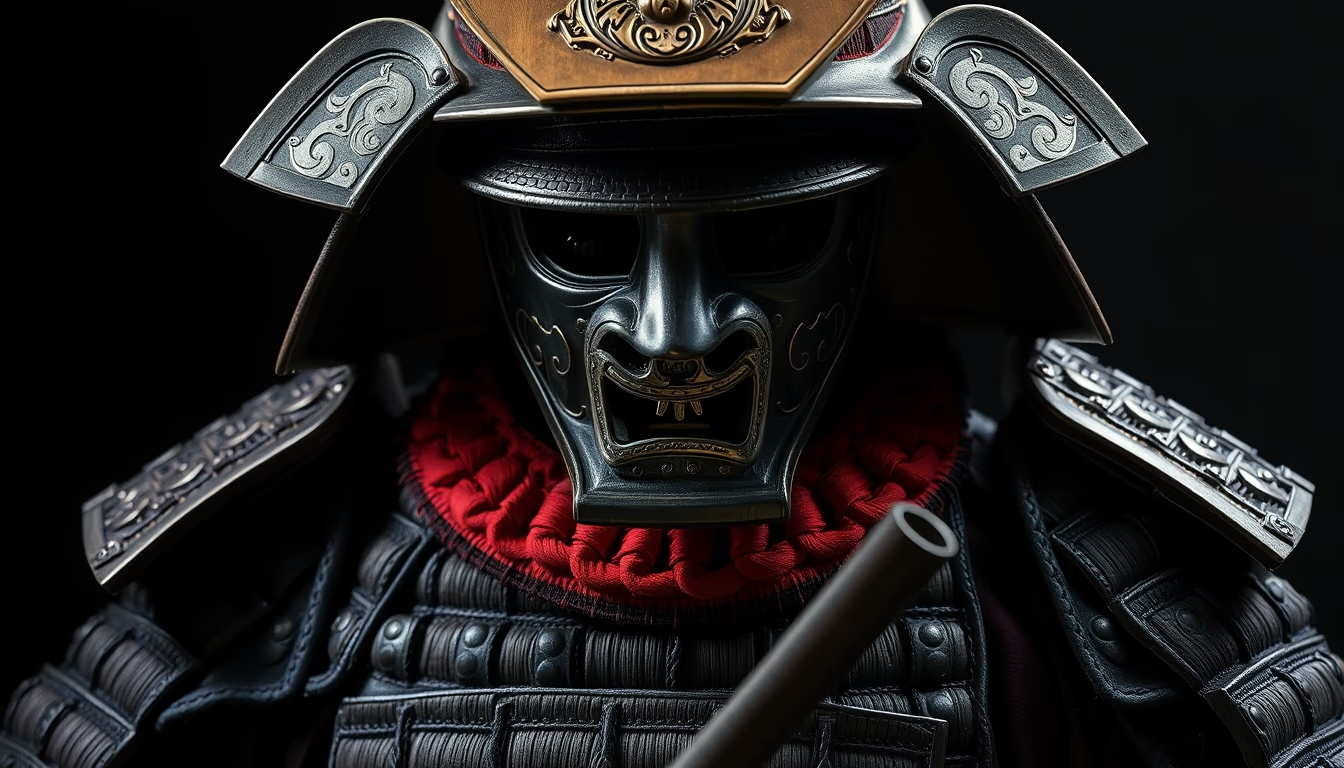
Close-up of a medieval knight's visor, revealing the engineering of facial protection used in battles.
About this subject
The visor is an essential component of the medieval helmet, designed to protect the knight's face during hand-to-hand combat. It could be raised or lowered, allowing visibility when needed. The first helmets with visors appeared in the 12th century, but they became common in Europe only in the 14th century, especially during the Hundred Years' War (1337-1453).
Visors were made of forged steel, with horizontal or cruciform slits for vision and breathing. The design varied by region and period: the 'bucket' helmets of Crusaders had fixed visors, while the 15th-century 'sallet' used articulated visors. Some models included one or more ventilation holes, plus a central rivet that allowed movement.
The weight of a complete helmet ranged from 2 to 4 kg, with the visor accounting for about one-third. Despite the protection, the visor limited field of view and breathing, requiring intensive training for knights. The word 'visor' comes from Old French 'visiere', related to Latin 'visus' (sight). Interestingly, some tournaments banned closed visors to avoid fatal accidents.
Today, original visors are valuable items in museums and private collections. Specialized restorers reproduce medieval techniques to preserve these artifacts. A close-up image of a visor allows appreciation of the metallurgical details and wear from time, telling stories of battles and knights.
Frequently Asked Questions
What was the function of the visor in medieval helmets?
The visor protected the knight's face from sword, lance, and arrow strikes, and deflected impacts. It could be raised for better visibility and breathing during battle pauses.
How did visors evolve over the Middle Ages?
In the 12th century, visors were simple fixed plates. In the 14th, they became articulated (e.g., on the 'basinet' helmet). By the 15th, 'sallet' and 'armet' helmets used more fitted visors with improved field of view.
Are original visors rare today?
Yes, due to iron fragility and wear over time. Many were recycled into other objects. Survivors are in museums like the Metropolitan Museum of Art or private collections.
Direct URL
https://pub-c7d6a6ea828543ac903a74a341ccb2e1.r2.dev/imagens/knight-visor-closeup-travel-photography-p0.avifHow to credit
Include a visible link back to UtilizAí. Copy one of the snippets below:
<a href="https://xn--utiliza-eza.com/en/midia/imagens/knight-visor-closeup-travel-photography-p0">Knight visor closeup</a> by <a href="https://xn--utiliza-eza.com">UtilizAí</a>, licensed under <a href="https://creativecommons.org/licenses/by/4.0/">CC BY 4.0</a>.
[Knight visor closeup](https://xn--utiliza-eza.com/en/midia/imagens/knight-visor-closeup-travel-photography-p0) by [UtilizAí](https://xn--utiliza-eza.com), CC BY 4.0
License: CC-BY-4.0