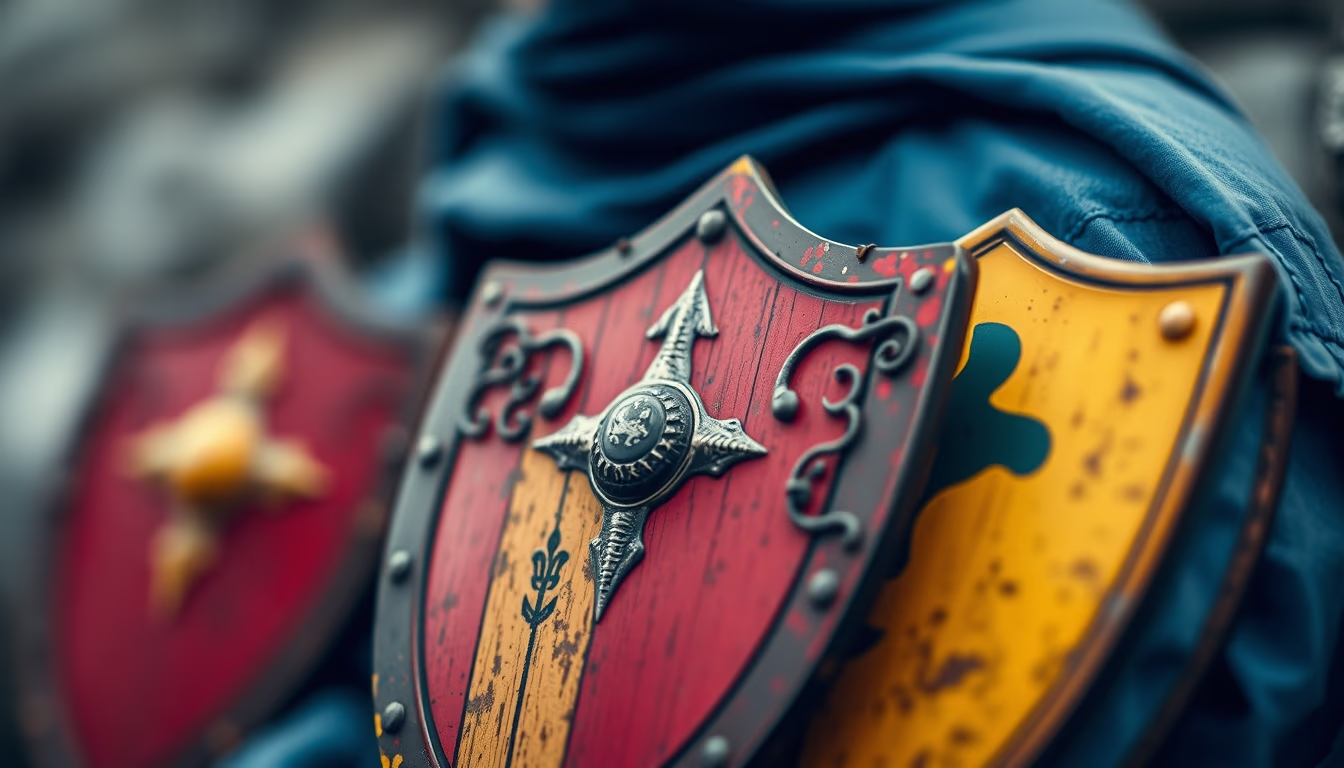
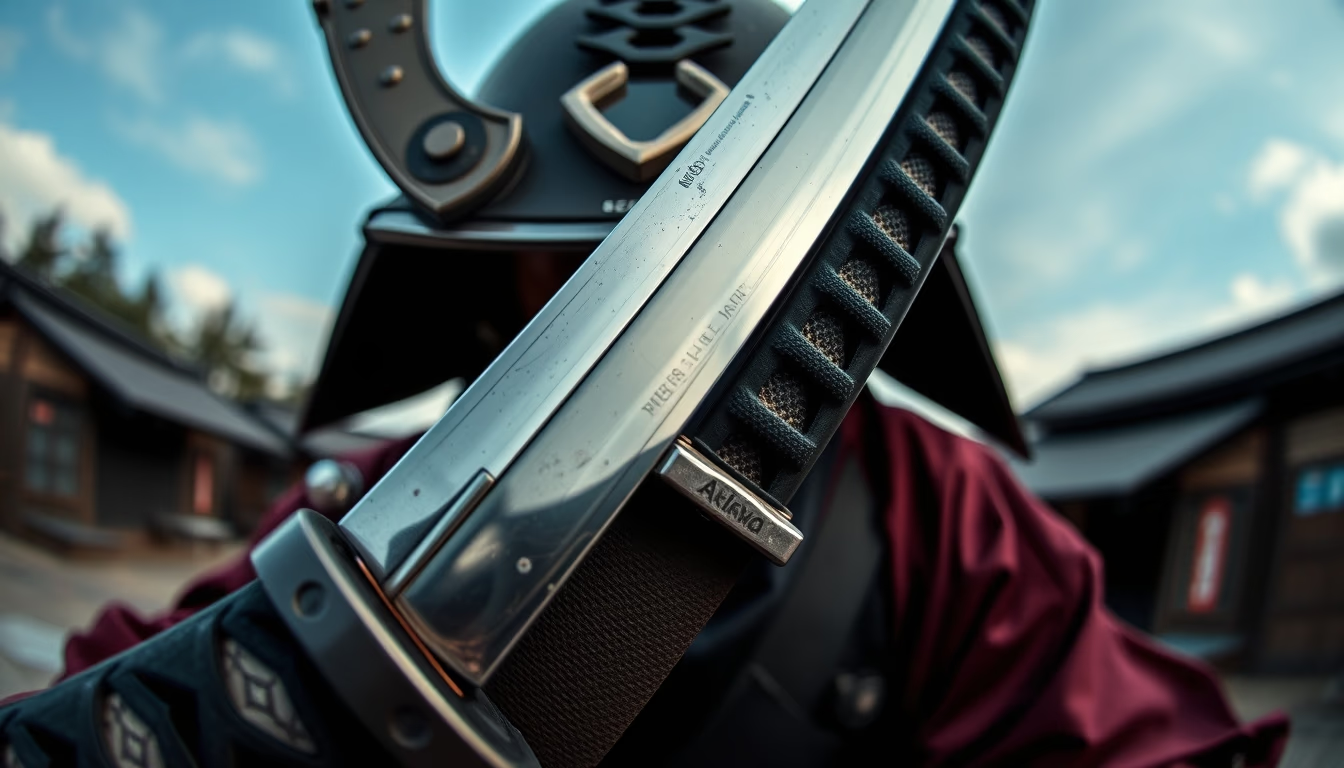
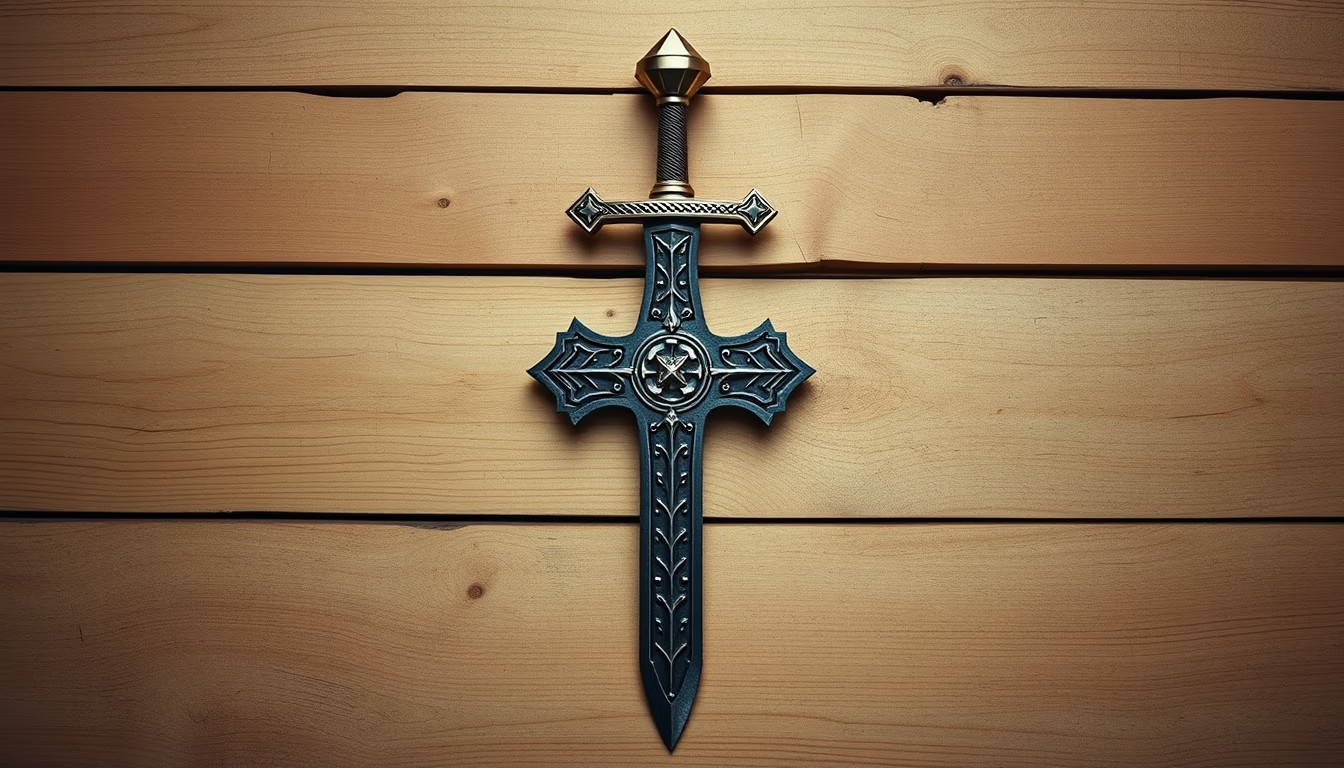
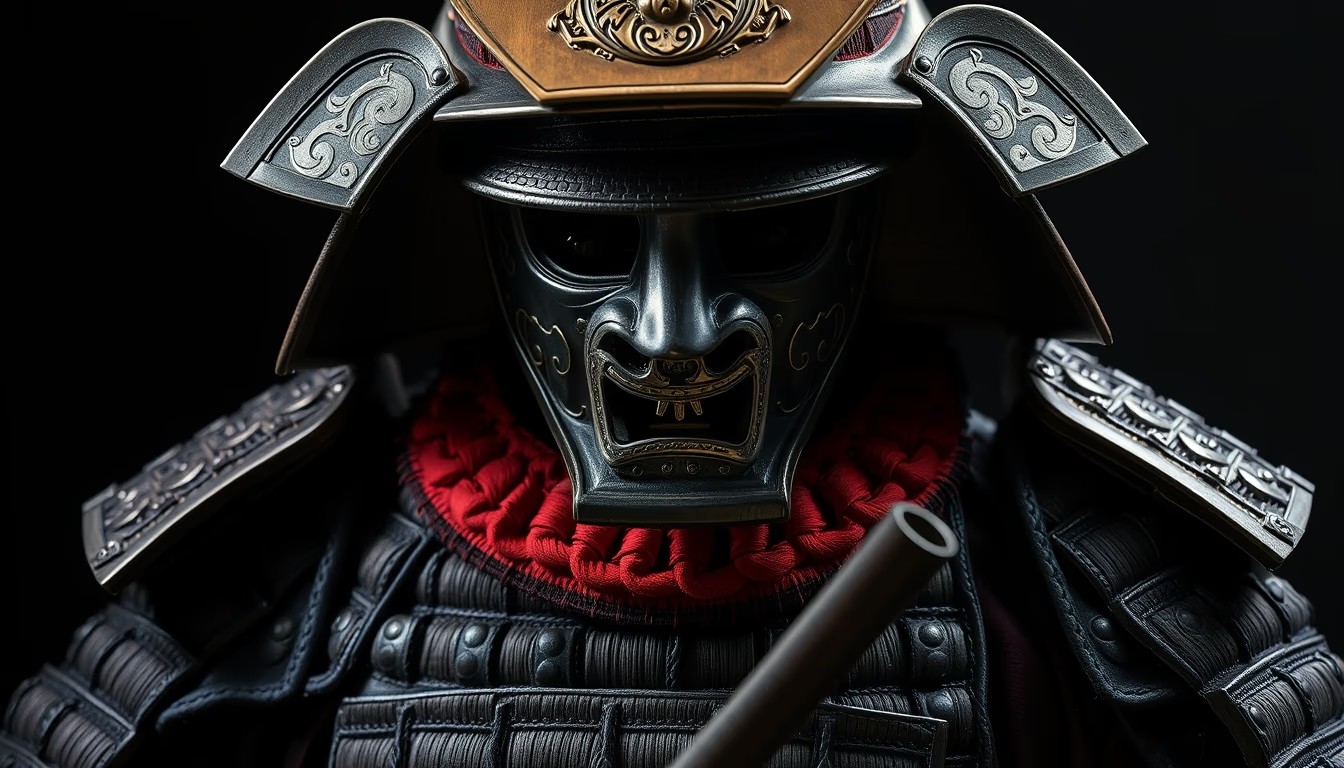
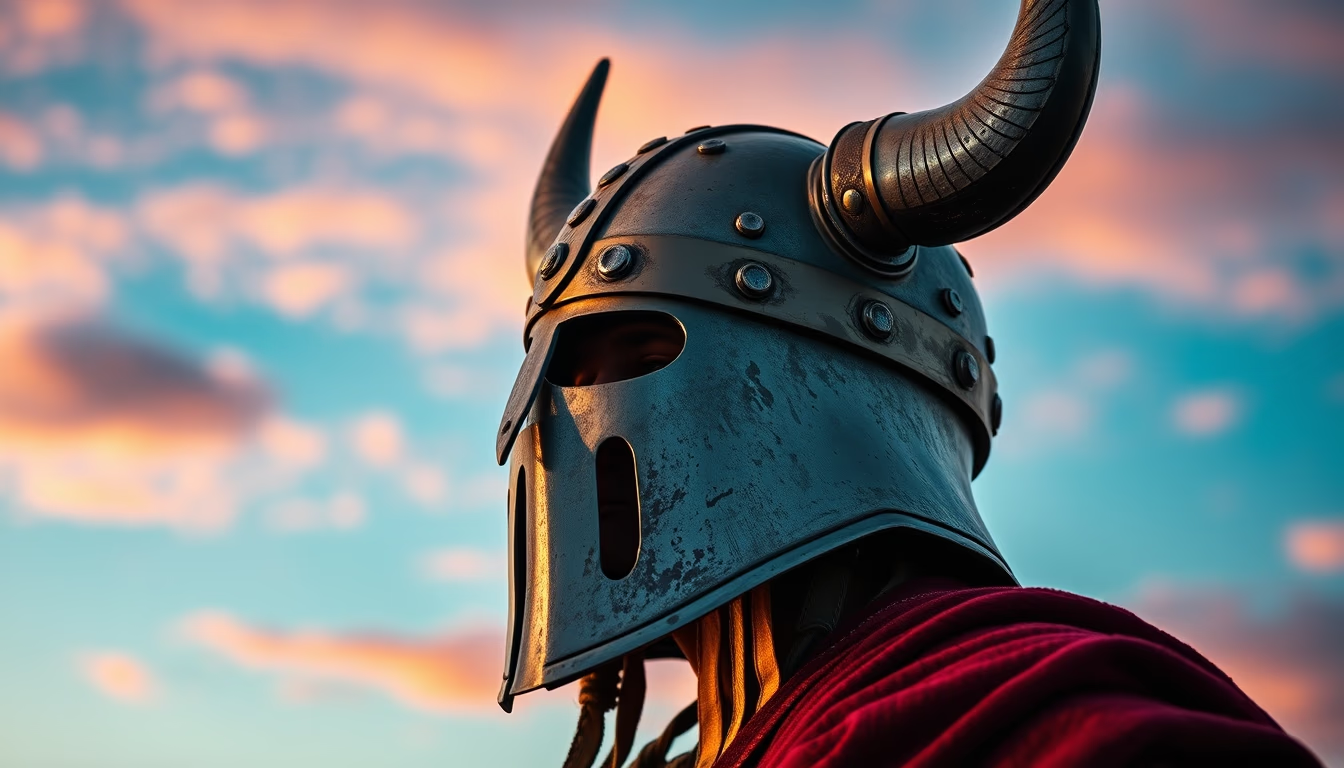
Knight visor closeup
1344×768 · AVIF · CC BY 4.0

Close-up of a medieval knight helmet visor, showcasing the craftsmanship of metalwork and battlefield protection.
About this subject
The visor of a medieval knight's helmet is a critical component of armor, designed to protect the face during combat without completely blocking vision. Typically made of steel or iron, the visor was hinged at the top of the helmet, allowing it to be raised or lowered as needed. The narrow horizontal slit, known as the 'sight', provided a limited field of view but shielded against sword strikes and arrows. Many examples also feature small ventilation holes, as prolonged use in battle could lead to overheating and suffocation.
The evolution of the visor paralleled advancements in warfare. During the 14th and 15th centuries, full-head helmets like the 'bascinet' incorporated movable visors with conical or rounded shapes that deflected blows. By the late Middle Ages, jousting helmets used in tournaments had more elaborate visors, often adorned with gold or brass details. Regional styles varied: German armors favored pointed visors, while Italian ones were more rounded.
Interestingly, the visor also became a status symbol. Noble knights often had their coats of arms or personal mottos engraved on the metal surface. In ceremonial contexts, decorated visors with arabesques and inlays were displayed in parades and court events. Today, the knight's visor remains a cultural icon, evoking honor, bravery, and the romantic ideal of chivalry, frequently reinterpreted in fashion and contemporary design.
Frequently Asked Questions
What materials were knight visors made of?
Visors were typically forged from steel or iron, sometimes with decorative overlays of gold, brass, or copper. High-quality models used hardened steel for greater durability.
How did the visor evolve during the Middle Ages?
Early visors were fixed or simply hinged. Over time, they became movable and more fitted to the face. By the 15th century, multi-piece visors with mechanical locking systems appeared, especially in jousting helmets.
What was the purpose of the narrow eye slits on visors?
The narrow horizontal slits protected the face from thrusts and arrows while providing sufficient vision for combat. They also reduced the area vulnerable to direct strikes.
Direct URL
https://pub-c7d6a6ea828543ac903a74a341ccb2e1.r2.dev/imagens/knight-visor-closeup-high-fashion-editorial-p2.avifHow to credit
Include a visible link back to UtilizAí. Copy one of the snippets below:
<a href="https://xn--utiliza-eza.com/en/midia/imagens/knight-visor-closeup-high-fashion-editorial-p2">Knight visor closeup</a> by <a href="https://xn--utiliza-eza.com">UtilizAí</a>, licensed under <a href="https://creativecommons.org/licenses/by/4.0/">CC BY 4.0</a>.
[Knight visor closeup](https://xn--utiliza-eza.com/en/midia/imagens/knight-visor-closeup-high-fashion-editorial-p2) by [UtilizAí](https://xn--utiliza-eza.com), CC BY 4.0
License: CC-BY-4.0