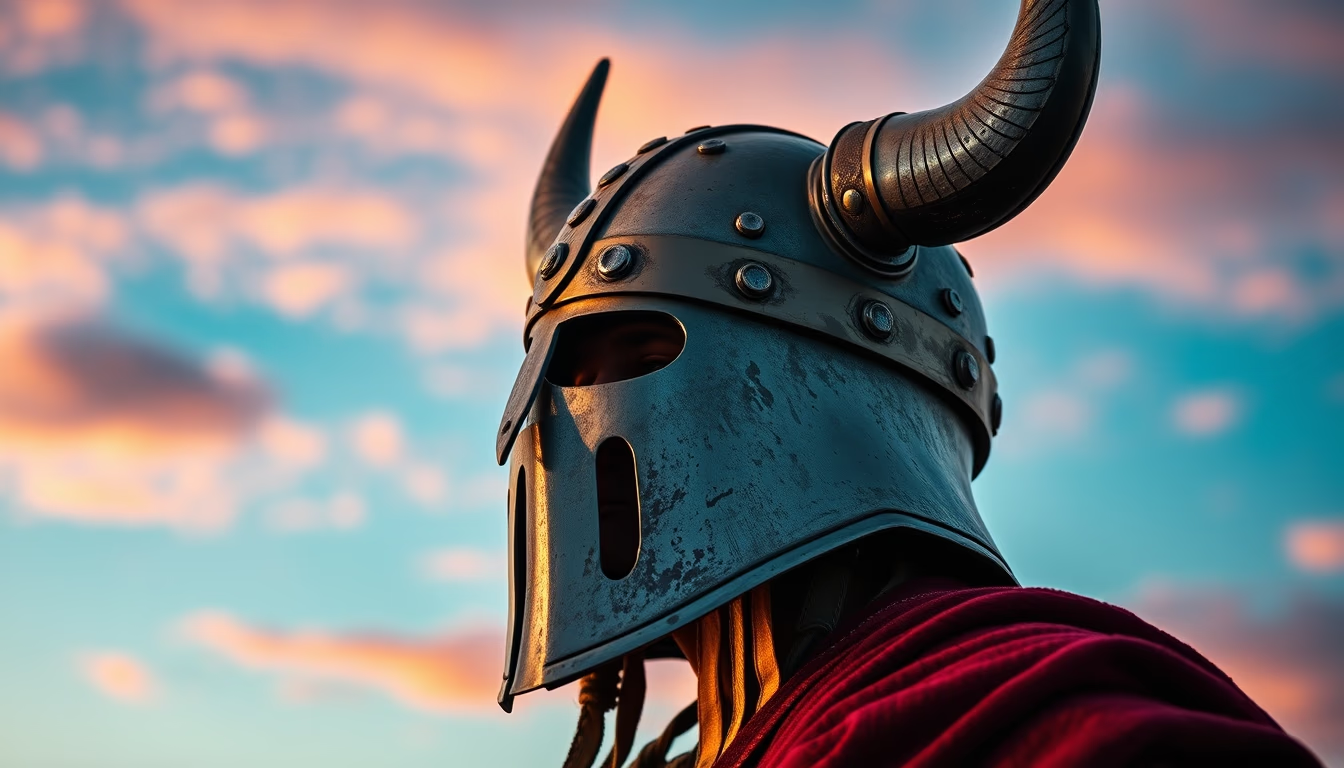
Knight visor closeup
1344×768 · AVIF · CC BY 4.0

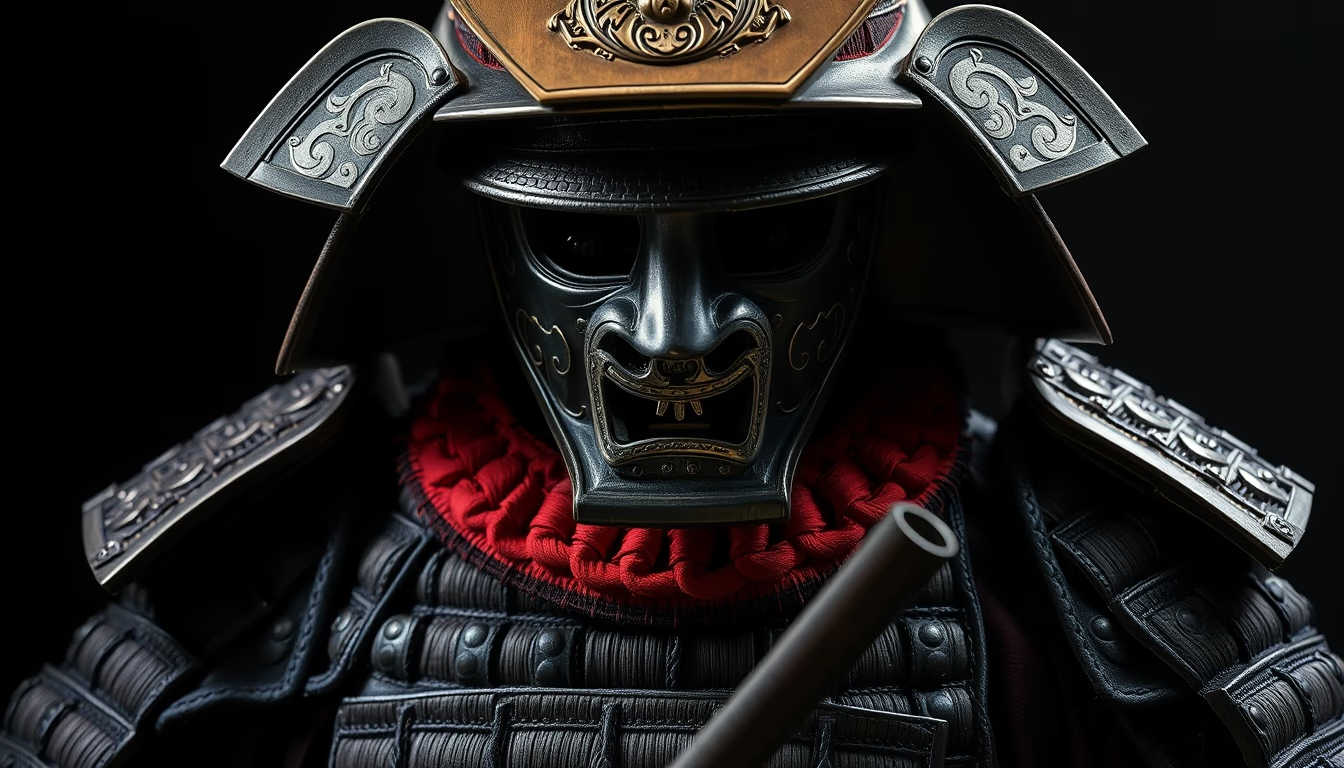
Details of a medieval knight visor: how the slit design allowed vision and breathing during battles or tournaments.
About this subject
The visor is an essential component of the medieval helmet, designed to protect the warrior's face without completely blocking vision or breathing. Typically made of tempered steel, its thickness varied by period and region, sometimes reaching 3 mm. The openings, called 'vision slits', were narrow horizontal or vertical grooves that allowed the knight to see the battlefield while minimizing the risk of a blow directly hitting the eyes.
During the Middle Ages, visor design evolved significantly. The Great Helm of the 12th century had a single cross-shaped slit, offering limited vision. The 14th-century Bascinet introduced articulated visors, such as the famous 'Hundsgugel' (dog snout), which elongated the helmet's face to improve breathing and deflect strikes. By the 15th century, the Armet and Sallet became popular, featuring more anatomical visors and multiple slits to enhance peripheral vision.
Culturally, the visor was not only functional but also a symbol of status and heraldry. Knights often decorated their visors with coats of arms, colors, or religious motifs, especially in tournaments where identification was crucial. The weight of a full suit of armor could exceed 20 kg, and lowering the visor drastically reduced ventilation, causing overheating in prolonged combat. Therefore, many helmets had additional small breathing holes.
Historical authenticity of visors is studied by archaeologists and museums, who analyze wear marks, oxidation, and welds to date pieces. Modern replicas aim to faithfully recreate these techniques, respecting the dimensions and angles of the vision slits, which varied according to fighting style. Understanding these details helps appreciate the engineering behind medieval protection.
Frequently Asked Questions
How did knights see through the visor?
The visor had narrow horizontal or vertical openings called vision slits. They provided a limited but sufficient field of view for combat. In some helmets like the Sallet, the slits were angled to improve peripheral vision.
What material was the medieval visor made of?
Most were forged from tempered steel, sometimes including iron. Thickness ranged from 1 to 3 mm depending on period and function. Tournament visors could be thicker to withstand lance blows.
Why are there different visor shapes?
Shapes evolved according to fighting techniques and the need to balance protection, vision, and breathing. For instance, the Bascinet with a 'Hundsgugel' visor elongated the face to deflect strikes, while the Armet offered more mobility and ventilation.
Direct URL
https://pub-c7d6a6ea828543ac903a74a341ccb2e1.r2.dev/imagens/knight-visor-closeup-film-grain-authentic-p4.avifHow to credit
Include a visible link back to UtilizAí. Copy one of the snippets below:
<a href="https://xn--utiliza-eza.com/en/midia/imagens/knight-visor-closeup-film-grain-authentic-p4">Knight visor closeup</a> by <a href="https://xn--utiliza-eza.com">UtilizAí</a>, licensed under <a href="https://creativecommons.org/licenses/by/4.0/">CC BY 4.0</a>.
[Knight visor closeup](https://xn--utiliza-eza.com/en/midia/imagens/knight-visor-closeup-film-grain-authentic-p4) by [UtilizAí](https://xn--utiliza-eza.com), CC BY 4.0
License: CC-BY-4.0