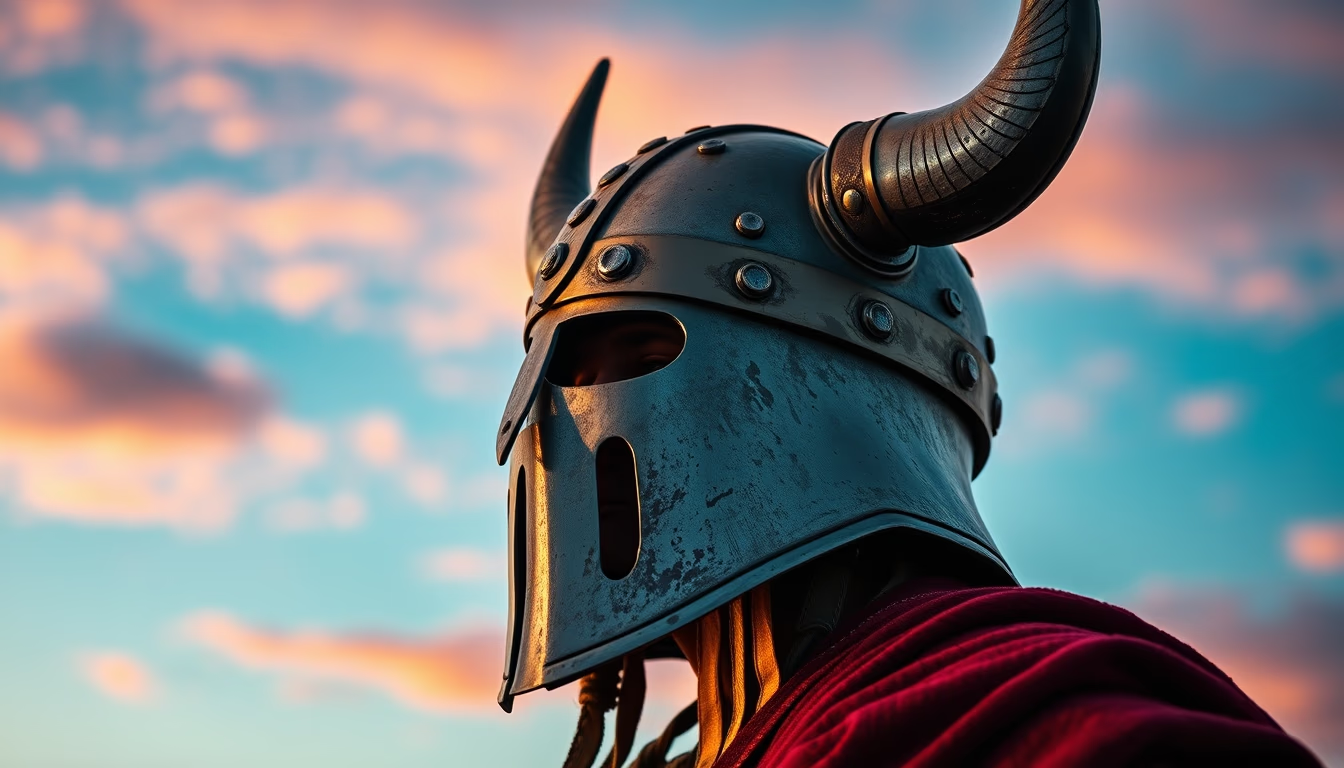
Knight visor closeup
1344×768 · AVIF · CC BY 4.0
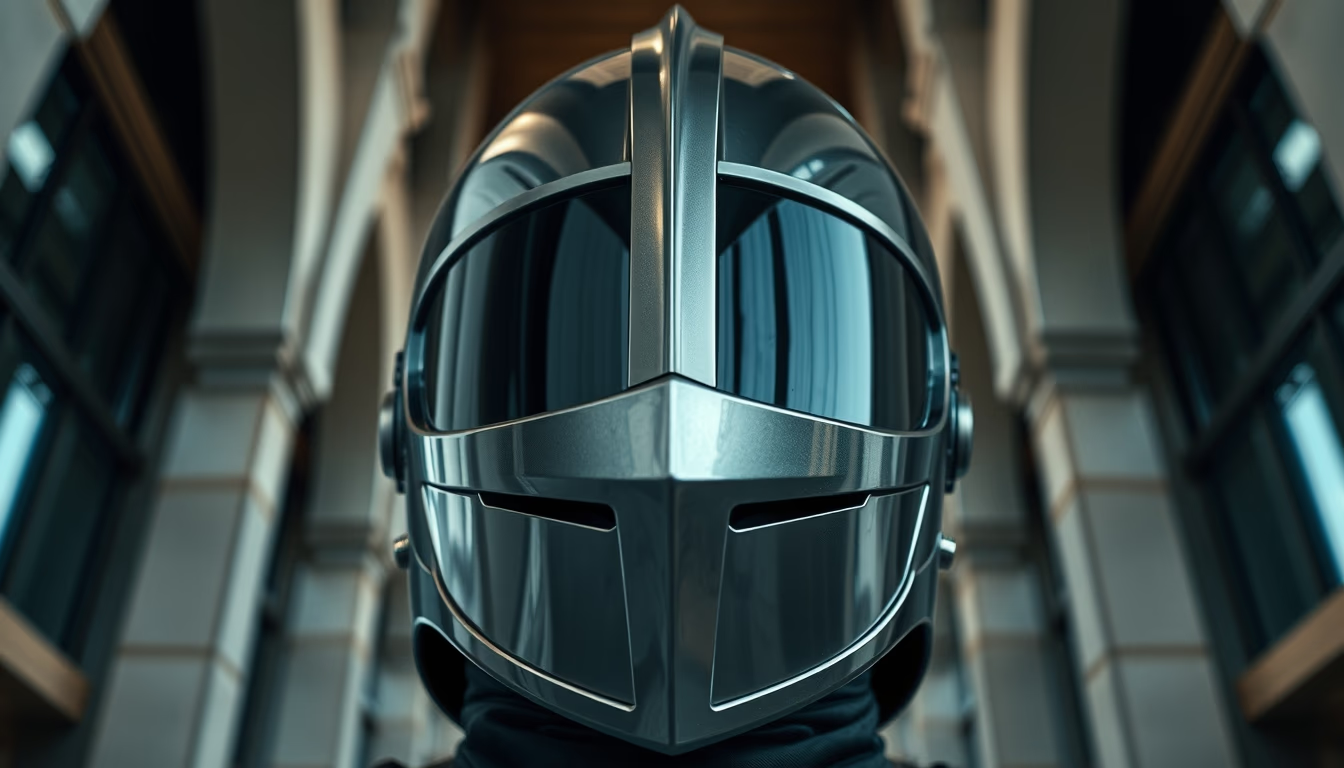
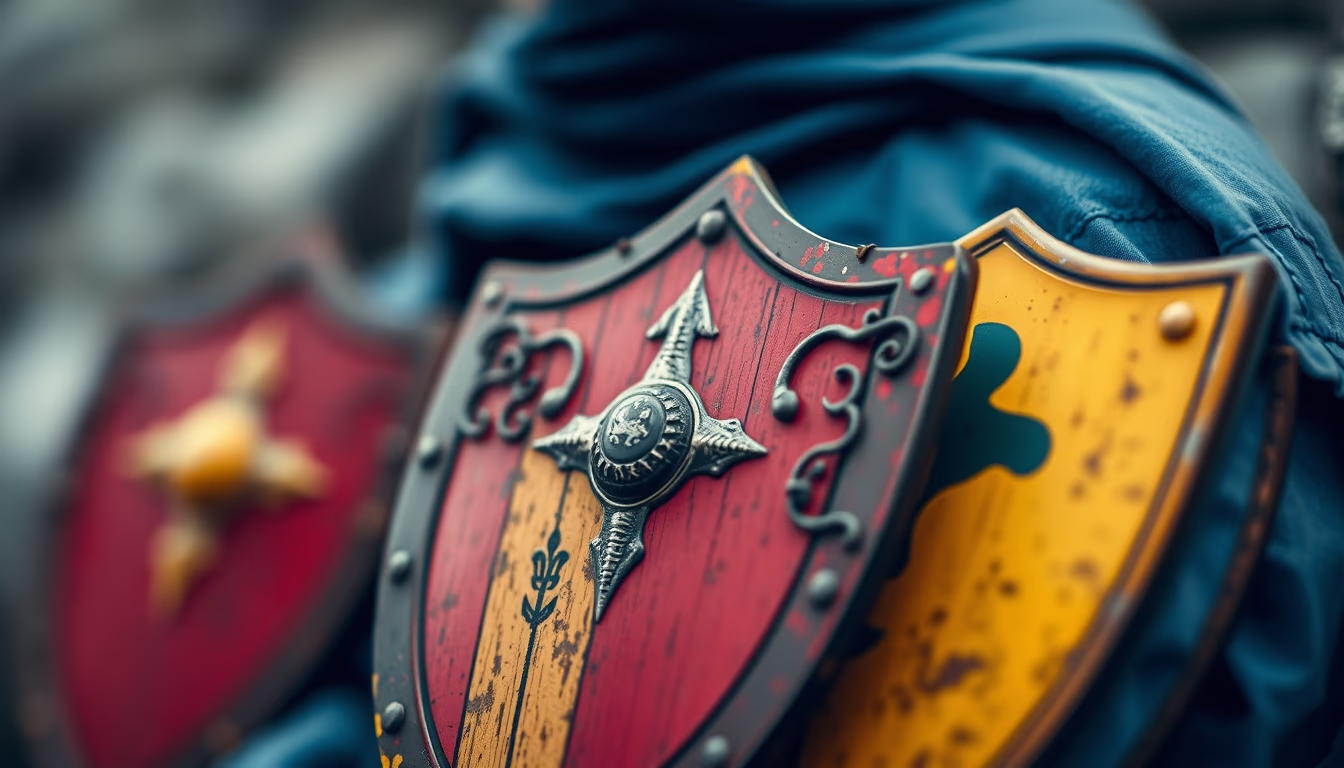
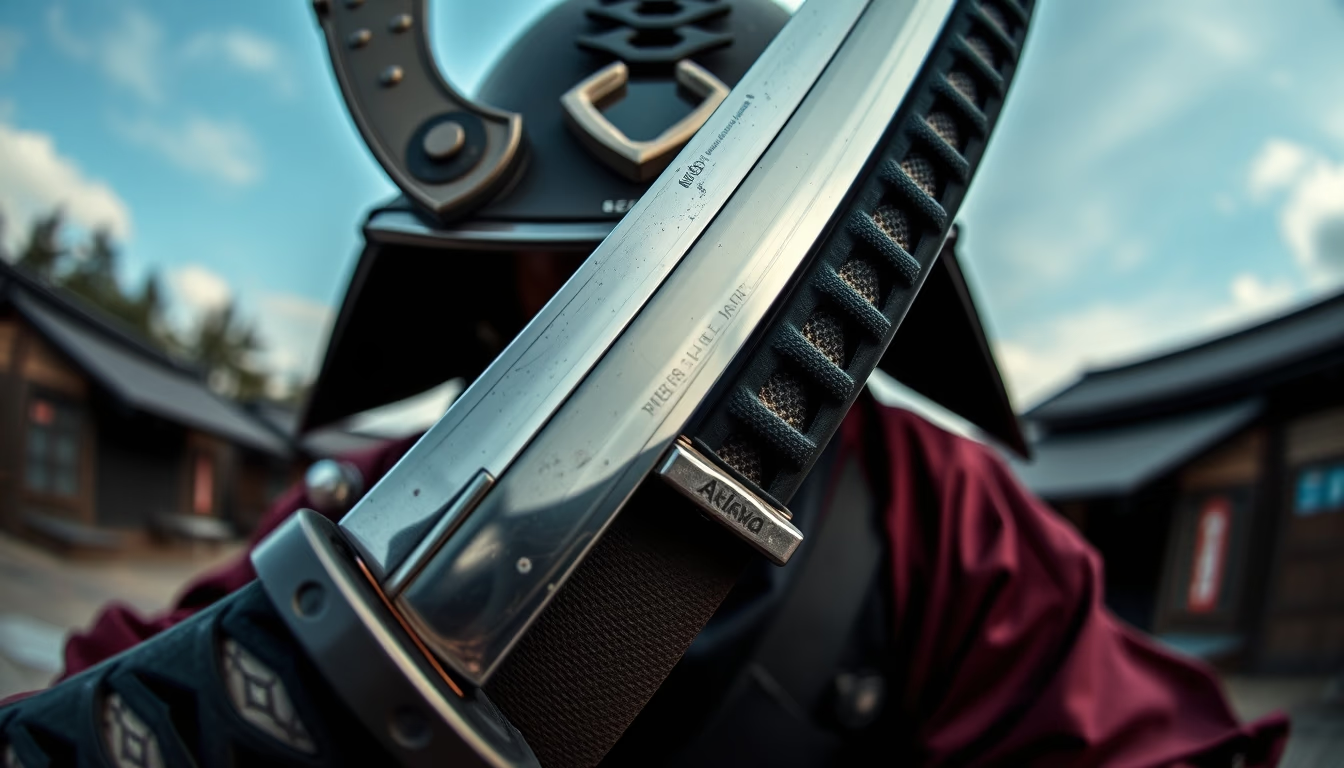
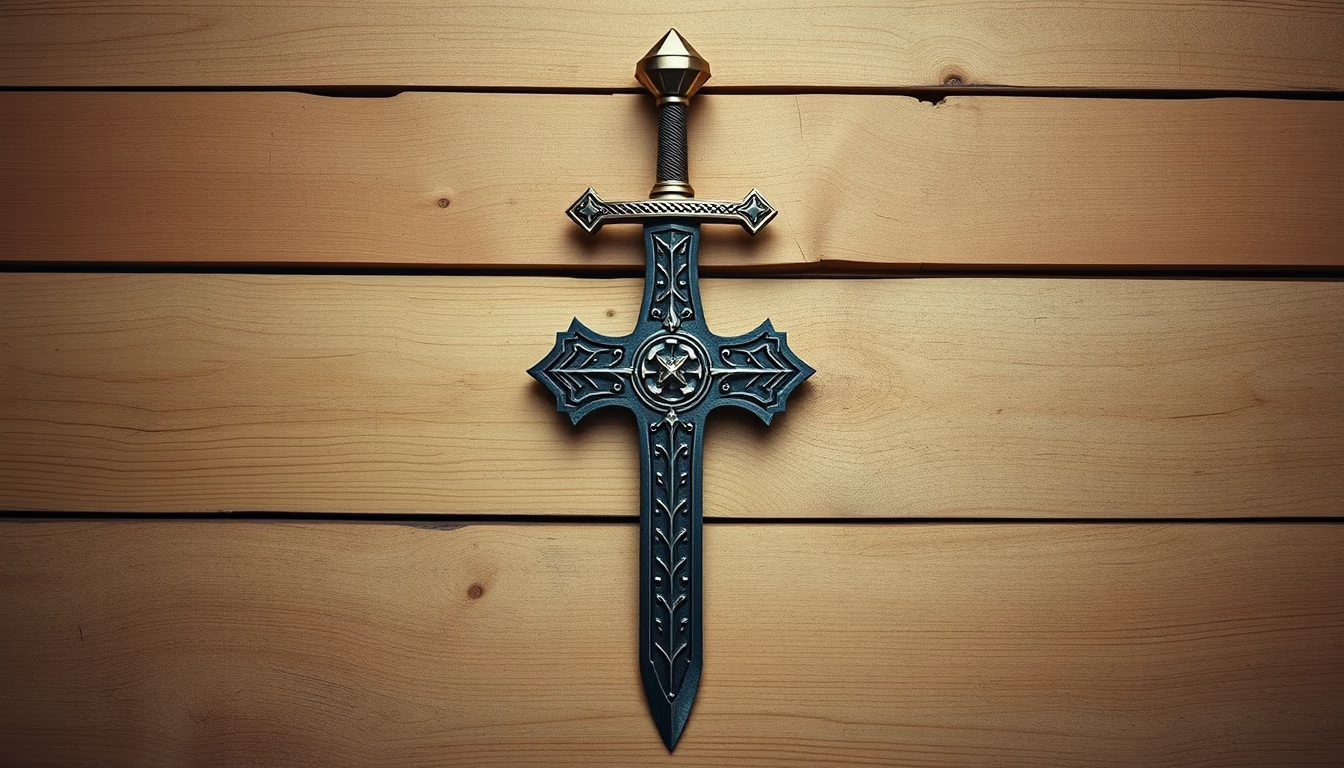
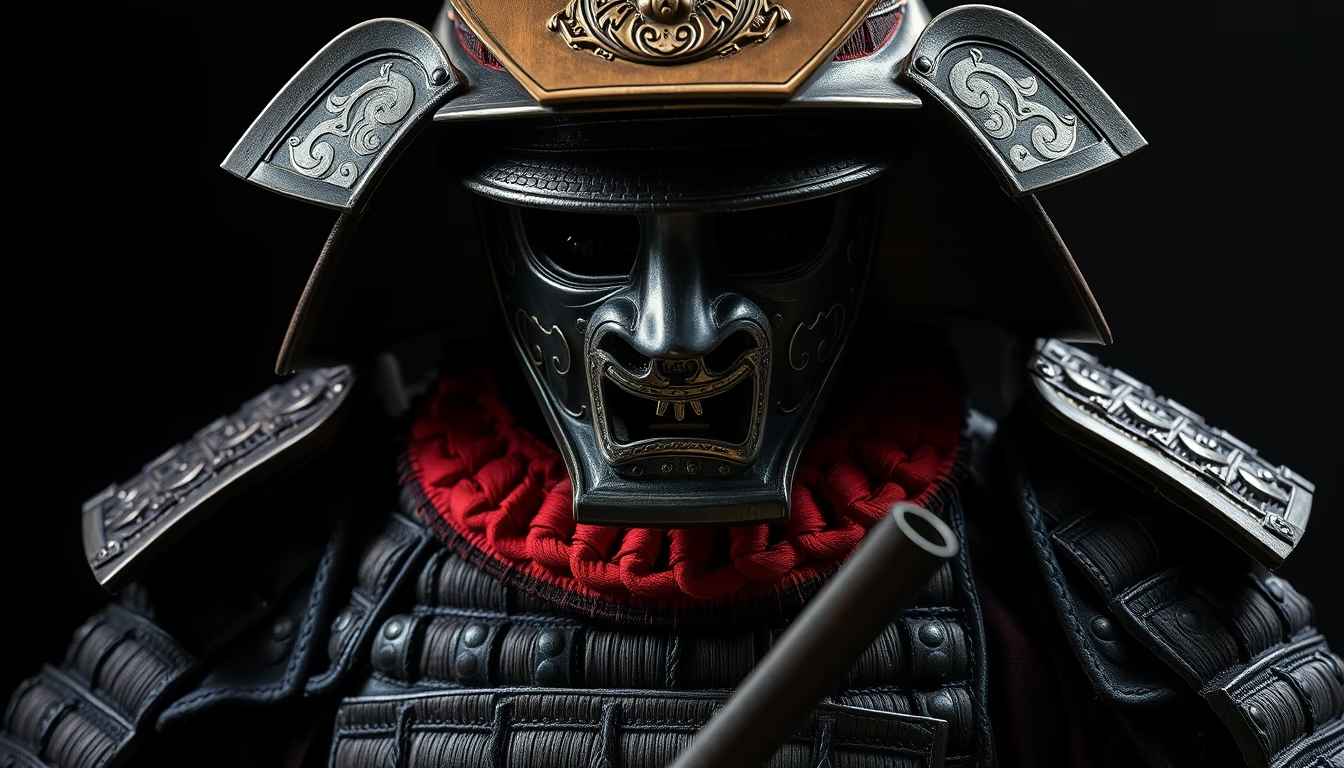
A close-up of a medieval knight's visor reveals intricate forging details, with horizontal slits for vision and breathing, typical of 15th-century armor.
About this subject
The visor is the movable part of the helmet that protects the knight's face while allowing vision and breathing through strategically placed slits. During the Middle Ages, especially between the 13th and 15th centuries, visor designs evolved significantly. Early helmets were simple mail coifs or conical metal pieces, but with the development of plate armor, articulated visors emerged. The example in close-up likely belongs to an 'armet' or 'sallet' helmet, common in Western Europe.
Forging these pieces required exceptional skill from armorers. The horizontal slits, known as 'sight', were narrow enough to stop arrows but wide enough to see through. Below, small holes (breaths) allowed air intake, preventing overheating. Many visors also had a central reinforcement called a 'nasal' or engraved decorations indicating lineage or military order.
Interestingly, visors were not always fixed. Some models could be raised to reveal the face, a common practice in tournaments or for identification. On the battlefield, the visor was kept down for maximum protection. The weight of the assembly ranged from 2 to 4 kg, requiring knights to undergo specific training to bear it.
The close-up image of a visor highlights not only functionality but also the aesthetic of medieval armor. Every scratch or mark tells a story of use, whether in actual combat or displays. Today, these pieces are subjects of study in museums and collections, revealing the engineering and art of an era.
Frequently Asked Questions
How did the visor allow the knight to breathe?
Through small holes (breaths) at the bottom of the visor, which ensured ventilation without compromising protection.
What is the difference between a fixed and a movable visor?
Fixed visors were integral to the helmet, while movable ones could be raised, making breathing and vision easier during rest.
Were visors decorated?
Yes, many featured engravings, reliefs, or even inlays of precious metals, indicating status and affiliation with military orders.
Direct URL
https://pub-c7d6a6ea828543ac903a74a341ccb2e1.r2.dev/imagens/knight-visor-closeup-architectural-photography-p3.avifHow to credit
Include a visible link back to UtilizAí. Copy one of the snippets below:
<a href="https://xn--utiliza-eza.com/en/midia/imagens/knight-visor-closeup-architectural-photography-p3">Knight visor closeup</a> by <a href="https://xn--utiliza-eza.com">UtilizAí</a>, licensed under <a href="https://creativecommons.org/licenses/by/4.0/">CC BY 4.0</a>.
[Knight visor closeup](https://xn--utiliza-eza.com/en/midia/imagens/knight-visor-closeup-architectural-photography-p3) by [UtilizAí](https://xn--utiliza-eza.com), CC BY 4.0
License: CC-BY-4.0