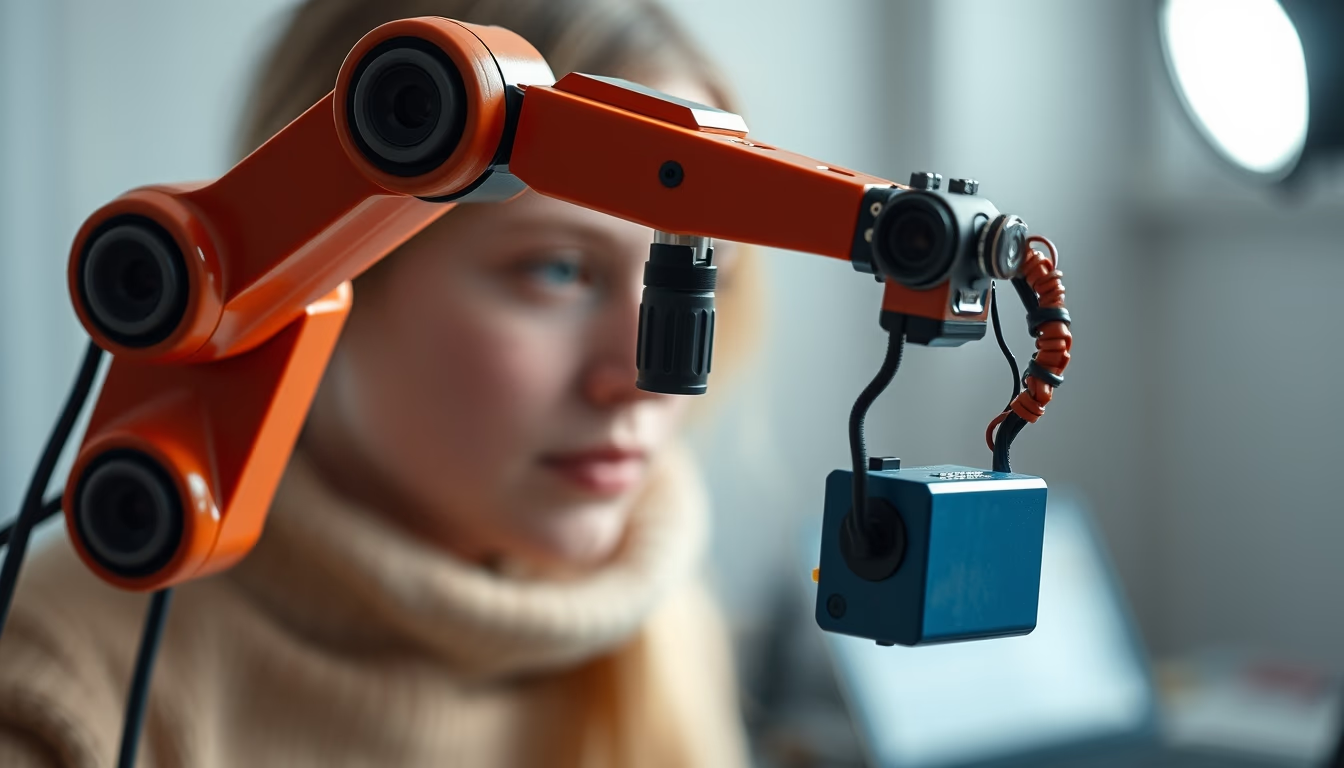
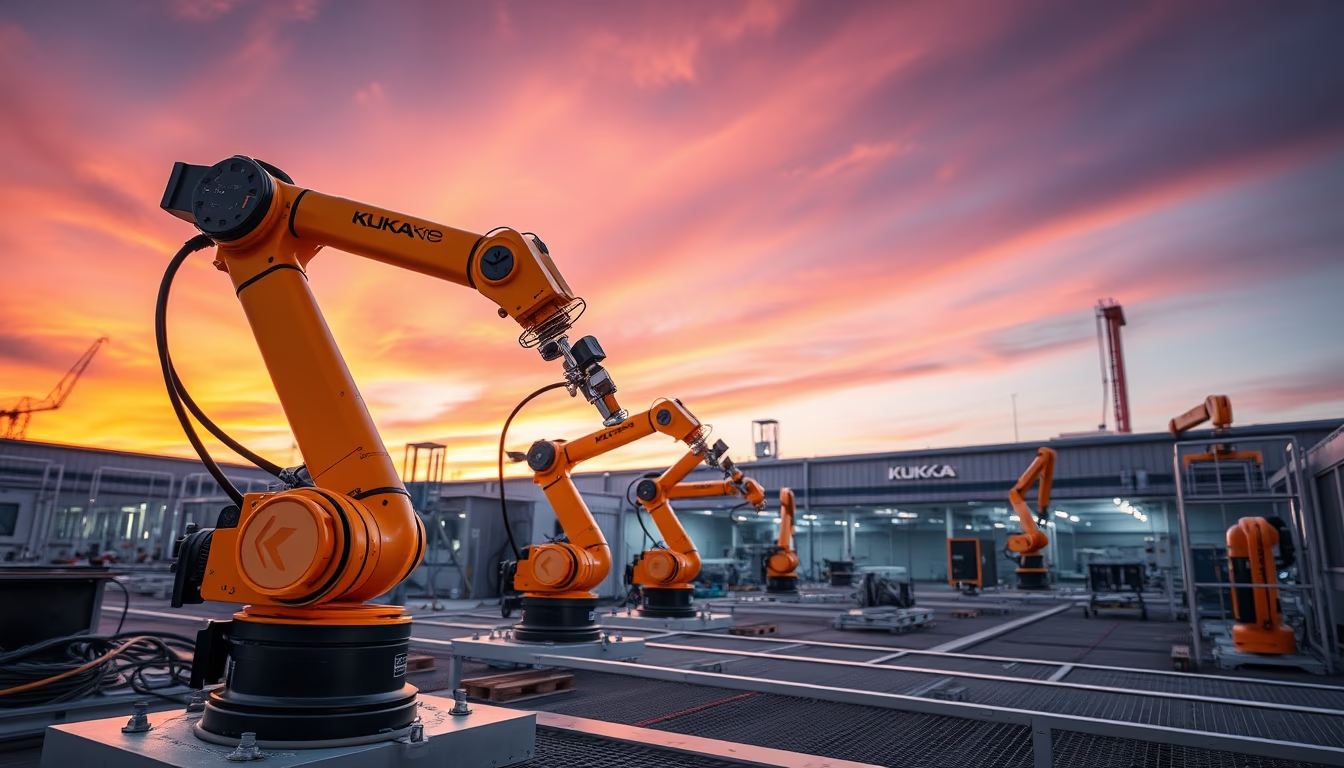
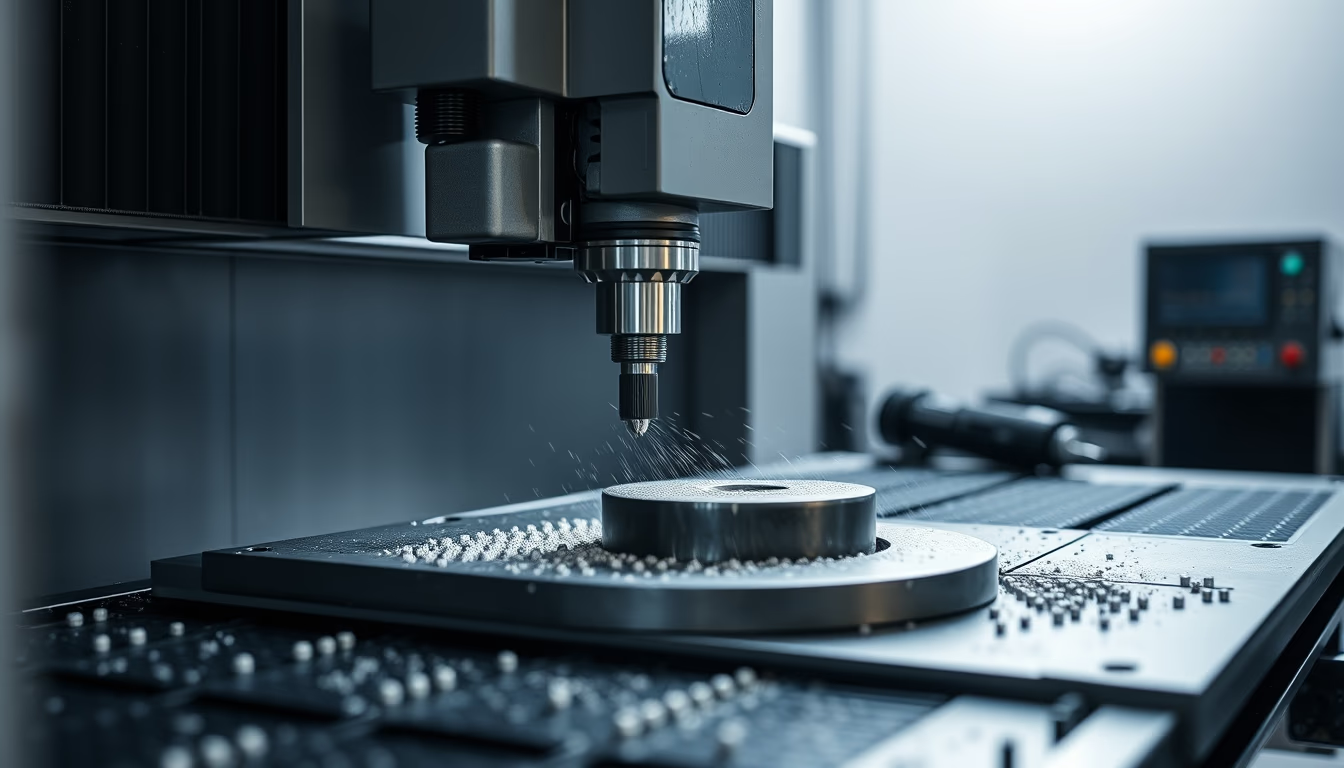
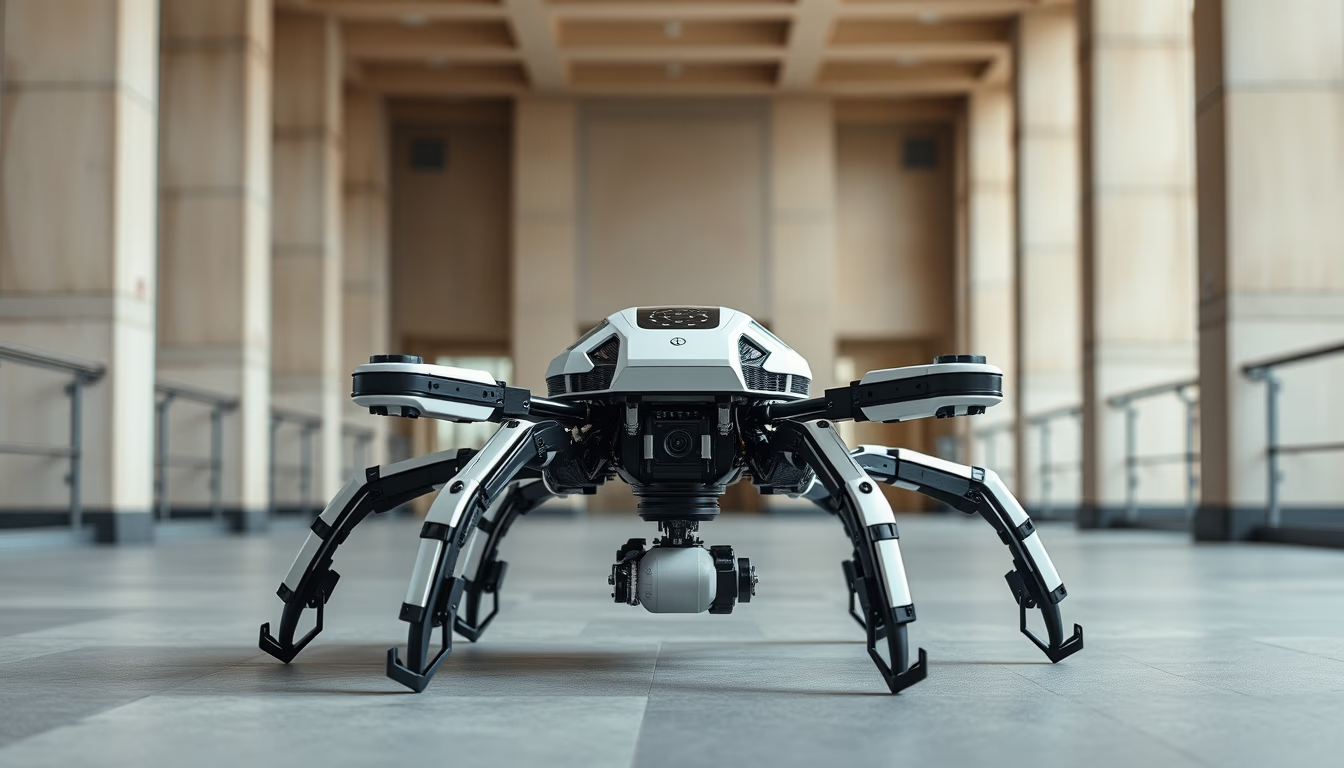
Industrial robot arm welding
1344×768 · AVIF · CC BY 4.0
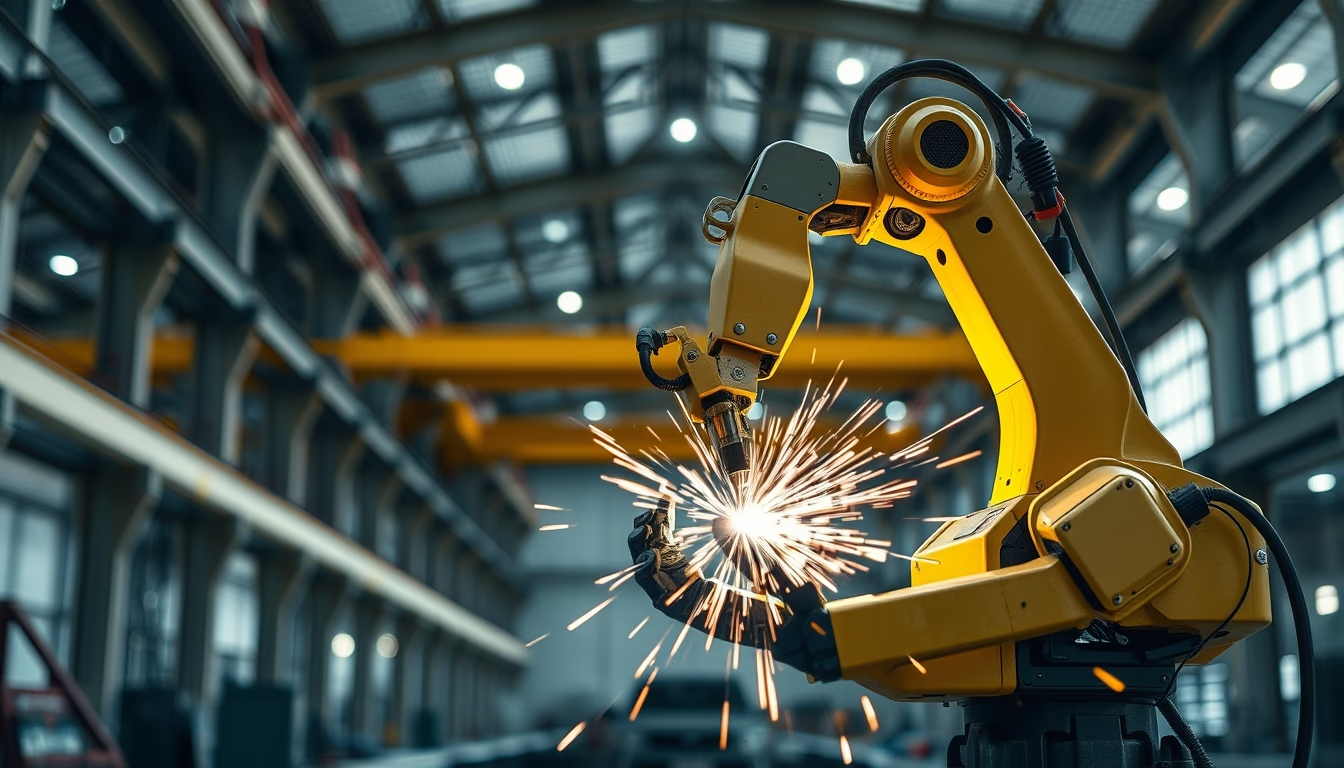
Industrial robotic arms for welding automate processes with precision and repeatability, transforming modern manufacturing.
About this subject
Industrial robotic arms dedicated to welding are a milestone in factory automation. Introduced in the 1960s with the Unimate, these systems evolved from simple manipulators to highly precise machines capable of performing complex welds in mass production environments. Today, they are essential in industries such as automotive, where they assemble car bodies, and aerospace, with stringent quality requirements.
Robotic welding offers significant advantages: millimeter repeatability, reduction of human errors, and increased productivity. It also removes workers from hazardous environments with toxic fumes and ultraviolet radiation. The main types of robotic arms include articulated (6-axis), ideal for complex geometries, SCARA for smaller parts, and Cartesian for linear welds. Common welding technologies are MIG, TIG, and laser, each with specific applications.
Programming these robots can be done via teach pendant, offline with CAD/CAM, or using computer vision systems. Recently, artificial intelligence algorithms optimize trajectories and adjust parameters in real time, compensating for thermal distortions. Interestingly, the demand for specialized technicians has grown, as maintenance and programming require multidisciplinary knowledge in mechanics, electronics, and software.
In Brazil, robotic welding is widely used in the automotive industry, notably by automakers like Volkswagen and Fiat, as well as agricultural machinery manufacturers. The trend is toward miniaturization and human-robot collaboration (cobots), paving the way for small and medium enterprises to adopt the technology.
Frequently Asked Questions
What are the main advantages of robotic welding over manual welding?
The main advantages include greater precision and repeatability, increased productivity, reduction of human errors, and improved worker safety by removing them from hazardous environments with fumes and radiation.
In which industries is robotic welding most common?
It is most common in automotive, aerospace, shipbuilding, and heavy machinery industries. In the automotive sector, it is used to weld car bodies and structural components.
How is a robotic welding arm programmed?
It can be programmed via teach pendant (point-to-point learning), offline using CAD/CAM software that generates trajectories, or with computer vision systems that automatically adjust the path.
Direct URL
https://pub-c7d6a6ea828543ac903a74a341ccb2e1.r2.dev/imagens/industrial-robot-arm-welding-architectural-photography-p6.avifHow to credit
Include a visible link back to UtilizAí. Copy one of the snippets below:
<a href="https://xn--utiliza-eza.com/en/midia/imagens/industrial-robot-arm-welding-architectural-photography-p6">Industrial robot arm welding</a> by <a href="https://xn--utiliza-eza.com">UtilizAí</a>, licensed under <a href="https://creativecommons.org/licenses/by/4.0/">CC BY 4.0</a>.
[Industrial robot arm welding](https://xn--utiliza-eza.com/en/midia/imagens/industrial-robot-arm-welding-architectural-photography-p6) by [UtilizAí](https://xn--utiliza-eza.com), CC BY 4.0
License: CC-BY-4.0