Illuminated manuscript
1344×768 · AVIF · CC BY 4.0
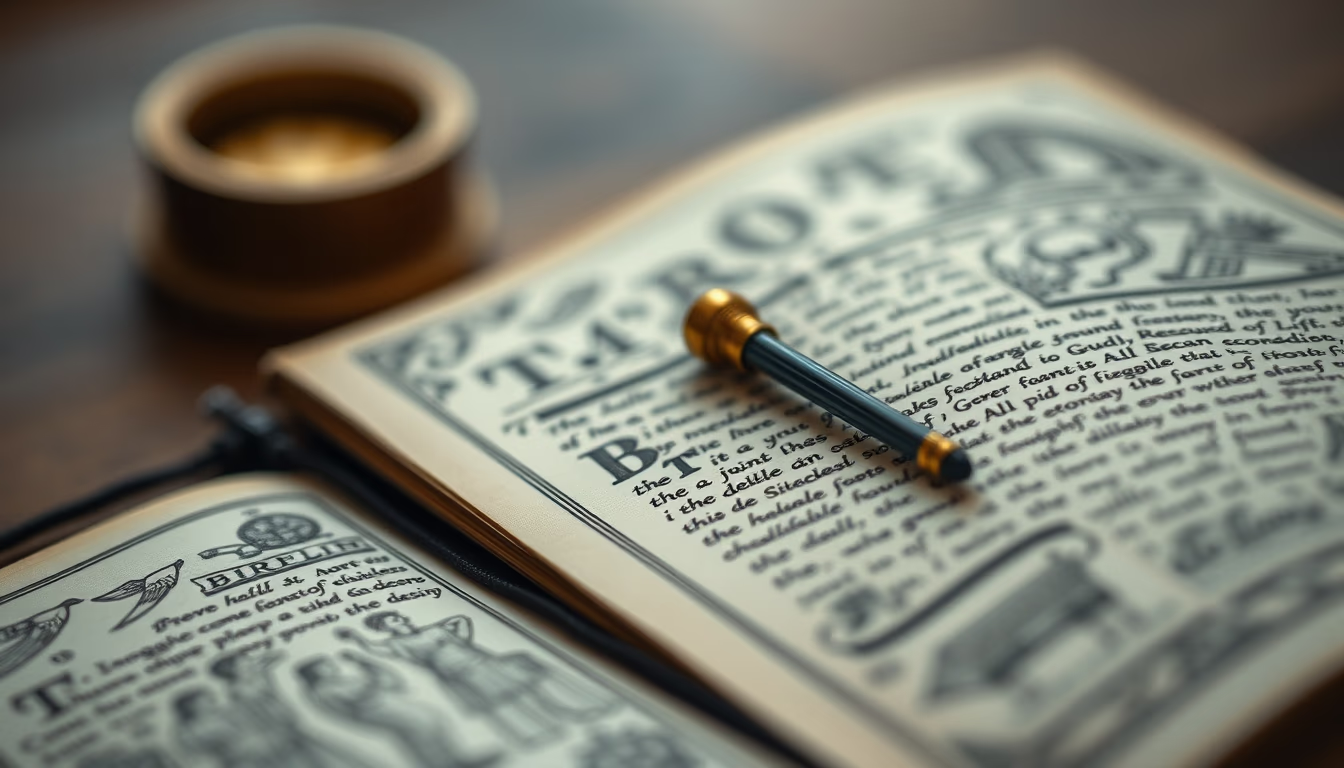
Illuminated manuscripts are hand-decorated books with gold and vibrant colors, produced in medieval Europe between the 5th and 15th centuries.
About this subject
Illuminated manuscripts are handwritten books adorned with elaborate decorations such as ornate initials, borders, and miniatures. The term "illuminated" comes from the Latin "illuminare," meaning to light up, referring to the use of gold and silver leaf that reflects light. They were primarily produced in monasteries and scriptoria by monk scribes and specialized artists. The golden age of this art form spanned from the 7th to the 12th centuries, with notable works including gospel books, psalters, and liturgical texts.
The techniques involved natural pigments derived from minerals and plants. Ultramarine blue came from lapis lazuli, sourced from Afghanistan. Red was obtained from cinnabar or insects like cochineal. Gold was beaten into thin sheets and applied with a gum arabic adhesive. The primary support was parchment, made from sheep, goat, or calf skin. Each book represented months or years of labor and a vast financial investment, commissioned by kings, nobles, and religious institutions.
These manuscripts were crucial in preserving classical and religious texts during the Middle Ages. Famous examples include the Lindisfarne Gospels, produced in England in the early 8th century with Celtic influence; the Book of Kells, from the 9th century, with complex ornamentation; and the Très Riches Heures du Duc de Berry, a 15th-century book of hours. In Brazil, there is no medieval tradition, but important collections of facsimiles exist in museums and libraries, such as the National Library of Rio de Janeiro.
A fascinating curiosity is the Codex Gigas, from the 13th century, known as the Devil's Bible. It measures 92 centimeters in height, weighs 75 kilograms, and according to legend, was written by a monk in a single night. Its page contains an illustration of the devil that is one of the most famous in medieval art. With the advent of the printing press in the 15th century, the production of illuminated manuscripts declined, but their artistic and historical legacy remains invaluable.
Frequently Asked Questions
How were the paints made in illuminated manuscripts?
The paints were prepared from natural pigments ground and mixed with a binder such as egg white or gum arabic. Ultramarine blue came from lapis lazuli, red from cinnabar, and green from malachite. Gold was applied in beaten sheets.
What is the most famous illuminated manuscript in the world?
The Book of Kells, from the 9th century, is considered one of the most famous, with intricate decoration and exceptional beauty. Another highlight is the Codex Gigas, from the 13th century, known for its size and the illustration of the devil.
Why are illuminated manuscripts historically valuable?
They preserved classical and religious texts that might have been lost, and represent the pinnacle of medieval art. Each copy is unique, with handcrafted decorations, and many provide insights into the culture, technology, and faith of their time.
Direct URL
https://pub-c7d6a6ea828543ac903a74a341ccb2e1.r2.dev/imagens/illuminated-manuscript-tilt-shift-miniature-p0.avifHow to credit
Include a visible link back to UtilizAí. Copy one of the snippets below:
<a href="https://xn--utiliza-eza.com/en/midia/imagens/illuminated-manuscript-tilt-shift-miniature-p0">Illuminated manuscript</a> by <a href="https://xn--utiliza-eza.com">UtilizAí</a>, licensed under <a href="https://creativecommons.org/licenses/by/4.0/">CC BY 4.0</a>.
[Illuminated manuscript](https://xn--utiliza-eza.com/en/midia/imagens/illuminated-manuscript-tilt-shift-miniature-p0) by [UtilizAí](https://xn--utiliza-eza.com), CC BY 4.0
License: CC-BY-4.0