Hydroelectric dam from above
1344×768 · AVIF · CC BY 4.0
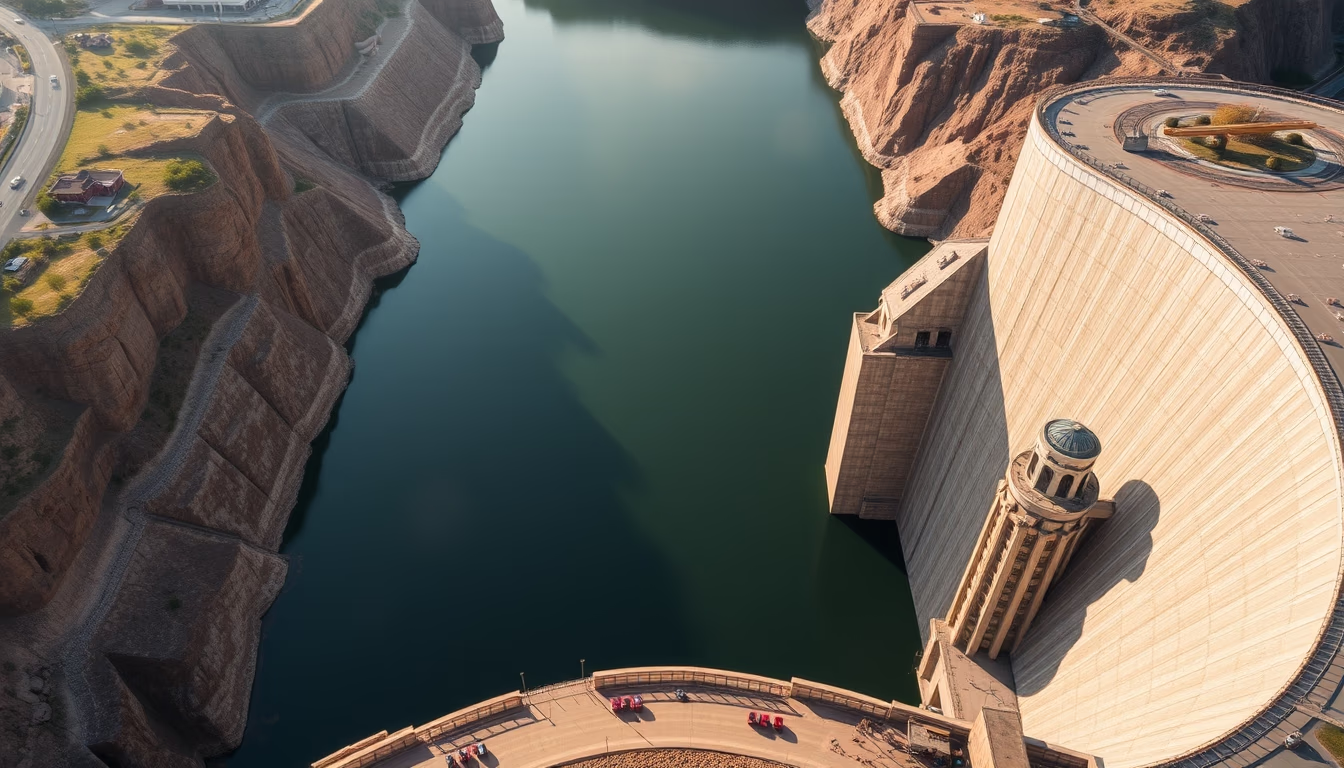
Aerial view of a hydroelectric dam, highlighting its magnitude and crucial role in renewable energy generation in Brazil.
About this subject
Hydroelectric dams are monumental structures that convert the potential energy of water into electricity. In Brazil, where the energy matrix is predominantly renewable, hydroelectric plants account for about 60% of installed capacity. The Itaipu Dam, on the border with Paraguay, is one of the largest examples, with 14 GW of power, enough to supply a large portion of the country. The aerial view reveals the vastness of the reservoir and the complexity of the gates and turbines, designed to control water flow and generate energy continuously.
Dam construction involves significant engineering challenges and environmental impacts. Displacement of communities and alteration of aquatic ecosystems are critical issues. On the other hand, hydroelectric power is a clean source with low operating costs, essential for industrial and urban development. Brazil has one of the largest hydroelectric potentials in the world, especially in the Paraná and São Francisco basins.
Interestingly, the first hydroelectric plant in Brazil began operation in 1883 in Ribeirão do Inferno, Minas Gerais, with only 0.5 MW. Today, the country has over 200 large-scale plants. The aerial image symbolizes technological progress and modern society's dependence on reliable energy sources. Maintenance of these structures is constant, involving seismic monitoring and underwater inspections to ensure safety and efficiency.
Frequently Asked Questions
What is the largest hydroelectric dam in Brazil?
The largest hydroelectric dam in Brazil is the Itaipu Dam, with 14 GW of capacity, followed by Belo Monte in Pará, with about 11 GW.
What are the environmental impacts of a hydroelectric dam?
Main impacts include flooding of large areas, displacement of communities, alteration of aquatic ecosystems, and methane emissions from decomposing submerged organic matter.
How does energy generation work in a hydroelectric plant?
Water stored in the reservoir is released through gates, passing through turbines that spin and drive generators, converting kinetic energy into electrical energy.
Direct URL
https://pub-c7d6a6ea828543ac903a74a341ccb2e1.r2.dev/imagens/hydroelectric-dam-from-above-documentary-photography.avifHow to credit
Include a visible link back to UtilizAí. Copy one of the snippets below:
<a href="https://xn--utiliza-eza.com/en/midia/imagens/hydroelectric-dam-from-above-documentary-photography">Hydroelectric dam from above</a> by <a href="https://xn--utiliza-eza.com">UtilizAí</a>, licensed under <a href="https://creativecommons.org/licenses/by/4.0/">CC BY 4.0</a>.
[Hydroelectric dam from above](https://xn--utiliza-eza.com/en/midia/imagens/hydroelectric-dam-from-above-documentary-photography) by [UtilizAí](https://xn--utiliza-eza.com), CC BY 4.0
License: CC-BY-4.0