Hydroelectric dam from above
1344×768 · AVIF · CC BY 4.0
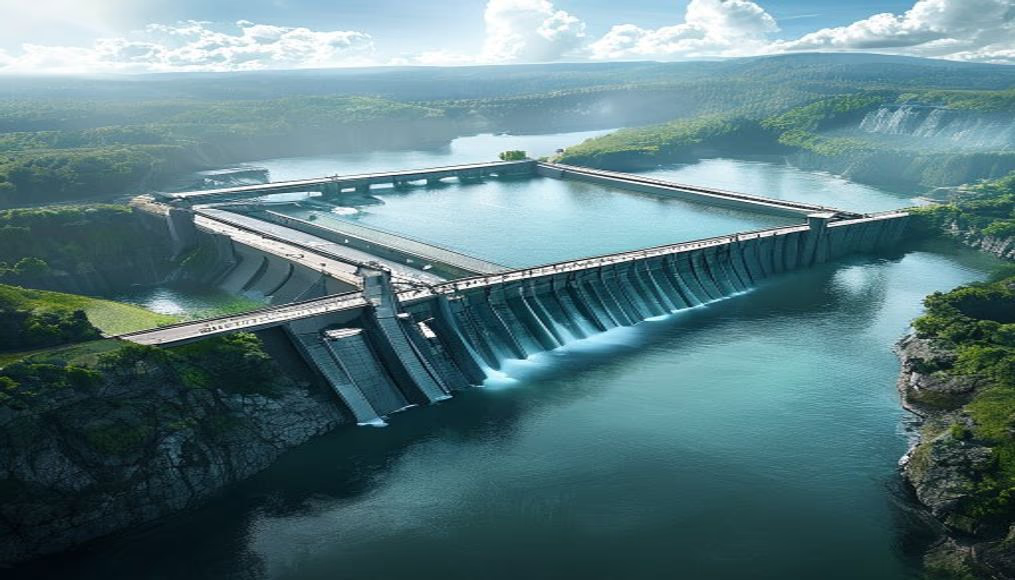
Hydroelectric dam from above: learn how they work, their importance in the energy matrix, and the environmental impacts of these engineering giants.
About this subject
Hydroelectric dams are structures designed to convert the potential energy of water into electricity. They represent one of the main renewable energy sources worldwide, accounting for about 16% of global electricity generation. In Brazil, hydroelectricity is even more relevant: over 60% of the country's electricity comes from hydroelectric plants, thanks to abundant plateau rivers such as the Paraná, São Francisco, and Tocantins. Itaipu Dam, on the border between Brazil and Paraguay, is the second largest in the world by installed capacity (14 GW), second only to China's Three Gorges Dam (22.5 GW).
The operating principle is relatively simple: a dam impounds water, creating a reservoir. Water is released through gates and passes through turbines, which spin and drive generators. The height of the water drop (head) and the water volume determine the power generated. Besides energy generation, reservoirs can serve flood control, irrigation, and navigation. However, building large hydroelectric plants involves significant technical and environmental challenges, such as displacing communities and altering aquatic and terrestrial ecosystems.
Environmental impact is a major point of debate. Flooding large areas releases methane from decomposing organic matter, a greenhouse gas more potent than CO2. Moreover, disrupting the natural river flow affects fish migration and sedimentation. On the other hand, hydroelectricity is a clean energy source during operation, with no direct atmospheric pollutant emissions, and offers operational flexibility to meet peak demand. Technologies like more efficient turbines and fish ladders aim to mitigate these impacts.
Fun fact: the world's first hydroelectric plant was Appleton, in the United States, in 1882, with only 12.5 kW. Today, plants like Baihetan in China exceed 16 GW. In Brazil, Belo Monte Dam in Pará is the largest entirely national, with 11.2 GW, but its relatively small reservoir (less flooded area per MW installed) exemplifies a trend toward projects with lower environmental impact per unit of energy generated. Diversifying the energy matrix with complementary sources like solar and wind helps reduce exclusive dependence on hydroelectricity, especially during droughts.
Frequently Asked Questions
What is the largest hydroelectric dam in the world?
The largest hydroelectric dam in the world by installed capacity is the Three Gorges Dam in China, with 22.5 GW. The second largest is Itaipu, between Brazil and Paraguay, with 14 GW.
Is hydroelectric energy considered renewable?
Yes, hydroelectricity is considered a renewable energy source because it uses the water cycle, which is naturally replenished by rainfall. However, dam construction can have significant environmental impacts.
What are the main environmental impacts of a hydroelectric dam?
The main impacts include flooding of large areas, methane emissions, displacement of communities, alteration of aquatic and terrestrial ecosystems, and interference with fish migration.
Direct URL
https://pub-c7d6a6ea828543ac903a74a341ccb2e1.r2.dev/imagens/hydroelectric-dam-from-above-commercial-product-photography-v9.avifHow to credit
Include a visible link back to UtilizAí. Copy one of the snippets below:
<a href="https://xn--utiliza-eza.com/en/midia/imagens/hydroelectric-dam-from-above-commercial-product-photography-v9">Hydroelectric dam from above</a> by <a href="https://xn--utiliza-eza.com">UtilizAí</a>, licensed under <a href="https://creativecommons.org/licenses/by/4.0/">CC BY 4.0</a>.
[Hydroelectric dam from above](https://xn--utiliza-eza.com/en/midia/imagens/hydroelectric-dam-from-above-commercial-product-photography-v9) by [UtilizAí](https://xn--utiliza-eza.com), CC BY 4.0
License: CC-BY-4.0