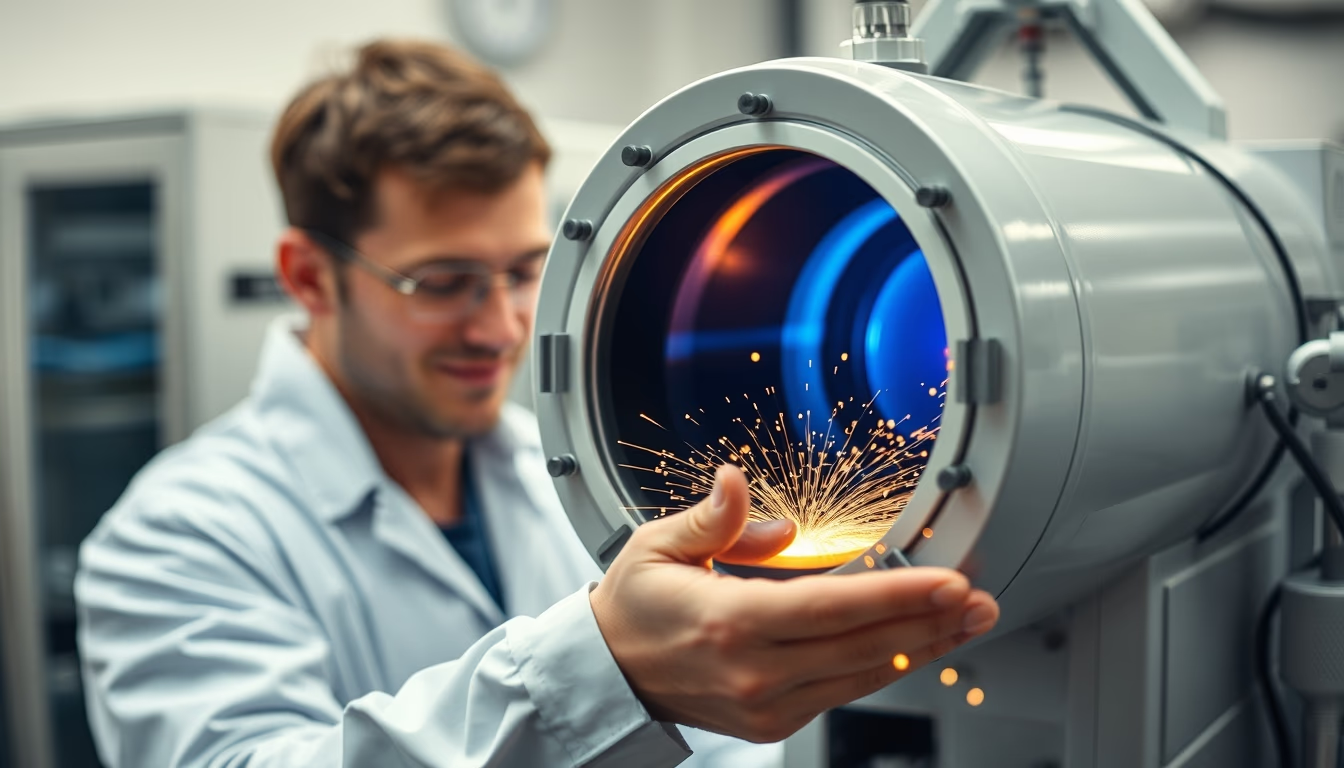
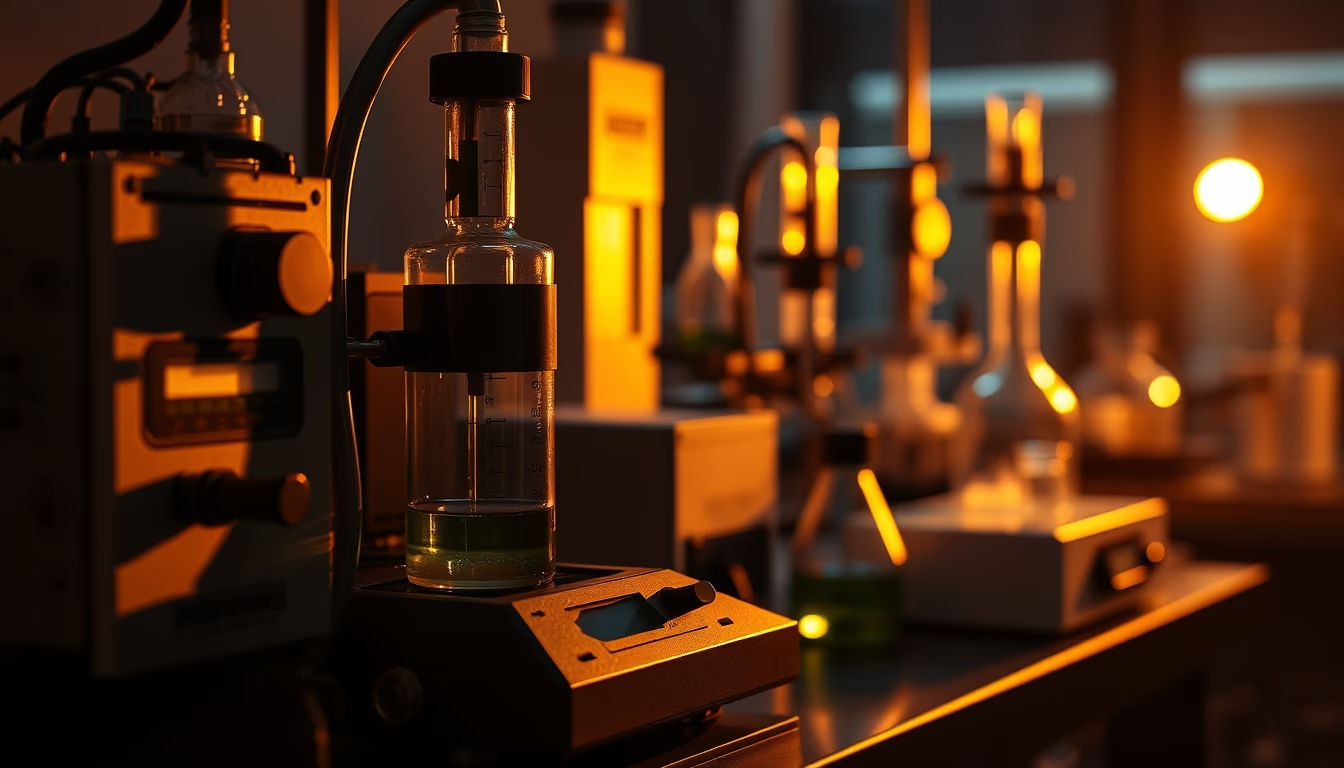
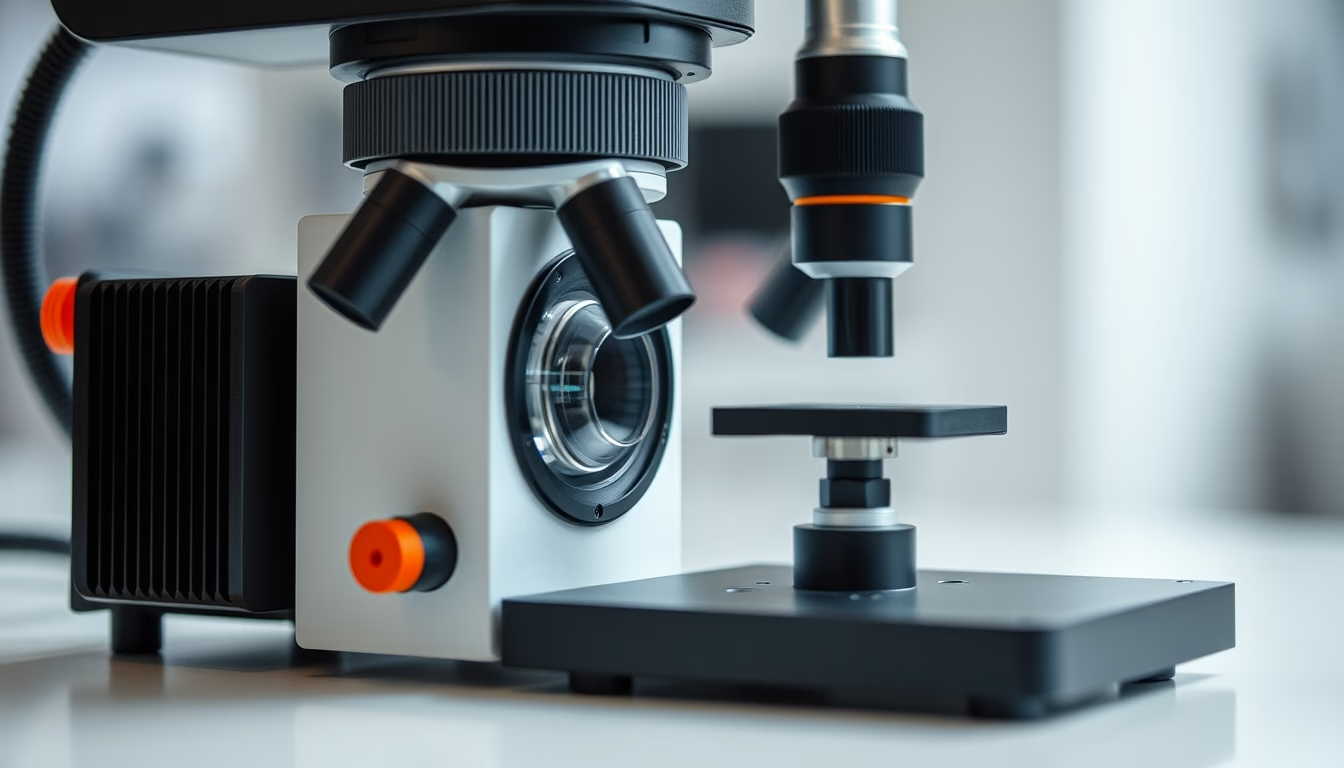
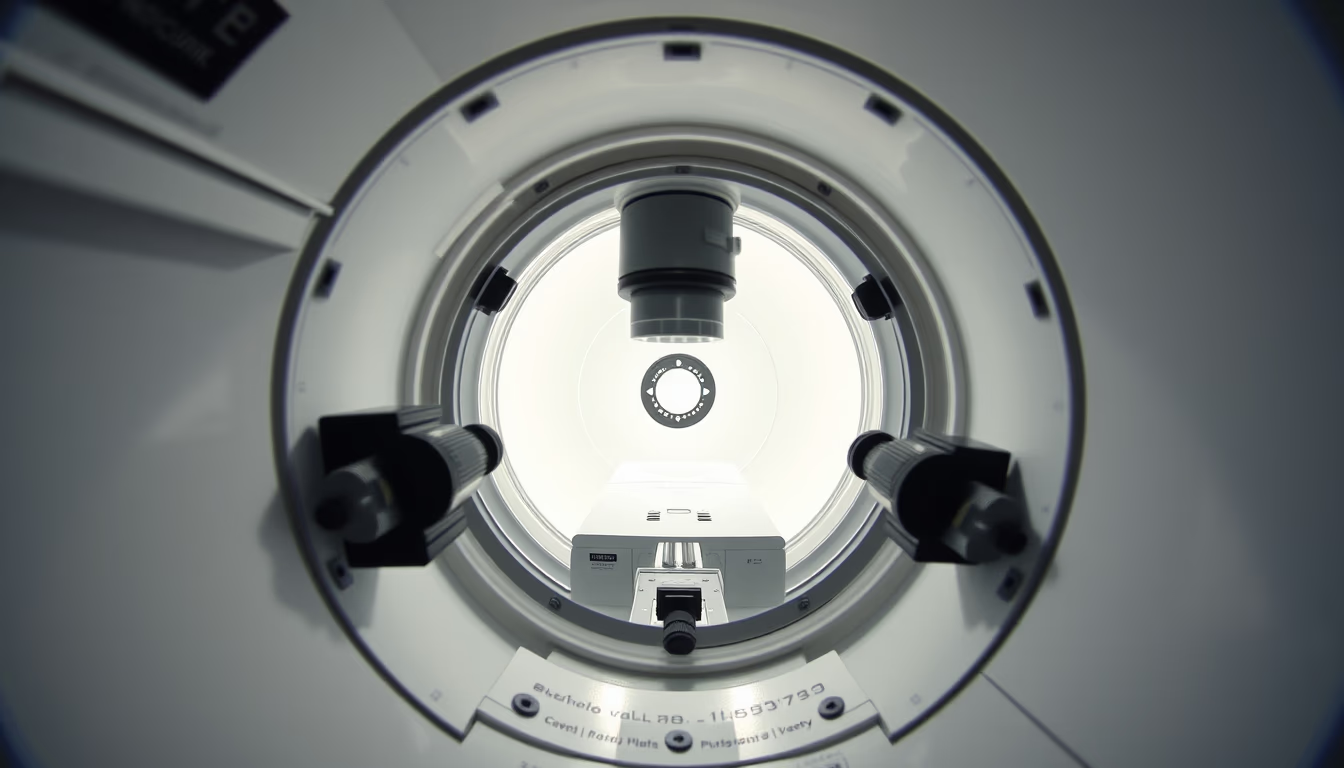
Gene sequencer machine
1344×768 · AVIF · CC BY 4.0
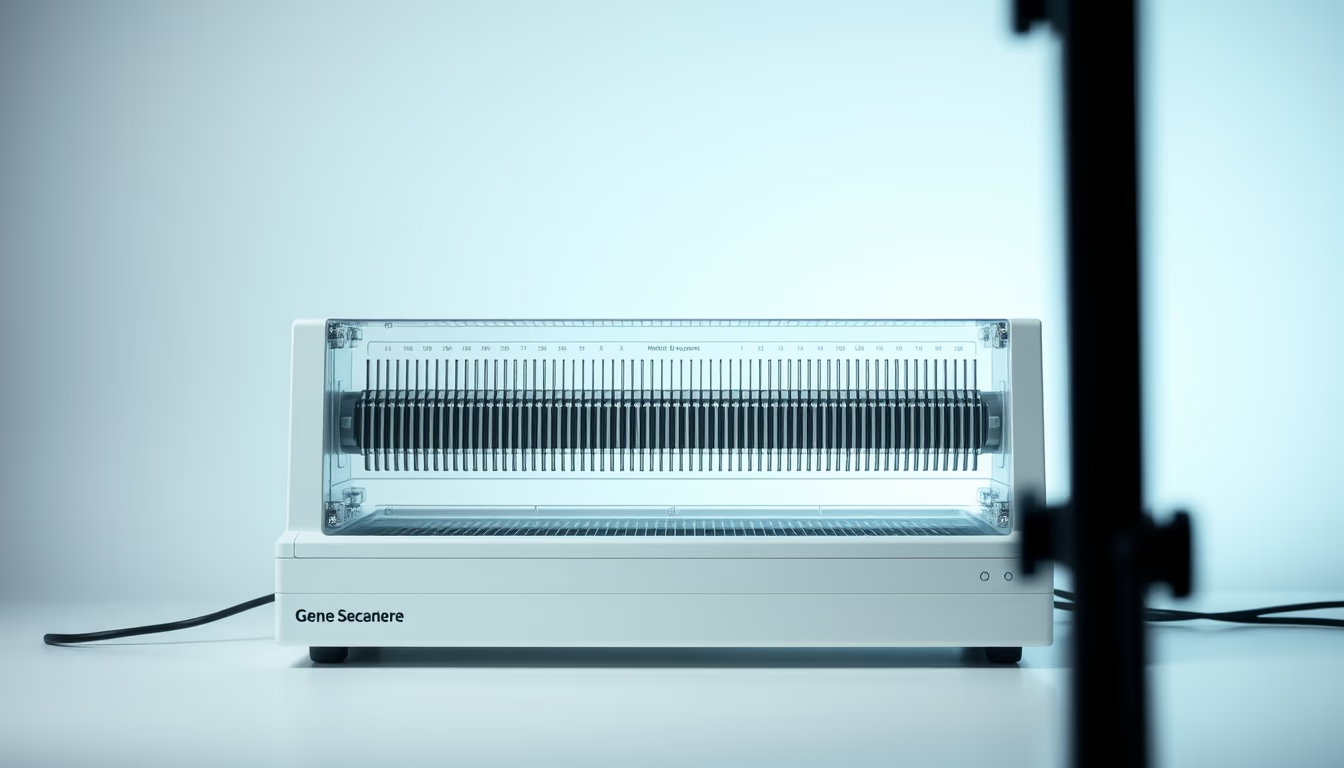
Gene sequencer machine revolutionizing biomedical research, enabling rapid and precise DNA decoding.
About this subject
A gene sequencer machine is a laboratory instrument that determines the exact order of nitrogenous bases (adenine, thymine, cytosine, and guanine) in a DNA molecule. This process, known as DNA sequencing, has become essential since the Human Genome Project, completed in 2003. Technology has evolved rapidly: from the slow and costly Sanger method to next-generation sequencing (NGS) platforms, which can sequence millions of fragments simultaneously.
Applications are vast. In medicine, gene sequencing identifies mutations associated with cancer, rare diseases, and hereditary predispositions. During the COVID-19 pandemic, sequencing machines were crucial for real-time monitoring of SARS-CoV-2 variants, guiding public health policies. In Brazil, institutions like Fiocruz and Hospital Albert Einstein use these machines for research and clinical diagnostics.
Different technologies exist. Illumina dominates the market with sequencing by synthesis, while PacBio offers long reads ideal for complex genomes. Oxford Nanopore enables real-time sequencing with portable devices, expanding access in remote areas. The cost per human genome has dropped from US$100 million in 2001 to under US$1,000 today, democratizing genetic knowledge.
Despite benefits, these machines raise ethical issues about genetic privacy and discrimination. Nevertheless, gene sequencing remains an indispensable tool for biology, agriculture, forensics, and evolution. Each new machine generation promises greater speed and accuracy, accelerating scientific discoveries.
Frequently Asked Questions
What is DNA sequencing?
It is a process that determines the exact order of nitrogenous bases (A, T, C, G) in a DNA molecule, providing crucial genetic information.
Why are gene sequencer machines important in medicine?
They enable early diagnosis of genetic diseases, identification of cancer mutations, and personalized treatments based on the patient's genetic profile.
How long does gene sequencing take?
It depends on the technology and scale; modern NGS machines can sequence a complete human genome in less than 24 hours.
Direct URL
https://pub-c7d6a6ea828543ac903a74a341ccb2e1.r2.dev/imagens/gene-sequencer-machine-studio-still-life-fresh10.avifHow to credit
Include a visible link back to UtilizAí. Copy one of the snippets below:
<a href="https://xn--utiliza-eza.com/en/midia/imagens/gene-sequencer-machine-studio-still-life-fresh10">Gene sequencer machine</a> by <a href="https://xn--utiliza-eza.com">UtilizAí</a>, licensed under <a href="https://creativecommons.org/licenses/by/4.0/">CC BY 4.0</a>.
[Gene sequencer machine](https://xn--utiliza-eza.com/en/midia/imagens/gene-sequencer-machine-studio-still-life-fresh10) by [UtilizAí](https://xn--utiliza-eza.com), CC BY 4.0
License: CC-BY-4.0