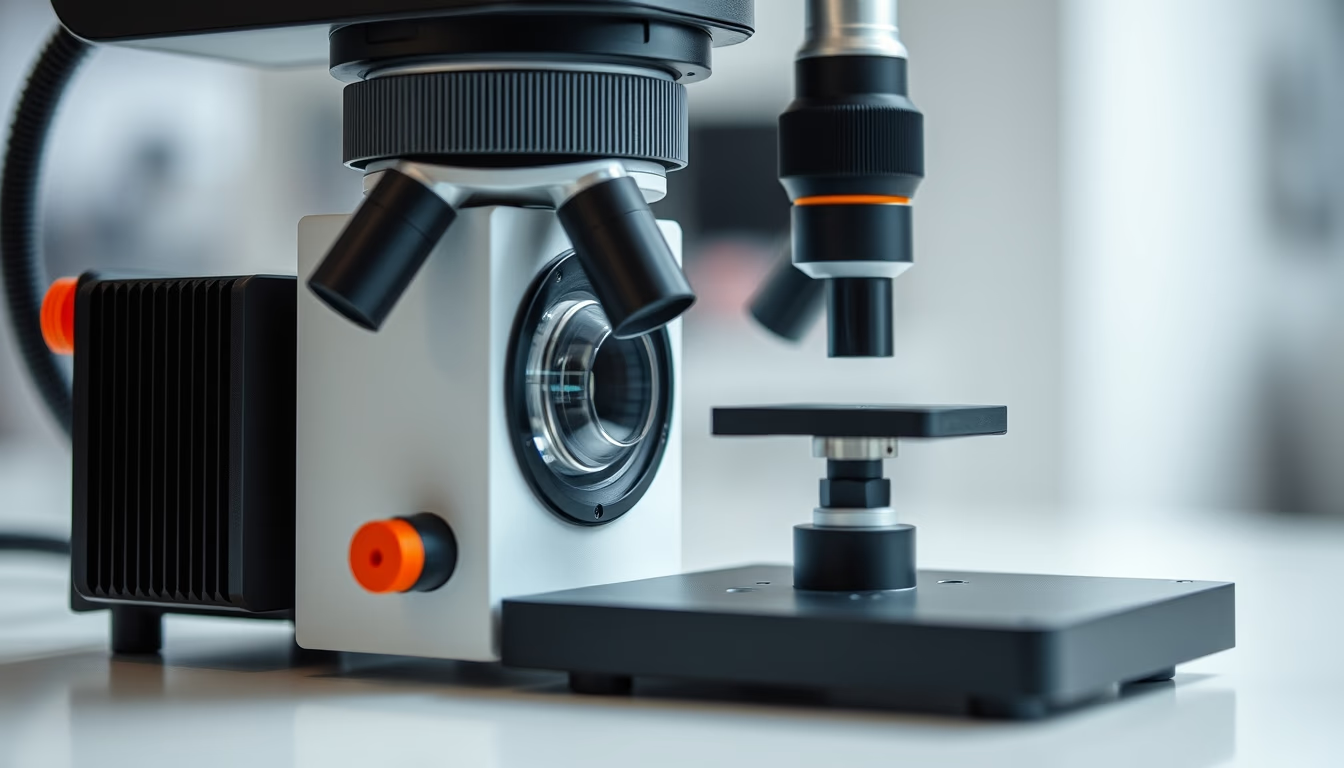
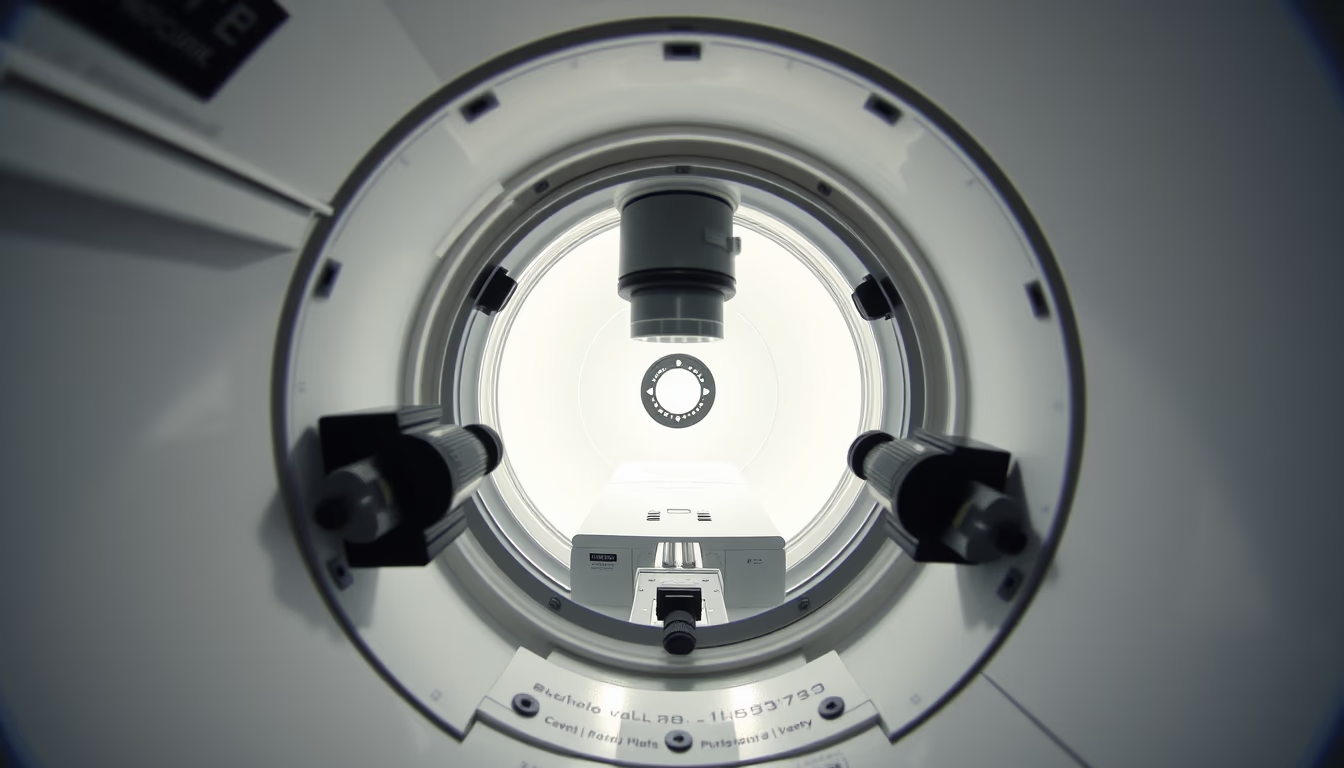
Gene sequencer machine
1344×768 · AVIF · CC BY 4.0
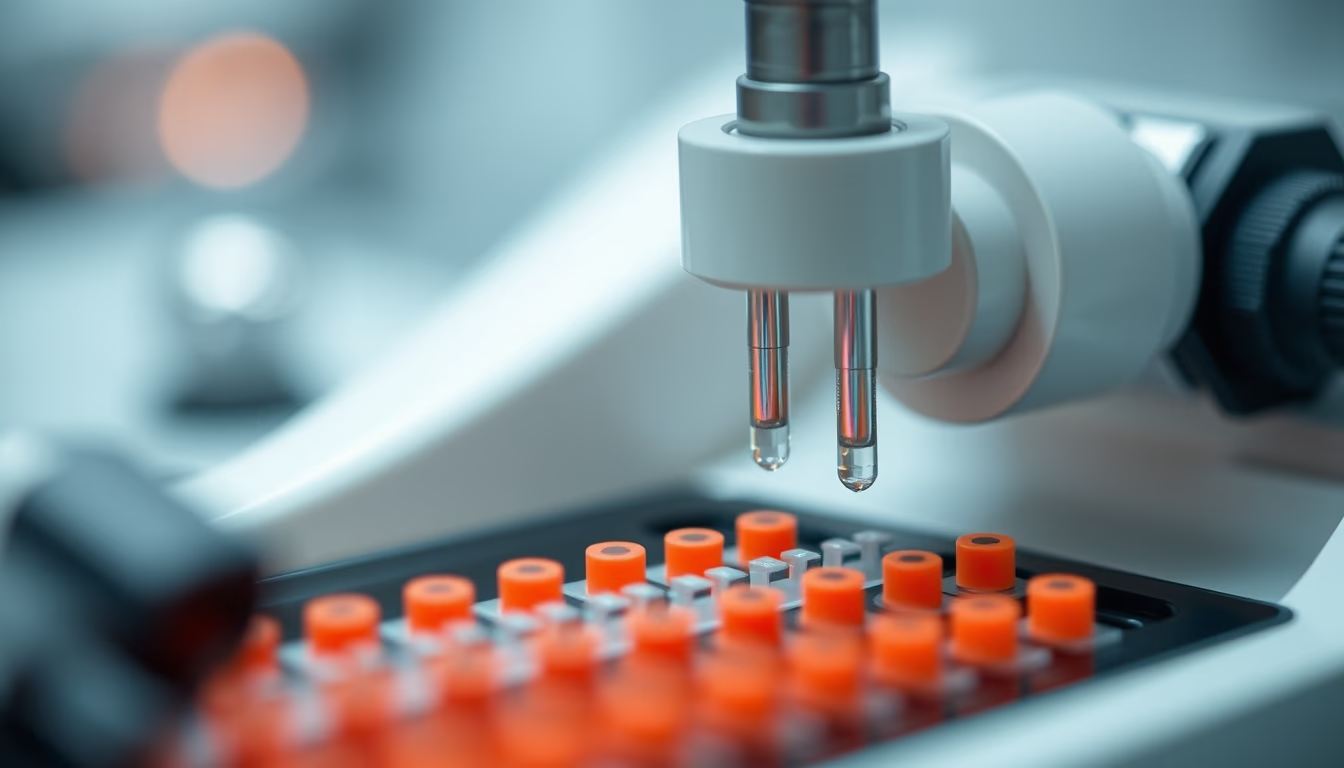
Gene sequencing machine that revolutionizes personalized medicine and biological research by deciphering DNA quickly and accurately.
About this subject
A gene sequencer is a high-precision laboratory instrument that determines the exact order of nitrogenous bases (adenine, thymine, cytosine, and guanine) in a DNA molecule. Since the completion of the Human Genome Project in 2003, the technology has advanced dramatically. Today, next-generation sequencers (NGS) can read millions of DNA fragments simultaneously, reducing the cost of a full human genome from billions of dollars to around one thousand dollars.
These machines employ methods such as sequencing by synthesis, where the incorporation of fluorescent nucleotides is detected in real time, or nanopore sequencing, which measures current changes as a DNA strand passes through a biological pore. Accuracy exceeds 99.9%, crucial for clinical applications like diagnosing rare genetic diseases, precision oncology, and pharmacogenomics.
In Brazil, public and private laboratories use these machines for biodiversity studies, such as sequencing the Amazon microbiome genome, and for epidemiological surveillance, like monitoring SARS-CoV-2 variants. Major centers including Instituto Butantan and Fiocruz operate high-throughput sequencers, generating data that feeds international databases like GenBank.
Portability is a recent trend. Compact sequencers, the size of a USB drive, now allow field analysis, accelerating responses to disease outbreaks in remote areas. The future points to real-time single-cell sequencing and integration with artificial intelligence for automatic interpretation of genetic variants.
Frequently Asked Questions
How does next-generation sequencing work?
NGS fragments DNA into small pieces, adds adapters, and performs bridge or emulsion amplification. The fragments are sequenced in parallel by synthesis, detecting fluorescence or pH changes for each base incorporated.
What is the importance of gene sequencing in medicine?
It enables accurate diagnosis of genetic diseases, choice of targeted cancer treatments, prevention of adverse drug reactions, and identification of hereditary predispositions, making personalized medicine possible.
Is gene sequencing affordable in Brazil?
Yes, costs have dropped but are not yet popular. The public health system (SUS) offers some genetic tests for specific diseases. Private labs perform full sequencing from around R$ 2,000.
Direct URL
https://pub-c7d6a6ea828543ac903a74a341ccb2e1.r2.dev/imagens/gene-sequencer-machine-macro-closeup-fresh0.avifHow to credit
Include a visible link back to UtilizAí. Copy one of the snippets below:
<a href="https://xn--utiliza-eza.com/en/midia/imagens/gene-sequencer-machine-macro-closeup-fresh0">Gene sequencer machine</a> by <a href="https://xn--utiliza-eza.com">UtilizAí</a>, licensed under <a href="https://creativecommons.org/licenses/by/4.0/">CC BY 4.0</a>.
[Gene sequencer machine](https://xn--utiliza-eza.com/en/midia/imagens/gene-sequencer-machine-macro-closeup-fresh0) by [UtilizAí](https://xn--utiliza-eza.com), CC BY 4.0
License: CC-BY-4.0